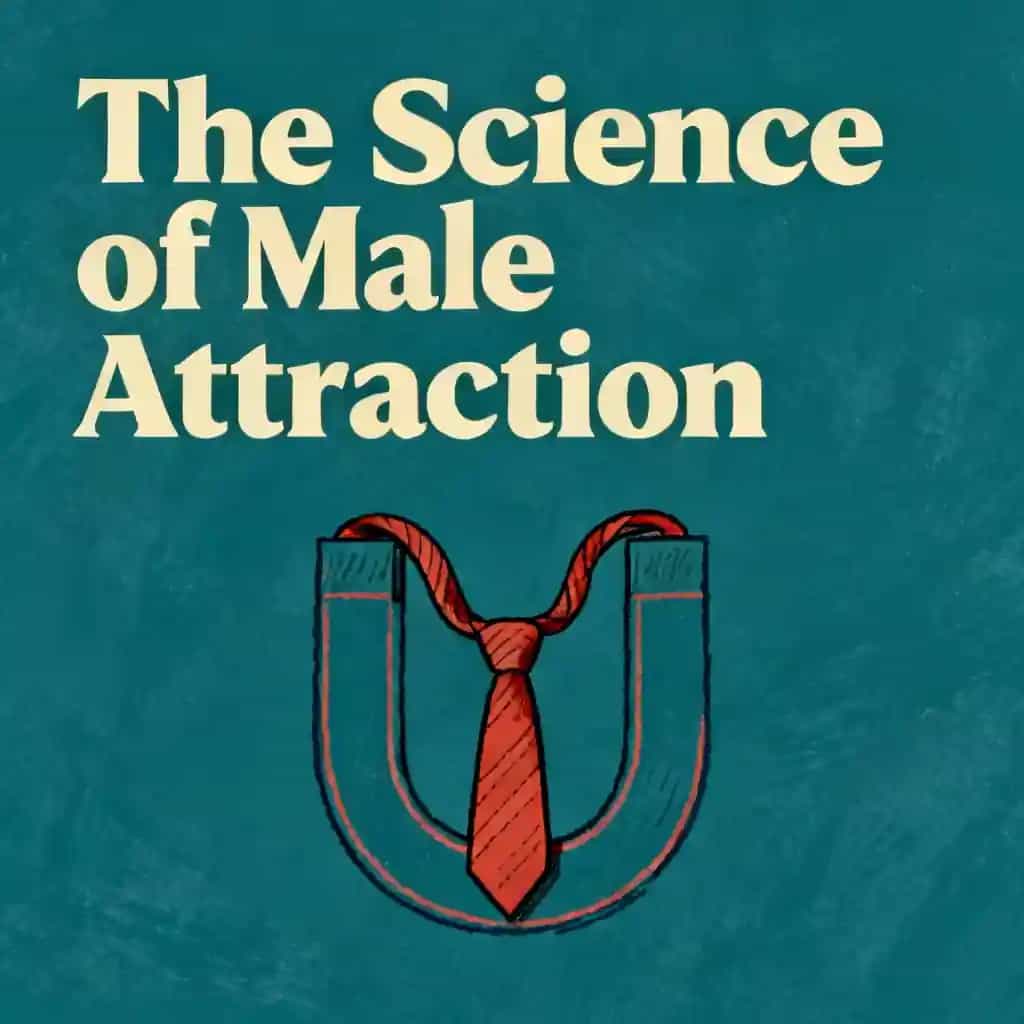
Understanding male psychology and how men think
Stop guessing why men act the way they do. Learn how evolutionary traits and brain patterns shape male behavior so you can build better connections.

Лучшая цитата из Understanding male psychology and how men think
We’re living in a world where relational skills are the new gold standard, but many men are still operating on 'Stone Age' hardware that prioritizes stoicism. It’s like trying to run the latest, most demanding software on a processor from thirty years ago—it’s going to lag, and it’s going to overheat.
Generated by G
How men operate I need to learn inside and out everything


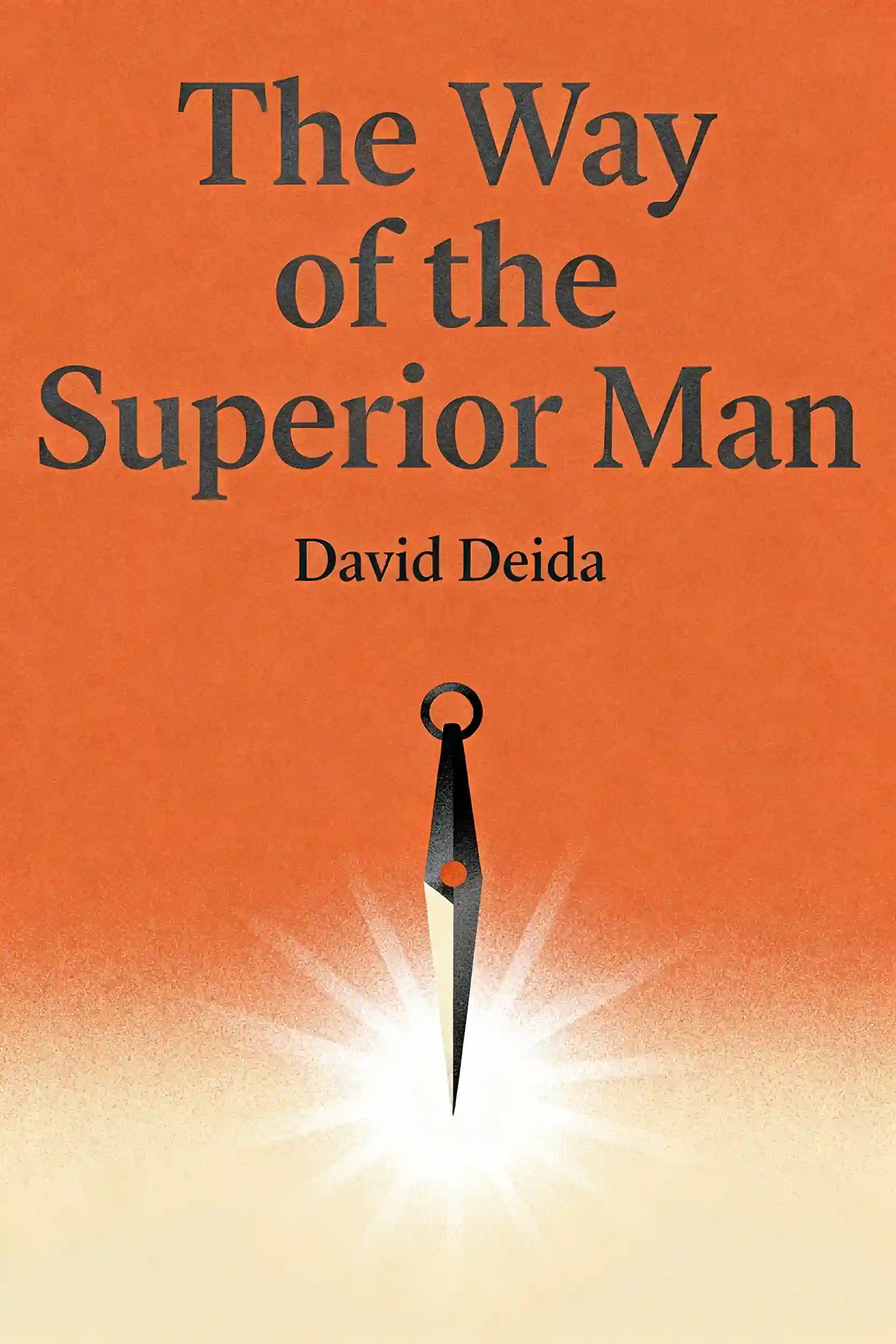
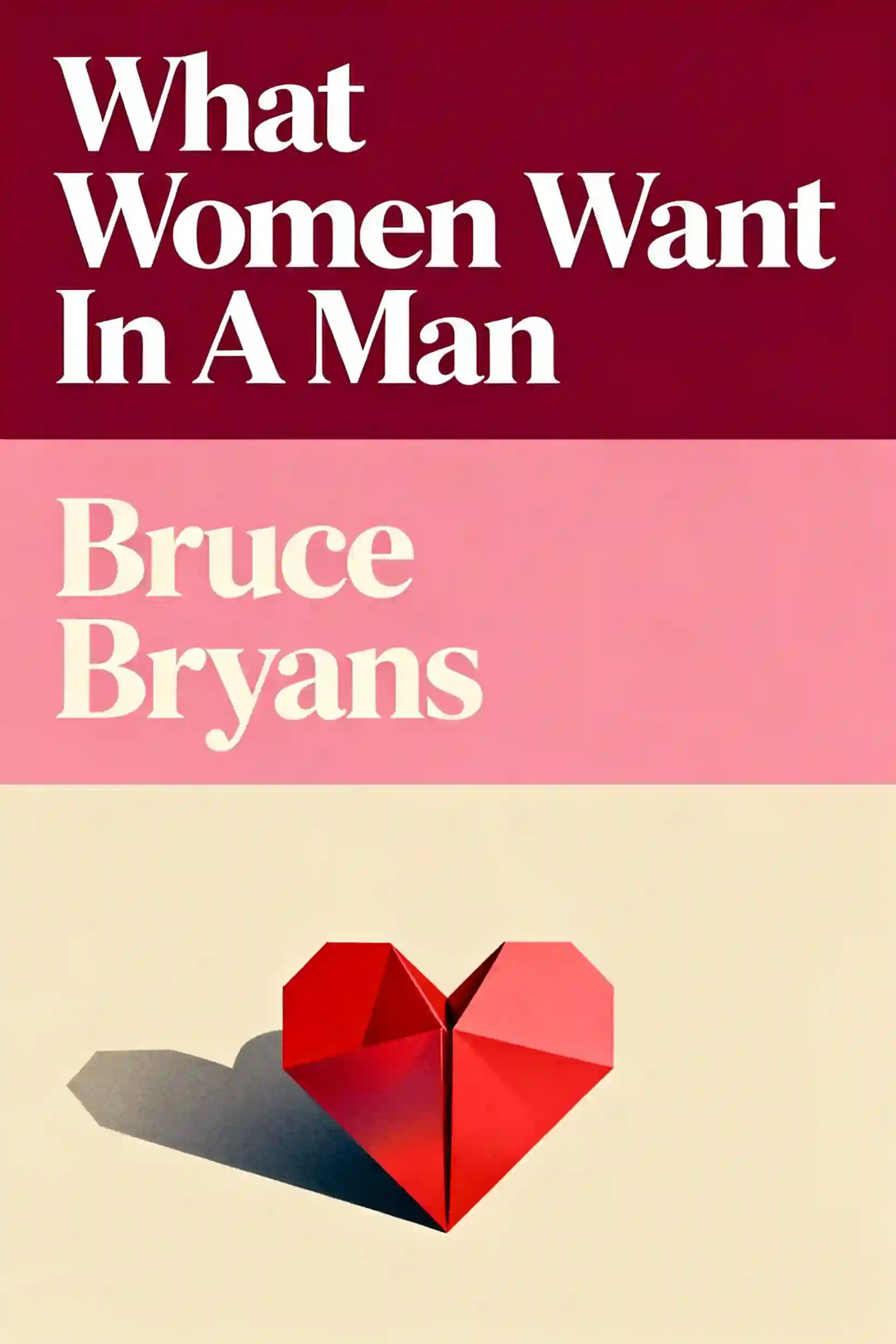

Часто задаваемые вопросы
This phenomenon is known as "masked depression." Because of the "stoicism trap"—a cultural script that dictates men should be tough and self-reliant—many men lack the vocabulary for sadness or feel that expressing it is socially unacceptable. Consequently, they translate their internal pain into anger, workaholism, or irritability, which are often seen as more "acceptable" masculine emotions, even though these reactions can ultimately push others away.
Evolutionary mismatch refers to the gap between "Stone Age" biological hardware and the demands of the 2026 service-oriented economy. For thousands of years, traits like physical aggression, risk-taking, and emotional stoicism were adaptive for survival in dangerous environments. Today, however, society prioritizes relational skills like empathy and communication. Many men are still "tuned" for a high-stress, dangerous world, leading to a system under stress where traditional survival strategies look like impulsivity or defensiveness in a modern office or marriage.
"Frame" refers to a man's emotional regulation and identity stability, acting as the "eye of the storm" rather than reacting to external chaos. A man with a strong frame remains grounded in his own values and purpose rather than letting his identity depend on his partner’s approval. Unlike dominance or control, which stem from insecurity and an attempt to manage others, a strong frame is about self-governance and maintaining personal boundaries while remaining a source of predictability and safety for others.
The script suggests using "side-by-side" communication rather than "face-to-face" interrogation. Men often feel exposed by direct emotional gaze, but they tend to open up when engaged in an activity like hiking, driving, or working on a project. Additionally, because men often use "systematic thinking," framing an emotional need as a "problem" for them to help solve can trigger their natural desire to be useful and provide, making it easier for them to engage with the underlying emotions.
The performance trap is the belief that a man's worth is solely proportional to his productivity, earning capacity, and usefulness. When a man faces unemployment, retirement, or the threat of AI replacement, he may experience a massive identity crisis because he views himself as a "human doing" rather than a "human being." This can lead to "relational decay," where a man provides for a house financially but remains emotionally absent because he is hiding his perceived failures from those he loves.
Создано выпускниками Колумбийского университета в Сан-Франциско
"Instead of endless scrolling, I just hit play on BeFreed. It saves me so much time."


"I never knew where to start with nonfiction—BeFreed’s book lists turned into podcasts gave me a clear path."


"Perfect balance between learning and entertainment. Finished ‘Thinking, Fast and Slow’ on my commute this week."
"Crazy how much I learned while walking the dog. BeFreed = small habits → big gains."
"Reading used to feel like a chore. Now it’s just part of my lifestyle."

"Feels effortless compared to reading. I’ve finished 6 books this month already."
"BeFreed turned my guilty doomscrolling into something that feels productive and inspiring."

"BeFreed turned my commute into learning time. 20-min podcasts are perfect for finishing books I never had time for."
"BeFreed replaced my podcast queue. Imagine Spotify for books — that’s it. 🙌"

"It is great for me to learn something from the book without reading it."
"The themed book list podcasts help me connect ideas across authors—like a guided audio journey."
"Makes me feel smarter every time before going to work"
Создано выпускниками Колумбийского университета в Сан-Франциско
"Instead of endless scrolling, I just hit play on BeFreed. It saves me so much time."
"I never knew where to start with nonfiction—BeFreed’s book lists turned into podcasts gave me a clear path."
"Perfect balance between learning and entertainment. Finished ‘Thinking, Fast and Slow’ on my commute this week."
"Crazy how much I learned while walking the dog. BeFreed = small habits → big gains."
"Reading used to feel like a chore. Now it’s just part of my lifestyle."
"Feels effortless compared to reading. I’ve finished 6 books this month already."
"BeFreed turned my guilty doomscrolling into something that feels productive and inspiring."
"BeFreed turned my commute into learning time. 20-min podcasts are perfect for finishing books I never had time for."
"BeFreed replaced my podcast queue. Imagine Spotify for books — that’s it. 🙌"
"It is great for me to learn something from the book without reading it."
"The themed book list podcasts help me connect ideas across authors—like a guided audio journey."
"Makes me feel smarter every time before going to work"
"Instead of endless scrolling, I just hit play on BeFreed. It saves me so much time."
"I never knew where to start with nonfiction—BeFreed’s book lists turned into podcasts gave me a clear path."
"Perfect balance between learning and entertainment. Finished ‘Thinking, Fast and Slow’ on my commute this week."
"Crazy how much I learned while walking the dog. BeFreed = small habits → big gains."
"Reading used to feel like a chore. Now it’s just part of my lifestyle."
"Feels effortless compared to reading. I’ve finished 6 books this month already."
"BeFreed turned my guilty doomscrolling into something that feels productive and inspiring."
"BeFreed turned my commute into learning time. 20-min podcasts are perfect for finishing books I never had time for."
"BeFreed replaced my podcast queue. Imagine Spotify for books — that’s it. 🙌"
"It is great for me to learn something from the book without reading it."
"The themed book list podcasts help me connect ideas across authors—like a guided audio journey."
"Makes me feel smarter every time before going to work"
"Instead of endless scrolling, I just hit play on BeFreed. It saves me so much time."
"I never knew where to start with nonfiction—BeFreed’s book lists turned into podcasts gave me a clear path."
"Perfect balance between learning and entertainment. Finished ‘Thinking, Fast and Slow’ on my commute this week."
"Crazy how much I learned while walking the dog. BeFreed = small habits → big gains."
"Reading used to feel like a chore. Now it’s just part of my lifestyle."
"Feels effortless compared to reading. I’ve finished 6 books this month already."
"BeFreed turned my guilty doomscrolling into something that feels productive and inspiring."
"BeFreed turned my commute into learning time. 20-min podcasts are perfect for finishing books I never had time for."
"BeFreed replaced my podcast queue. Imagine Spotify for books — that’s it. 🙌"
"It is great for me to learn something from the book without reading it."
"The themed book list podcasts help me connect ideas across authors—like a guided audio journey."
"Makes me feel smarter every time before going to work"