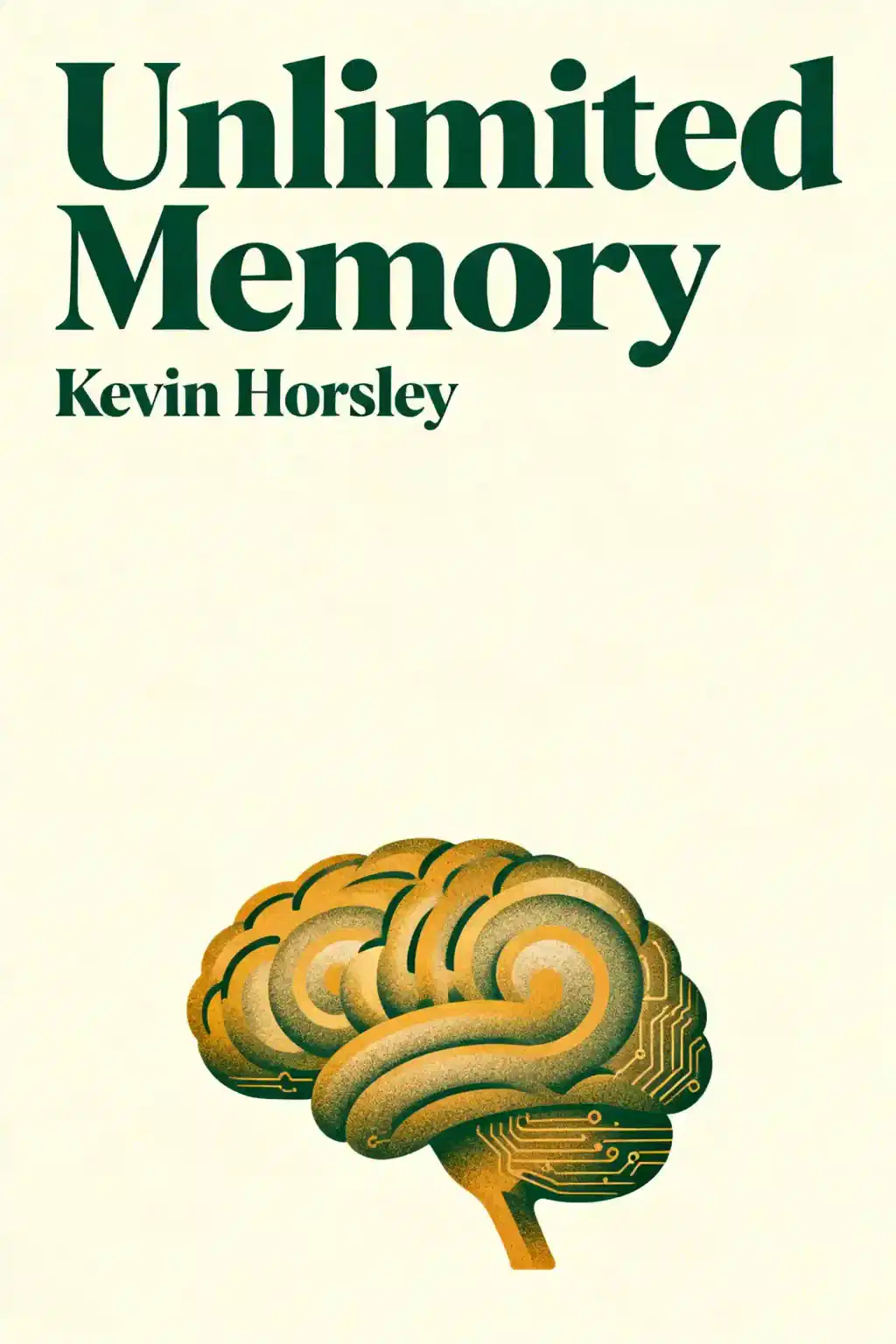
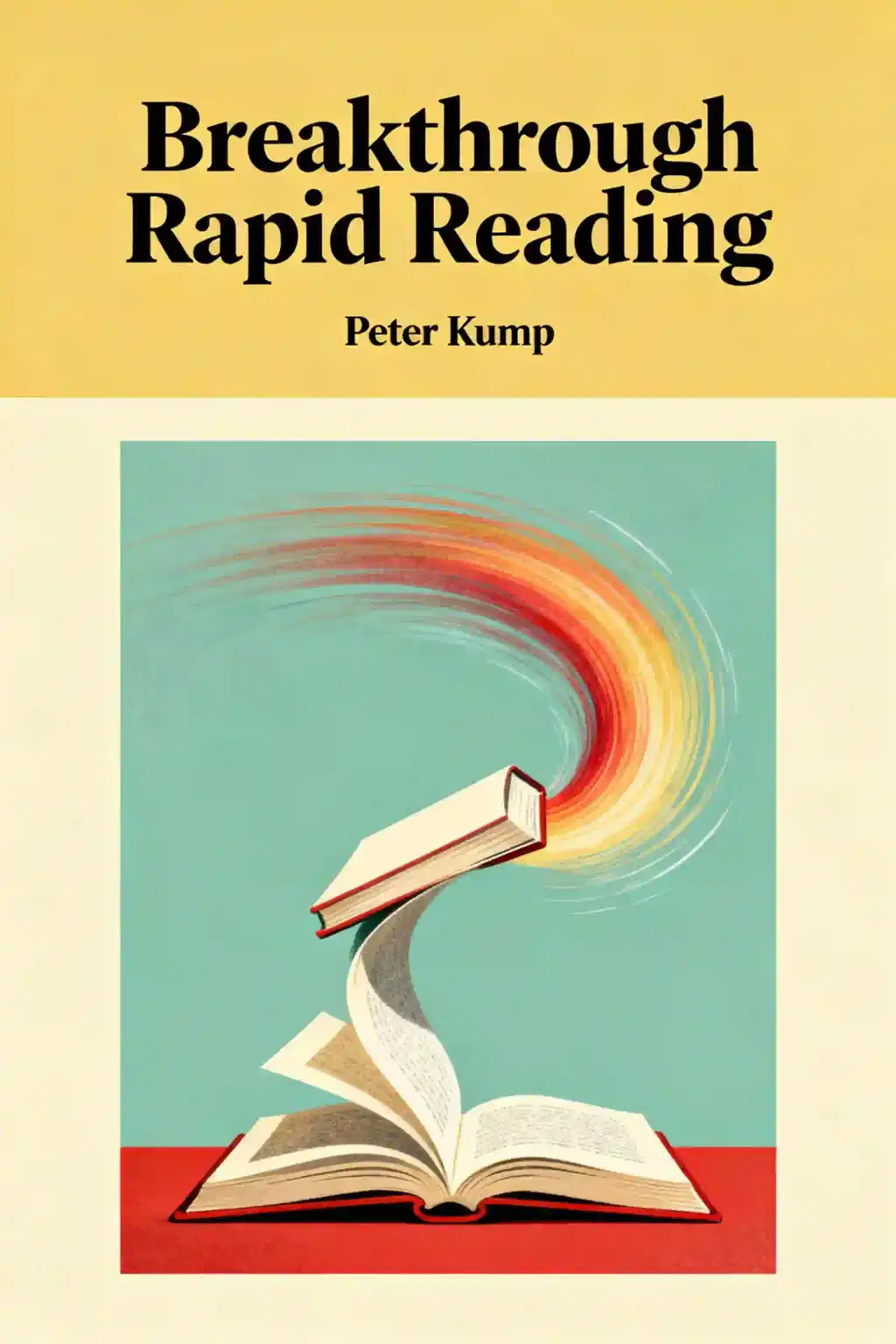
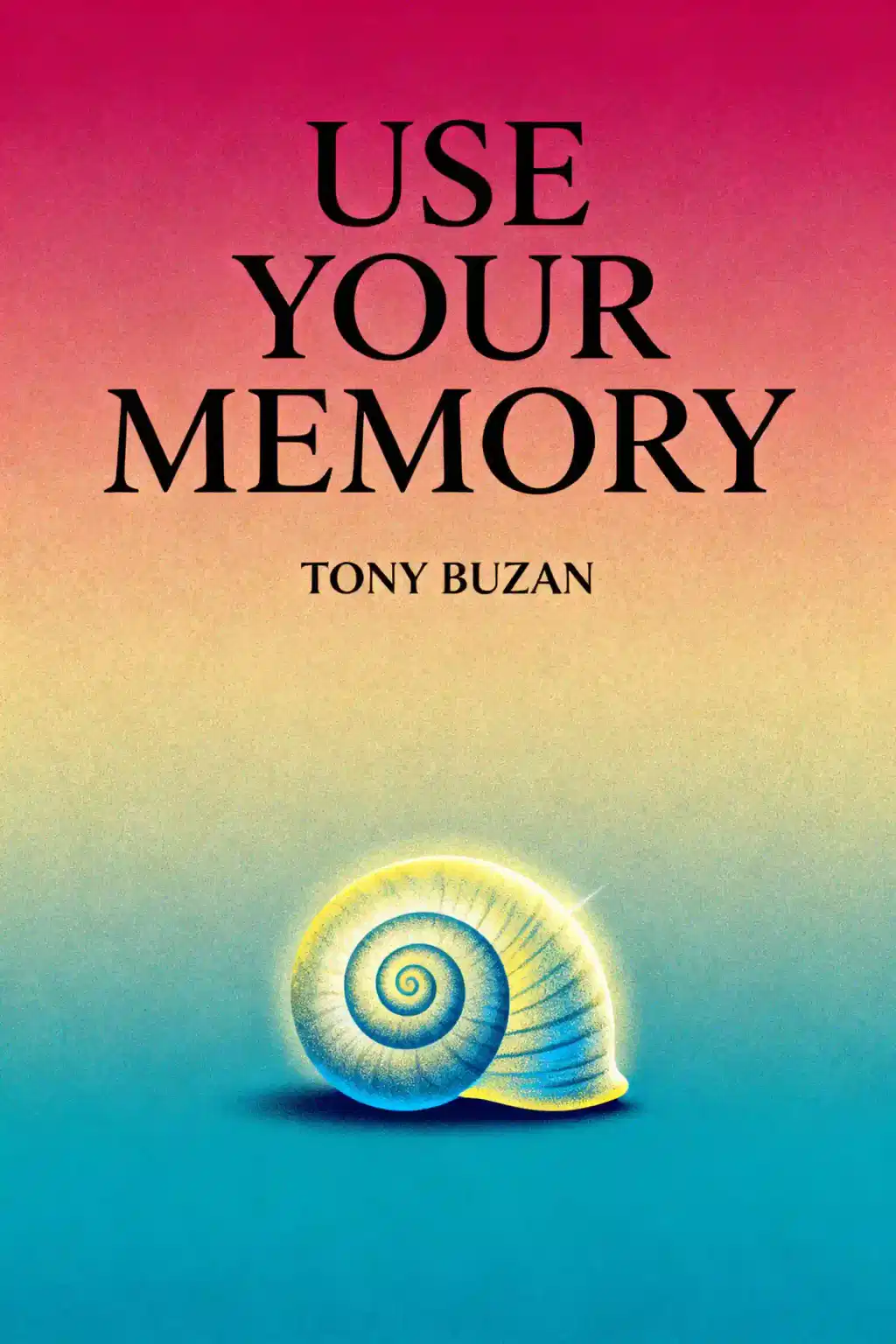
The Ultimate Memory Mastery Cheat Sheet
Unlock the science of retention by mastering the three stages of memory. Learn to bypass mental limits with chunking, semantic encoding, and the power of active recall.

Лучшая цитата из The Ultimate Memory Mastery Cheat Sheet
True learning only happens when you force your brain to actually produce the information from scratch without looking at the source. This process of active retrieval, combined with corrective feedback, is the fastest way to build a durable knowledge base.
Generated by Dale
Memory cheat sheet

Часто задаваемые вопросы
The Method of Loci, also known as a Memory Palace, is a mnemonic strategy that leverages the brain’s natural talent for spatial navigation to store abstract information. By visualizing a familiar physical location—such as your home or office—you create "magnetic stations" at specific landmarks like a rug or a bookshelf. You then "hook" new information onto these spots by imagining vivid, bizarre images representing the data. This technique effectively doubles recall accuracy because it anchors fleeting thoughts into permanent mental real estate that the brain can easily navigate.
The human brain is an efficient filter designed to discard mundane, everyday information to save energy. To bypass this filter, you must use "elaborative encoding" to make information impossible to ignore by making it emotional, strange, or multisensory. For example, instead of picturing a simple carton of milk, you might imagine a giant, screaming cow tipping a lake of milk onto your shoes. These absurd, high-energy associations act as a red flag to the brain, signaling that the information is important and should not be deleted.
The Forgetting Curve is a psychological phenomenon where humans lose roughly 50% of new information within an hour and 70% within a day if it isn't reviewed. To defeat this, you must use "Spaced Repetition," which involves reviewing material at increasing intervals—such as after one day, then three days, then a week. By catching yourself right at the edge of forgetting, a point known as "desirable difficulty," you flatten the curve and move the information from temporary storage in the hippocampus to more stable, long-term storage in the neocortex.
Recognition is a passive process where information feels familiar because you are looking at it again, such as rereading notes, which often creates a false sense of confidence. Active recall, or the "Testing Effect," requires you to force your brain to retrieve information from scratch without looking at the source. Research shows that students who practice active retrieval retain significantly more information—up to 80%—compared to those who simply restudy. This struggle to retrieve data signals to the brain that the information is useful, strengthening the neural pathways to that specific data.
Memory is deeply influenced by the physical health of the brain. Physical exercise triggers the release of BDNF, a protein that acts like "Miracle-Gro" for neurons, promoting the growth of the hippocampus. Similarly, certain diets and intermittent fasting promote "metabolic switching," which reduces neuroinflammation and clears out cellular "mental trash" through a process called autophagy. These lifestyle habits improve the "hardware" of the brain, making the "software" of mnemonic techniques like the Memory Palace even more effective.
Создано выпускниками Колумбийского университета в Сан-Франциско
"Instead of endless scrolling, I just hit play on BeFreed. It saves me so much time."


"I never knew where to start with nonfiction—BeFreed’s book lists turned into podcasts gave me a clear path."


"Perfect balance between learning and entertainment. Finished ‘Thinking, Fast and Slow’ on my commute this week."
"Crazy how much I learned while walking the dog. BeFreed = small habits → big gains."
"Reading used to feel like a chore. Now it’s just part of my lifestyle."

"Feels effortless compared to reading. I’ve finished 6 books this month already."
"BeFreed turned my guilty doomscrolling into something that feels productive and inspiring."

"BeFreed turned my commute into learning time. 20-min podcasts are perfect for finishing books I never had time for."
"BeFreed replaced my podcast queue. Imagine Spotify for books — that’s it. 🙌"

"It is great for me to learn something from the book without reading it."
"The themed book list podcasts help me connect ideas across authors—like a guided audio journey."
"Makes me feel smarter every time before going to work"
Создано выпускниками Колумбийского университета в Сан-Франциско
"Instead of endless scrolling, I just hit play on BeFreed. It saves me so much time."
"I never knew where to start with nonfiction—BeFreed’s book lists turned into podcasts gave me a clear path."
"Perfect balance between learning and entertainment. Finished ‘Thinking, Fast and Slow’ on my commute this week."
"Crazy how much I learned while walking the dog. BeFreed = small habits → big gains."
"Reading used to feel like a chore. Now it’s just part of my lifestyle."
"Feels effortless compared to reading. I’ve finished 6 books this month already."
"BeFreed turned my guilty doomscrolling into something that feels productive and inspiring."
"BeFreed turned my commute into learning time. 20-min podcasts are perfect for finishing books I never had time for."
"BeFreed replaced my podcast queue. Imagine Spotify for books — that’s it. 🙌"
"It is great for me to learn something from the book without reading it."
"The themed book list podcasts help me connect ideas across authors—like a guided audio journey."
"Makes me feel smarter every time before going to work"
"Instead of endless scrolling, I just hit play on BeFreed. It saves me so much time."
"I never knew where to start with nonfiction—BeFreed’s book lists turned into podcasts gave me a clear path."
"Perfect balance between learning and entertainment. Finished ‘Thinking, Fast and Slow’ on my commute this week."
"Crazy how much I learned while walking the dog. BeFreed = small habits → big gains."
"Reading used to feel like a chore. Now it’s just part of my lifestyle."
"Feels effortless compared to reading. I’ve finished 6 books this month already."
"BeFreed turned my guilty doomscrolling into something that feels productive and inspiring."
"BeFreed turned my commute into learning time. 20-min podcasts are perfect for finishing books I never had time for."
"BeFreed replaced my podcast queue. Imagine Spotify for books — that’s it. 🙌"
"It is great for me to learn something from the book without reading it."
"The themed book list podcasts help me connect ideas across authors—like a guided audio journey."
"Makes me feel smarter every time before going to work"
"Instead of endless scrolling, I just hit play on BeFreed. It saves me so much time."
"I never knew where to start with nonfiction—BeFreed’s book lists turned into podcasts gave me a clear path."
"Perfect balance between learning and entertainment. Finished ‘Thinking, Fast and Slow’ on my commute this week."
"Crazy how much I learned while walking the dog. BeFreed = small habits → big gains."
"Reading used to feel like a chore. Now it’s just part of my lifestyle."
"Feels effortless compared to reading. I’ve finished 6 books this month already."
"BeFreed turned my guilty doomscrolling into something that feels productive and inspiring."
"BeFreed turned my commute into learning time. 20-min podcasts are perfect for finishing books I never had time for."
"BeFreed replaced my podcast queue. Imagine Spotify for books — that’s it. 🙌"
"It is great for me to learn something from the book without reading it."
"The themed book list podcasts help me connect ideas across authors—like a guided audio journey."
"Makes me feel smarter every time before going to work"