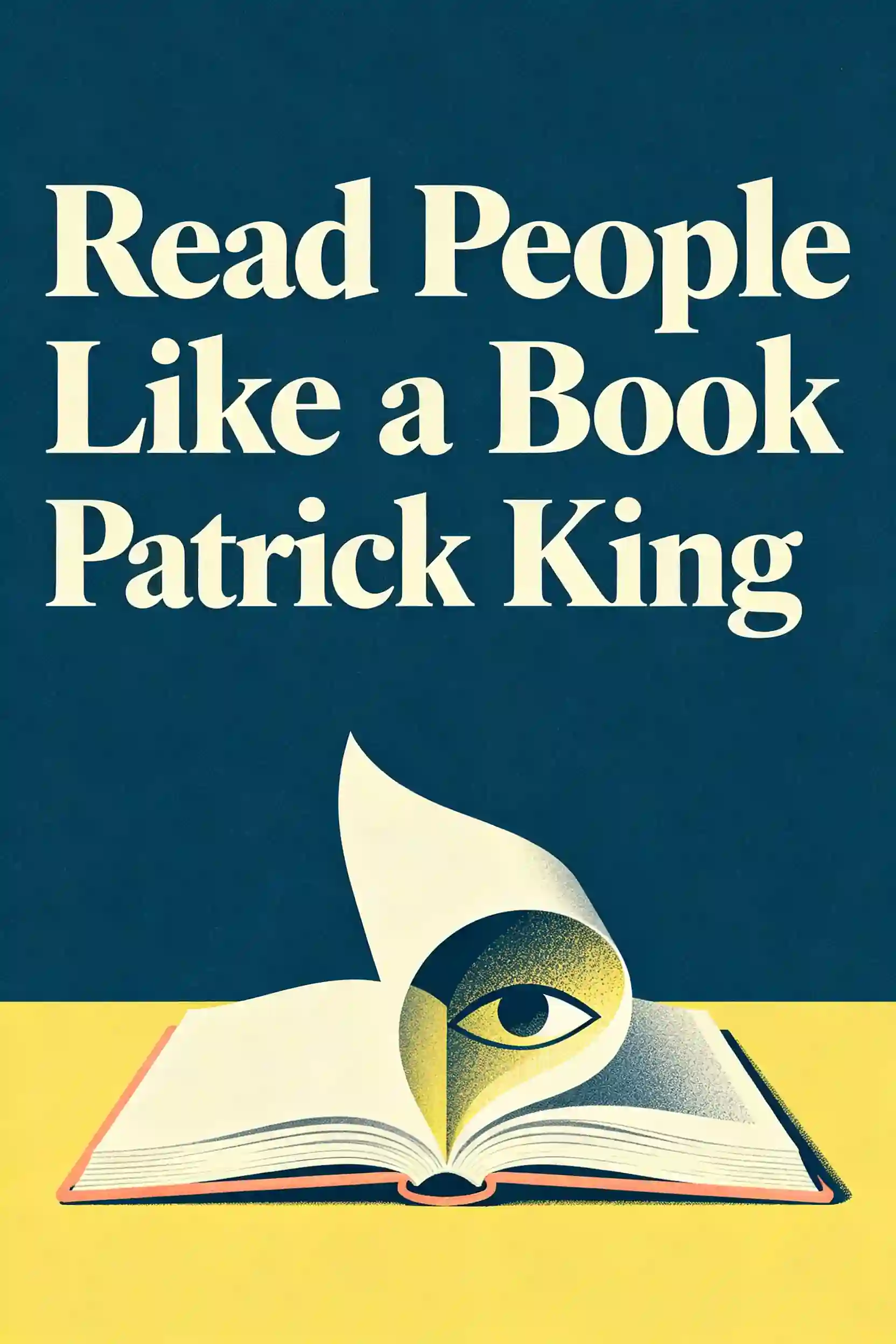
The Science of Everyday Mind Reading
Discover how eye gaze, body language, and subtle brain patterns allow us to decode the hidden thoughts of those around us.

Лучшая цитата из The Science of Everyday Mind Reading
Mind reading isn't magic; it’s just the result of paying very, very close attention to the language we’re all speaking without saying a word.
Generated by STR
Psychology of reading mind by seeing them

Часто задаваемые вопросы
According to the research discussed, humans display "kinematic markers" through their physical movements. When a person intends to pass an object to someone else rather than just moving it for themselves, they tend to use a lower hand positioning on the object to facilitate a "handover" signal. These social actions are also typically more controlled and have a longer duration—a phenomenon called a "social brake"—because the brain is subconsciously calculating the other person's reach and comfort to ensure a smooth interaction.
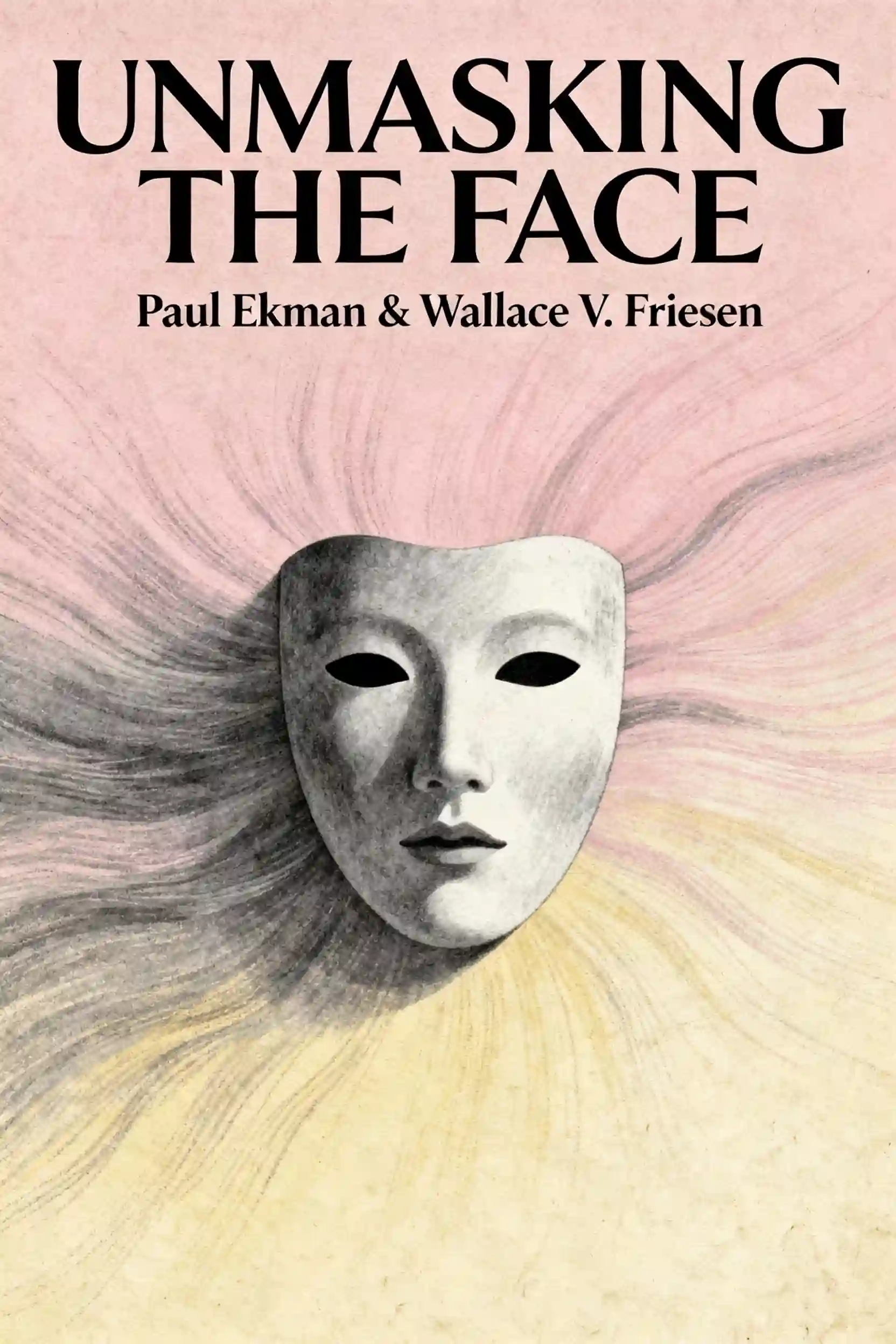
Humans are biologically hardwired to seek out facial cues because the face acts as the "steering wheel" of intentions. While hand movements show the "what" of an action, the eyes and facial expressions reveal the "why." Data shows that seeing a person's face, especially their gaze direction, significantly improves a bystander's ability to predict whether an action is individualistic or social. This is particularly true in "second-person" perspectives, where being the direct target of an interaction sharpens our natural mind-reading tools.
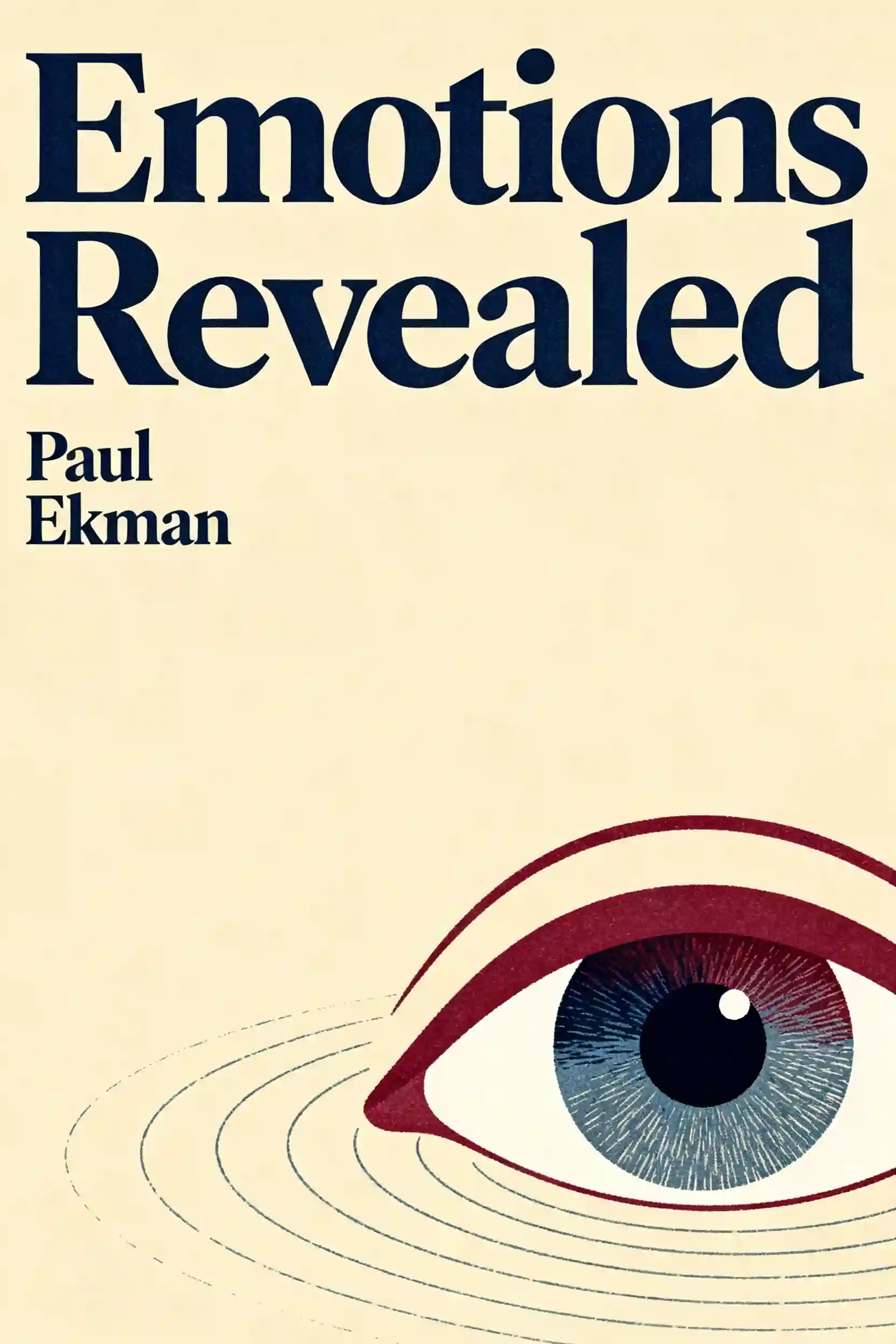
In clinical studies, patients rated avatars with sad expressions as more empathic than those mirroring the patient's own pain. This is because a "pain face" can be interpreted as personal distress or a self-focused reaction, which might make the patient feel they need to worry about the doctor. In contrast, a sad expression signals "empathic concern" and "appeasement," suggesting the professional is moved by the patient's situation and is focused on bonding and helping rather than just reflecting the physical distress.
"Teepee hands" refers to a non-verbal cue where a person has stiff, interlaced fingers. In a clinical or social context, this gesture is often a sign of significant internal discomfort or psychological "blocking." It serves as a physical manifestation of a person's desire to create a barrier between themselves and the world, often appearing when their verbal message is "incongruent" with their true emotional state.
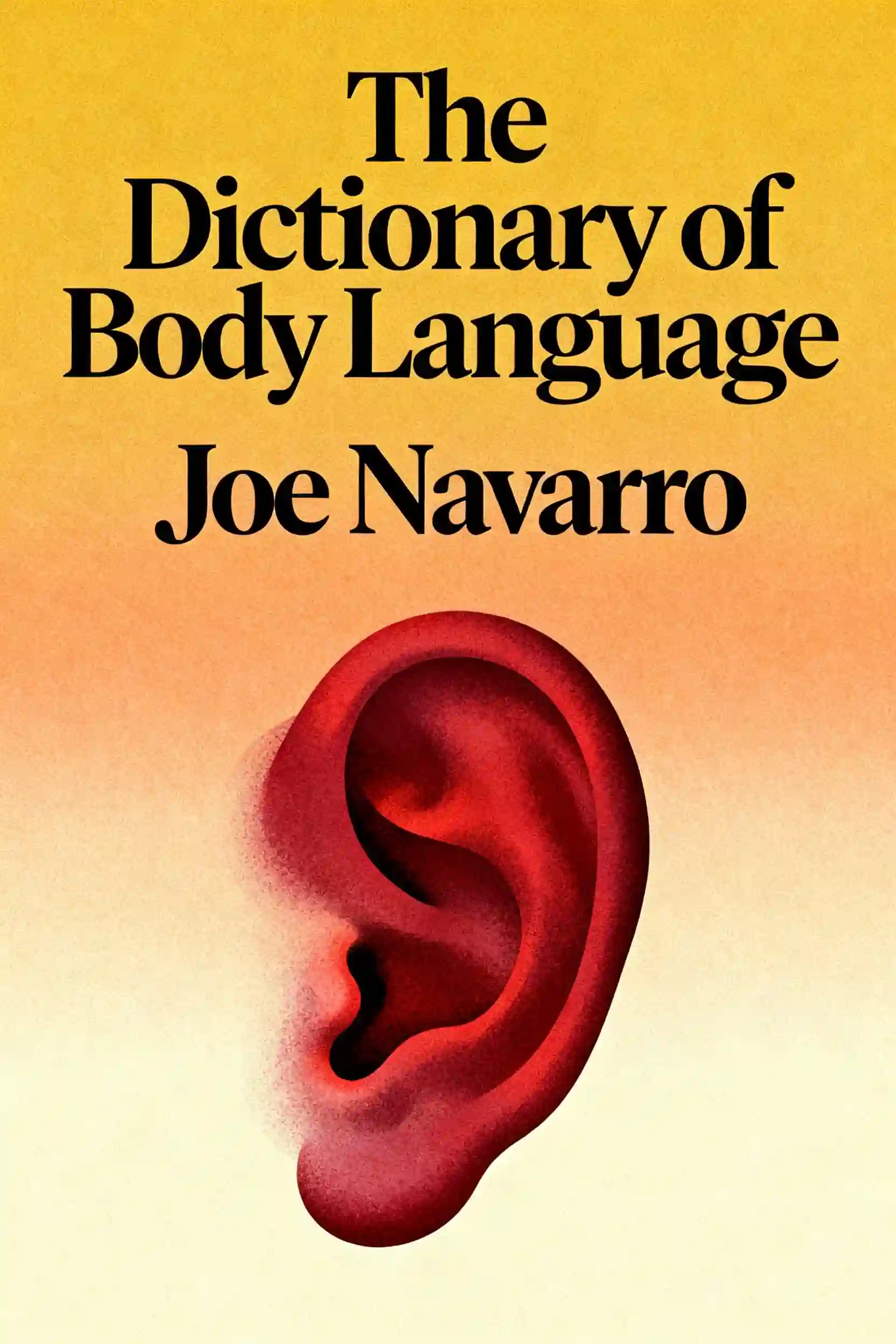
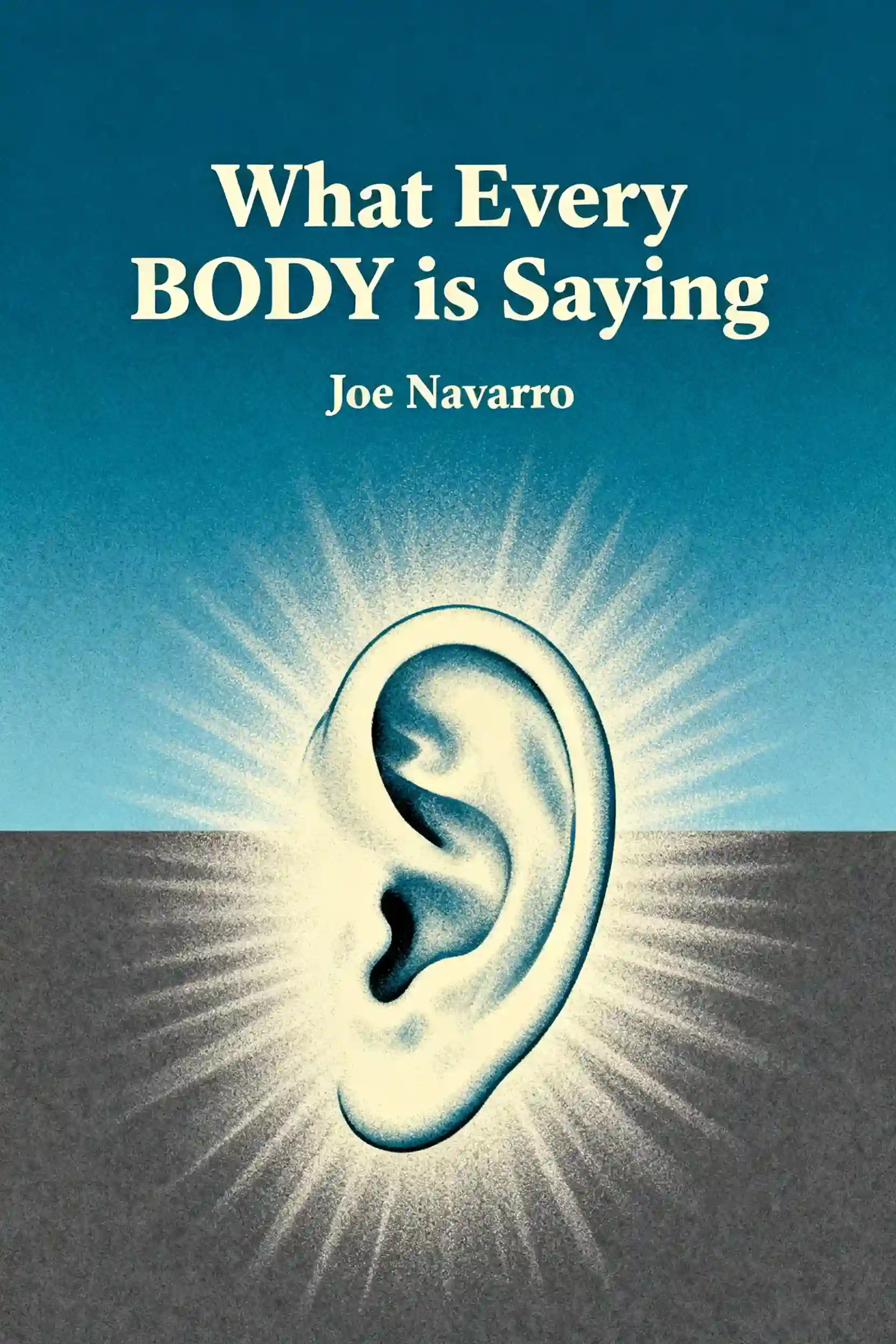
Former FBI agents and researchers suggest that while we are trained from childhood to mask our facial expressions—such as smiling when we are unhappy—we rarely learn to consciously control our feet. Consequently, the feet often leak a person's true desires; for example, if someone is smiling at you but their feet are pointed toward an exit, their brain is likely signaling a desire to leave. "Gravity-defying" behaviors, like feet bouncing or pointing upward, are also reliable indicators of genuine excitement or happiness.
Создано выпускниками Колумбийского университета в Сан-Франциско
"Instead of endless scrolling, I just hit play on BeFreed. It saves me so much time."


"I never knew where to start with nonfiction—BeFreed’s book lists turned into podcasts gave me a clear path."


"Perfect balance between learning and entertainment. Finished ‘Thinking, Fast and Slow’ on my commute this week."
"Crazy how much I learned while walking the dog. BeFreed = small habits → big gains."
"Reading used to feel like a chore. Now it’s just part of my lifestyle."

"Feels effortless compared to reading. I’ve finished 6 books this month already."
"BeFreed turned my guilty doomscrolling into something that feels productive and inspiring."

"BeFreed turned my commute into learning time. 20-min podcasts are perfect for finishing books I never had time for."
"BeFreed replaced my podcast queue. Imagine Spotify for books — that’s it. 🙌"

"It is great for me to learn something from the book without reading it."
"The themed book list podcasts help me connect ideas across authors—like a guided audio journey."
"Makes me feel smarter every time before going to work"
Создано выпускниками Колумбийского университета в Сан-Франциско
"Instead of endless scrolling, I just hit play on BeFreed. It saves me so much time."
"I never knew where to start with nonfiction—BeFreed’s book lists turned into podcasts gave me a clear path."
"Perfect balance between learning and entertainment. Finished ‘Thinking, Fast and Slow’ on my commute this week."
"Crazy how much I learned while walking the dog. BeFreed = small habits → big gains."
"Reading used to feel like a chore. Now it’s just part of my lifestyle."
"Feels effortless compared to reading. I’ve finished 6 books this month already."
"BeFreed turned my guilty doomscrolling into something that feels productive and inspiring."
"BeFreed turned my commute into learning time. 20-min podcasts are perfect for finishing books I never had time for."
"BeFreed replaced my podcast queue. Imagine Spotify for books — that’s it. 🙌"
"It is great for me to learn something from the book without reading it."
"The themed book list podcasts help me connect ideas across authors—like a guided audio journey."
"Makes me feel smarter every time before going to work"
"Instead of endless scrolling, I just hit play on BeFreed. It saves me so much time."
"I never knew where to start with nonfiction—BeFreed’s book lists turned into podcasts gave me a clear path."
"Perfect balance between learning and entertainment. Finished ‘Thinking, Fast and Slow’ on my commute this week."
"Crazy how much I learned while walking the dog. BeFreed = small habits → big gains."
"Reading used to feel like a chore. Now it’s just part of my lifestyle."
"Feels effortless compared to reading. I’ve finished 6 books this month already."
"BeFreed turned my guilty doomscrolling into something that feels productive and inspiring."
"BeFreed turned my commute into learning time. 20-min podcasts are perfect for finishing books I never had time for."
"BeFreed replaced my podcast queue. Imagine Spotify for books — that’s it. 🙌"
"It is great for me to learn something from the book without reading it."
"The themed book list podcasts help me connect ideas across authors—like a guided audio journey."
"Makes me feel smarter every time before going to work"
"Instead of endless scrolling, I just hit play on BeFreed. It saves me so much time."
"I never knew where to start with nonfiction—BeFreed’s book lists turned into podcasts gave me a clear path."
"Perfect balance between learning and entertainment. Finished ‘Thinking, Fast and Slow’ on my commute this week."
"Crazy how much I learned while walking the dog. BeFreed = small habits → big gains."
"Reading used to feel like a chore. Now it’s just part of my lifestyle."
"Feels effortless compared to reading. I’ve finished 6 books this month already."
"BeFreed turned my guilty doomscrolling into something that feels productive and inspiring."
"BeFreed turned my commute into learning time. 20-min podcasts are perfect for finishing books I never had time for."
"BeFreed replaced my podcast queue. Imagine Spotify for books — that’s it. 🙌"
"It is great for me to learn something from the book without reading it."
"The themed book list podcasts help me connect ideas across authors—like a guided audio journey."
"Makes me feel smarter every time before going to work"