
Other Human Species and Neanderthal Social Lives in Sapiens
Explore the history of extinct human species like Neanderthals as told in Yuval Noah Harari's Sapiens. Learn about their social lives and why they vanished.
Лучшая цитата из Other Human Species and Neanderthal Social Lives in Sapiens
Our 'success' wasn't inevitable. Neanderthals were smarter, stronger, and more compassionate than we gave them credit for; they survived for hundreds of thousands of years in conditions that would break us.
Generated by Cara Murphy
Tell me all about other species of humans other than Homo sapiens. Draw from the book sapiens to tell me what happened to them. I’m particularly interested in Neanderthals and their social lives






Часто задаваемые вопросы
According to evolutionary history and Yuval Noah Harari's Sapiens, Homo sapiens were not the only humans on Earth. For thousands of years, species such as Homo neanderthalensis in Europe, Homo erectus in Asia, and Homo soloensis lived simultaneously. These various species evolved from common ancestors but developed distinct physical traits and survival strategies based on their specific environments before eventually going extinct as Sapiens spread across the globe.
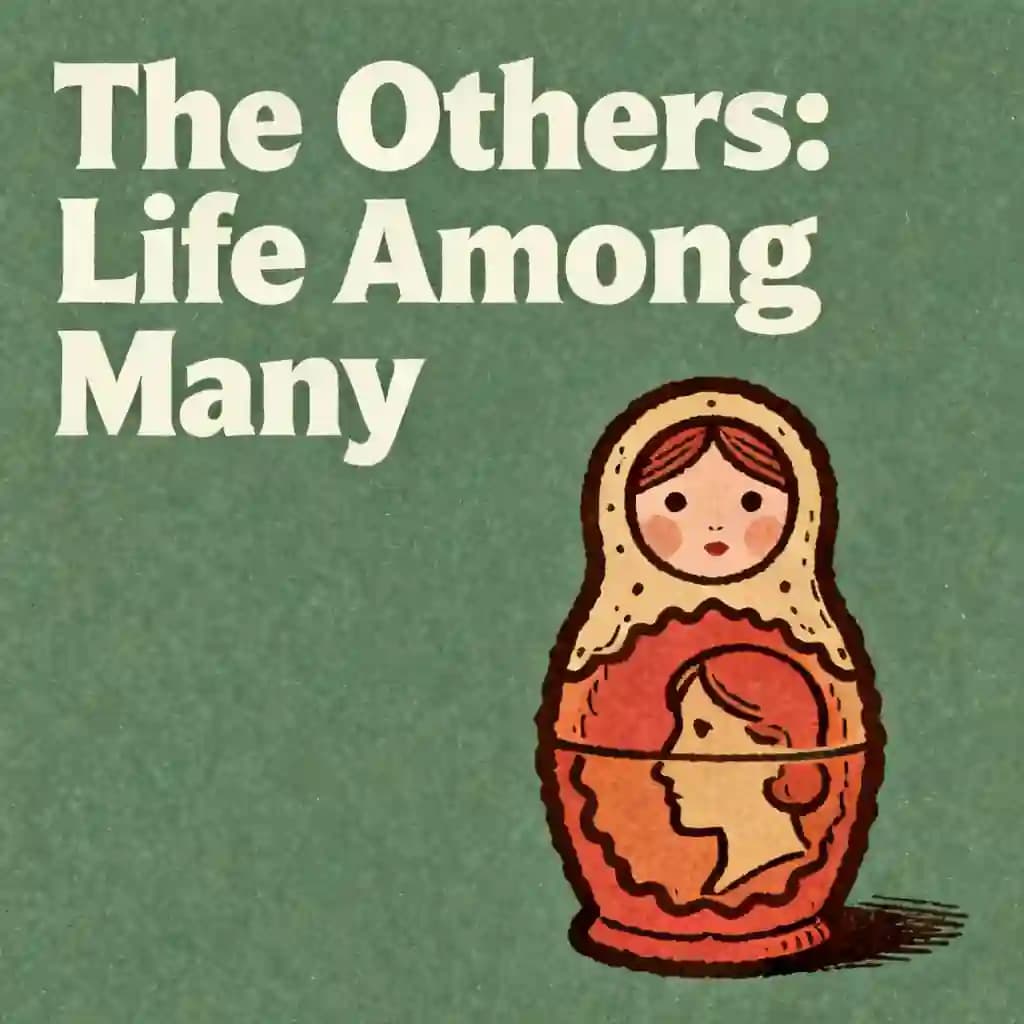
In Sapiens, Yuval Noah Harari describes Neanderthals as highly resilient humans who lived in small, intimate social groups. They were physically stronger than Homo sapiens and possessed larger brains, using their social structures to care for the sick and elderly. While they were skilled hunters with close-knit community bonds, Harari suggests they may have lacked the large-scale cooperation and fictional storytelling abilities that allowed Homo sapiens to organize in much larger numbers.
The extinction of other human species is a central theme in human evolution. Harari presents two main theories: the Interbreeding Theory and the Replacement Theory. The Interbreeding Theory suggests Sapiens merged with species like Neanderthals through mating, while the Replacement Theory argues that Sapiens outcompeted them for resources or drove them to extinction through conflict. Sapiens' unique ability to cooperate flexibly in large groups likely gave them the decisive edge over other species.
Neanderthal social structure was likely limited to localized family clans or small tribes. While they showed deep empathy and social cooperation within these groups, there is little evidence they could coordinate with distant strangers. In contrast, Homo sapiens developed the ability to believe in shared myths, which allowed thousands of individuals to cooperate toward common goals. This cognitive difference is often cited as the reason why Sapiens survived while the more localized Neanderthal societies eventually faded away.
Создано выпускниками Колумбийского университета в Сан-Франциско
"Instead of endless scrolling, I just hit play on BeFreed. It saves me so much time."


"I never knew where to start with nonfiction—BeFreed’s book lists turned into podcasts gave me a clear path."


"Perfect balance between learning and entertainment. Finished ‘Thinking, Fast and Slow’ on my commute this week."
"Crazy how much I learned while walking the dog. BeFreed = small habits → big gains."
"Reading used to feel like a chore. Now it’s just part of my lifestyle."

"Feels effortless compared to reading. I’ve finished 6 books this month already."
"BeFreed turned my guilty doomscrolling into something that feels productive and inspiring."

"BeFreed turned my commute into learning time. 20-min podcasts are perfect for finishing books I never had time for."
"BeFreed replaced my podcast queue. Imagine Spotify for books — that’s it. 🙌"

"It is great for me to learn something from the book without reading it."
"The themed book list podcasts help me connect ideas across authors—like a guided audio journey."
"Makes me feel smarter every time before going to work"
Создано выпускниками Колумбийского университета в Сан-Франциско
"Instead of endless scrolling, I just hit play on BeFreed. It saves me so much time."
"I never knew where to start with nonfiction—BeFreed’s book lists turned into podcasts gave me a clear path."
"Perfect balance between learning and entertainment. Finished ‘Thinking, Fast and Slow’ on my commute this week."
"Crazy how much I learned while walking the dog. BeFreed = small habits → big gains."
"Reading used to feel like a chore. Now it’s just part of my lifestyle."
"Feels effortless compared to reading. I’ve finished 6 books this month already."
"BeFreed turned my guilty doomscrolling into something that feels productive and inspiring."
"BeFreed turned my commute into learning time. 20-min podcasts are perfect for finishing books I never had time for."
"BeFreed replaced my podcast queue. Imagine Spotify for books — that’s it. 🙌"
"It is great for me to learn something from the book without reading it."
"The themed book list podcasts help me connect ideas across authors—like a guided audio journey."
"Makes me feel smarter every time before going to work"
"Instead of endless scrolling, I just hit play on BeFreed. It saves me so much time."
"I never knew where to start with nonfiction—BeFreed’s book lists turned into podcasts gave me a clear path."
"Perfect balance between learning and entertainment. Finished ‘Thinking, Fast and Slow’ on my commute this week."
"Crazy how much I learned while walking the dog. BeFreed = small habits → big gains."
"Reading used to feel like a chore. Now it’s just part of my lifestyle."
"Feels effortless compared to reading. I’ve finished 6 books this month already."
"BeFreed turned my guilty doomscrolling into something that feels productive and inspiring."
"BeFreed turned my commute into learning time. 20-min podcasts are perfect for finishing books I never had time for."
"BeFreed replaced my podcast queue. Imagine Spotify for books — that’s it. 🙌"
"It is great for me to learn something from the book without reading it."
"The themed book list podcasts help me connect ideas across authors—like a guided audio journey."
"Makes me feel smarter every time before going to work"
"Instead of endless scrolling, I just hit play on BeFreed. It saves me so much time."
"I never knew where to start with nonfiction—BeFreed’s book lists turned into podcasts gave me a clear path."
"Perfect balance between learning and entertainment. Finished ‘Thinking, Fast and Slow’ on my commute this week."
"Crazy how much I learned while walking the dog. BeFreed = small habits → big gains."
"Reading used to feel like a chore. Now it’s just part of my lifestyle."
"Feels effortless compared to reading. I’ve finished 6 books this month already."
"BeFreed turned my guilty doomscrolling into something that feels productive and inspiring."
"BeFreed turned my commute into learning time. 20-min podcasts are perfect for finishing books I never had time for."
"BeFreed replaced my podcast queue. Imagine Spotify for books — that’s it. 🙌"
"It is great for me to learn something from the book without reading it."
"The themed book list podcasts help me connect ideas across authors—like a guided audio journey."
"Makes me feel smarter every time before going to work"











![[sapiens-by-yuval-noah-harari:c0001] Sapiens p1-1](/_next/image?url=https%3A%2F%2Fd1y2du6z1jfm9e.cloudfront.net%2Fassets%2Fpodcast%2Fgreen.png&w=1024&q=50)


