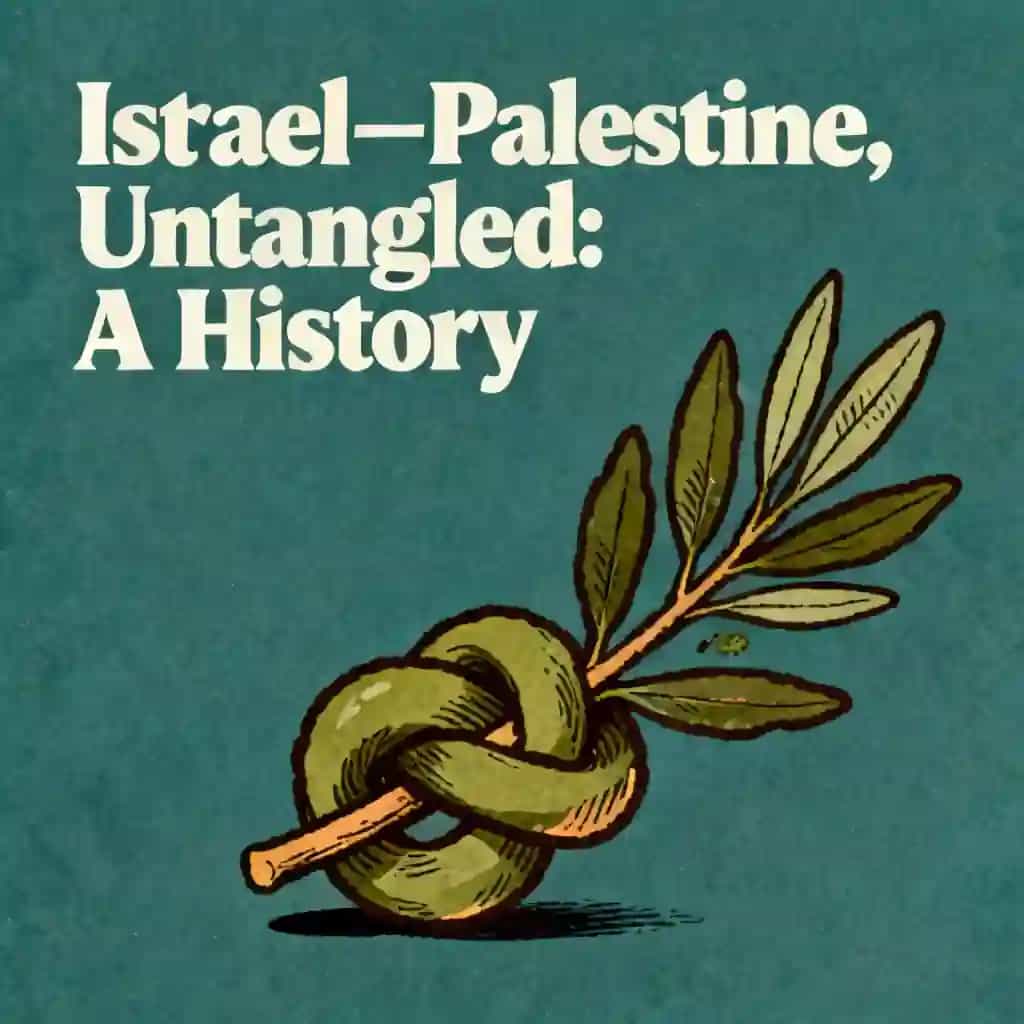
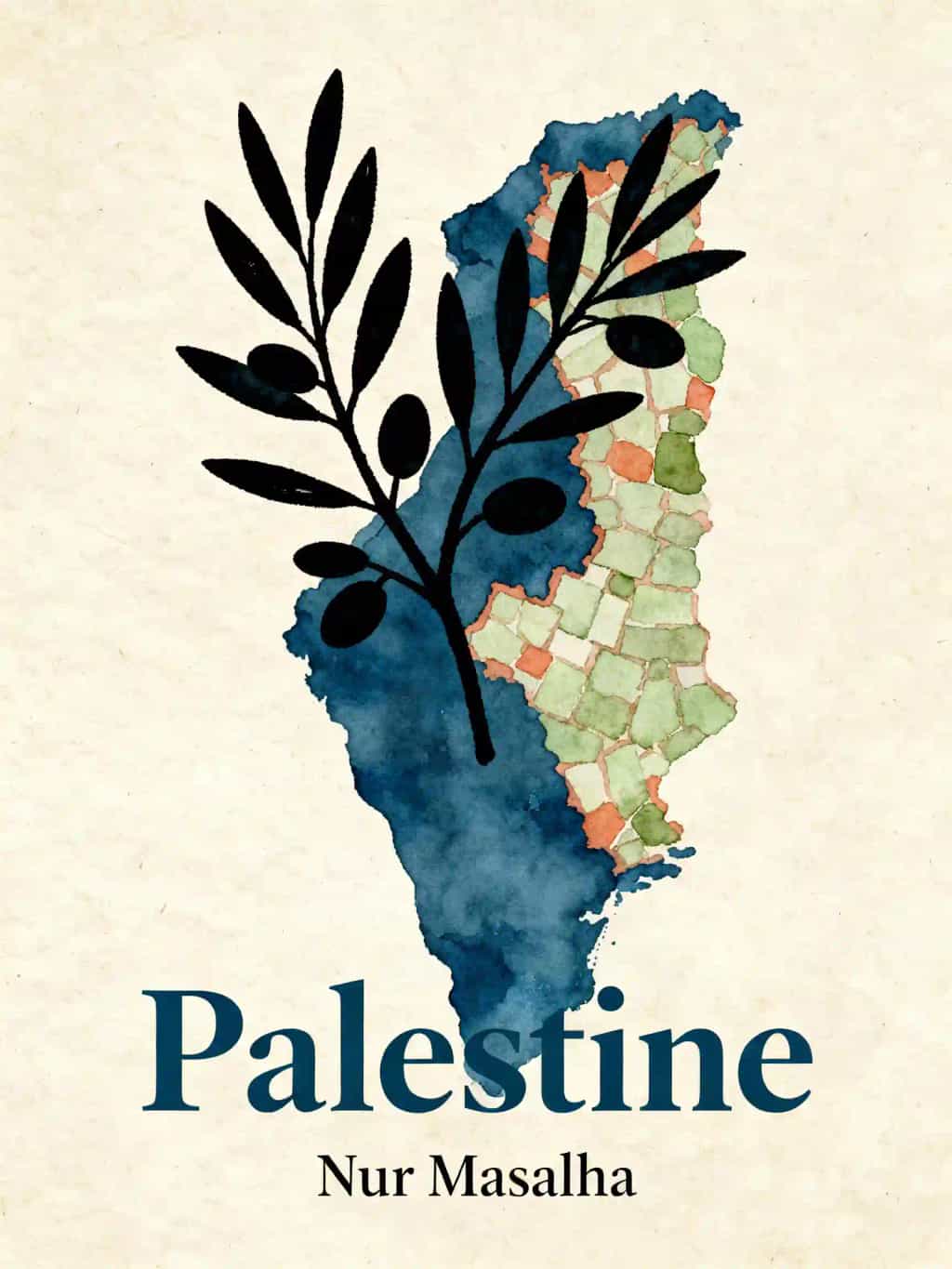
The Israel-Palestine Conflict: A Century of Struggle
Explore the complex history of two peoples claiming one land, from Ottoman-era origins and broken promises to the modern humanitarian crisis and the search for a shared future.
Лучшая цитата из The Israel-Palestine Conflict: A Century of Struggle
It’s a story of two peoples seeking a safe haven on the very same land, often driven by the same desire for self-determination.
Generated by Grace
I want to understand the Israel Palestine conflict and history

Часто задаваемые вопросы
According to the 1947 UN Partition Plan (Resolution 181), Jerusalem was not assigned to either the proposed Jewish or Arab states. Instead, it was designated as a "corpus separatum," which meant it was intended to be an international city under UN control. This special status was proposed because the city was considered too holy and central to the identities of multiple religious groups to belong exclusively to one side.
The Six-Day War resulted in a massive territorial shift when Israel launched a preemptive strike against Egypt, subsequently capturing the Gaza Strip and the Sinai Peninsula from Egypt, the West Bank and East Jerusalem from Jordan, and the Golan Heights from Syria. This brought the entire territory of the former British Mandate under Israeli control and marked the beginning of the military occupation of over a million Palestinians living in those areas.
The Oslo Accords established a complex system of territorial jurisdiction in the West Bank to transition power to the Palestinian Authority. Area A is under full Palestinian civil and security control, Area B is under Palestinian civil control with shared Israeli security control, and Area C—which comprises about 60 percent of the West Bank—remains under full Israeli military and civil control. These areas are not contiguous, creating "islands" of Palestinian governance surrounded by Israeli-controlled territory.
The "Right of Return" refers to the claim of over five million Palestinian refugees and their descendants to return to homes they fled or were expelled from in 1948 and 1967. From the Israeli perspective, the return of millions of Palestinians would create a demographic shift that would end the Jewish majority of the state, effectively signaling the end of Zionism. For Palestinians, however, it remains a fundamental matter of justice and human rights.
Gaza has been under a blockade since 2007, which has led to a severe humanitarian crisis characterized by 40 percent unemployment and a majority of the population living on less than two dollars a day. The script notes that the blockade restricts the import of materials needed for essential water and power infrastructure. Furthermore, the ongoing conflict following the October 7 attacks has led to widespread destruction, a looming famine, and tens of thousands of casualties.
Создано выпускниками Колумбийского университета в Сан-Франциско
"Instead of endless scrolling, I just hit play on BeFreed. It saves me so much time."


"I never knew where to start with nonfiction—BeFreed’s book lists turned into podcasts gave me a clear path."


"Perfect balance between learning and entertainment. Finished ‘Thinking, Fast and Slow’ on my commute this week."
"Crazy how much I learned while walking the dog. BeFreed = small habits → big gains."
"Reading used to feel like a chore. Now it’s just part of my lifestyle."

"Feels effortless compared to reading. I’ve finished 6 books this month already."
"BeFreed turned my guilty doomscrolling into something that feels productive and inspiring."

"BeFreed turned my commute into learning time. 20-min podcasts are perfect for finishing books I never had time for."
"BeFreed replaced my podcast queue. Imagine Spotify for books — that’s it. 🙌"

"It is great for me to learn something from the book without reading it."
"The themed book list podcasts help me connect ideas across authors—like a guided audio journey."
"Makes me feel smarter every time before going to work"
 Ask ChatGPT
 Ask Claude
Создано выпускниками Колумбийского университета в Сан-Франциско
"Instead of endless scrolling, I just hit play on BeFreed. It saves me so much time."
"I never knew where to start with nonfiction—BeFreed’s book lists turned into podcasts gave me a clear path."
"Perfect balance between learning and entertainment. Finished ‘Thinking, Fast and Slow’ on my commute this week."
"Crazy how much I learned while walking the dog. BeFreed = small habits → big gains."
"Reading used to feel like a chore. Now it’s just part of my lifestyle."
"Feels effortless compared to reading. I’ve finished 6 books this month already."
"BeFreed turned my guilty doomscrolling into something that feels productive and inspiring."
"BeFreed turned my commute into learning time. 20-min podcasts are perfect for finishing books I never had time for."
"BeFreed replaced my podcast queue. Imagine Spotify for books — that’s it. 🙌"
"It is great for me to learn something from the book without reading it."
"The themed book list podcasts help me connect ideas across authors—like a guided audio journey."
"Makes me feel smarter every time before going to work"
"Instead of endless scrolling, I just hit play on BeFreed. It saves me so much time."
"I never knew where to start with nonfiction—BeFreed’s book lists turned into podcasts gave me a clear path."
"Perfect balance between learning and entertainment. Finished ‘Thinking, Fast and Slow’ on my commute this week."
"Crazy how much I learned while walking the dog. BeFreed = small habits → big gains."
"Reading used to feel like a chore. Now it’s just part of my lifestyle."
"Feels effortless compared to reading. I’ve finished 6 books this month already."
"BeFreed turned my guilty doomscrolling into something that feels productive and inspiring."
"BeFreed turned my commute into learning time. 20-min podcasts are perfect for finishing books I never had time for."
"BeFreed replaced my podcast queue. Imagine Spotify for books — that’s it. 🙌"
"It is great for me to learn something from the book without reading it."
"The themed book list podcasts help me connect ideas across authors—like a guided audio journey."
"Makes me feel smarter every time before going to work"
"Instead of endless scrolling, I just hit play on BeFreed. It saves me so much time."
"I never knew where to start with nonfiction—BeFreed’s book lists turned into podcasts gave me a clear path."
"Perfect balance between learning and entertainment. Finished ‘Thinking, Fast and Slow’ on my commute this week."
"Crazy how much I learned while walking the dog. BeFreed = small habits → big gains."
"Reading used to feel like a chore. Now it’s just part of my lifestyle."
"Feels effortless compared to reading. I’ve finished 6 books this month already."
"BeFreed turned my guilty doomscrolling into something that feels productive and inspiring."
"BeFreed turned my commute into learning time. 20-min podcasts are perfect for finishing books I never had time for."
"BeFreed replaced my podcast queue. Imagine Spotify for books — that’s it. 🙌"
"It is great for me to learn something from the book without reading it."
"The themed book list podcasts help me connect ideas across authors—like a guided audio journey."
"Makes me feel smarter every time before going to work"