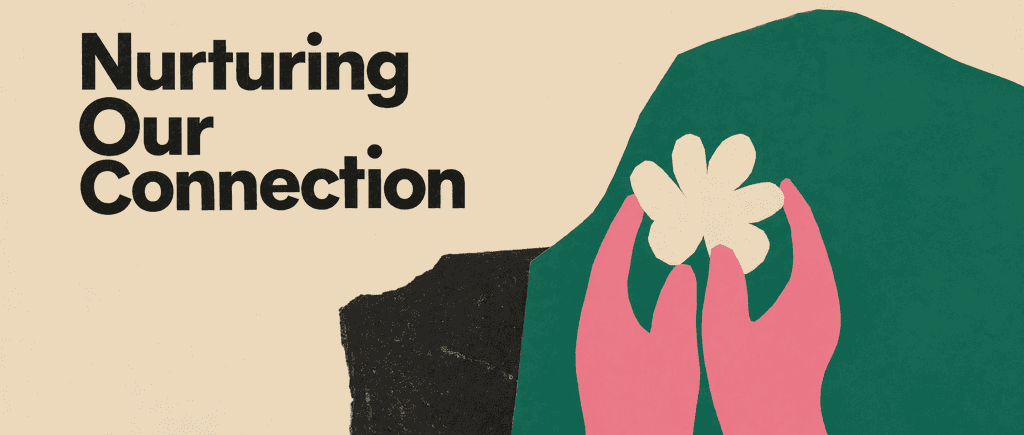
The Introvert’s Heart: Navigating Your Wife’s Quiet World
Learn why your wife’s need for solitude isn't a rejection, but a biological necessity. This guide helps you decode her social energy tank and transform quiet space into a deeper, more intimate connection.

Лучшая цитата из The Introvert’s Heart: Navigating Your Wife’s Quiet World
Respect the space, and you get the depth. It’s a shift from seeing space as a 'wall' to seeing it as a 'bridge' that allows her to be her fullest self when you are together.
Generated by Anthony Bartman
"understand my wife's emotional needs as an introvert,

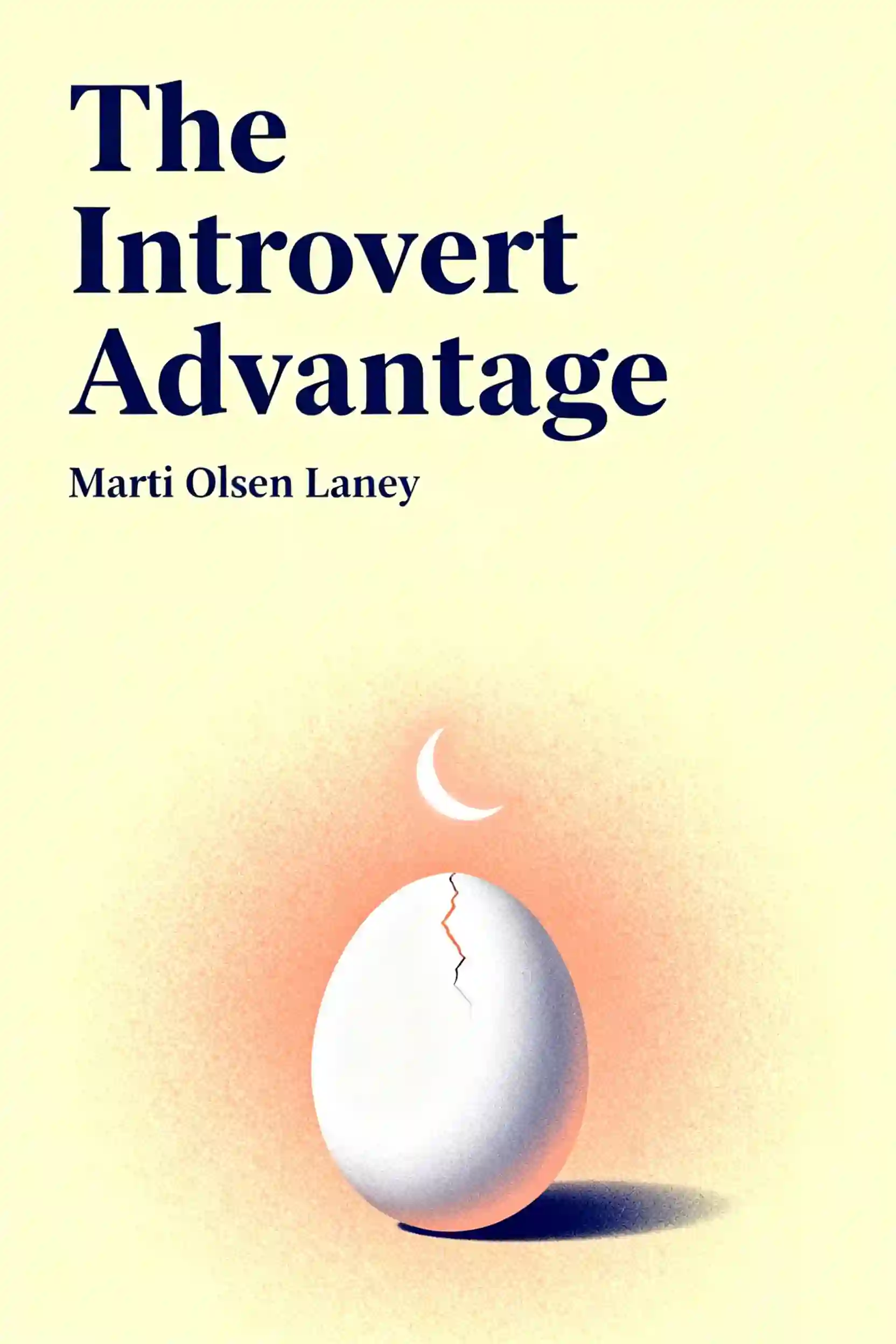
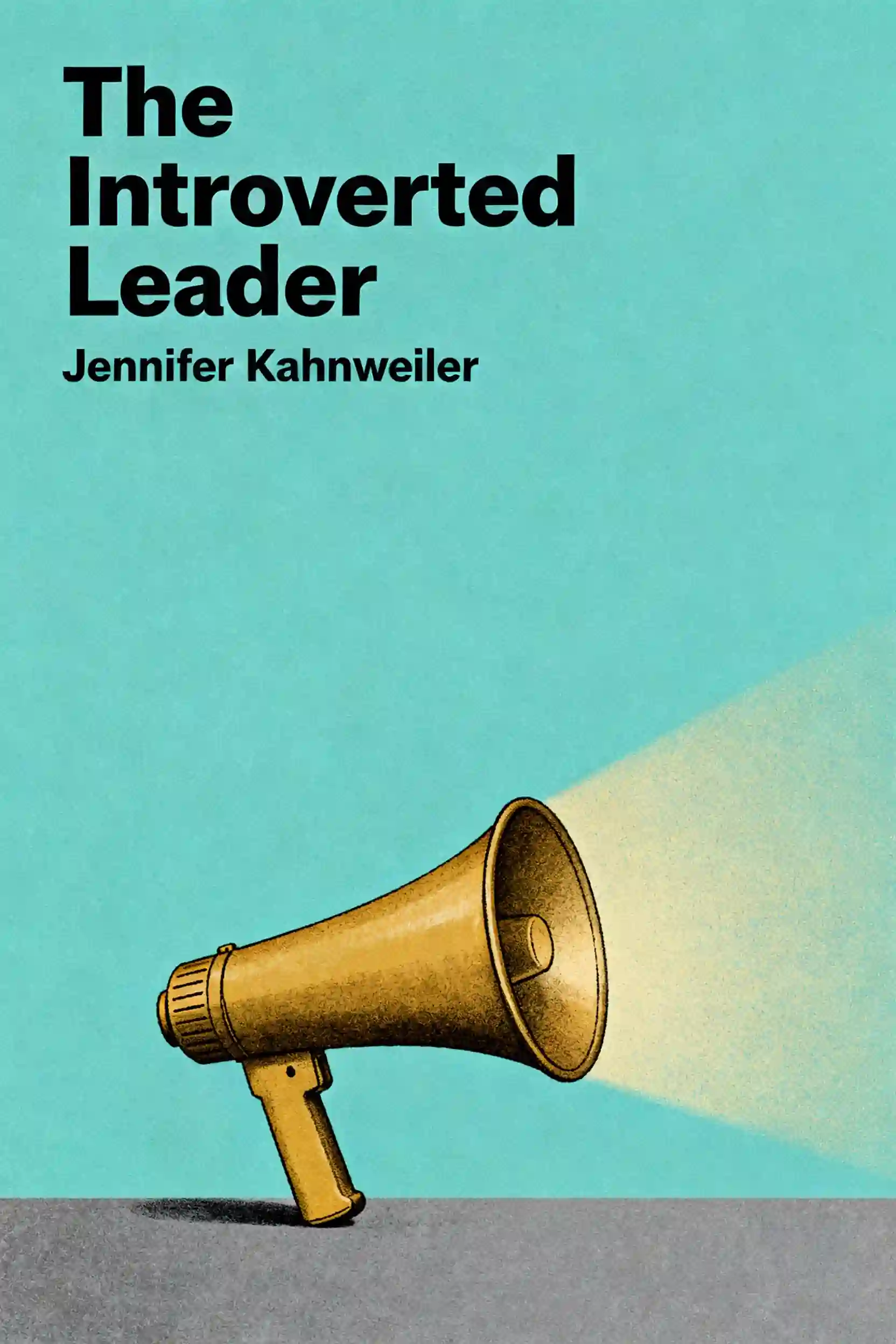
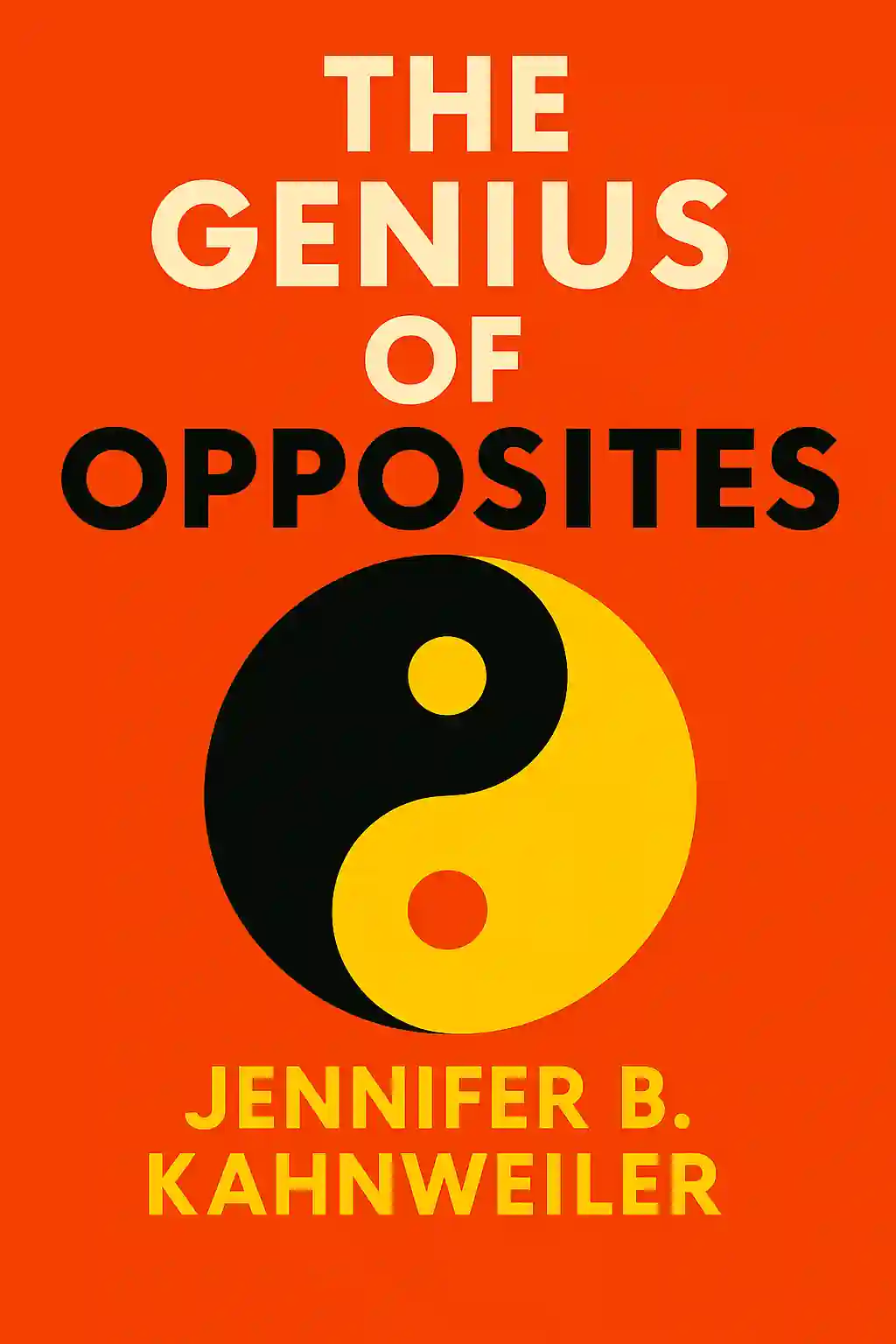


Часто задаваемые вопросы
The need for solitude is not a rejection of a partner or a sign of a character flaw; it is a biological necessity rooted in how introverts are wired. Introverts have a "social energy tank" that is drained by interaction and sensory input, such as bright lights or loud noises. Spending time alone in a "zen zone" is a vital maintenance activity that allows them to refill this tank, process their emotions, and avoid an "introvert hangover" or total shutdown.
Introverted intuitive types often process emotional information through extended internal reflection rather than immediate external responses. While an extrovert might "think while talking," an introvert is often running through implications and identifying core needs under the surface. This "processing delay" is actually a form of heavy lifting where they are building a sustainable strategy for the relationship. Their silence is often where the most significant emotional work is happening.
For many introverts, intellectual connection is a primary form of emotional intimacy. Sharing a complex idea, collaborating on a strategic problem, or engaging in a deep discussion about abstract concepts is their version of a love letter. They often prefer "intellectual exchange" over direct emotional disclosure or "performance." When an introvert invites a partner into their inner world of thoughts, it is a significant sign of trust and vulnerability.
Partners can act as a "buffer" by establishing an "escape hatch protocol," which includes agreed-upon exit strategies or code words for when the introvert's social battery is empty. Other practical strategies include taking separate cars to events so the introvert has the autonomy to leave early, avoiding surprise visits, and planning "recovery days" after busy weekends. These actions show the introvert that their partner values their nature and is a teammate in managing their energy budget.
Conflict should be approached calmly, using "I" statements to avoid triggering a defensive shutdown. It is crucial to respect the "24-hour rule," giving the introvert space to reflect privately on a disagreement before requiring a resolution. Pushing for an immediate response can lead to mental spirals or "artificial" compliance just to end the noise. Providing a predictable timeline for when the conversation will resume helps both partners feel secure and heard.
Создано выпускниками Колумбийского университета в Сан-Франциско
"Instead of endless scrolling, I just hit play on BeFreed. It saves me so much time."


"I never knew where to start with nonfiction—BeFreed’s book lists turned into podcasts gave me a clear path."


"Perfect balance between learning and entertainment. Finished ‘Thinking, Fast and Slow’ on my commute this week."
"Crazy how much I learned while walking the dog. BeFreed = small habits → big gains."
"Reading used to feel like a chore. Now it’s just part of my lifestyle."

"Feels effortless compared to reading. I’ve finished 6 books this month already."
"BeFreed turned my guilty doomscrolling into something that feels productive and inspiring."

"BeFreed turned my commute into learning time. 20-min podcasts are perfect for finishing books I never had time for."
"BeFreed replaced my podcast queue. Imagine Spotify for books — that’s it. 🙌"

"It is great for me to learn something from the book without reading it."
"The themed book list podcasts help me connect ideas across authors—like a guided audio journey."
"Makes me feel smarter every time before going to work"
Создано выпускниками Колумбийского университета в Сан-Франциско
"Instead of endless scrolling, I just hit play on BeFreed. It saves me so much time."
"I never knew where to start with nonfiction—BeFreed’s book lists turned into podcasts gave me a clear path."
"Perfect balance between learning and entertainment. Finished ‘Thinking, Fast and Slow’ on my commute this week."
"Crazy how much I learned while walking the dog. BeFreed = small habits → big gains."
"Reading used to feel like a chore. Now it’s just part of my lifestyle."
"Feels effortless compared to reading. I’ve finished 6 books this month already."
"BeFreed turned my guilty doomscrolling into something that feels productive and inspiring."
"BeFreed turned my commute into learning time. 20-min podcasts are perfect for finishing books I never had time for."
"BeFreed replaced my podcast queue. Imagine Spotify for books — that’s it. 🙌"
"It is great for me to learn something from the book without reading it."
"The themed book list podcasts help me connect ideas across authors—like a guided audio journey."
"Makes me feel smarter every time before going to work"
"Instead of endless scrolling, I just hit play on BeFreed. It saves me so much time."
"I never knew where to start with nonfiction—BeFreed’s book lists turned into podcasts gave me a clear path."
"Perfect balance between learning and entertainment. Finished ‘Thinking, Fast and Slow’ on my commute this week."
"Crazy how much I learned while walking the dog. BeFreed = small habits → big gains."
"Reading used to feel like a chore. Now it’s just part of my lifestyle."
"Feels effortless compared to reading. I’ve finished 6 books this month already."
"BeFreed turned my guilty doomscrolling into something that feels productive and inspiring."
"BeFreed turned my commute into learning time. 20-min podcasts are perfect for finishing books I never had time for."
"BeFreed replaced my podcast queue. Imagine Spotify for books — that’s it. 🙌"
"It is great for me to learn something from the book without reading it."
"The themed book list podcasts help me connect ideas across authors—like a guided audio journey."
"Makes me feel smarter every time before going to work"
"Instead of endless scrolling, I just hit play on BeFreed. It saves me so much time."
"I never knew where to start with nonfiction—BeFreed’s book lists turned into podcasts gave me a clear path."
"Perfect balance between learning and entertainment. Finished ‘Thinking, Fast and Slow’ on my commute this week."
"Crazy how much I learned while walking the dog. BeFreed = small habits → big gains."
"Reading used to feel like a chore. Now it’s just part of my lifestyle."
"Feels effortless compared to reading. I’ve finished 6 books this month already."
"BeFreed turned my guilty doomscrolling into something that feels productive and inspiring."
"BeFreed turned my commute into learning time. 20-min podcasts are perfect for finishing books I never had time for."
"BeFreed replaced my podcast queue. Imagine Spotify for books — that’s it. 🙌"
"It is great for me to learn something from the book without reading it."
"The themed book list podcasts help me connect ideas across authors—like a guided audio journey."
"Makes me feel smarter every time before going to work"