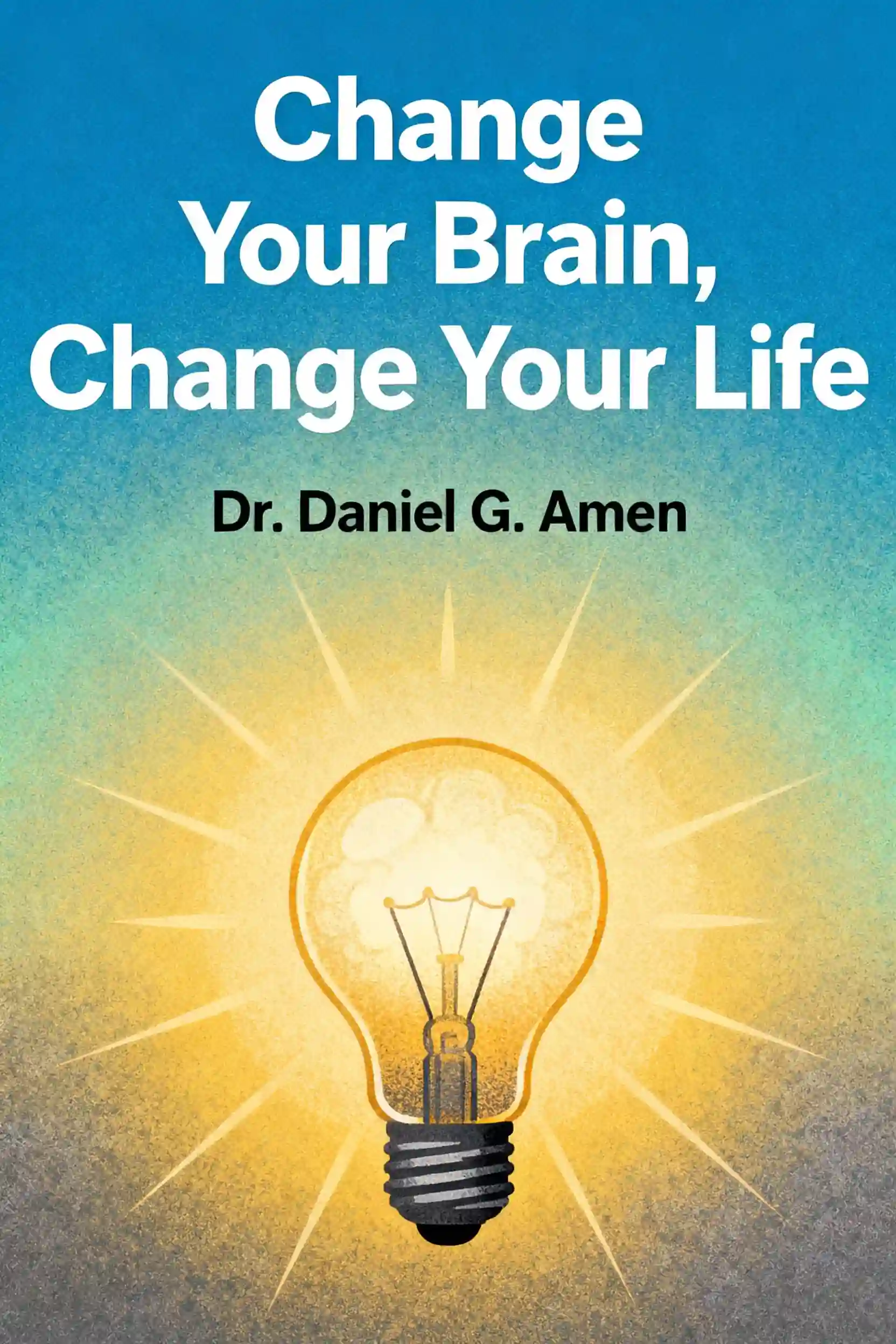
We treat sleep like a shutdown, but your brain is actually busy processing emotions. Learn how this dynamic network organizes itself to create who you are.
Лучшая цитата из The brain is more active than you think
“
The self is actually the pattern of how we flow through our mental landscape; it’s like a river where the identity isn't the water or the bank, but the movement of the water through the bank.
”
L
Generated by Lucho
Вопрос для ввода
The brain
Голоса ведущих
Lena
Miles
Источники знаний
Часто задаваемые вопросы
Self-organization refers to the brain's ability to create complex, orderly patterns of activity without a central "boss" or master neuron directing every cell. Much like a flock of birds moving in perfect sync without a leader, the brain uses its physical connections—the functional connectome—to create "attractors." These attractors are specific patterns of neural activity that the brain naturally gravitates toward, allowing 100 billion neurons to coordinate into meaningful thoughts rather than random noise.
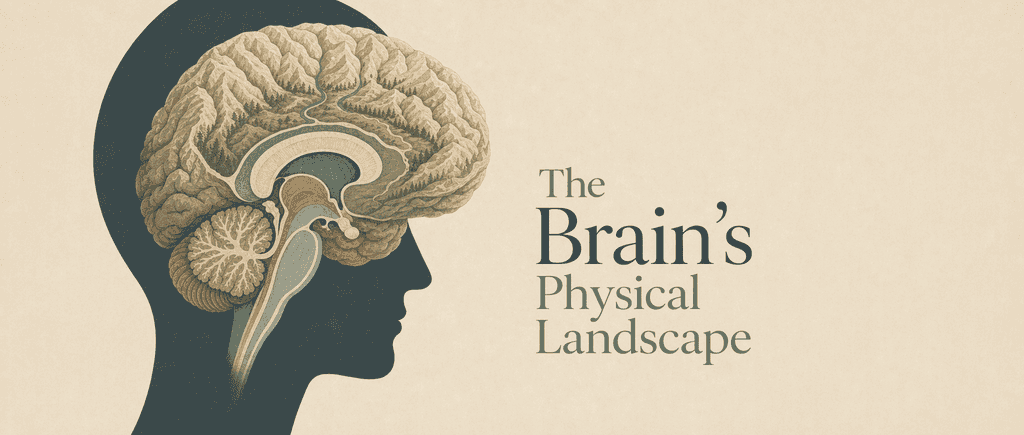
Attractor states can be visualized as "valleys" or "grooves" in a mental landscape. When the brain’s activity begins, it naturally "flows" into these stable valleys. These states represent different mental modes, such as a "resting state" or a "problem-solving state." The brain stays organized by making these attractors "orthogonal," meaning they are mathematically distinct and do not overlap. This ensures that when the brain is in one state, such as "performing a task," it doesn't accidentally trigger a different, unrelated state.
The brain is "stochastic," meaning it possesses a constant jiggle of energy or "noise" that prevents us from getting stuck in a single thought forever. This noise provides the "kick" necessary to push our mental "marble" out of one valley and into another. Additionally, chemicals called neuropeptides act like the "weather" or "atmosphere" of the brain. Unlike fast-acting neurotransmitters, neuropeptides diffuse slowly and can change the "depth" or "friction" of the valleys, making certain mental states—like anxiety or calm—easier or harder to exit.
Yes, through a process described as "mental gardening" or "landscaping," humans can influence their neural trajectories. Because the brain follows a "predictive coding-based learning rule," consistently practicing certain mental states—like focus or gratitude—actually deepens those specific "valleys" over time, making them the most energy-efficient paths for the brain to take. We can also use "environmental nudges," such as changing our surroundings or practicing cognitive shifts, to push our mental activity out of negative, "sticky" attractors and back toward a healthy resting state.
This framework views these conditions as "different geometries" rather than "broken parts." In chronic pain, the "pain valley" may become so deep that the brain’s activity struggles to roll back to the "home" or resting state, even after the physical injury has healed. In the case of autism, research suggests that the "flow fields" or "currents" that pull the brain toward certain states, such as social processing, might be shaped differently, leading the brain to spend more or less time in specific attractor basins compared to a typically developing brain.
Создано выпускниками Колумбийского университета | в Сан-Франциско
BeFreed объединяет глобальное сообщество любознательных людей
4.7
средняя оценка
Более 7,84 тыс. оценок приложения
Сообщество BeFreed
Честно говоря, я ещё даже не изучила приложение полностью, но за последние несколько дней оно меня по-настоящему впечатлило… BeFreed — совсем другой уровень по сравнению с любыми учебными приложениями, которыми я пользовалась. Оно невероятно увлекает и действительно улучшает концентрацию — то, что нужно всем, кто бесконечно листает ленту!
@ladyInfinity
Я купил BeFreed ровно 23 дня назад и с тех пор пользуюсь им каждый день. Оно полностью встроилось в мой рабочий процесс и привычку учиться.
@jayallen
Честно говоря, приложение превзошло все мои ожидания. Я могу попросить его сгенерировать аудио на любую тему, какой бы она ни была, и результат впечатляет. Моя профессиональная область — специализация в психотерапии, она мультидисциплинарная, но ответы очень точные.
@Raguipa
Больше всего я ценю то, насколько меньше я стал листать ленту: меньше времени уходит на поиск и больше — на усвоение информации. Сочетание полных аудиокниг, подкастов и планов обучения — блестящее.
@colonyofcreatorsNGO
Я уже 24 года работаю инструктором ускоренного обучения PhotoReading… книги, чтение и обучение — моя стихия, и BeFreed отлично справился, предложив инновационный подход к подаче информации в лёгкой для восприятия форме.
@BeFreed user
Это не просто приложение с кратким содержанием книг: я попробовал режим «весёлого чтения», и это гораздо лучший пересказ и способ схватывать идеи, чем традиционный. Уже ради одного этого оно того стоит.
@austinakon
Обожаю это приложение. Пользуюсь несколько дней и не могу перестать слушать. Отличный способ начать.
@jcrules328
Мне очень нравится это приложение; я тестирую его уже около месяца и считаю настоящей находкой. Оно отлично работает, потому что в BeFreed можно создавать собственные темы, а голос замечательный — с безграничным выбором озвучек.
@DanielCZ
Честно говоря, я ещё даже не изучила приложение полностью, но за последние несколько дней оно меня по-настоящему впечатлило… BeFreed — совсем другой уровень по сравнению с любыми учебными приложениями, которыми я пользовалась. Оно невероятно увлекает и действительно улучшает концентрацию — то, что нужно всем, кто бесконечно листает ленту!
@ladyInfinity
Я купил BeFreed ровно 23 дня назад и с тех пор пользуюсь им каждый день. Оно полностью встроилось в мой рабочий процесс и привычку учиться.
@jayallen
Честно говоря, приложение превзошло все мои ожидания. Я могу попросить его сгенерировать аудио на любую тему, какой бы она ни была, и результат впечатляет. Моя профессиональная область — специализация в психотерапии, она мультидисциплинарная, но ответы очень точные.
@Raguipa
Больше всего я ценю то, насколько меньше я стал листать ленту: меньше времени уходит на поиск и больше — на усвоение информации. Сочетание полных аудиокниг, подкастов и планов обучения — блестящее.
@colonyofcreatorsNGO
Я уже 24 года работаю инструктором ускоренного обучения PhotoReading… книги, чтение и обучение — моя стихия, и BeFreed отлично справился, предложив инновационный подход к подаче информации в лёгкой для восприятия форме.
@BeFreed user
Это не просто приложение с кратким содержанием книг: я попробовал режим «весёлого чтения», и это гораздо лучший пересказ и способ схватывать идеи, чем традиционный. Уже ради одного этого оно того стоит.
@austinakon
Обожаю это приложение. Пользуюсь несколько дней и не могу перестать слушать. Отличный способ начать.
@jcrules328
Мне очень нравится это приложение; я тестирую его уже около месяца и считаю настоящей находкой. Оно отлично работает, потому что в BeFreed можно создавать собственные темы, а голос замечательный — с безграничным выбором озвучек.
@DanielCZ
Мне очень нравится, что полезную, сжатую информацию и идеи можно получить в виде аудио в стиле подкаста на 8–15 минут. Я не большой фанат подкастов из-за «воды», но здесь её нет совсем.
@BeFreed user
Я заканчиваю докторскую и вынужден читать много незнакомого материала… В BeFreed достаточно ввести запрос — приложение само находит источники и создаёт аудиоподкаст. Мне процесс в BeFreed кажется удобнее, чем в NotebookLM.
@Brad
Я часто ищу на YouTube, что послушать за завтраком, на прогулке или по дороге на работу, и BeFreed предлагает ещё более точный подход — без рекламы и без «воды»!
@BeFreed user
Самое лучшее в этой платформе — её универсальность. Нет буквально ни одной темы, которая была бы ей не по зубам. Она справляется со всем, что ей даёшь… Редко встретишь учебный инструмент без ограничений, который действительно выполняет обещания.
@jayallen
BeFreed — потрясающее приложение. Благодаря удобному дизайну я трачу меньше времени на навигацию и больше — на учёбу. Сочетание аудиокниг, подкастов и планов обучения — гениальная комбинация, которая полностью изменила мой распорядок дня.
@BeFreed user
Сначала мне понадобилось время, чтобы разобраться, как создавать подкасты на итальянском, а потом — бум! Это же великолепно! Можно попросить объяснить любую тему, и он делает это отлично и очень умно!
@matteo77
BeFreed стал моим ежедневным приложением для аудиокниг… Больше всего мне нравится, что ты вставляешь свой текст — и получаешь аудио, которое можно слушать на ходу.
@kotanzu1
Мне очень нравится, что полезную, сжатую информацию и идеи можно получить в виде аудио в стиле подкаста на 8–15 минут. Я не большой фанат подкастов из-за «воды», но здесь её нет совсем.
@BeFreed user
Я заканчиваю докторскую и вынужден читать много незнакомого материала… В BeFreed достаточно ввести запрос — приложение само находит источники и создаёт аудиоподкаст. Мне процесс в BeFreed кажется удобнее, чем в NotebookLM.
@Brad
Я часто ищу на YouTube, что послушать за завтраком, на прогулке или по дороге на работу, и BeFreed предлагает ещё более точный подход — без рекламы и без «воды»!
@BeFreed user
Самое лучшее в этой платформе — её универсальность. Нет буквально ни одной темы, которая была бы ей не по зубам. Она справляется со всем, что ей даёшь… Редко встретишь учебный инструмент без ограничений, который действительно выполняет обещания.
@jayallen
BeFreed — потрясающее приложение. Благодаря удобному дизайну я трачу меньше времени на навигацию и больше — на учёбу. Сочетание аудиокниг, подкастов и планов обучения — гениальная комбинация, которая полностью изменила мой распорядок дня.
@BeFreed user
Сначала мне понадобилось время, чтобы разобраться, как создавать подкасты на итальянском, а потом — бум! Это же великолепно! Можно попросить объяснить любую тему, и он делает это отлично и очень умно!
@matteo77
BeFreed стал моим ежедневным приложением для аудиокниг… Больше всего мне нравится, что ты вставляешь свой текст — и получаешь аудио, которое можно слушать на ходу.
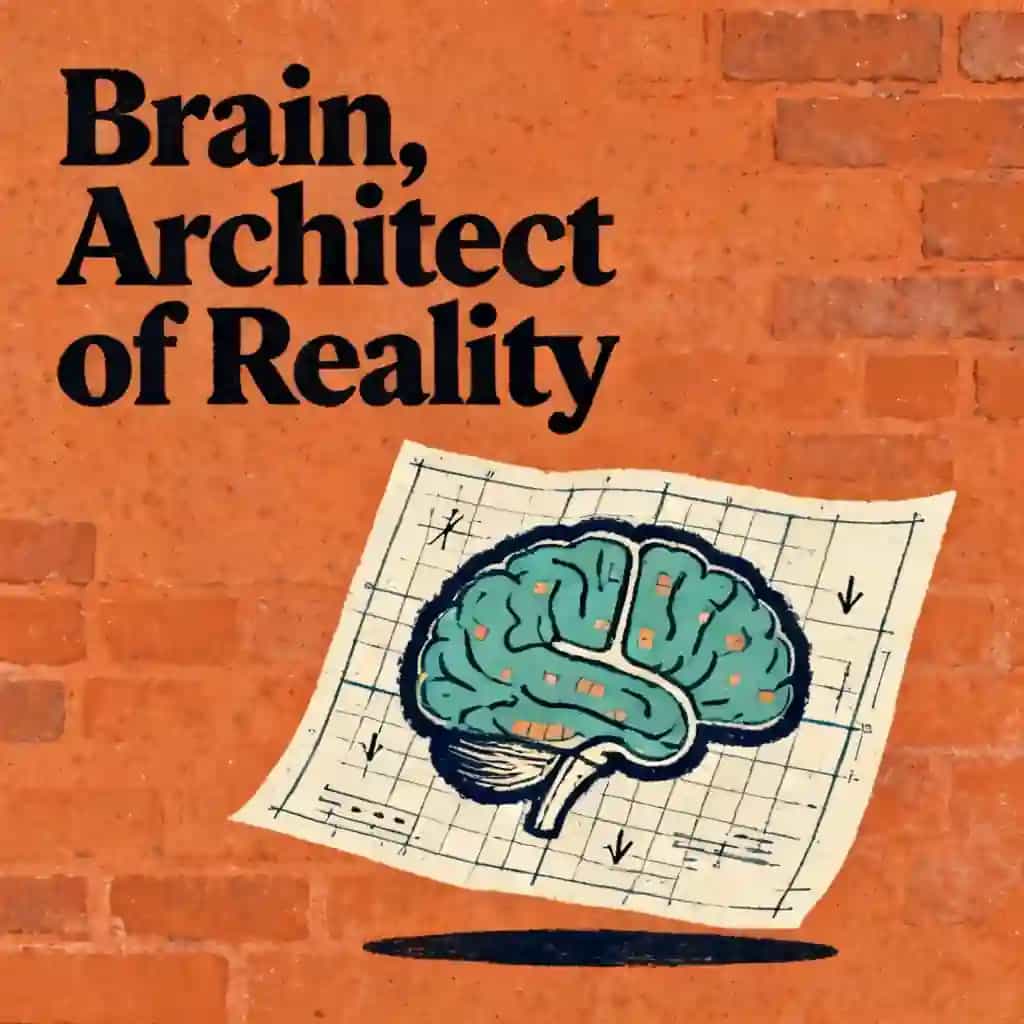
We often ignore the complex organ shaping our every thought. Explore how 80 billion neurons build your world and how to keep this command center resilient.
Discover how your dreams aren't random noise but sophisticated neural maintenance-rewiring emotions and consolidating memories. Drawing from Matthew Walker's research, Rosalind Cartwright's pioneering work, and breakthrough studies on lucid dreaming, learn how your sleeping brain might solve problems your waking mind cannot.
Explore how psychology and neuroscience merged to reveal that your thoughts, emotions, and memories are all brain activity - transforming our understanding of human experience.
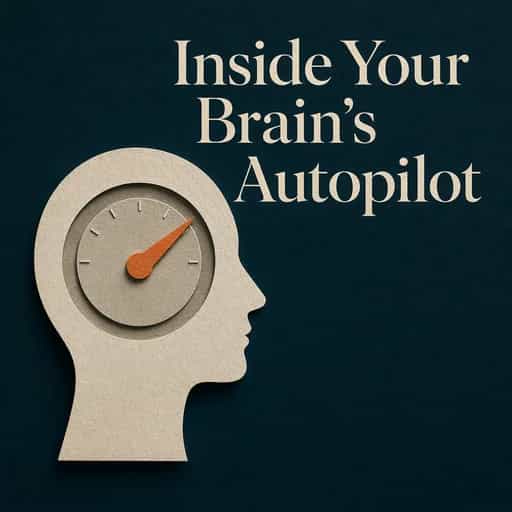
Discover how your brain functions as a prediction machine, not just a processor. Drawing from Lisa Feldman Barrett's groundbreaking research, Andrew Huberman's neuroscience insights, and studies on neuroplasticity, learn practical ways to harness your brain's remarkable ability to adapt and grow.
Discover why the cerebellum holds 80% of your neurons and how this 'predictive powerhouse' evolves beyond movement to master complex thought and social intuition.