Tactical Empathy in Negotiation: Beyond Active Listening
Learn how tactical empathy moves beyond basic active listening to de-escalate tension and influence high-stakes negotiations using hostage negotiation techniques.

Лучшая цитата из Tactical Empathy in Negotiation: Beyond Active Listening
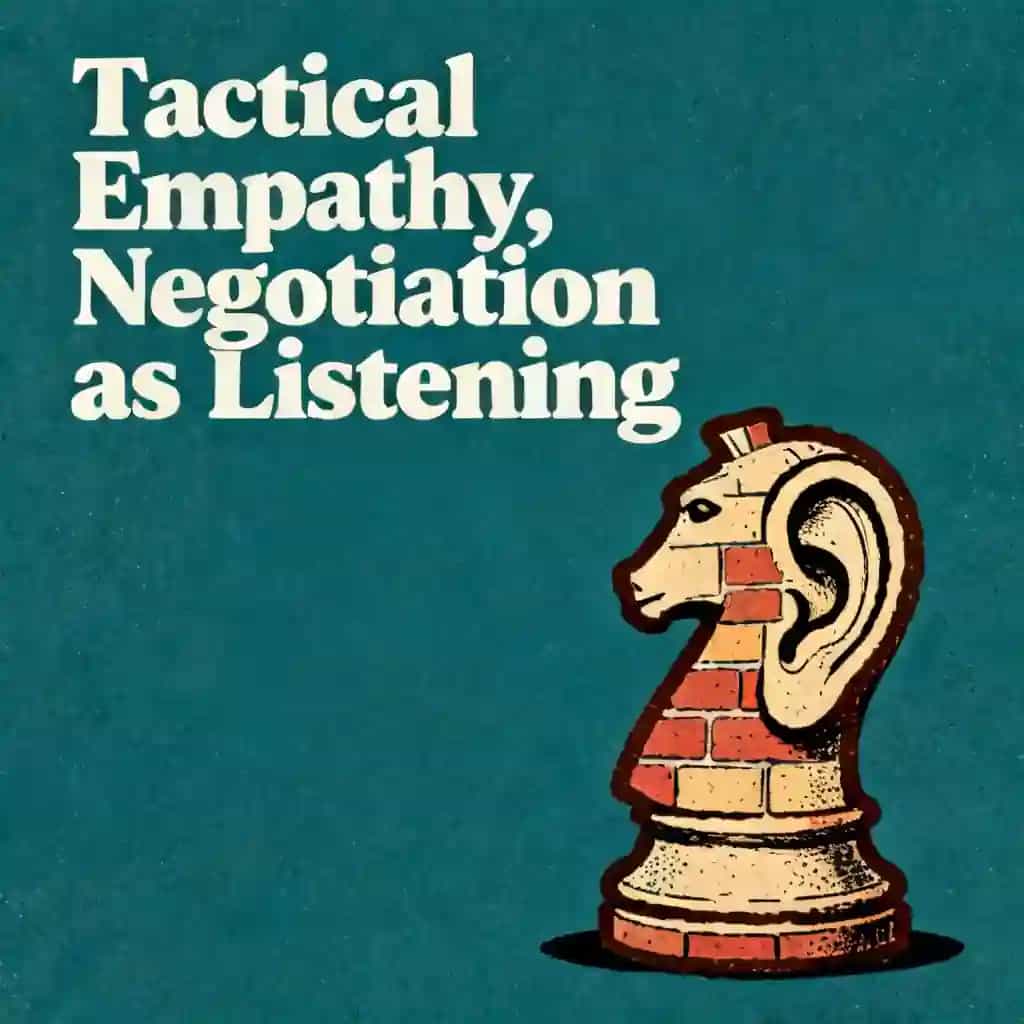
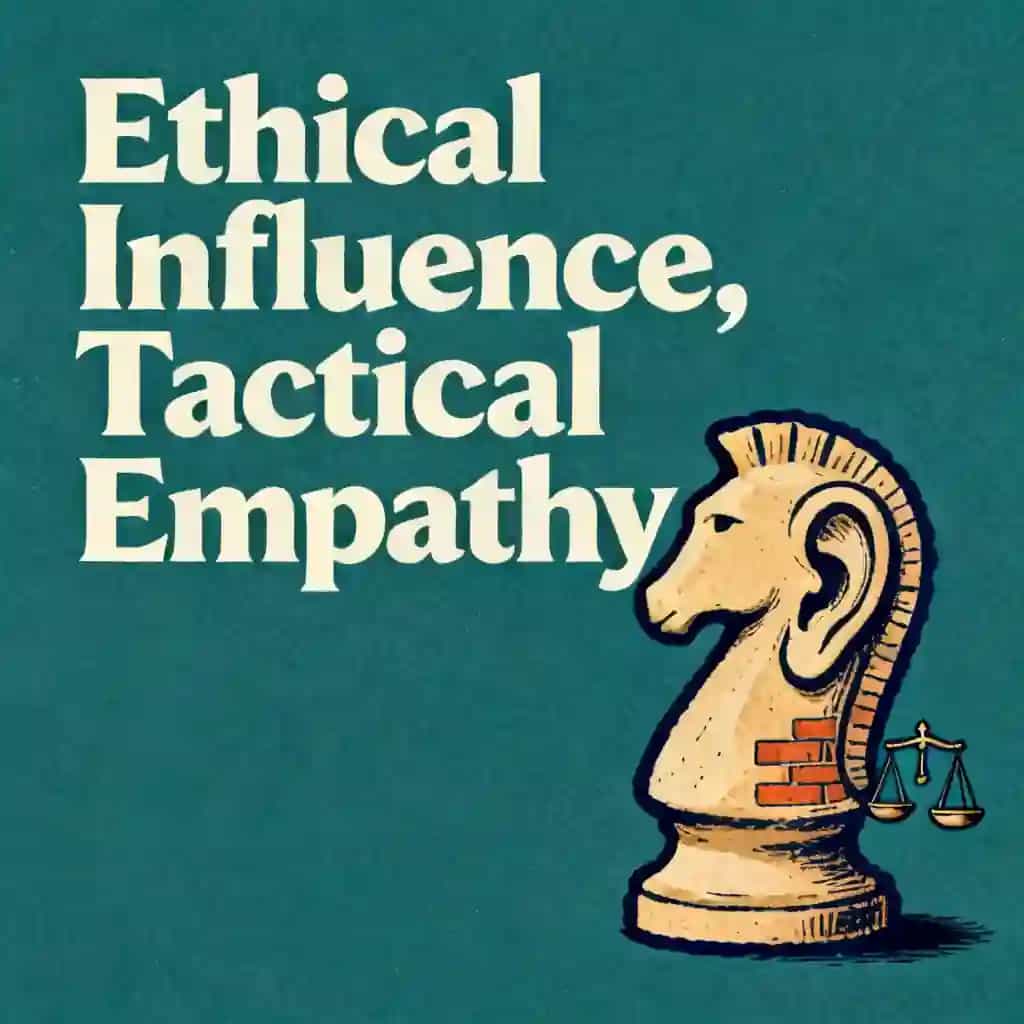
Tactical empathy is not about being nice; it is the deliberate use of emotional understanding to de-escalate tension and move from a posture of 'preparing to respond' to a posture of 'reflecting to understand.'

Этот аудиоурок был создан участником сообщества BeFreed
This lesson is part of the learning plan: 'Hear What Isn't Said'. Lesson topic: Tactical Empathy in Negotiation Overview: Standard active listening often feels like a script. By using mirroring and emotional labeling, you can uncover hidden motives and de-escalate tension. Key insights to cover in order: 1. Tactical empathy involves naming the perceived emotions of the other party to increase influence and de-escalate tension. 2. Mirroring the last few words of a speaker in a questioning tone prompts them to elaborate without feeling interrogated. 3. Understanding the other side's frame of reference is the fastest way to establish the landscape for a successful negotiation. Listener profile: - Learning goal: improve communication skills through active listening - Background knowledge: I have had active listening training. - Guidance: Focus on practical active listening techniques and real-world application scenarios. Tailor examples, pacing, and depth to this listener. Avoid analogies or references that assume knowledge outside this listener's profile.





Часто задаваемые вопросы
Tactical empathy is a powerful communication layer coined by hostage negotiators that involves the deliberate use of emotional understanding. Unlike standard active listening, it is not simply about being nice; it is a strategic tool used to de-escalate tension and influence the outcome of high-stakes conversations. By naming the perceived emotions of the other party, you can move beyond procedural checklists to establish a landscape where a successful negotiation is actually possible.
Standard active listening often feels like a corporate script or theater, involving mechanical eye contact and nodding while mentally rehearsing a rebuttal. Tactical empathy goes further by focusing on what isn't being said. While the average person only retains 25 to 50 percent of a conversation, tactical empathy requires deep emotional intelligence to uncover hidden motives. It shifts the interaction from a procedural checklist to a genuine connection that uncovers the underlying drivers of the other party.
Emotional intelligence is critical because retention rates in normal conversations drop significantly when situations become emotional. Most people are merely hearing while waiting to speak, which prevents them from truly understanding the other side. Using tactical empathy allows negotiators to use de-escalation strategies effectively by recognizing and naming emotions. This deliberate approach helps manage the emotional landscape of the discussion, ensuring that you are not just following a script but are actively influencing the negotiation's direction.
Узнать больше

Listen more, talk less in conversations
Listen more, talk less in conversations
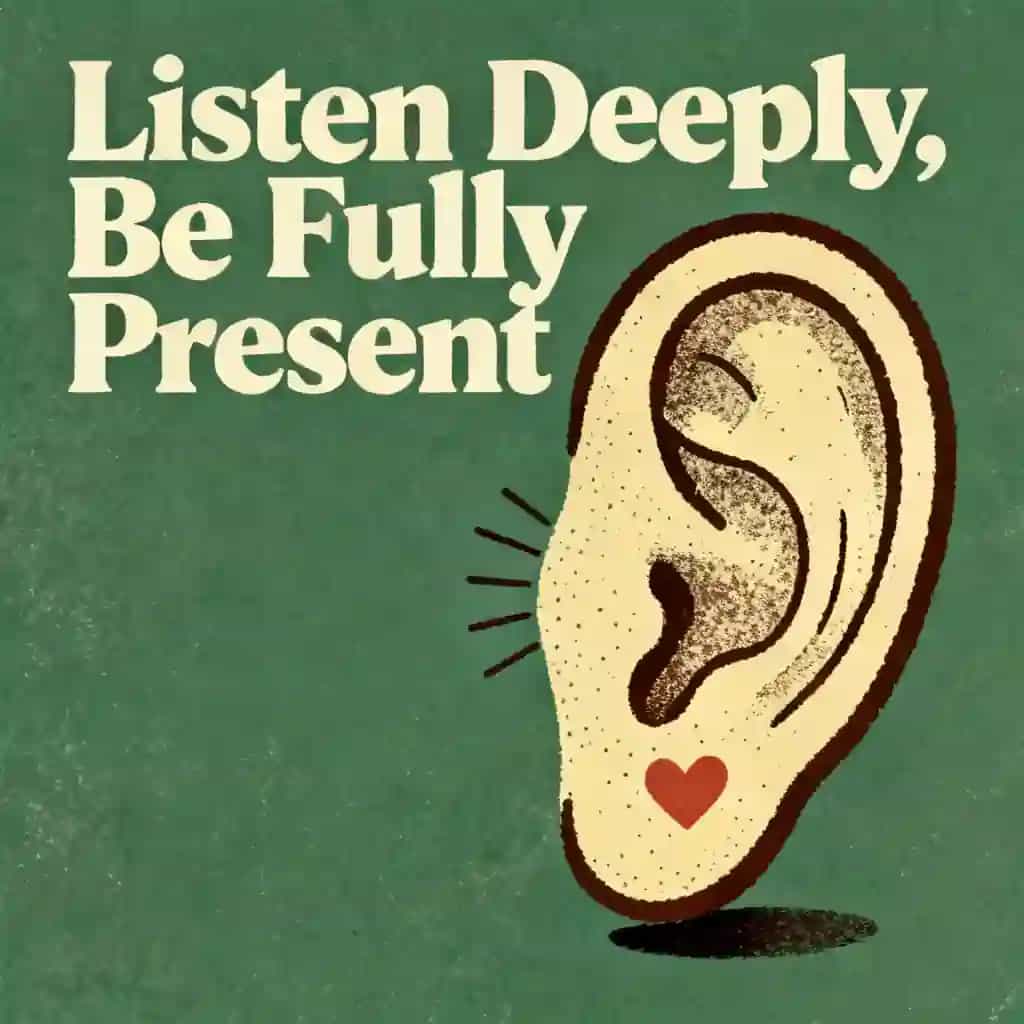
Effective communication is often hindered by our urge to speak rather than understand. This plan is ideal for professionals and individuals seeking to improve their emotional intelligence and resolve conflicts through the power of active, mindful listening.

Master social cues, empathy, and negotiation
Master social cues, empathy, and negotiation
In today's interconnected world, the ability to navigate complex social dynamics is a critical competitive advantage. This plan is designed for professionals and leaders who want to master the art of human interaction, from silent body language to high-stakes boardroom negotiations.

Identify negotiation intent quickly
Identify negotiation intent quickly
This learning plan is essential for professionals who need to navigate complex power dynamics and high-stakes deals. It is ideal for executives, sales leaders, and mediators looking to gain a psychological edge by reading people and uncovering hidden motives in real-time.
Being better at listening.
Being better at listening.
Effective communication is often hindered by a lack of genuine presence and understanding. This plan is ideal for professionals, leaders, and individuals looking to deepen their personal relationships by mastering the art of empathetic and active engagement.

Read body language and minipulation
Read body language and minipulation
In an era of complex social dynamics, the ability to decode silent signals is a critical superpower for leadership and self-defense. This plan is essential for professionals, negotiators, and anyone looking to safeguard themselves against manipulation while mastering the art of ethical persuasion.
Understand others mental processes
Understand others mental processes
This plan bridges the gap between cognitive neuroscience and practical social skills, offering a blueprint for high-level interpersonal influence. It is essential for leaders, negotiators, and anyone looking to master the art of reading people and predicting behavior in professional settings.
Spot subtle signs of dislike
Spot subtle signs of dislike
In professional and personal settings, what people say often masks how they truly feel. This learning plan is essential for leaders, negotiators, and anyone looking to enhance their social intuition by mastering the science of nonverbal cues.

How to learn empathy
How to learn empathy
In our increasingly disconnected world, empathy serves as a bridge to deeper human connection and understanding. This learning plan benefits anyone seeking to enhance their personal and professional relationships through improved emotional intelligence and compassionate communication skills.
Создано выпускниками Колумбийского университета в Сан-Франциско
"Instead of endless scrolling, I just hit play on BeFreed. It saves me so much time."


"I never knew where to start with nonfiction—BeFreed’s book lists turned into podcasts gave me a clear path."


"Perfect balance between learning and entertainment. Finished ‘Thinking, Fast and Slow’ on my commute this week."
"Crazy how much I learned while walking the dog. BeFreed = small habits → big gains."
"Reading used to feel like a chore. Now it’s just part of my lifestyle."

"Feels effortless compared to reading. I’ve finished 6 books this month already."
"BeFreed turned my guilty doomscrolling into something that feels productive and inspiring."

"BeFreed turned my commute into learning time. 20-min podcasts are perfect for finishing books I never had time for."
"BeFreed replaced my podcast queue. Imagine Spotify for books — that’s it. 🙌"

"It is great for me to learn something from the book without reading it."
"The themed book list podcasts help me connect ideas across authors—like a guided audio journey."
"Makes me feel smarter every time before going to work"
Создано выпускниками Колумбийского университета в Сан-Франциско
"Instead of endless scrolling, I just hit play on BeFreed. It saves me so much time."
"I never knew where to start with nonfiction—BeFreed’s book lists turned into podcasts gave me a clear path."
"Perfect balance between learning and entertainment. Finished ‘Thinking, Fast and Slow’ on my commute this week."
"Crazy how much I learned while walking the dog. BeFreed = small habits → big gains."
"Reading used to feel like a chore. Now it’s just part of my lifestyle."
"Feels effortless compared to reading. I’ve finished 6 books this month already."
"BeFreed turned my guilty doomscrolling into something that feels productive and inspiring."
"BeFreed turned my commute into learning time. 20-min podcasts are perfect for finishing books I never had time for."
"BeFreed replaced my podcast queue. Imagine Spotify for books — that’s it. 🙌"
"It is great for me to learn something from the book without reading it."
"The themed book list podcasts help me connect ideas across authors—like a guided audio journey."
"Makes me feel smarter every time before going to work"
"Instead of endless scrolling, I just hit play on BeFreed. It saves me so much time."
"I never knew where to start with nonfiction—BeFreed’s book lists turned into podcasts gave me a clear path."
"Perfect balance between learning and entertainment. Finished ‘Thinking, Fast and Slow’ on my commute this week."
"Crazy how much I learned while walking the dog. BeFreed = small habits → big gains."
"Reading used to feel like a chore. Now it’s just part of my lifestyle."
"Feels effortless compared to reading. I’ve finished 6 books this month already."
"BeFreed turned my guilty doomscrolling into something that feels productive and inspiring."
"BeFreed turned my commute into learning time. 20-min podcasts are perfect for finishing books I never had time for."
"BeFreed replaced my podcast queue. Imagine Spotify for books — that’s it. 🙌"
"It is great for me to learn something from the book without reading it."
"The themed book list podcasts help me connect ideas across authors—like a guided audio journey."
"Makes me feel smarter every time before going to work"
"Instead of endless scrolling, I just hit play on BeFreed. It saves me so much time."
"I never knew where to start with nonfiction—BeFreed’s book lists turned into podcasts gave me a clear path."
"Perfect balance between learning and entertainment. Finished ‘Thinking, Fast and Slow’ on my commute this week."
"Crazy how much I learned while walking the dog. BeFreed = small habits → big gains."
"Reading used to feel like a chore. Now it’s just part of my lifestyle."
"Feels effortless compared to reading. I’ve finished 6 books this month already."
"BeFreed turned my guilty doomscrolling into something that feels productive and inspiring."
"BeFreed turned my commute into learning time. 20-min podcasts are perfect for finishing books I never had time for."
"BeFreed replaced my podcast queue. Imagine Spotify for books — that’s it. 🙌"
"It is great for me to learn something from the book without reading it."
"The themed book list podcasts help me connect ideas across authors—like a guided audio journey."
"Makes me feel smarter every time before going to work"