Semen retention: Superpower or medical myth?
Is holding back a health hack or a risk? We compare the seven-day testosterone peak with clinical data on prostate health to find a balanced approach.

Лучшая цитата из Semen retention: Superpower or medical myth?
The magic isn't in the semen—it’s in the discipline. The 'mental clarity' often comes from the fact that you’ve eliminated a compulsive, time-consuming habit and reclaimed your natural, healthy baseline.
Generated by Juan
Semen retantion Benefits and negatives

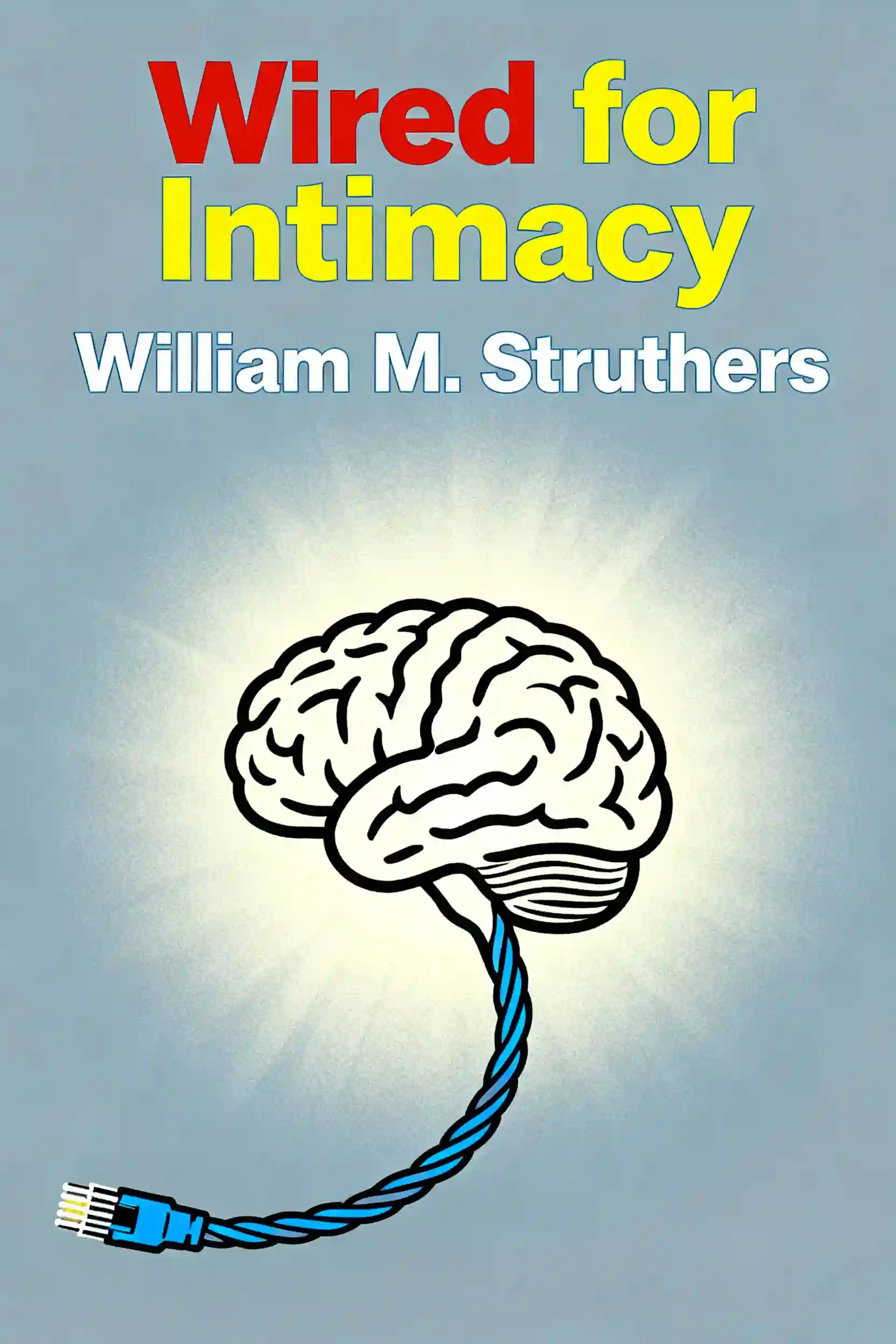
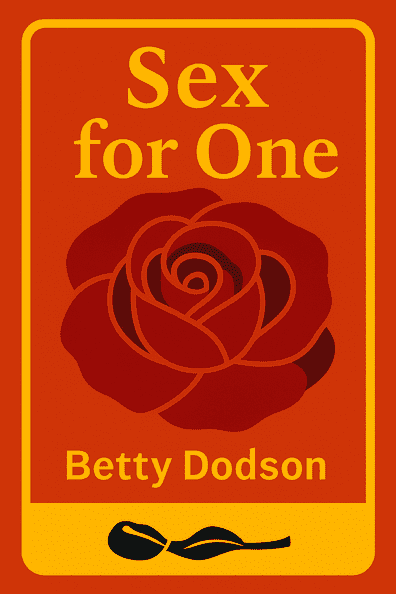
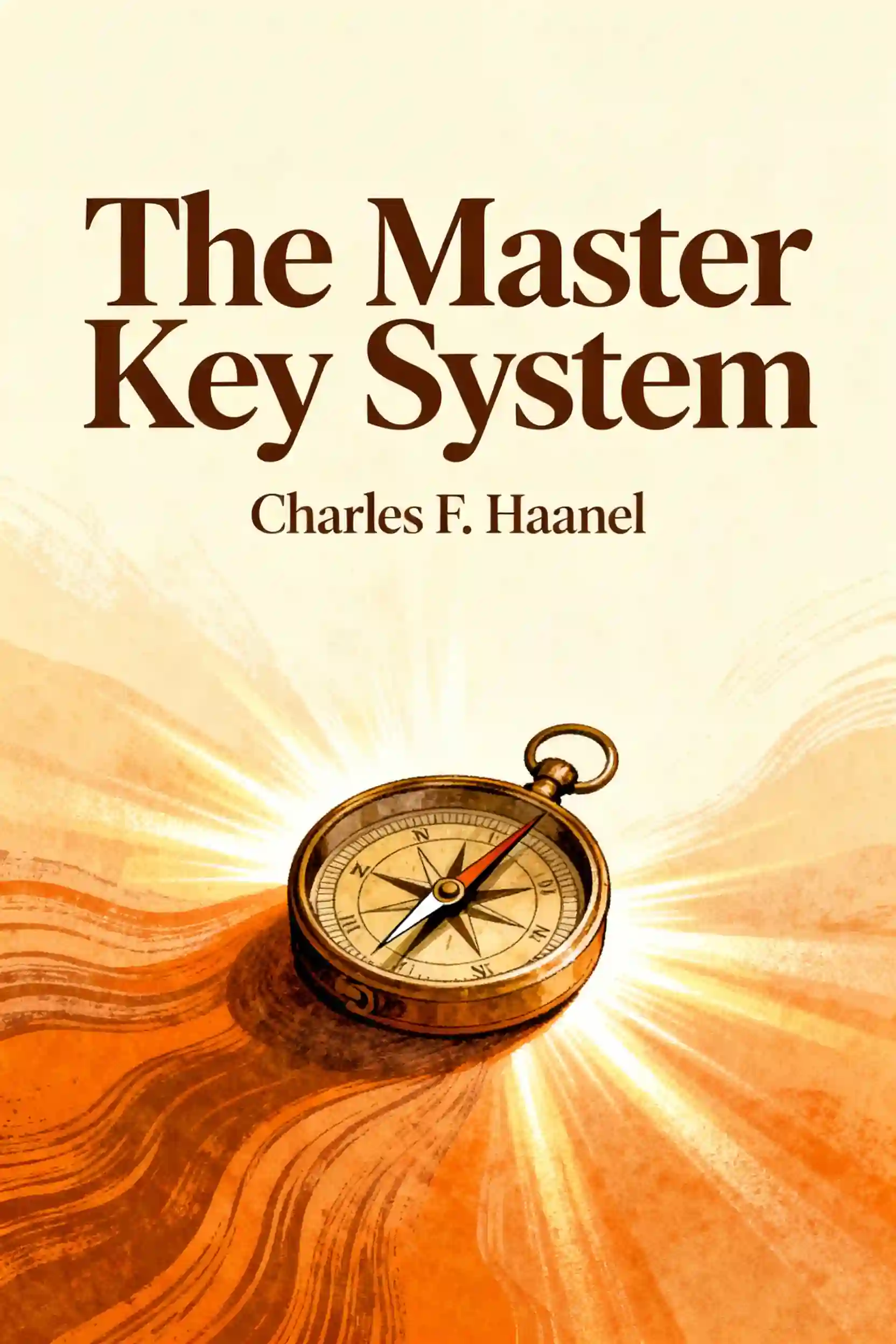
Часто задаваемые вопросы
The relationship between retention and testosterone is characterized by a temporary spike rather than a permanent increase. A well-known 2003 study found that serum testosterone levels reach a peak of approximately 145 percent of the baseline on the seventh day of abstinence. However, after this one-day surge, levels drop back down to the individual's natural baseline as the body recalibrates. Long-term studies do not support the claim that permanent abstinence leads to sustained higher testosterone; instead, factors like sleep, diet, and exercise have a more significant impact on hormonal health.
While short-term abstinence is generally harmless, long-term retention can lead to physical and reproductive issues. Frequent ejaculation—ideally around 21 times a month—is linked to a 20 to 30 percent lower risk of prostate cancer because it helps flush out potentially harmful pro-inflammatory agents from the prostate gland. Additionally, staying in a state of prolonged arousal without release can cause "epididymal hypertension," a dull ache commonly known as "blue balls." From a fertility standpoint, retaining for longer than ten days can lead to "sluggish" sperm with decreased motility and potential DNA fragmentation due to oxidative stress.
The perceived "superpowers" of focus and energy are often more psychological and neurological than hormonal. For individuals who have struggled with compulsive pornography use, retention acts as a "dopamine reset," breaking the cycle of massive dopamine surges followed by sharp crashes that cause brain fog and lethargy. Much of the "mental clarity" reported by practitioners is actually the result of reclaiming time and mental energy previously spent on compulsive habits. In many cases, the benefit comes from the discipline of the practice and the adoption of a healthier lifestyle rather than the biological preservation of semen itself.
Yes, clinical data suggests there is a "Goldilocks Zone" for sperm health, which typically falls between two and seven days of abstinence. During this window, men generally see an increase in sperm volume and concentration. However, the benefits peak early; once abstinence exceeds ten days, sperm quality begins to decline as the cells age, lose motility, and undergo decay. For those focused on fertility, the body functions best on a cycle of production and release rather than indefinite storage.
Создано выпускниками Колумбийского университета в Сан-Франциско
"Instead of endless scrolling, I just hit play on BeFreed. It saves me so much time."


"I never knew where to start with nonfiction—BeFreed’s book lists turned into podcasts gave me a clear path."


"Perfect balance between learning and entertainment. Finished ‘Thinking, Fast and Slow’ on my commute this week."
"Crazy how much I learned while walking the dog. BeFreed = small habits → big gains."
"Reading used to feel like a chore. Now it’s just part of my lifestyle."

"Feels effortless compared to reading. I’ve finished 6 books this month already."
"BeFreed turned my guilty doomscrolling into something that feels productive and inspiring."

"BeFreed turned my commute into learning time. 20-min podcasts are perfect for finishing books I never had time for."
"BeFreed replaced my podcast queue. Imagine Spotify for books — that’s it. 🙌"

"It is great for me to learn something from the book without reading it."
"The themed book list podcasts help me connect ideas across authors—like a guided audio journey."
"Makes me feel smarter every time before going to work"
 Ask ChatGPT
 Ask Claude
Создано выпускниками Колумбийского университета в Сан-Франциско
"Instead of endless scrolling, I just hit play on BeFreed. It saves me so much time."
"I never knew where to start with nonfiction—BeFreed’s book lists turned into podcasts gave me a clear path."
"Perfect balance between learning and entertainment. Finished ‘Thinking, Fast and Slow’ on my commute this week."
"Crazy how much I learned while walking the dog. BeFreed = small habits → big gains."
"Reading used to feel like a chore. Now it’s just part of my lifestyle."
"Feels effortless compared to reading. I’ve finished 6 books this month already."
"BeFreed turned my guilty doomscrolling into something that feels productive and inspiring."
"BeFreed turned my commute into learning time. 20-min podcasts are perfect for finishing books I never had time for."
"BeFreed replaced my podcast queue. Imagine Spotify for books — that’s it. 🙌"
"It is great for me to learn something from the book without reading it."
"The themed book list podcasts help me connect ideas across authors—like a guided audio journey."
"Makes me feel smarter every time before going to work"
"Instead of endless scrolling, I just hit play on BeFreed. It saves me so much time."
"I never knew where to start with nonfiction—BeFreed’s book lists turned into podcasts gave me a clear path."
"Perfect balance between learning and entertainment. Finished ‘Thinking, Fast and Slow’ on my commute this week."
"Crazy how much I learned while walking the dog. BeFreed = small habits → big gains."
"Reading used to feel like a chore. Now it’s just part of my lifestyle."
"Feels effortless compared to reading. I’ve finished 6 books this month already."
"BeFreed turned my guilty doomscrolling into something that feels productive and inspiring."
"BeFreed turned my commute into learning time. 20-min podcasts are perfect for finishing books I never had time for."
"BeFreed replaced my podcast queue. Imagine Spotify for books — that’s it. 🙌"
"It is great for me to learn something from the book without reading it."
"The themed book list podcasts help me connect ideas across authors—like a guided audio journey."
"Makes me feel smarter every time before going to work"
"Instead of endless scrolling, I just hit play on BeFreed. It saves me so much time."
"I never knew where to start with nonfiction—BeFreed’s book lists turned into podcasts gave me a clear path."
"Perfect balance between learning and entertainment. Finished ‘Thinking, Fast and Slow’ on my commute this week."
"Crazy how much I learned while walking the dog. BeFreed = small habits → big gains."
"Reading used to feel like a chore. Now it’s just part of my lifestyle."
"Feels effortless compared to reading. I’ve finished 6 books this month already."
"BeFreed turned my guilty doomscrolling into something that feels productive and inspiring."
"BeFreed turned my commute into learning time. 20-min podcasts are perfect for finishing books I never had time for."
"BeFreed replaced my podcast queue. Imagine Spotify for books — that’s it. 🙌"
"It is great for me to learn something from the book without reading it."
"The themed book list podcasts help me connect ideas across authors—like a guided audio journey."
"Makes me feel smarter every time before going to work"