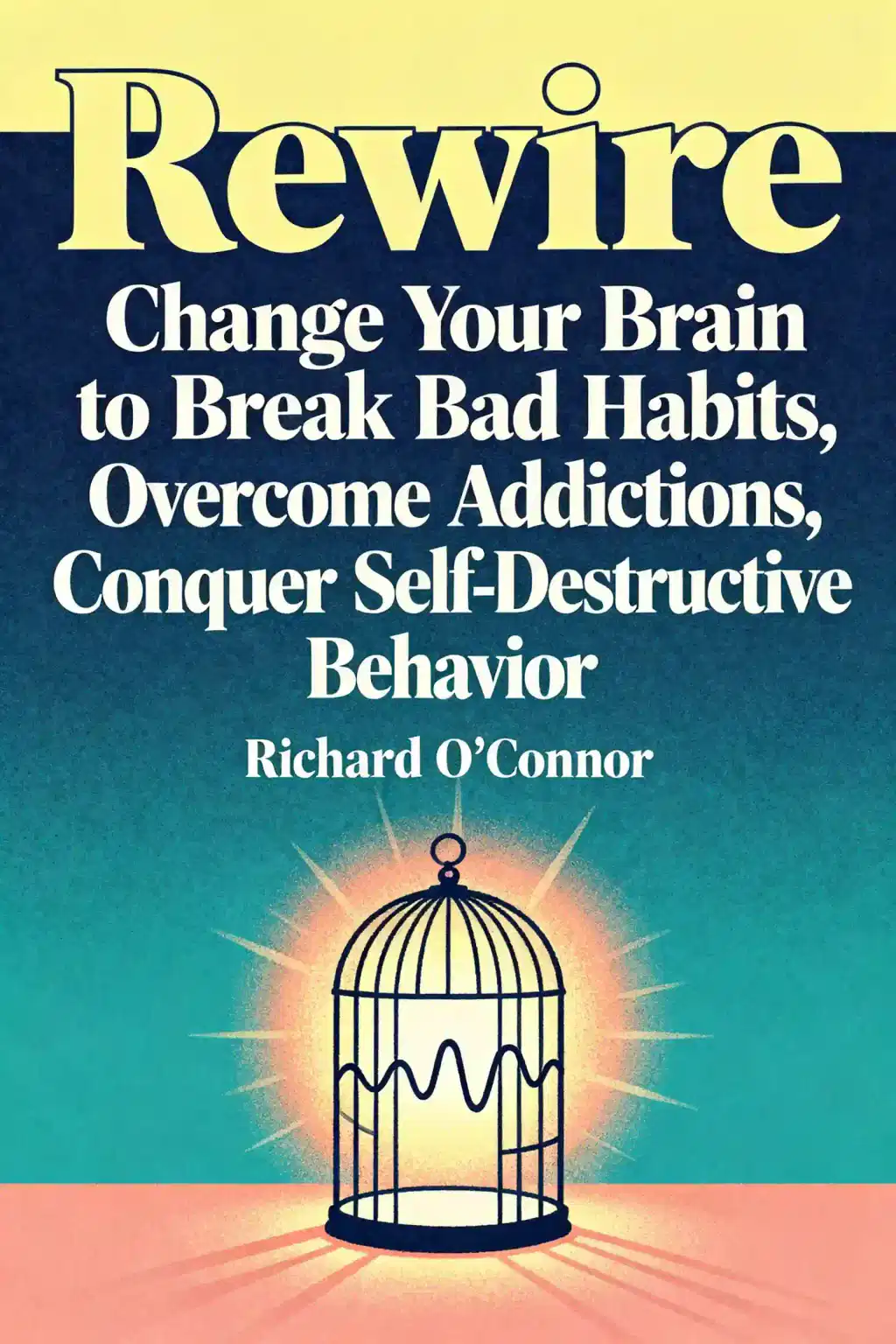
Rewire Your Brain: The Power of Future Self Journaling
Discover how to leverage neuroplasticity and journaling to break subconscious cycles. Learn practical tools to move beyond autopilot and rewire your brain for lasting self-actualization.

Лучшая цитата из Rewire Your Brain: The Power of Future Self Journaling
We aren't just victims of our old programming. We have the biological hardware to change—we just need to learn how to use the software.
Generated by Vanessa
Interested in neuropkasticity and journaling to create the best version of yourself

Часто задаваемые вопросы
Journaling leverages neuroplasticity, which is the brain's ability to form new neural connections and reshape its structure. When you engage in expressive writing, you activate the prefrontal cortex—the brain's executive center for logic and planning. This activation simultaneously dampens the "alarm bell" response in the amygdala, the area responsible for fear and stress. Over time, consistent practice strengthens these pathways, moving the brain from a reactive state to one of better emotional regulation and lower cortisol levels.
Yes, research in the field of psychoneuroimmunology shows a strong link between expressive writing and physical well-being. By processing stressors on paper, you shift the body from a "fight or flight" sympathetic nervous system state to a "rest and digest" parasympathetic state. Clinical studies have shown that regular practitioners can experience reduced blood pressure, improved liver and lung function, and a significant boost in immune system markers, resulting in up to 47% fewer stress-related doctor visits.
"Name it to tame it" is a concept coined by Dr. Dan Siegel that describes the neurological shift from feeling an emotion to observing it. When you experience a vague sense of anxiety, it is processed in the limbic system, often making you feel out of control. By writing down the specific emotion and the reason behind it, you engage the prefrontal cortex. This creates "cognitive distance," allowing you to process raw, chaotic energy through the brain's analytical center so you can choose how to respond rather than simply reacting.
Journaling acts as a disruptor for rumination—the mental "hamster wheel" of replaying mistakes—by externalizing thoughts and forcing them into a coherent narrative. Using Cognitive Behavioral Therapy (CBT) techniques like a "thought record," you can cross-examine negative beliefs by looking for objective evidence that supports or contradicts them. This process helps you identify "cognitive distortions," such as catastrophizing, and allows you to craft balanced, realistic alternatives that rewire your mental habits.
The scientific "sweet spot" for seeing lasting neurological changes is typically 15 to 20 minutes per session, practiced 3 to 4 times a week. While even 5 to 10 minutes a day can provide immediate improvements in mood, the most significant shifts in brain structure and stress reduction usually occur after 4 to 6 weeks of consistent practice. The quality of the writing—such as grammar or spelling—does not affect the therapeutic benefits, so the focus should be on honesty and consistency rather than literary skill.
Создано выпускниками Колумбийского университета в Сан-Франциско
"Instead of endless scrolling, I just hit play on BeFreed. It saves me so much time."


"I never knew where to start with nonfiction—BeFreed’s book lists turned into podcasts gave me a clear path."


"Perfect balance between learning and entertainment. Finished ‘Thinking, Fast and Slow’ on my commute this week."
"Crazy how much I learned while walking the dog. BeFreed = small habits → big gains."
"Reading used to feel like a chore. Now it’s just part of my lifestyle."

"Feels effortless compared to reading. I’ve finished 6 books this month already."
"BeFreed turned my guilty doomscrolling into something that feels productive and inspiring."

"BeFreed turned my commute into learning time. 20-min podcasts are perfect for finishing books I never had time for."
"BeFreed replaced my podcast queue. Imagine Spotify for books — that’s it. 🙌"

"It is great for me to learn something from the book without reading it."
"The themed book list podcasts help me connect ideas across authors—like a guided audio journey."
"Makes me feel smarter every time before going to work"
 Ask ChatGPT
 Ask Claude
Создано выпускниками Колумбийского университета в Сан-Франциско
"Instead of endless scrolling, I just hit play on BeFreed. It saves me so much time."
"I never knew where to start with nonfiction—BeFreed’s book lists turned into podcasts gave me a clear path."
"Perfect balance between learning and entertainment. Finished ‘Thinking, Fast and Slow’ on my commute this week."
"Crazy how much I learned while walking the dog. BeFreed = small habits → big gains."
"Reading used to feel like a chore. Now it’s just part of my lifestyle."
"Feels effortless compared to reading. I’ve finished 6 books this month already."
"BeFreed turned my guilty doomscrolling into something that feels productive and inspiring."
"BeFreed turned my commute into learning time. 20-min podcasts are perfect for finishing books I never had time for."
"BeFreed replaced my podcast queue. Imagine Spotify for books — that’s it. 🙌"
"It is great for me to learn something from the book without reading it."
"The themed book list podcasts help me connect ideas across authors—like a guided audio journey."
"Makes me feel smarter every time before going to work"
"Instead of endless scrolling, I just hit play on BeFreed. It saves me so much time."
"I never knew where to start with nonfiction—BeFreed’s book lists turned into podcasts gave me a clear path."
"Perfect balance between learning and entertainment. Finished ‘Thinking, Fast and Slow’ on my commute this week."
"Crazy how much I learned while walking the dog. BeFreed = small habits → big gains."
"Reading used to feel like a chore. Now it’s just part of my lifestyle."
"Feels effortless compared to reading. I’ve finished 6 books this month already."
"BeFreed turned my guilty doomscrolling into something that feels productive and inspiring."
"BeFreed turned my commute into learning time. 20-min podcasts are perfect for finishing books I never had time for."
"BeFreed replaced my podcast queue. Imagine Spotify for books — that’s it. 🙌"
"It is great for me to learn something from the book without reading it."
"The themed book list podcasts help me connect ideas across authors—like a guided audio journey."
"Makes me feel smarter every time before going to work"
"Instead of endless scrolling, I just hit play on BeFreed. It saves me so much time."
"I never knew where to start with nonfiction—BeFreed’s book lists turned into podcasts gave me a clear path."
"Perfect balance between learning and entertainment. Finished ‘Thinking, Fast and Slow’ on my commute this week."
"Crazy how much I learned while walking the dog. BeFreed = small habits → big gains."
"Reading used to feel like a chore. Now it’s just part of my lifestyle."
"Feels effortless compared to reading. I’ve finished 6 books this month already."
"BeFreed turned my guilty doomscrolling into something that feels productive and inspiring."
"BeFreed turned my commute into learning time. 20-min podcasts are perfect for finishing books I never had time for."
"BeFreed replaced my podcast queue. Imagine Spotify for books — that’s it. 🙌"
"It is great for me to learn something from the book without reading it."
"The themed book list podcasts help me connect ideas across authors—like a guided audio journey."
"Makes me feel smarter every time before going to work"