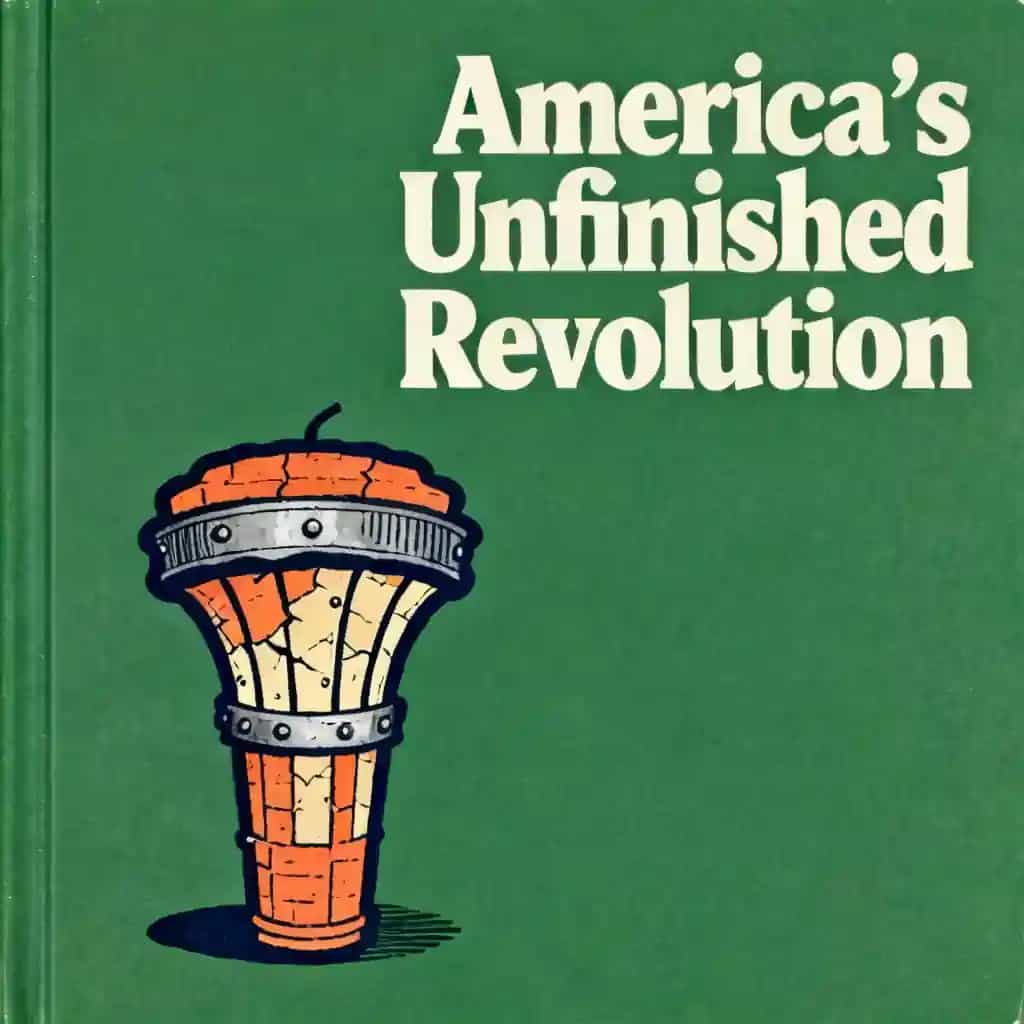
Resurrecting America's Forgotten Heroes
Exploring how Natasha Trethewey's 'Native Guard' recovers the erased history of Black Union soldiers while weaving in her personal story as a child of an interracial marriage in Mississippi.

Лучшая цитата из Resurrecting America's Forgotten Heroes
Black and white histories in America aren't separate narratives—they're literally written on top of each other, tangled together in ways we often don't acknowledge.

Этот аудиоурок был создан участником сообщества BeFreed
Native guard

Узнать больше

Homegoing: Key Characters & Plot Summary
This plan is essential for readers and students seeking a deep dive into the historical and psychological layers of Yaa Gyasi’s epic. It is perfect for literature enthusiasts interested in how generational trauma and colonial legacies shape modern identity.

Appreciating Black Women's Beauty
This learning plan is essential for anyone seeking to dismantle systemic beauty biases and celebrate the profound cultural impact of Black women. It is particularly beneficial for individuals looking to strengthen their self-image, educators, and allies committed to understanding intersectional feminism and authentic representation.

The Best American History Books
Explore the most powerful books on US history—discover untold stories, key events, and how the past shaped modern America.
Команда BeFreed

Untold Lives of the 20th Century
This plan offers a vital perspective on history by focusing on the resilience of marginalized voices rather than just institutional power. It is ideal for history enthusiasts and social science students looking to understand how ordinary people navigated war, poverty, and exclusion.

Unearthing the World's Lost Narratives
This plan is essential for history enthusiasts and researchers who want to move beyond mainstream narratives. It provides the analytical tools needed to uncover hidden civilizations and the forgotten lives of ordinary people throughout time.

Resilience in the Shadows
This plan explores how individuals and communities maintained their dignity and identity during history's darkest hours. It is essential for history enthusiasts and social students seeking to understand the psychological and communal foundations of human endurance.

The War That Remade America
This plan is essential for anyone seeking to understand how modern America was forged through the crucible of global conflict. It is particularly valuable for history enthusiasts and students who want to see the direct links between WWII policies and today's social and geopolitical landscape.

The Jagged Edges of Revolution
This plan strips away the sanitized versions of American history to reveal the raw, messy reality of nation-building. It is essential for history buffs and political thinkers who want to understand the deep-seated tensions that still define American democracy.
Создано выпускниками Колумбийского университета в Сан-Франциско
"Instead of endless scrolling, I just hit play on BeFreed. It saves me so much time."


"I never knew where to start with nonfiction—BeFreed’s book lists turned into podcasts gave me a clear path."


"Perfect balance between learning and entertainment. Finished ‘Thinking, Fast and Slow’ on my commute this week."
"Crazy how much I learned while walking the dog. BeFreed = small habits → big gains."
"Reading used to feel like a chore. Now it’s just part of my lifestyle."

"Feels effortless compared to reading. I’ve finished 6 books this month already."
"BeFreed turned my guilty doomscrolling into something that feels productive and inspiring."

"BeFreed turned my commute into learning time. 20-min podcasts are perfect for finishing books I never had time for."
"BeFreed replaced my podcast queue. Imagine Spotify for books — that’s it. 🙌"

"It is great for me to learn something from the book without reading it."
"The themed book list podcasts help me connect ideas across authors—like a guided audio journey."
"Makes me feel smarter every time before going to work"
Создано выпускниками Колумбийского университета в Сан-Франциско
"Instead of endless scrolling, I just hit play on BeFreed. It saves me so much time."
"I never knew where to start with nonfiction—BeFreed’s book lists turned into podcasts gave me a clear path."
"Perfect balance between learning and entertainment. Finished ‘Thinking, Fast and Slow’ on my commute this week."
"Crazy how much I learned while walking the dog. BeFreed = small habits → big gains."
"Reading used to feel like a chore. Now it’s just part of my lifestyle."
"Feels effortless compared to reading. I’ve finished 6 books this month already."
"BeFreed turned my guilty doomscrolling into something that feels productive and inspiring."
"BeFreed turned my commute into learning time. 20-min podcasts are perfect for finishing books I never had time for."
"BeFreed replaced my podcast queue. Imagine Spotify for books — that’s it. 🙌"
"It is great for me to learn something from the book without reading it."
"The themed book list podcasts help me connect ideas across authors—like a guided audio journey."
"Makes me feel smarter every time before going to work"
"Instead of endless scrolling, I just hit play on BeFreed. It saves me so much time."
"I never knew where to start with nonfiction—BeFreed’s book lists turned into podcasts gave me a clear path."
"Perfect balance between learning and entertainment. Finished ‘Thinking, Fast and Slow’ on my commute this week."
"Crazy how much I learned while walking the dog. BeFreed = small habits → big gains."
"Reading used to feel like a chore. Now it’s just part of my lifestyle."
"Feels effortless compared to reading. I’ve finished 6 books this month already."
"BeFreed turned my guilty doomscrolling into something that feels productive and inspiring."
"BeFreed turned my commute into learning time. 20-min podcasts are perfect for finishing books I never had time for."
"BeFreed replaced my podcast queue. Imagine Spotify for books — that’s it. 🙌"
"It is great for me to learn something from the book without reading it."
"The themed book list podcasts help me connect ideas across authors—like a guided audio journey."
"Makes me feel smarter every time before going to work"
"Instead of endless scrolling, I just hit play on BeFreed. It saves me so much time."
"I never knew where to start with nonfiction—BeFreed’s book lists turned into podcasts gave me a clear path."
"Perfect balance between learning and entertainment. Finished ‘Thinking, Fast and Slow’ on my commute this week."
"Crazy how much I learned while walking the dog. BeFreed = small habits → big gains."
"Reading used to feel like a chore. Now it’s just part of my lifestyle."
"Feels effortless compared to reading. I’ve finished 6 books this month already."
"BeFreed turned my guilty doomscrolling into something that feels productive and inspiring."
"BeFreed turned my commute into learning time. 20-min podcasts are perfect for finishing books I never had time for."
"BeFreed replaced my podcast queue. Imagine Spotify for books — that’s it. 🙌"
"It is great for me to learn something from the book without reading it."
"The themed book list podcasts help me connect ideas across authors—like a guided audio journey."
"Makes me feel smarter every time before going to work"