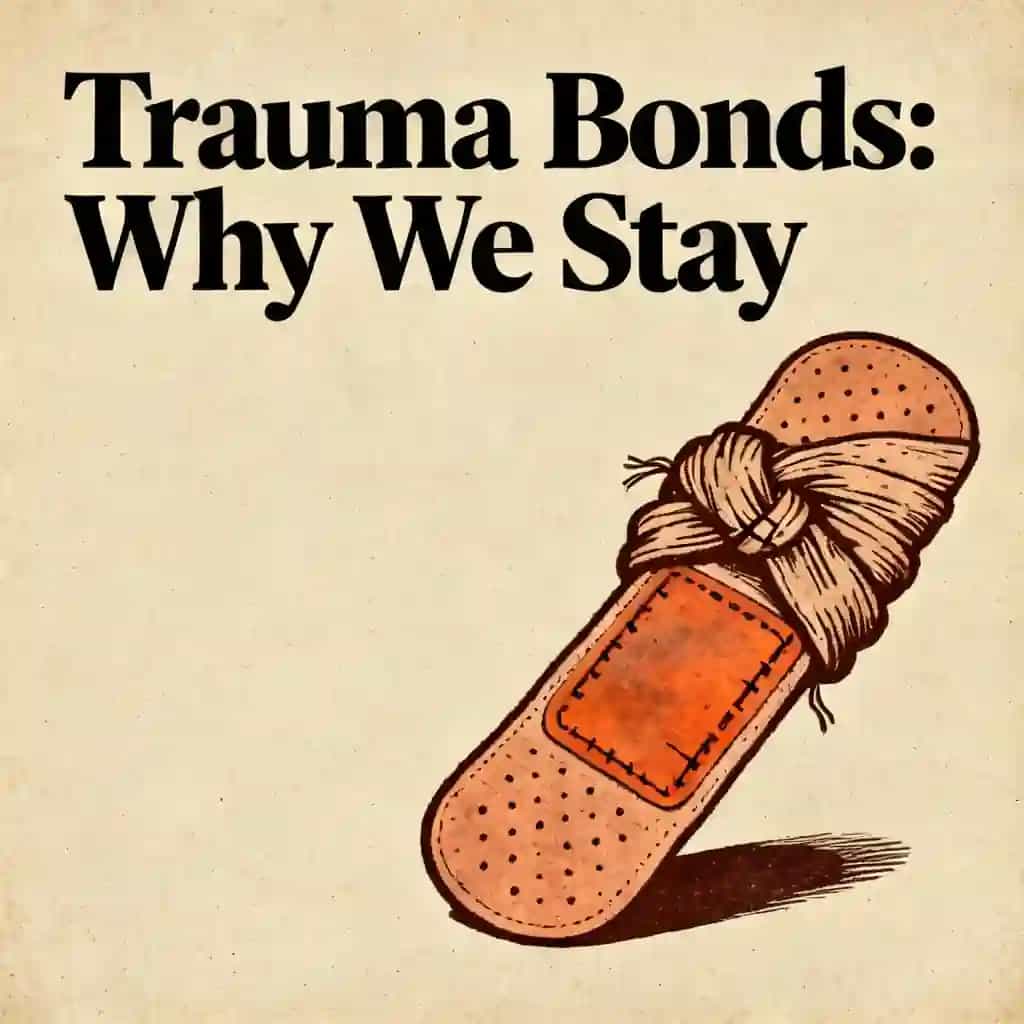
Learn how to break the psychological addiction of a trauma bond and regain mental peace when you must share a training space with an ex-partner.
Лучшая цитата из Reclaiming Your Internal Dojo from Trauma Bonds
“
A trauma bond isn’t about love at all; it’s actually a psychological addiction where the brain releases a cocktail of dopamine and oxytocin during brief 'good' moments, making the attachment feel as intense as a substance addiction.
”
M
Generated by Michelle
Вопрос для ввода
I’m feeling down due to an on and off three-year affair where we both got divorced and he ended up engaged to someone else ultimately. We have many mutual friends one of which I’ve become very close to and we’re all in tae kwon do second third and fourth-degree belts and masters we work out together so cutting him out of my life completely is impossible. I have a manipulative trauma bond because of this obsessive thoughts help me get out of it. What can I do i’m still struggling 
Голоса ведущих
Lena
Miles
Источники знаний
Часто задаваемые вопросы
Frequently Asked Questions
A trauma bond is a psychological attachment formed through a cycle of intense positive validation and intermittent emotional abuse. It functions like a physical addiction because the brain releases a cocktail of dopamine and oxytocin during "good" moments or brief periods of kindness. This creates a biological "hook," where the victim’s nervous system becomes dependent on the unpredictable rewards from the abuser, making it incredibly difficult to leave even when the relationship is clearly harmful.
When physical "No Contact" is impossible, such as sharing a martial arts dojo, you must implement "Mental No Contact" and internal boundaries. This involves using neutral statements to limit communication to strictly necessary topics and cutting off all secondary lines of information, such as checking their social media or asking mutual friends about them. By refusing to engage in conversations about the past or the person's new life, you protect your emotional space and stop the cycle of retraumatization.
Somatic practices are techniques designed to ground the body and regulate the nervous system when it enters a state of "fight, flight, or freeze." Examples include "orienting," where you slowly scan the room to remind your body you are in the present, or physically feeling the weight of your feet on the floor. For a martial artist, this might also include specific breathing techniques or grounding stances. These tools help interrupt the "hypervigilance" caused by the trauma bond, making you feel safer inside your own skin even when the perpetrator is nearby.
Breaking the cycle of intrusive thoughts requires active strategies like "Thought-Stopping" and "Thought Replacement." When a painful memory or image arises, you must immediately pivot to a preplanned, truthful thought, such as "My life is changed, but it is not ruined." Another effective tool is the "Flip Journal™," where you write raw negative thoughts in the front and opposing truths in the back. These methods help rewire the brain’s neuroplasticity, eventually carving new mental paths that move away from the trauma and toward self-recovery.
Создано выпускниками Колумбийского университета | в Сан-Франциско
BeFreed объединяет глобальное сообщество любознательных людей
4.7
средняя оценка
Более 7,84 тыс. оценок приложения
Сообщество BeFreed
Честно говоря, я ещё даже не изучила приложение полностью, но за последние несколько дней оно меня по-настоящему впечатлило… BeFreed — совсем другой уровень по сравнению с любыми учебными приложениями, которыми я пользовалась. Оно невероятно увлекает и действительно улучшает концентрацию — то, что нужно всем, кто бесконечно листает ленту!
@ladyInfinity
Я купил BeFreed ровно 23 дня назад и с тех пор пользуюсь им каждый день. Оно полностью встроилось в мой рабочий процесс и привычку учиться.
@jayallen
Честно говоря, приложение превзошло все мои ожидания. Я могу попросить его сгенерировать аудио на любую тему, какой бы она ни была, и результат впечатляет. Моя профессиональная область — специализация в психотерапии, она мультидисциплинарная, но ответы очень точные.
@Raguipa
Больше всего я ценю то, насколько меньше я стал листать ленту: меньше времени уходит на поиск и больше — на усвоение информации. Сочетание полных аудиокниг, подкастов и планов обучения — блестящее.
@colonyofcreatorsNGO
Я уже 24 года работаю инструктором ускоренного обучения PhotoReading… книги, чтение и обучение — моя стихия, и BeFreed отлично справился, предложив инновационный подход к подаче информации в лёгкой для восприятия форме.
@BeFreed user
Это не просто приложение с кратким содержанием книг: я попробовал режим «весёлого чтения», и это гораздо лучший пересказ и способ схватывать идеи, чем традиционный. Уже ради одного этого оно того стоит.
@austinakon
Обожаю это приложение. Пользуюсь несколько дней и не могу перестать слушать. Отличный способ начать.
@jcrules328
Мне очень нравится это приложение; я тестирую его уже около месяца и считаю настоящей находкой. Оно отлично работает, потому что в BeFreed можно создавать собственные темы, а голос замечательный — с безграничным выбором озвучек.
@DanielCZ
Честно говоря, я ещё даже не изучила приложение полностью, но за последние несколько дней оно меня по-настоящему впечатлило… BeFreed — совсем другой уровень по сравнению с любыми учебными приложениями, которыми я пользовалась. Оно невероятно увлекает и действительно улучшает концентрацию — то, что нужно всем, кто бесконечно листает ленту!
@ladyInfinity
Я купил BeFreed ровно 23 дня назад и с тех пор пользуюсь им каждый день. Оно полностью встроилось в мой рабочий процесс и привычку учиться.
@jayallen
Честно говоря, приложение превзошло все мои ожидания. Я могу попросить его сгенерировать аудио на любую тему, какой бы она ни была, и результат впечатляет. Моя профессиональная область — специализация в психотерапии, она мультидисциплинарная, но ответы очень точные.
@Raguipa
Больше всего я ценю то, насколько меньше я стал листать ленту: меньше времени уходит на поиск и больше — на усвоение информации. Сочетание полных аудиокниг, подкастов и планов обучения — блестящее.
@colonyofcreatorsNGO
Я уже 24 года работаю инструктором ускоренного обучения PhotoReading… книги, чтение и обучение — моя стихия, и BeFreed отлично справился, предложив инновационный подход к подаче информации в лёгкой для восприятия форме.
@BeFreed user
Это не просто приложение с кратким содержанием книг: я попробовал режим «весёлого чтения», и это гораздо лучший пересказ и способ схватывать идеи, чем традиционный. Уже ради одного этого оно того стоит.
@austinakon
Обожаю это приложение. Пользуюсь несколько дней и не могу перестать слушать. Отличный способ начать.
@jcrules328
Мне очень нравится это приложение; я тестирую его уже около месяца и считаю настоящей находкой. Оно отлично работает, потому что в BeFreed можно создавать собственные темы, а голос замечательный — с безграничным выбором озвучек.
@DanielCZ
Мне очень нравится, что полезную, сжатую информацию и идеи можно получить в виде аудио в стиле подкаста на 8–15 минут. Я не большой фанат подкастов из-за «воды», но здесь её нет совсем.
@BeFreed user
Я заканчиваю докторскую и вынужден читать много незнакомого материала… В BeFreed достаточно ввести запрос — приложение само находит источники и создаёт аудиоподкаст. Мне процесс в BeFreed кажется удобнее, чем в NotebookLM.
@Brad
Я часто ищу на YouTube, что послушать за завтраком, на прогулке или по дороге на работу, и BeFreed предлагает ещё более точный подход — без рекламы и без «воды»!
@BeFreed user
Самое лучшее в этой платформе — её универсальность. Нет буквально ни одной темы, которая была бы ей не по зубам. Она справляется со всем, что ей даёшь… Редко встретишь учебный инструмент без ограничений, который действительно выполняет обещания.
@jayallen
BeFreed — потрясающее приложение. Благодаря удобному дизайну я трачу меньше времени на навигацию и больше — на учёбу. Сочетание аудиокниг, подкастов и планов обучения — гениальная комбинация, которая полностью изменила мой распорядок дня.
@BeFreed user
Сначала мне понадобилось время, чтобы разобраться, как создавать подкасты на итальянском, а потом — бум! Это же великолепно! Можно попросить объяснить любую тему, и он делает это отлично и очень умно!
@matteo77
BeFreed стал моим ежедневным приложением для аудиокниг… Больше всего мне нравится, что ты вставляешь свой текст — и получаешь аудио, которое можно слушать на ходу.
@kotanzu1
Мне очень нравится, что полезную, сжатую информацию и идеи можно получить в виде аудио в стиле подкаста на 8–15 минут. Я не большой фанат подкастов из-за «воды», но здесь её нет совсем.
@BeFreed user
Я заканчиваю докторскую и вынужден читать много незнакомого материала… В BeFreed достаточно ввести запрос — приложение само находит источники и создаёт аудиоподкаст. Мне процесс в BeFreed кажется удобнее, чем в NotebookLM.
@Brad
Я часто ищу на YouTube, что послушать за завтраком, на прогулке или по дороге на работу, и BeFreed предлагает ещё более точный подход — без рекламы и без «воды»!
@BeFreed user
Самое лучшее в этой платформе — её универсальность. Нет буквально ни одной темы, которая была бы ей не по зубам. Она справляется со всем, что ей даёшь… Редко встретишь учебный инструмент без ограничений, который действительно выполняет обещания.
@jayallen
BeFreed — потрясающее приложение. Благодаря удобному дизайну я трачу меньше времени на навигацию и больше — на учёбу. Сочетание аудиокниг, подкастов и планов обучения — гениальная комбинация, которая полностью изменила мой распорядок дня.
@BeFreed user
Сначала мне понадобилось время, чтобы разобраться, как создавать подкасты на итальянском, а потом — бум! Это же великолепно! Можно попросить объяснить любую тему, и он делает это отлично и очень умно!
@matteo77
BeFreed стал моим ежедневным приложением для аудиокниг… Больше всего мне нравится, что ты вставляешь свой текст — и получаешь аудио, которое можно слушать на ходу.
Learn to navigate the biological addiction of trauma bonds and reclaim your strength, even when shared spaces and lingering messages make moving on feel impossible.
Understand the biological addiction of trauma bonding and learn practical strategies to break the cycle of intermittent reinforcement, even when shared social circles and lingering advances make moving on feel impossible.
Struggling to leave a toxic partner? Explore how intermittent reinforcement hijacks your brain and learn practical steps to break the cycle of addiction.
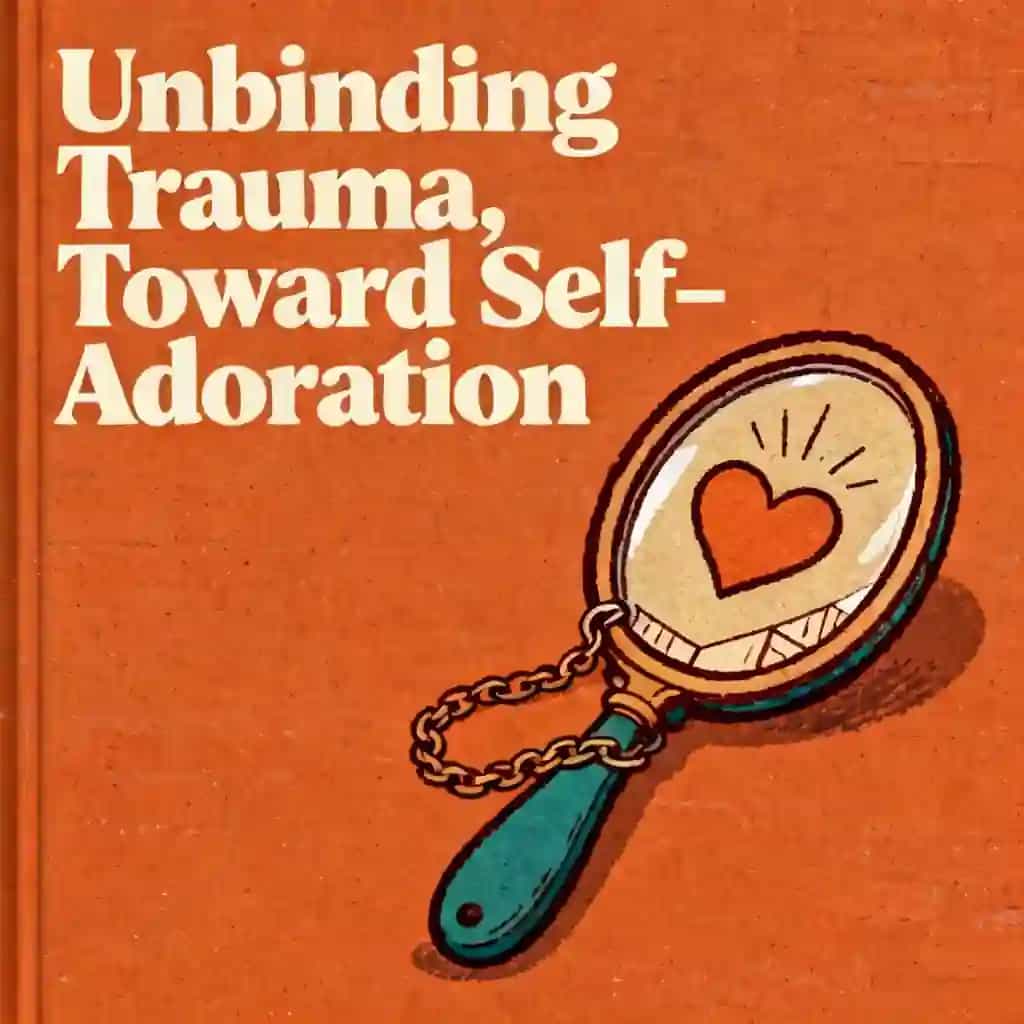
Break the neurological cycle of a painful affair and reclaim your worth. Learn how to stop waiting to be chosen and start feeling cherished, honored, and calm from within.
Breaking a trauma bond is a physiological battle, not a lack of strength. Learn how to untangle survival-driven attachments and reclaim your sovereignty.