Raising Little Moral Giants
Discover how to effectively instill lasting values in children beyond simple rules, focusing on modeling behaviors, creating teachable moments, and building an environment where honesty and character truly matter.

Лучшая цитата из Raising Little Moral Giants
Values aren't just taught through lectures—they're caught through observation. If children see us being honest, respectful, and kind, they're much more likely to internalize those values themselves.

Этот аудиоурок был создан участником сообщества BeFreed
How to teach kids good values

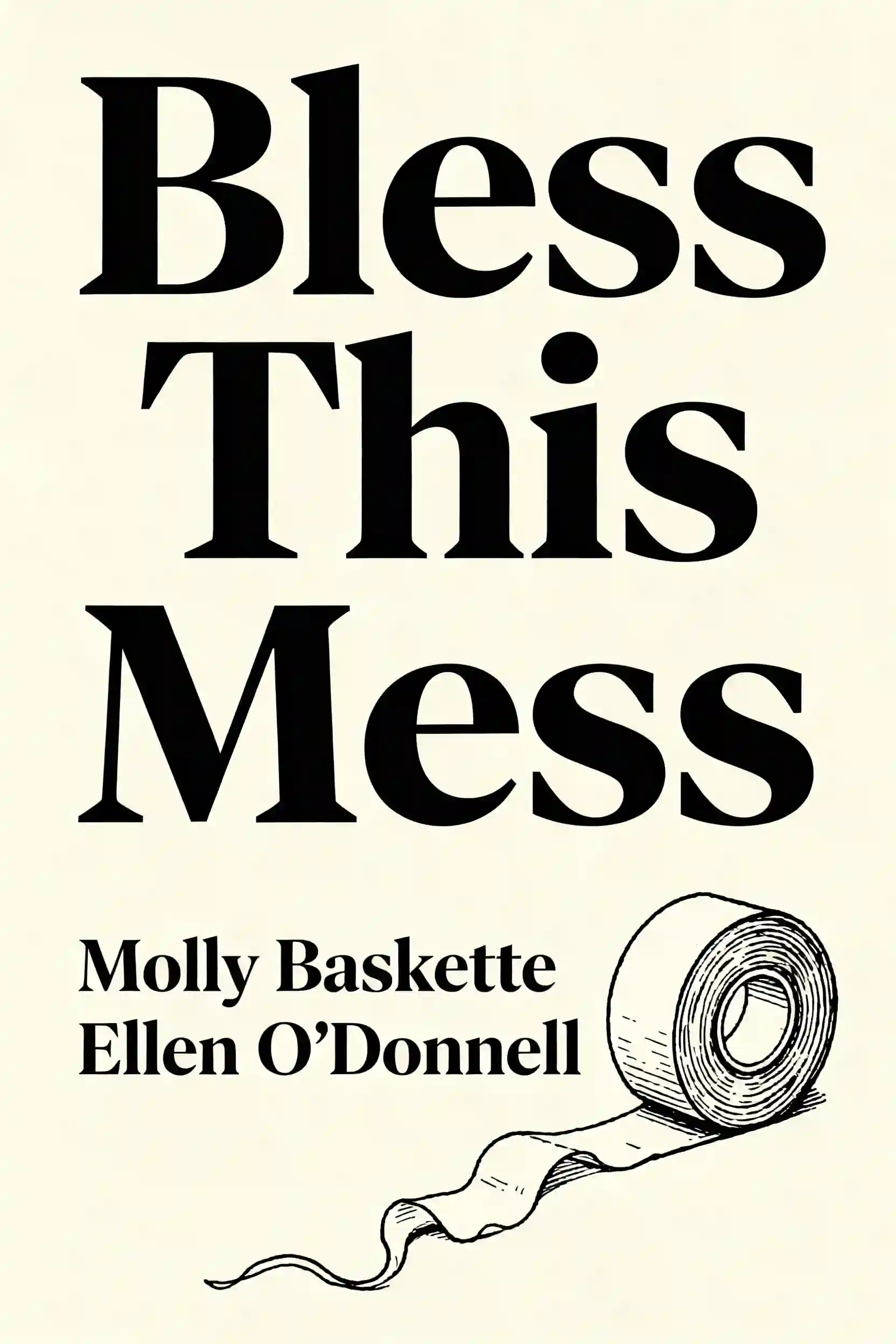
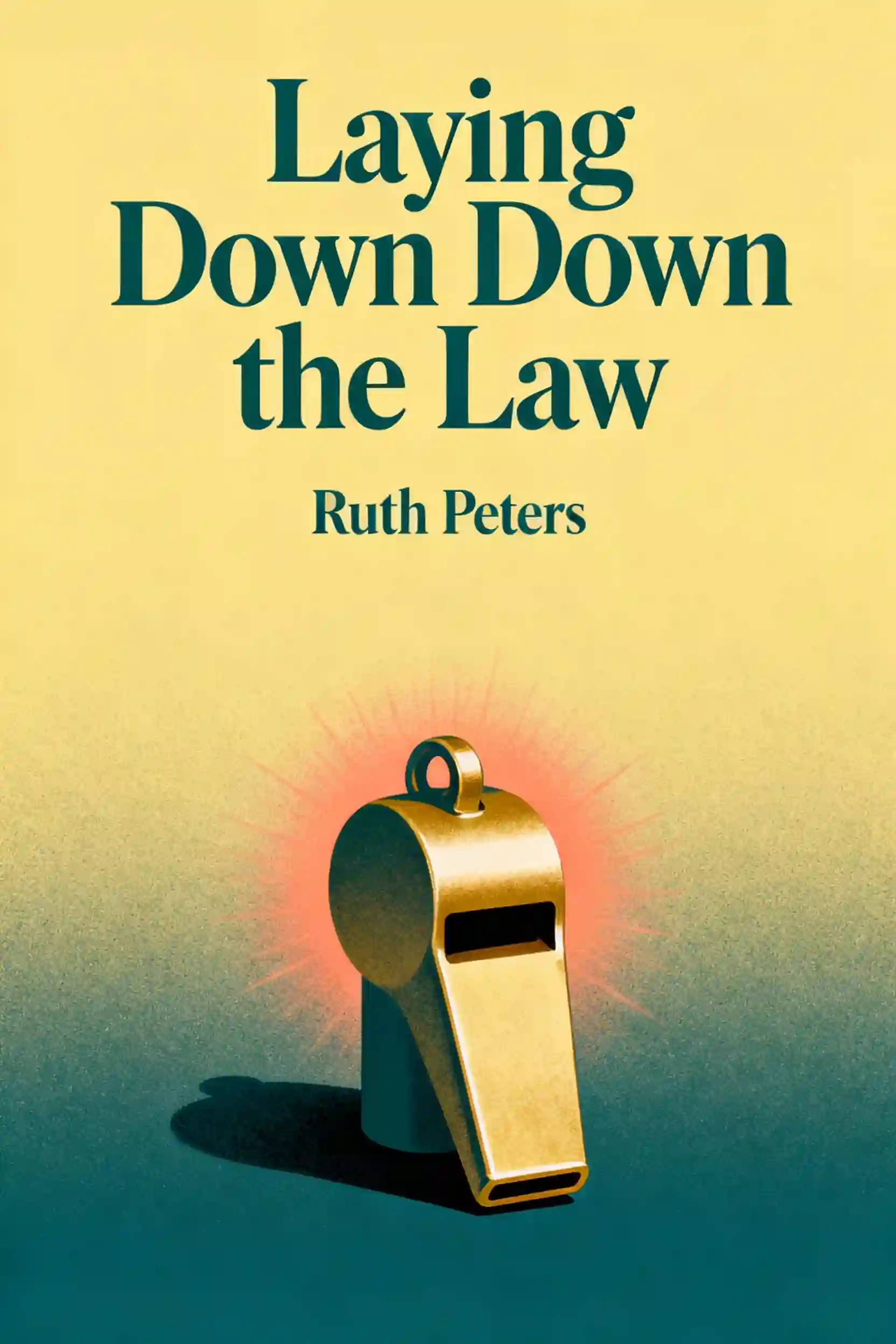
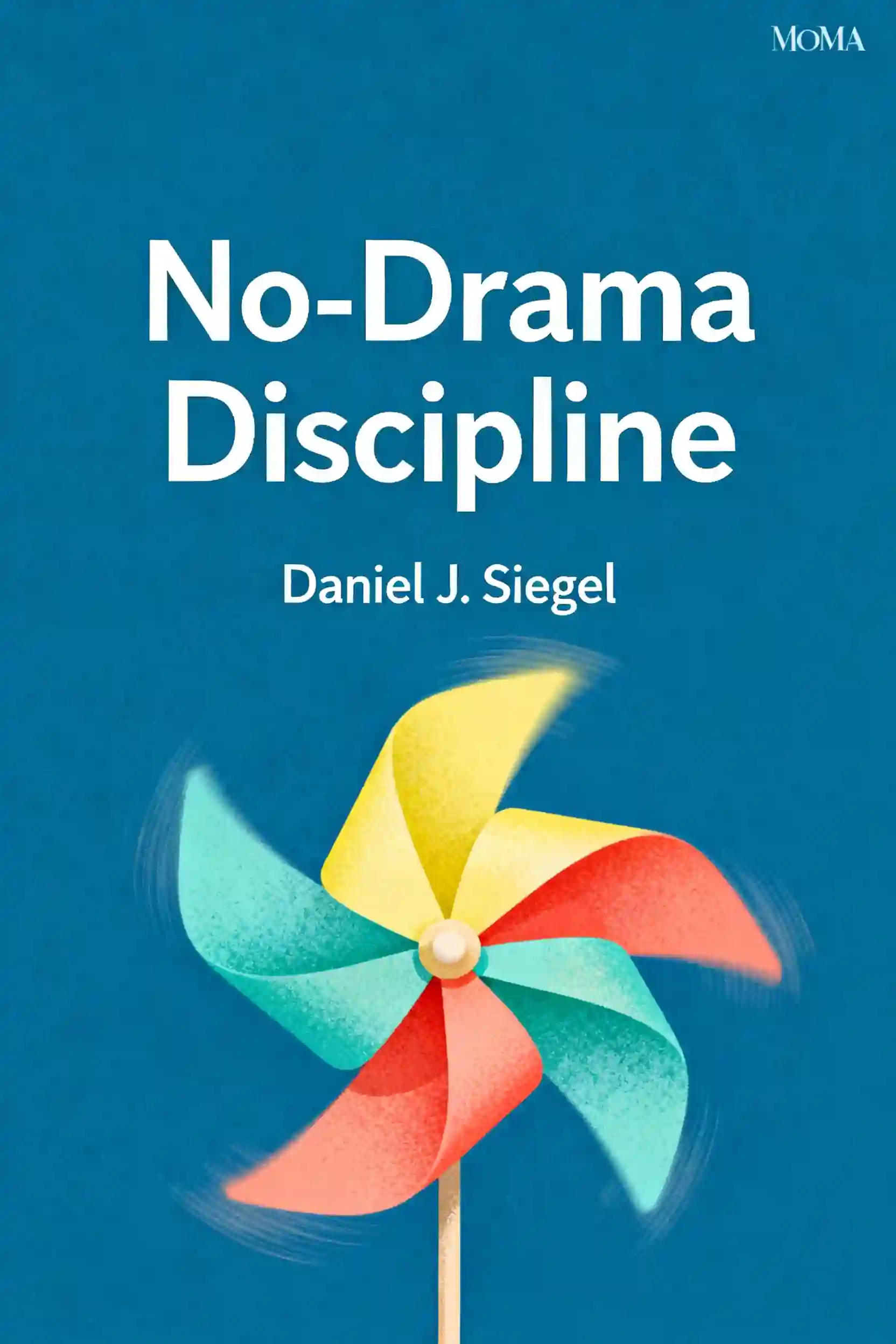
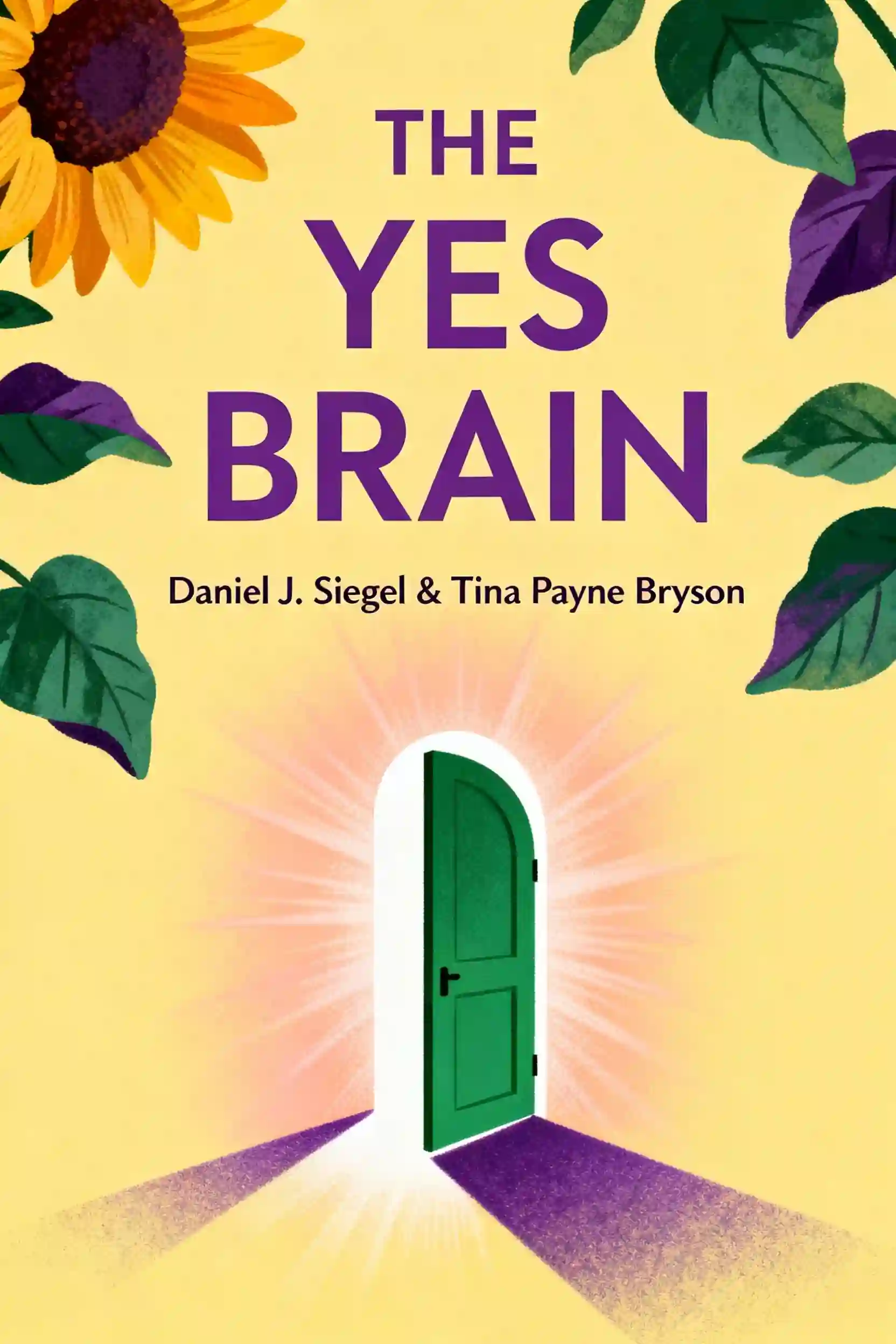
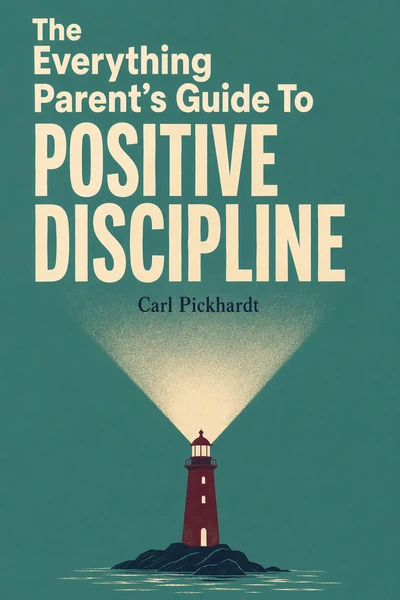
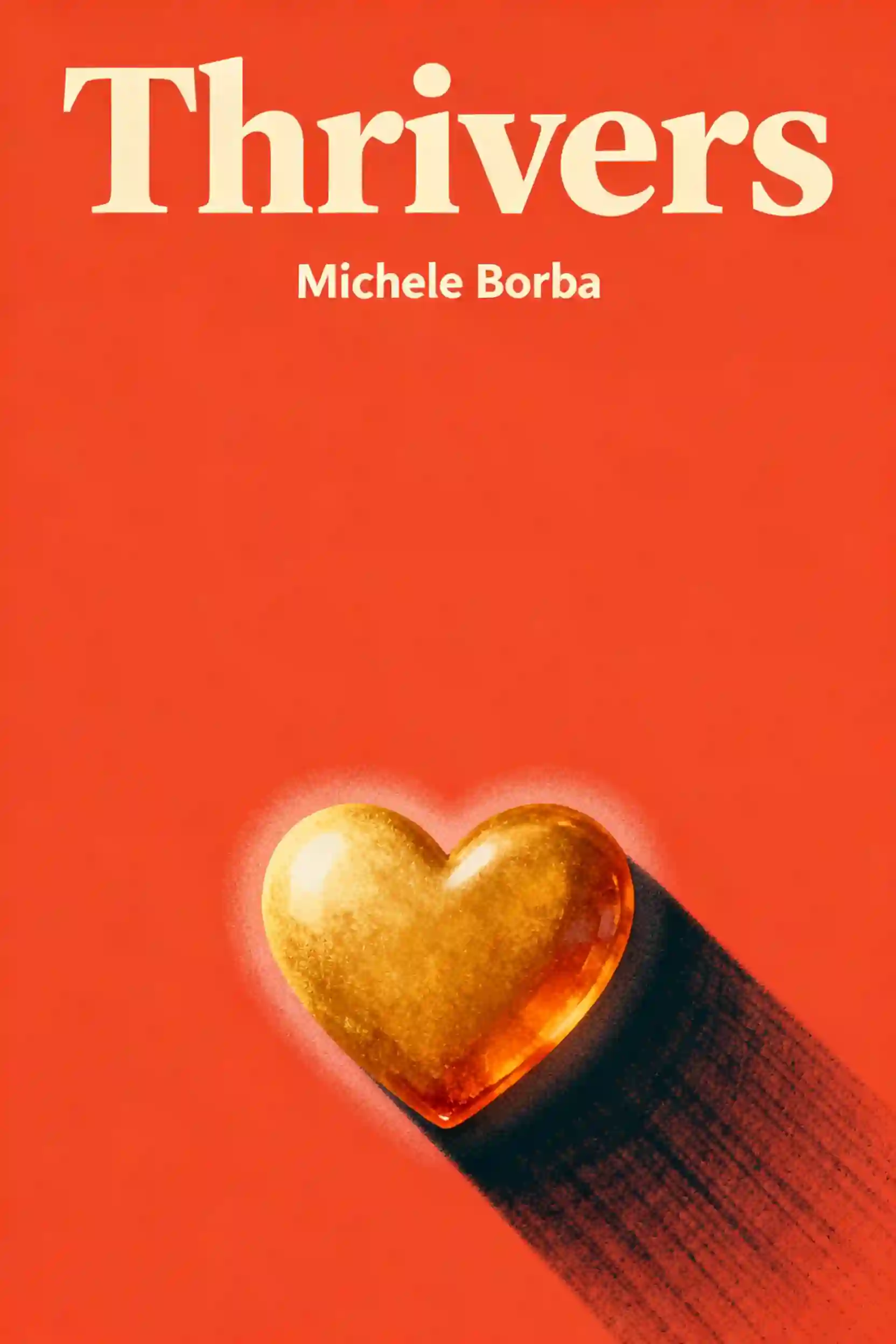
Узнать больше

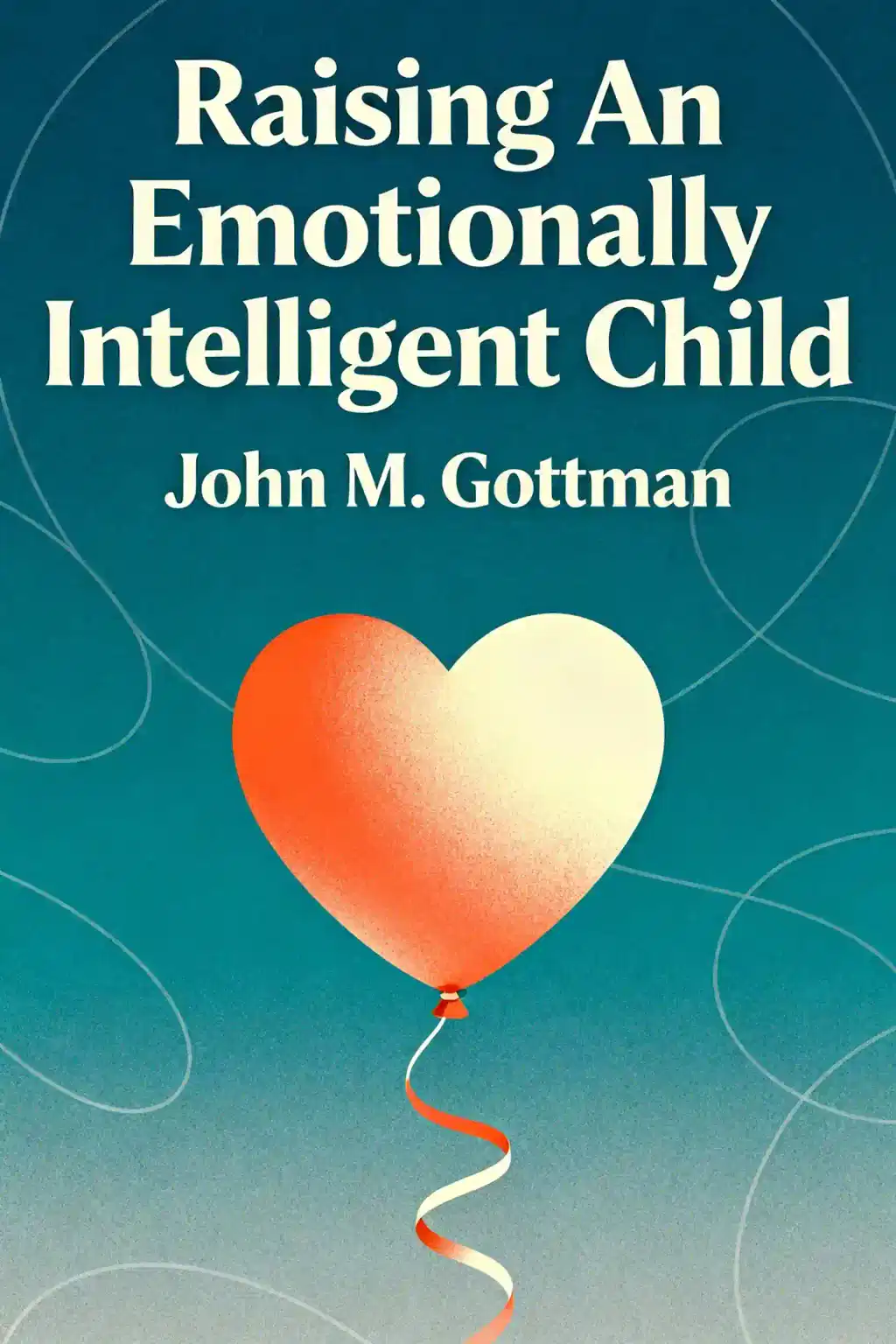
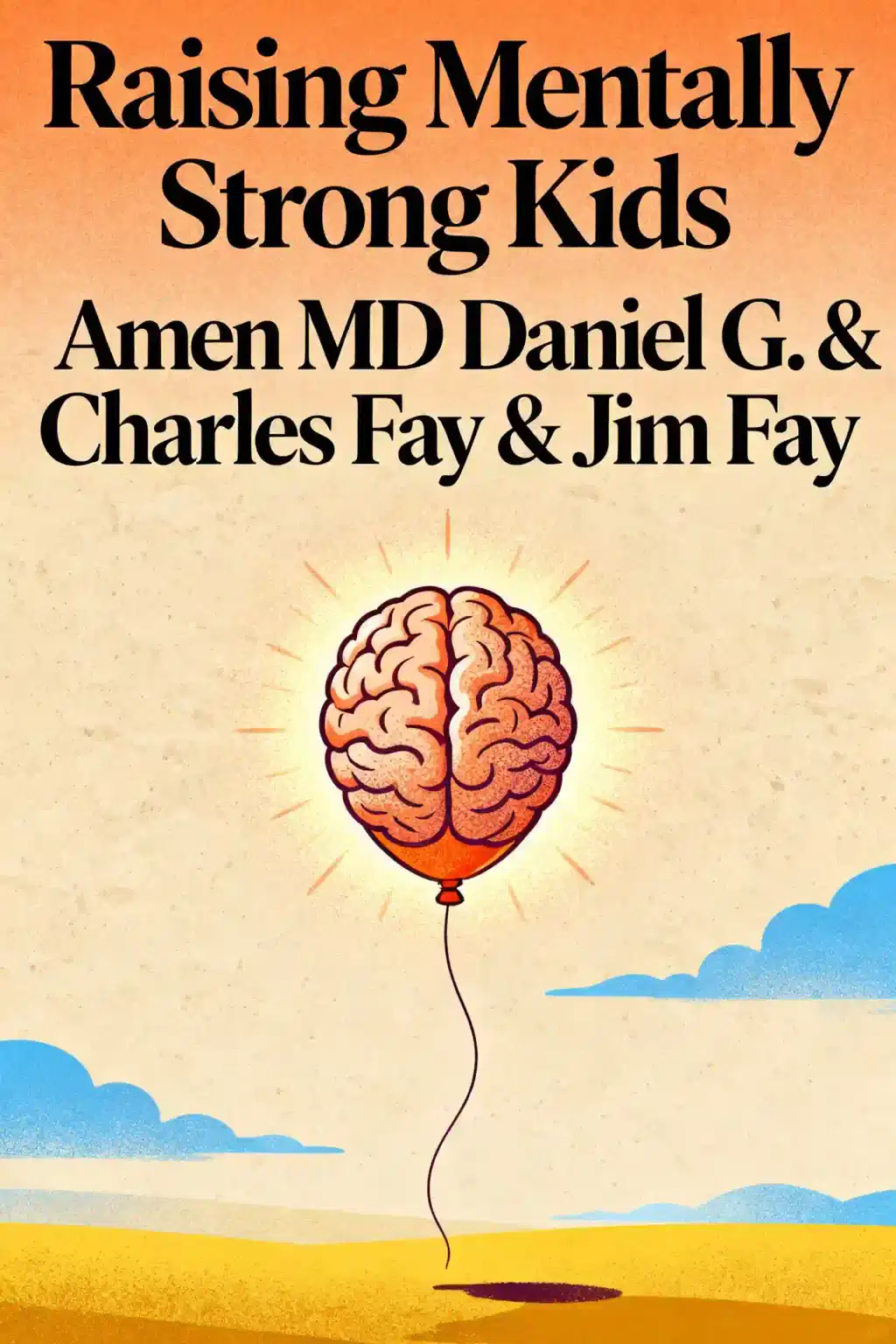
Raise Mentally Resilient Children
In an increasingly complex world, emotional intelligence and grit are the foundations of a successful life. This plan is designed for parents and caregivers who want to move beyond reactive discipline and instead build a deep, brain-based connection that fosters lasting resilience.

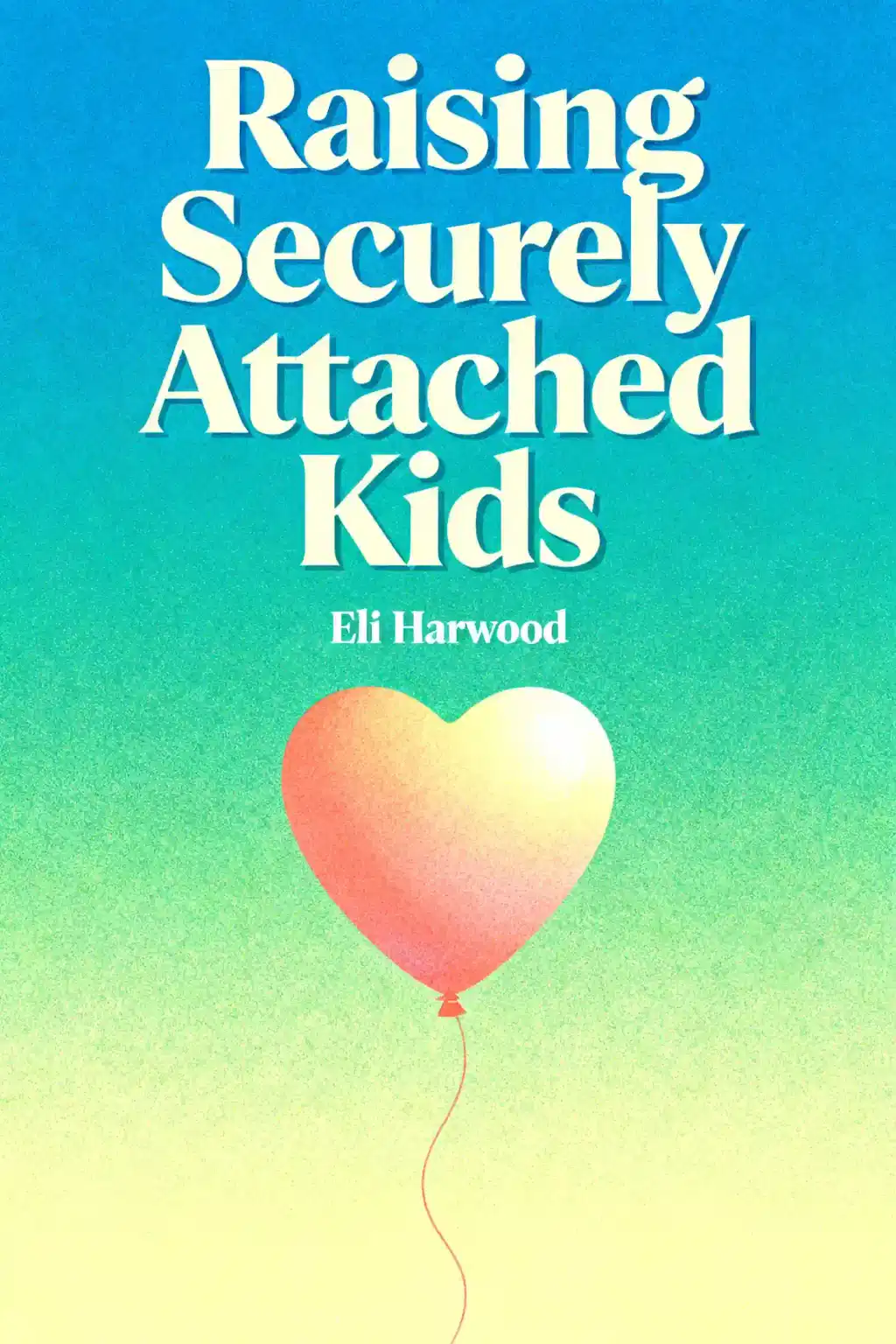
Raise smart, kind, and creative kids
In an era of rapid change, raising well-rounded children requires a balance of emotional security and intellectual agility. This plan is essential for parents and educators seeking evidence-based methods to nurture empathy, innovation, and cognitive growth in the next generation.

Nurture sons for lifelong well-being
Raising boys in the modern world requires a specialized approach to emotional development and character building. This plan is essential for parents and mentors seeking to bridge the communication gap and foster authentic masculinity from childhood through adulthood.

Build Resilience in People-Pleasing Kids
This plan is essential for parents who notice their children prioritizing others' happiness at the expense of their own well-being. It provides a roadmap for transforming submissive behaviors into confident self-advocacy, making it ideal for families seeking to raise emotionally secure and resilient individuals.

Raising confident children gen z
Today's children face unprecedented challenges navigating identity development in a hyper-connected world. This learning plan equips parents with evidence-based strategies to raise confident Gen Z children who can thrive both online and offline while developing authentic self-assurance.
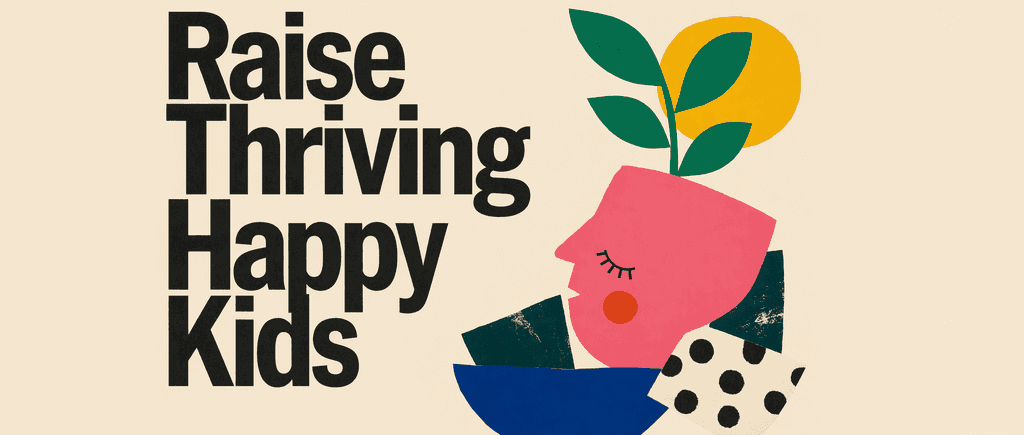
Maximize kids' growth, happiness & wellbeing
This plan is essential for parents and caregivers seeking a science-backed approach to child-rearing. It bridges the gap between developmental psychology and practical daily parenting to ensure children thrive from infancy through adolescence.

The Moral Compass of Hank Hill
This study is essential for those interested in the intersection of character studies, Americana, and social ethics. It benefits students of media, sociology, or anyone seeking to understand how traditional values adapt to a modern landscape.
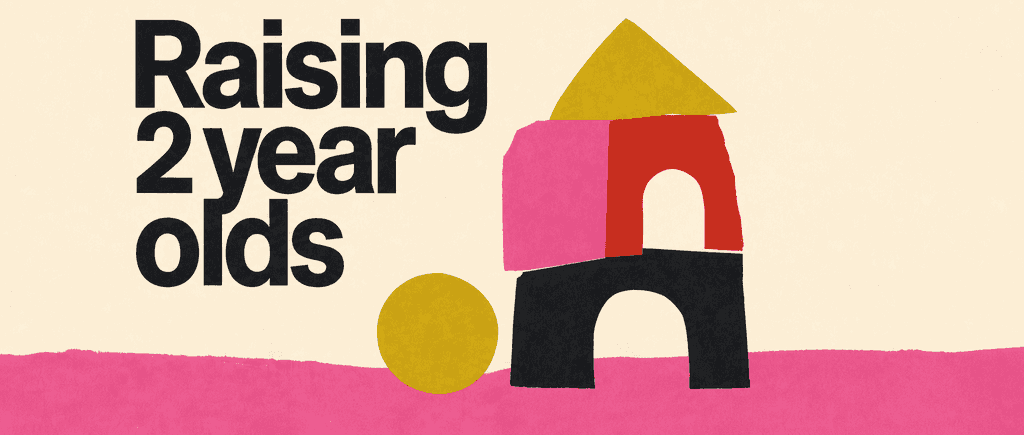
Raising 2 year olds
This learning plan is essential for parents and caregivers navigating the 'terrible twos' who want to replace frustration with understanding. It provides a comprehensive roadmap for those seeking to balance firm boundaries with a nurturing, connection-based approach to early childhood development.
Создано выпускниками Колумбийского университета в Сан-Франциско
"Instead of endless scrolling, I just hit play on BeFreed. It saves me so much time."


"I never knew where to start with nonfiction—BeFreed’s book lists turned into podcasts gave me a clear path."


"Perfect balance between learning and entertainment. Finished ‘Thinking, Fast and Slow’ on my commute this week."
"Crazy how much I learned while walking the dog. BeFreed = small habits → big gains."
"Reading used to feel like a chore. Now it’s just part of my lifestyle."

"Feels effortless compared to reading. I’ve finished 6 books this month already."
"BeFreed turned my guilty doomscrolling into something that feels productive and inspiring."

"BeFreed turned my commute into learning time. 20-min podcasts are perfect for finishing books I never had time for."
"BeFreed replaced my podcast queue. Imagine Spotify for books — that’s it. 🙌"

"It is great for me to learn something from the book without reading it."
"The themed book list podcasts help me connect ideas across authors—like a guided audio journey."
"Makes me feel smarter every time before going to work"
Создано выпускниками Колумбийского университета в Сан-Франциско
"Instead of endless scrolling, I just hit play on BeFreed. It saves me so much time."
"I never knew where to start with nonfiction—BeFreed’s book lists turned into podcasts gave me a clear path."
"Perfect balance between learning and entertainment. Finished ‘Thinking, Fast and Slow’ on my commute this week."
"Crazy how much I learned while walking the dog. BeFreed = small habits → big gains."
"Reading used to feel like a chore. Now it’s just part of my lifestyle."
"Feels effortless compared to reading. I’ve finished 6 books this month already."
"BeFreed turned my guilty doomscrolling into something that feels productive and inspiring."
"BeFreed turned my commute into learning time. 20-min podcasts are perfect for finishing books I never had time for."
"BeFreed replaced my podcast queue. Imagine Spotify for books — that’s it. 🙌"
"It is great for me to learn something from the book without reading it."
"The themed book list podcasts help me connect ideas across authors—like a guided audio journey."
"Makes me feel smarter every time before going to work"
"Instead of endless scrolling, I just hit play on BeFreed. It saves me so much time."
"I never knew where to start with nonfiction—BeFreed’s book lists turned into podcasts gave me a clear path."
"Perfect balance between learning and entertainment. Finished ‘Thinking, Fast and Slow’ on my commute this week."
"Crazy how much I learned while walking the dog. BeFreed = small habits → big gains."
"Reading used to feel like a chore. Now it’s just part of my lifestyle."
"Feels effortless compared to reading. I’ve finished 6 books this month already."
"BeFreed turned my guilty doomscrolling into something that feels productive and inspiring."
"BeFreed turned my commute into learning time. 20-min podcasts are perfect for finishing books I never had time for."
"BeFreed replaced my podcast queue. Imagine Spotify for books — that’s it. 🙌"
"It is great for me to learn something from the book without reading it."
"The themed book list podcasts help me connect ideas across authors—like a guided audio journey."
"Makes me feel smarter every time before going to work"
"Instead of endless scrolling, I just hit play on BeFreed. It saves me so much time."
"I never knew where to start with nonfiction—BeFreed’s book lists turned into podcasts gave me a clear path."
"Perfect balance between learning and entertainment. Finished ‘Thinking, Fast and Slow’ on my commute this week."
"Crazy how much I learned while walking the dog. BeFreed = small habits → big gains."
"Reading used to feel like a chore. Now it’s just part of my lifestyle."
"Feels effortless compared to reading. I’ve finished 6 books this month already."
"BeFreed turned my guilty doomscrolling into something that feels productive and inspiring."
"BeFreed turned my commute into learning time. 20-min podcasts are perfect for finishing books I never had time for."
"BeFreed replaced my podcast queue. Imagine Spotify for books — that’s it. 🙌"
"It is great for me to learn something from the book without reading it."
"The themed book list podcasts help me connect ideas across authors—like a guided audio journey."
"Makes me feel smarter every time before going to work"