Only Child Myths Debunked by Science
Discover how rigorous research completely dismantles century-old stereotypes about only children, revealing they actually outperform peers in character, achievement, and prosocial behavior across cultures.

Лучшая цитата из Only Child Myths Debunked by Science
The research suggests that the number of children you have is less important than the quality of the family environment you create; only children actually surpass or equal their peers in achievement, character development, and social adjustment.

Этот аудиоурок был создан участником сообщества BeFreed
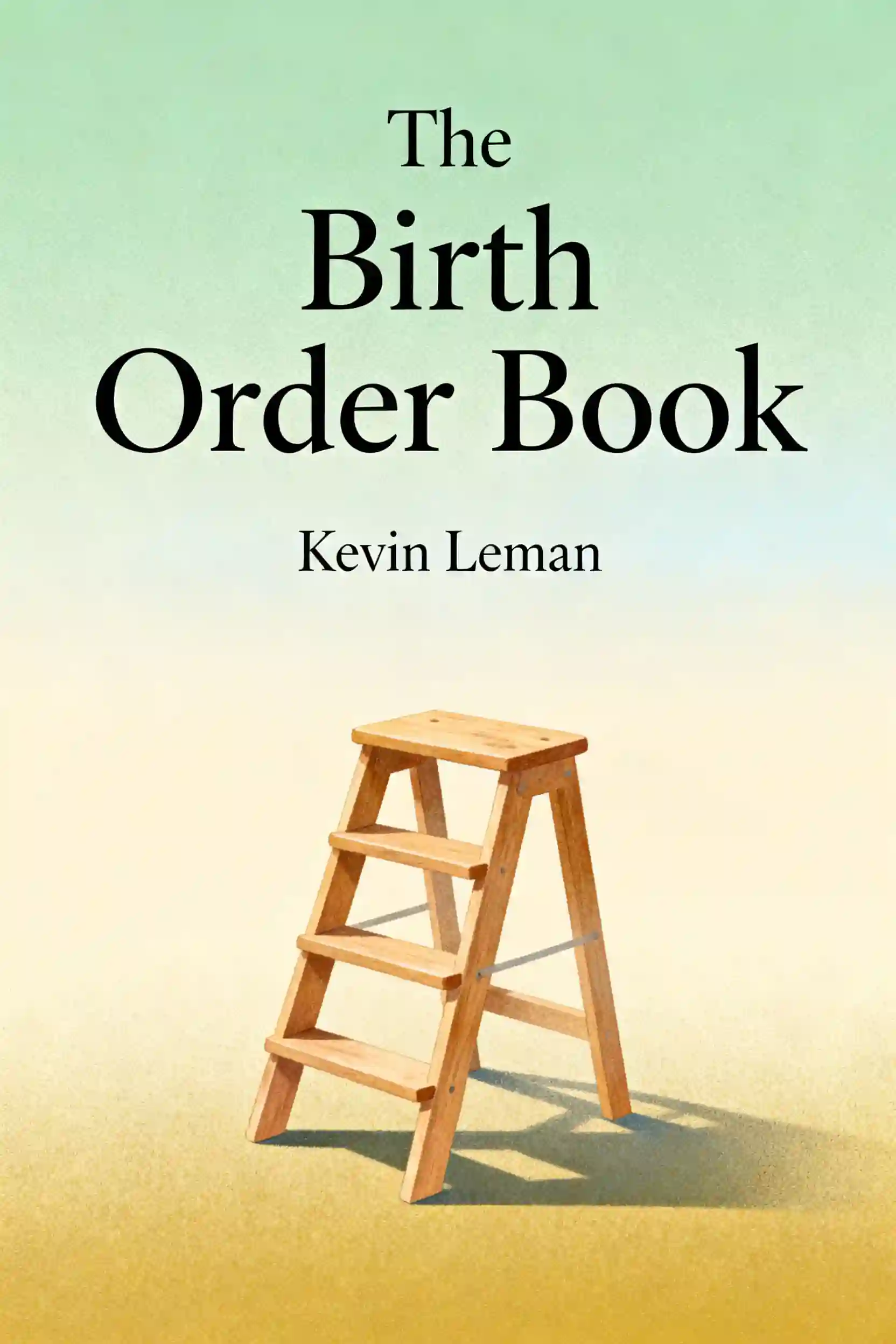
Being an only child



![[PDF] The Rise of Single-Child Families: Psychologically Harming the Child?](https://d1y2du6z1jfm9e.cloudfront.net/assets/podcast/yellow.png)


Узнать больше
The Only-Child's Guide to Self-Reliance
This guide is essential for individuals who grew up as only children and find themselves struggling with social integration or decision paralysis. It provides a roadmap for transforming solo-oriented habits into collaborative strengths and self-assured leadership.

Raising confident children gen z
Today's children face unprecedented challenges navigating identity development in a hyper-connected world. This learning plan equips parents with evidence-based strategies to raise confident Gen Z children who can thrive both online and offline while developing authentic self-assurance.
Maximize kids' growth, happiness & wellbeing
This plan is essential for parents and caregivers seeking a science-backed approach to child-rearing. It bridges the gap between developmental psychology and practical daily parenting to ensure children thrive from infancy through adolescence.

Children of alcoholic parents
Growing up with an alcoholic parent creates lasting impacts on emotional development, self-worth, and relationship patterns that persist into adulthood. This learning plan is essential for adult children of alcoholics who struggle with codependency, relationship difficulties, shame, or repeating unhealthy family patterns. Understanding and healing these wounds is critical for breaking the cycle and building the fulfilling, authentic life you deserve.

Raise smart, kind, and creative kids
In an era of rapid change, raising well-rounded children requires a balance of emotional security and intellectual agility. This plan is essential for parents and educators seeking evidence-based methods to nurture empathy, innovation, and cognitive growth in the next generation.

Kids social media detox
As children spend increasing hours on social media, parents are witnessing concerning changes in their kids' mental health, sleep patterns, and social development. This learning plan is essential for parents who want to break the cycle of digital dependency and help their children reclaim childhood through meaningful offline experiences. It's particularly valuable for families struggling with screen time conflicts or noticing signs of social media's negative impact on their child's wellbeing.

The Multi-Age Parenting Playbook
Raising children of different ages requires a dynamic approach to discipline and connection that traditional parenting guides often overlook. This playbook is essential for parents seeking to balance diverse developmental needs without burning out, providing a roadmap for a more peaceful and organized home.
Becoming a better parent
Parenting is one of life's most important roles, yet most of us receive no formal training for it. This learning plan provides evidence-based strategies grounded in child development research and psychology to help parents build stronger connections, handle challenges effectively, and raise emotionally healthy children. It's ideal for parents at any stage—from those with young children seeking a strong foundation to those navigating the turbulent teenage years.
Создано выпускниками Колумбийского университета в Сан-Франциско
"Instead of endless scrolling, I just hit play on BeFreed. It saves me so much time."


"I never knew where to start with nonfiction—BeFreed’s book lists turned into podcasts gave me a clear path."


"Perfect balance between learning and entertainment. Finished ‘Thinking, Fast and Slow’ on my commute this week."
"Crazy how much I learned while walking the dog. BeFreed = small habits → big gains."
"Reading used to feel like a chore. Now it’s just part of my lifestyle."

"Feels effortless compared to reading. I’ve finished 6 books this month already."
"BeFreed turned my guilty doomscrolling into something that feels productive and inspiring."

"BeFreed turned my commute into learning time. 20-min podcasts are perfect for finishing books I never had time for."
"BeFreed replaced my podcast queue. Imagine Spotify for books — that’s it. 🙌"

"It is great for me to learn something from the book without reading it."
"The themed book list podcasts help me connect ideas across authors—like a guided audio journey."
"Makes me feel smarter every time before going to work"
Создано выпускниками Колумбийского университета в Сан-Франциско
"Instead of endless scrolling, I just hit play on BeFreed. It saves me so much time."
"I never knew where to start with nonfiction—BeFreed’s book lists turned into podcasts gave me a clear path."
"Perfect balance between learning and entertainment. Finished ‘Thinking, Fast and Slow’ on my commute this week."
"Crazy how much I learned while walking the dog. BeFreed = small habits → big gains."
"Reading used to feel like a chore. Now it’s just part of my lifestyle."
"Feels effortless compared to reading. I’ve finished 6 books this month already."
"BeFreed turned my guilty doomscrolling into something that feels productive and inspiring."
"BeFreed turned my commute into learning time. 20-min podcasts are perfect for finishing books I never had time for."
"BeFreed replaced my podcast queue. Imagine Spotify for books — that’s it. 🙌"
"It is great for me to learn something from the book without reading it."
"The themed book list podcasts help me connect ideas across authors—like a guided audio journey."
"Makes me feel smarter every time before going to work"
"Instead of endless scrolling, I just hit play on BeFreed. It saves me so much time."
"I never knew where to start with nonfiction—BeFreed’s book lists turned into podcasts gave me a clear path."
"Perfect balance between learning and entertainment. Finished ‘Thinking, Fast and Slow’ on my commute this week."
"Crazy how much I learned while walking the dog. BeFreed = small habits → big gains."
"Reading used to feel like a chore. Now it’s just part of my lifestyle."
"Feels effortless compared to reading. I’ve finished 6 books this month already."
"BeFreed turned my guilty doomscrolling into something that feels productive and inspiring."
"BeFreed turned my commute into learning time. 20-min podcasts are perfect for finishing books I never had time for."
"BeFreed replaced my podcast queue. Imagine Spotify for books — that’s it. 🙌"
"It is great for me to learn something from the book without reading it."
"The themed book list podcasts help me connect ideas across authors—like a guided audio journey."
"Makes me feel smarter every time before going to work"
"Instead of endless scrolling, I just hit play on BeFreed. It saves me so much time."
"I never knew where to start with nonfiction—BeFreed’s book lists turned into podcasts gave me a clear path."
"Perfect balance between learning and entertainment. Finished ‘Thinking, Fast and Slow’ on my commute this week."
"Crazy how much I learned while walking the dog. BeFreed = small habits → big gains."
"Reading used to feel like a chore. Now it’s just part of my lifestyle."
"Feels effortless compared to reading. I’ve finished 6 books this month already."
"BeFreed turned my guilty doomscrolling into something that feels productive and inspiring."
"BeFreed turned my commute into learning time. 20-min podcasts are perfect for finishing books I never had time for."
"BeFreed replaced my podcast queue. Imagine Spotify for books — that’s it. 🙌"
"It is great for me to learn something from the book without reading it."
"The themed book list podcasts help me connect ideas across authors—like a guided audio journey."
"Makes me feel smarter every time before going to work"