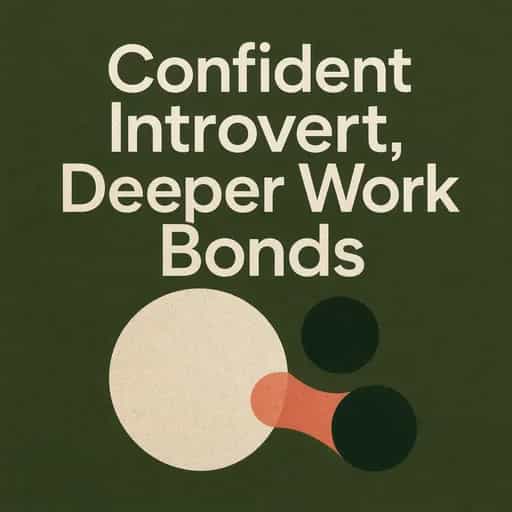
Networking for Introverts: Quality Over Quantity
Stop faking extroversion and start leveraging your natural strengths. Learn how to navigate crowded events with strategic intent, deep listening, and a plan that protects your social battery.

Лучшая цитата из Networking for Introverts: Quality Over Quantity
Networking is not about how many people you can shout at in a room; it’s about shifting from a transactional mindset to a learning mindset where your real superpowers are deep listening and intentionality.
Generated by Sophie
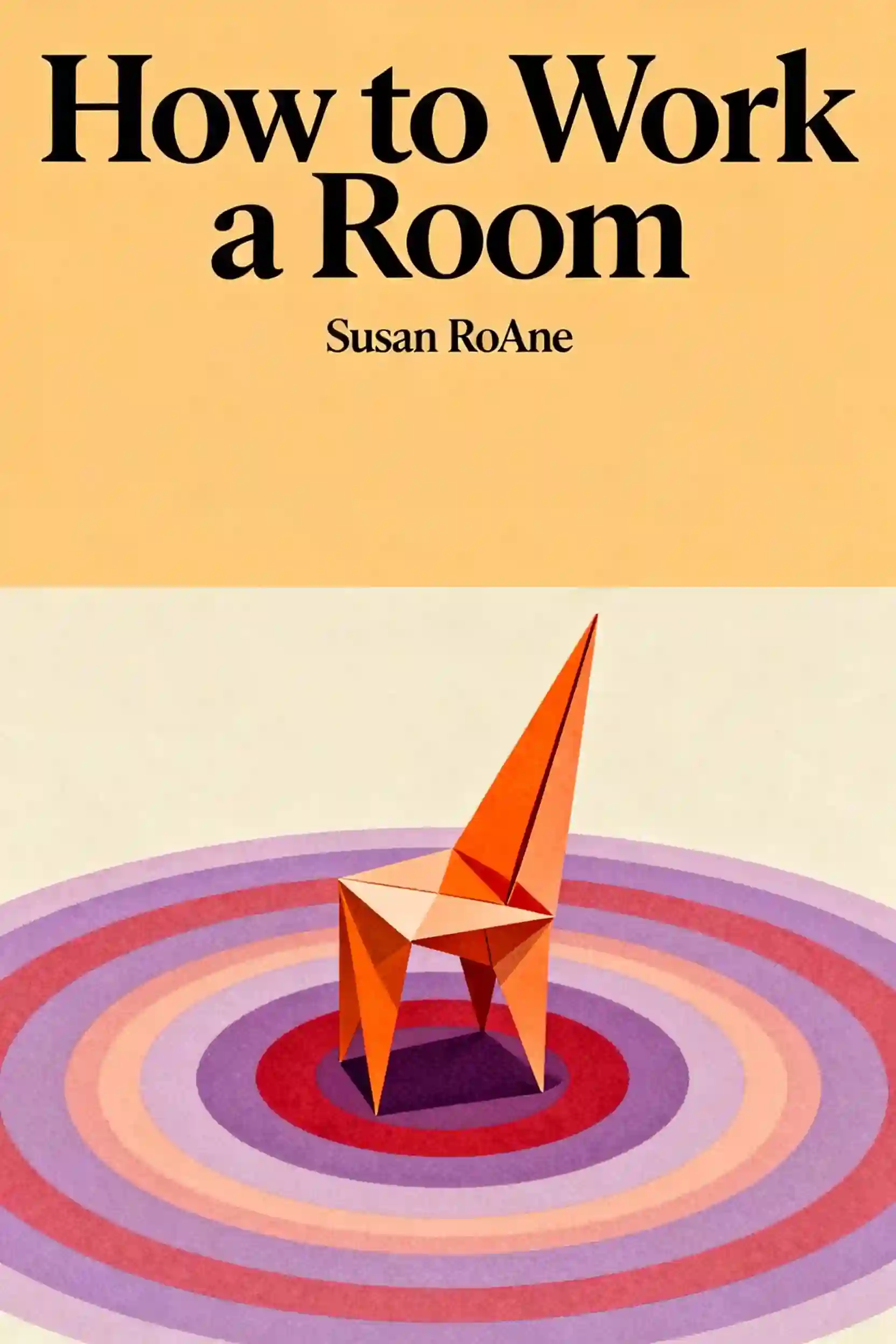
How to work a room and network as a natural introvert


Часто задаваемые вопросы
This exhaustion is often referred to as an "introvert hangover," characterized by brain fog and physical fatigue when a person's social energy bank is depleted. While commonly associated with introverts, research indicates that even extroverts typically experience social fatigue after about three hours of continuous interaction. For introverts, this drain is often exacerbated by the pressure to "perform" or engage in high-volume, surface-level socializing that doesn't align with their natural preference for deep, calm introspection.
The most effective strategy is to shift from a quantity-based "numbers game" to a quality-based "strategic intent" mindset. Instead of trying to collect dozens of business cards, set a goal for just two or three high-quality, meaningful conversations. You can also adopt a "generosity first" approach by acting as a "host helper" or "matchmaker," which shifts the spotlight off yourself and onto providing value to others. This turns a high-pressure social situation into a purposeful, manageable task.
Introverts can use a "Small Talk Toolkit" consisting of prepared open-ended questions that move past the surface, such as asking about someone’s most interesting project or their toughest current challenge. This plays to the introvert's strength in deep listening while letting the other person do the "heavy lifting" of talking. Additionally, techniques like the "Keyword Echo"—repeating a key phrase someone just said back to them as a question—can encourage the speaker to expand on their thoughts without requiring the introvert to formulate a complex response.
Exiting a conversation is essential for energy management and can be done warmly but firmly using a pre-planned "out." You can respect the other person's time by saying you’d like to grab their card to continue the chat later, or mention a "Colleague Catch-up" where you need to see someone else before they leave. Another effective method is the "Micro-Commitment," where you wrap up by offering to send a specific article or link related to your discussion, which keeps the connection alive while allowing you to physically move on.
Yes, introverts can excel at "asynchronous networking" through platforms like LinkedIn, email, or Slack communities. This allows for more thoughtful, personalized communication without the pressure of real-time interaction. Strategies include leaving insightful comments on others' posts, sending personalized follow-up notes that reference specific conversation details, or engaging in "Content-Based Networking" by sharing your own articles. These methods allow you to build a professional brand and visibility based on your expertise and thoughtfulness rather than "schmoozing" skills.
Создано выпускниками Колумбийского университета в Сан-Франциско
"Instead of endless scrolling, I just hit play on BeFreed. It saves me so much time."


"I never knew where to start with nonfiction—BeFreed’s book lists turned into podcasts gave me a clear path."


"Perfect balance between learning and entertainment. Finished ‘Thinking, Fast and Slow’ on my commute this week."
"Crazy how much I learned while walking the dog. BeFreed = small habits → big gains."
"Reading used to feel like a chore. Now it’s just part of my lifestyle."

"Feels effortless compared to reading. I’ve finished 6 books this month already."
"BeFreed turned my guilty doomscrolling into something that feels productive and inspiring."

"BeFreed turned my commute into learning time. 20-min podcasts are perfect for finishing books I never had time for."
"BeFreed replaced my podcast queue. Imagine Spotify for books — that’s it. 🙌"

"It is great for me to learn something from the book without reading it."
"The themed book list podcasts help me connect ideas across authors—like a guided audio journey."
"Makes me feel smarter every time before going to work"
 Ask ChatGPT
 Ask Claude
Создано выпускниками Колумбийского университета в Сан-Франциско
"Instead of endless scrolling, I just hit play on BeFreed. It saves me so much time."
"I never knew where to start with nonfiction—BeFreed’s book lists turned into podcasts gave me a clear path."
"Perfect balance between learning and entertainment. Finished ‘Thinking, Fast and Slow’ on my commute this week."
"Crazy how much I learned while walking the dog. BeFreed = small habits → big gains."
"Reading used to feel like a chore. Now it’s just part of my lifestyle."
"Feels effortless compared to reading. I’ve finished 6 books this month already."
"BeFreed turned my guilty doomscrolling into something that feels productive and inspiring."
"BeFreed turned my commute into learning time. 20-min podcasts are perfect for finishing books I never had time for."
"BeFreed replaced my podcast queue. Imagine Spotify for books — that’s it. 🙌"
"It is great for me to learn something from the book without reading it."
"The themed book list podcasts help me connect ideas across authors—like a guided audio journey."
"Makes me feel smarter every time before going to work"
"Instead of endless scrolling, I just hit play on BeFreed. It saves me so much time."
"I never knew where to start with nonfiction—BeFreed’s book lists turned into podcasts gave me a clear path."
"Perfect balance between learning and entertainment. Finished ‘Thinking, Fast and Slow’ on my commute this week."
"Crazy how much I learned while walking the dog. BeFreed = small habits → big gains."
"Reading used to feel like a chore. Now it’s just part of my lifestyle."
"Feels effortless compared to reading. I’ve finished 6 books this month already."
"BeFreed turned my guilty doomscrolling into something that feels productive and inspiring."
"BeFreed turned my commute into learning time. 20-min podcasts are perfect for finishing books I never had time for."
"BeFreed replaced my podcast queue. Imagine Spotify for books — that’s it. 🙌"
"It is great for me to learn something from the book without reading it."
"The themed book list podcasts help me connect ideas across authors—like a guided audio journey."
"Makes me feel smarter every time before going to work"
"Instead of endless scrolling, I just hit play on BeFreed. It saves me so much time."
"I never knew where to start with nonfiction—BeFreed’s book lists turned into podcasts gave me a clear path."
"Perfect balance between learning and entertainment. Finished ‘Thinking, Fast and Slow’ on my commute this week."
"Crazy how much I learned while walking the dog. BeFreed = small habits → big gains."
"Reading used to feel like a chore. Now it’s just part of my lifestyle."
"Feels effortless compared to reading. I’ve finished 6 books this month already."
"BeFreed turned my guilty doomscrolling into something that feels productive and inspiring."
"BeFreed turned my commute into learning time. 20-min podcasts are perfect for finishing books I never had time for."
"BeFreed replaced my podcast queue. Imagine Spotify for books — that’s it. 🙌"
"It is great for me to learn something from the book without reading it."
"The themed book list podcasts help me connect ideas across authors—like a guided audio journey."
"Makes me feel smarter every time before going to work"