Nature's Divine Rebellion
Explore Transcendentalism, America's philosophical revolution that rejected religious institutions in favor of finding the divine in nature and within ourselves—a radical idea that continues to shape American thought today.

Лучшая цитата из Nature's Divine Rebellion
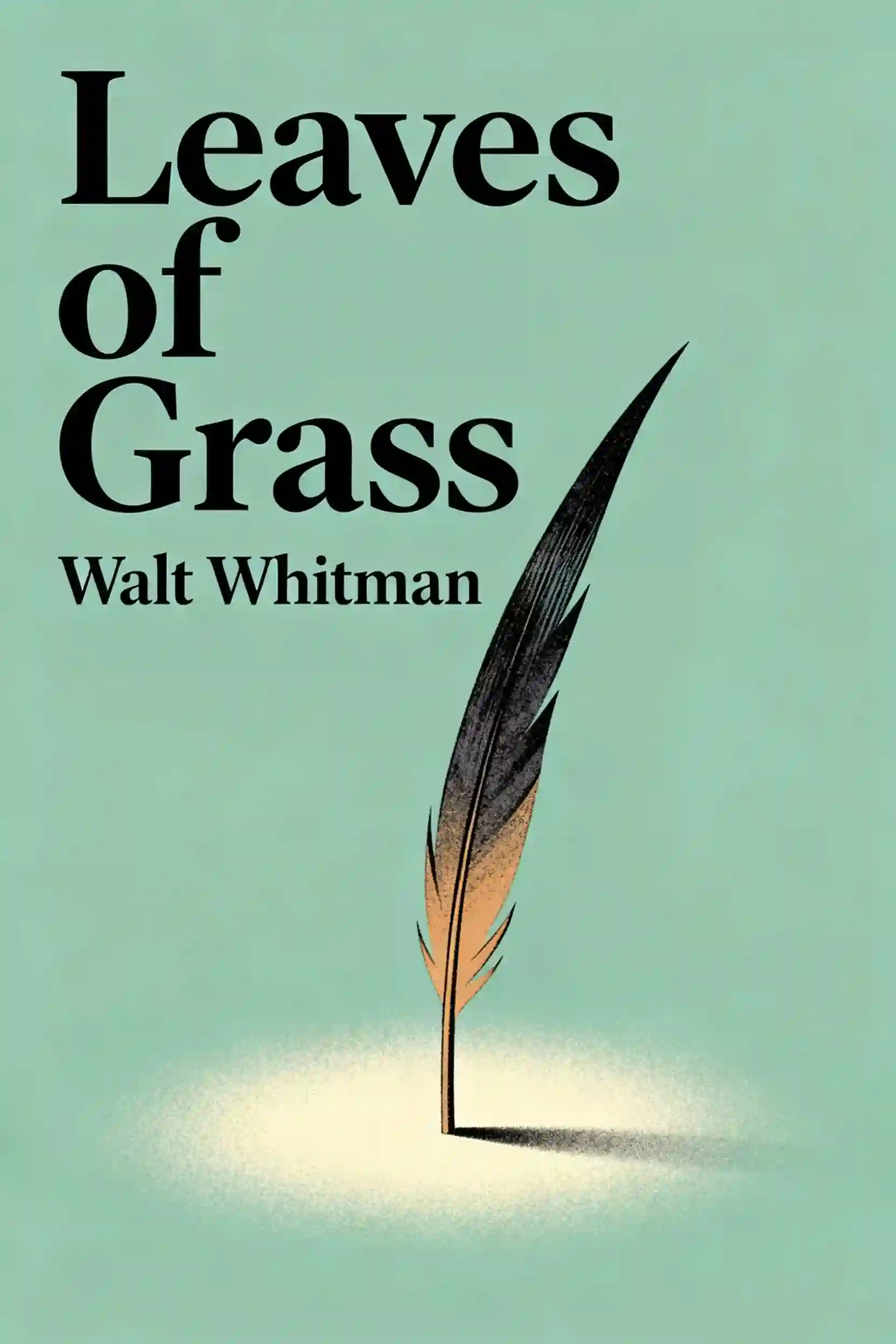
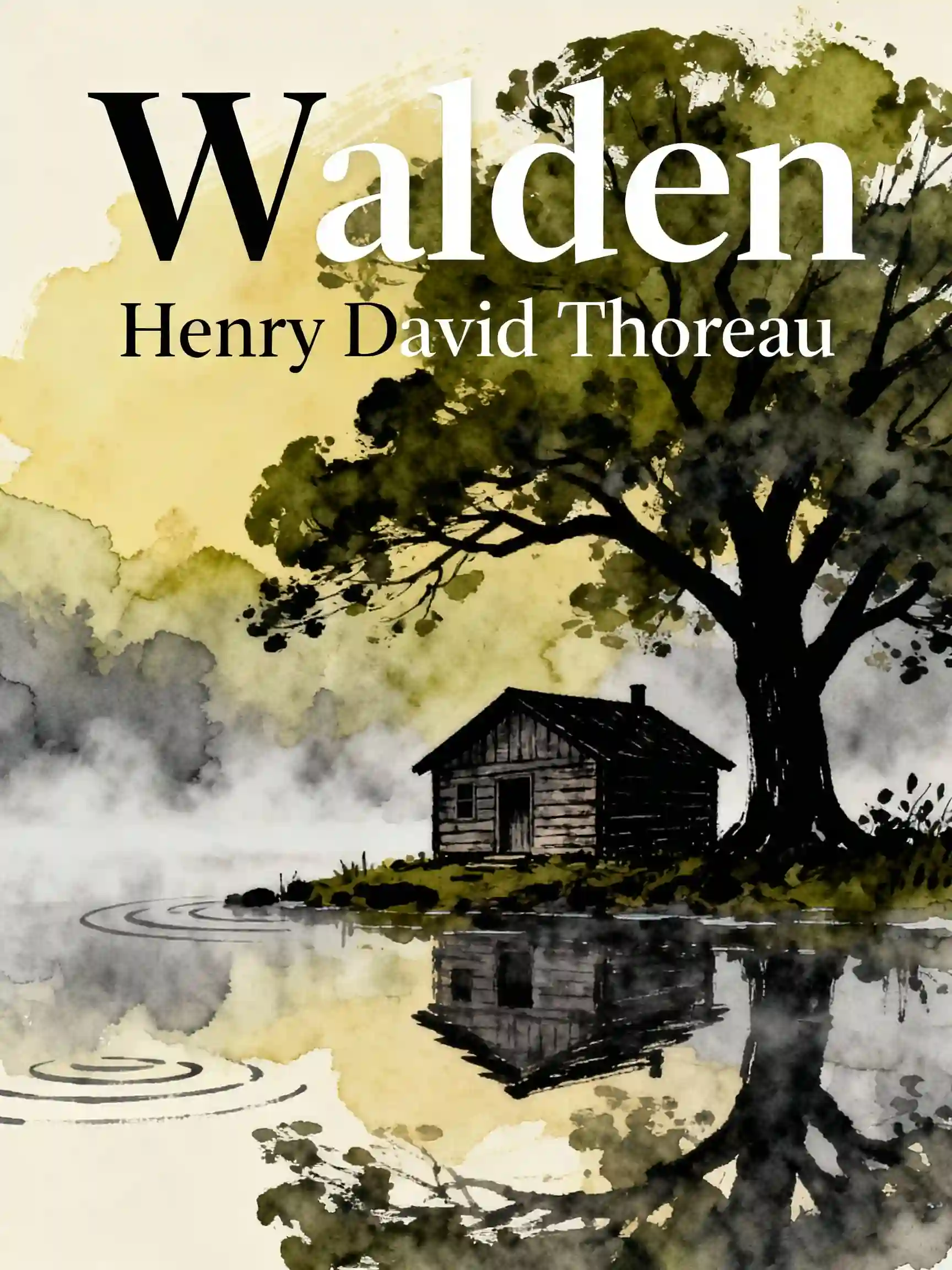
Nothing at last is sacred but the integrity of your own mind. If you're literally connected to universal truth through your own consciousness, then trusting yourself isn't arrogance—it's spiritual practice.

Этот аудиоурок был создан участником сообщества BeFreed
Transadentalism


Узнать больше

Spiritual awakening
Spiritual awakening offers a transformative path to greater awareness, inner peace, and connection with something beyond the ordinary self. This learning plan serves those seeking deeper meaning in life, whether they're new to spiritual concepts or looking to deepen an existing practice.

Counterculture Roots: From Renaissance to Punk
This plan bridges centuries of history to show how rebellion and alternative identities evolve over time. It is ideal for history buffs, subculture enthusiasts, and artists seeking to understand the deep roots of non-conformity.

Understand Nietzsche's Core Ideas
Friedrich Nietzsche's revolutionary philosophy challenged fundamental Western assumptions about truth, morality, and human potential. This learning plan provides essential insights for anyone interested in philosophy, critical thinking, or personal development, offering a structured approach to understanding one of history's most misunderstood and influential thinkers.

Existentialism
This plan provides a roadmap for navigating the complexities of modern existence by engaging with the world's most influential thinkers. It is ideal for anyone seeking to build a resilient personal philosophy and find clarity in their own freedom and ethical choices.

Deconstruct Religion for Non-Dual Pantheism
This plan is essential for individuals seeking to reconcile their spiritual intuition with a rational, nature-centered worldview. It serves those transitioning out of traditional dogma who want to explore profound philosophical unity and non-dual awareness.
The Enlightenment and Human Nature
This plan traces the intellectual revolution that replaced superstition with science and defined modern citizenship. It is ideal for students of philosophy, history, or political science seeking to understand the origins of individual liberty and rational thought.

The Reason Revolution
This plan is essential for anyone seeking to understand the intellectual foundations of the modern world and the shift from religious to secular authority. It is ideal for history buffs, political science students, and curious minds interested in the origins of human rights and contemporary social unrest.

Explore Nature, Philosophy & Mental Health
This plan bridges the gap between environmental science, ancient wisdom, and modern psychology to address the modern crisis of disconnection. It is ideal for individuals seeking a grounded, philosophical approach to mental health and a more meaningful relationship with the natural world.
Создано выпускниками Колумбийского университета в Сан-Франциско
"Instead of endless scrolling, I just hit play on BeFreed. It saves me so much time."


"I never knew where to start with nonfiction—BeFreed’s book lists turned into podcasts gave me a clear path."


"Perfect balance between learning and entertainment. Finished ‘Thinking, Fast and Slow’ on my commute this week."
"Crazy how much I learned while walking the dog. BeFreed = small habits → big gains."
"Reading used to feel like a chore. Now it’s just part of my lifestyle."

"Feels effortless compared to reading. I’ve finished 6 books this month already."
"BeFreed turned my guilty doomscrolling into something that feels productive and inspiring."

"BeFreed turned my commute into learning time. 20-min podcasts are perfect for finishing books I never had time for."
"BeFreed replaced my podcast queue. Imagine Spotify for books — that’s it. 🙌"

"It is great for me to learn something from the book without reading it."
"The themed book list podcasts help me connect ideas across authors—like a guided audio journey."
"Makes me feel smarter every time before going to work"
Создано выпускниками Колумбийского университета в Сан-Франциско
"Instead of endless scrolling, I just hit play on BeFreed. It saves me so much time."
"I never knew where to start with nonfiction—BeFreed’s book lists turned into podcasts gave me a clear path."
"Perfect balance between learning and entertainment. Finished ‘Thinking, Fast and Slow’ on my commute this week."
"Crazy how much I learned while walking the dog. BeFreed = small habits → big gains."
"Reading used to feel like a chore. Now it’s just part of my lifestyle."
"Feels effortless compared to reading. I’ve finished 6 books this month already."
"BeFreed turned my guilty doomscrolling into something that feels productive and inspiring."
"BeFreed turned my commute into learning time. 20-min podcasts are perfect for finishing books I never had time for."
"BeFreed replaced my podcast queue. Imagine Spotify for books — that’s it. 🙌"
"It is great for me to learn something from the book without reading it."
"The themed book list podcasts help me connect ideas across authors—like a guided audio journey."
"Makes me feel smarter every time before going to work"
"Instead of endless scrolling, I just hit play on BeFreed. It saves me so much time."
"I never knew where to start with nonfiction—BeFreed’s book lists turned into podcasts gave me a clear path."
"Perfect balance between learning and entertainment. Finished ‘Thinking, Fast and Slow’ on my commute this week."
"Crazy how much I learned while walking the dog. BeFreed = small habits → big gains."
"Reading used to feel like a chore. Now it’s just part of my lifestyle."
"Feels effortless compared to reading. I’ve finished 6 books this month already."
"BeFreed turned my guilty doomscrolling into something that feels productive and inspiring."
"BeFreed turned my commute into learning time. 20-min podcasts are perfect for finishing books I never had time for."
"BeFreed replaced my podcast queue. Imagine Spotify for books — that’s it. 🙌"
"It is great for me to learn something from the book without reading it."
"The themed book list podcasts help me connect ideas across authors—like a guided audio journey."
"Makes me feel smarter every time before going to work"
"Instead of endless scrolling, I just hit play on BeFreed. It saves me so much time."
"I never knew where to start with nonfiction—BeFreed’s book lists turned into podcasts gave me a clear path."
"Perfect balance between learning and entertainment. Finished ‘Thinking, Fast and Slow’ on my commute this week."
"Crazy how much I learned while walking the dog. BeFreed = small habits → big gains."
"Reading used to feel like a chore. Now it’s just part of my lifestyle."
"Feels effortless compared to reading. I’ve finished 6 books this month already."
"BeFreed turned my guilty doomscrolling into something that feels productive and inspiring."
"BeFreed turned my commute into learning time. 20-min podcasts are perfect for finishing books I never had time for."
"BeFreed replaced my podcast queue. Imagine Spotify for books — that’s it. 🙌"
"It is great for me to learn something from the book without reading it."
"The themed book list podcasts help me connect ideas across authors—like a guided audio journey."
"Makes me feel smarter every time before going to work"