Discover evidence-based lifestyle changes that can reduce sleep apnea symptoms by 30-50% without medical devices. From simple sleep positioning to targeted exercises, learn practical strategies that transform your nights and energize your days.

Natural and lifestyle approaches to managing sleep apnea without clinical intervention


Создано выпускниками Колумбийского университета в Сан-Франциско
"Instead of endless scrolling, I just hit play on BeFreed. It saves me so much time."
"I never knew where to start with nonfiction—BeFreed’s book lists turned into podcasts gave me a clear path."
"Perfect balance between learning and entertainment. Finished ‘Thinking, Fast and Slow’ on my commute this week."
"Crazy how much I learned while walking the dog. BeFreed = small habits → big gains."
"Reading used to feel like a chore. Now it’s just part of my lifestyle."
"Feels effortless compared to reading. I’ve finished 6 books this month already."
"BeFreed turned my guilty doomscrolling into something that feels productive and inspiring."
"BeFreed turned my commute into learning time. 20-min podcasts are perfect for finishing books I never had time for."
"BeFreed replaced my podcast queue. Imagine Spotify for books — that’s it. 🙌"
"It is great for me to learn something from the book without reading it."
"The themed book list podcasts help me connect ideas across authors—like a guided audio journey."
"Makes me feel smarter every time before going to work"
Создано выпускниками Колумбийского университета в Сан-Франциско

Lena: Hey everyone, welcome back to another personalized episode from BeFreed-I'm Lena, and I'm absolutely thrilled to be diving into today's topic with my co-host Eli.
Eli: And I'm Eli! Oh man, Lena, I am so excited about this one. We're exploring natural and lifestyle approaches to managing sleep apnea without clinical intervention, and honestly, this is such a game-changer topic. There's so much hope and practical wisdom we can share with our listeners today.
Lena: Absolutely! You know, when people think about sleep apnea, they often jump straight to CPAP machines or surgery, but there's this whole world of natural approaches that can make a real difference. I mean, we're talking about lifestyle changes that could literally transform someone's nights-and their days too.
Lena: So Eli, let's start with the big picture here. When we talk about natural approaches to sleep apnea, what are we really looking at?
Eli: Oh, this is where it gets really exciting, Lena! So I was just reading about this in "8 Ways To Improve Obstructive Sleep Apnea Symptoms Naturally," and what struck me is how interconnected everything is. We're not just talking about one magic bullet-we're looking at this beautiful web of lifestyle changes that all work together.
Lena: That's fascinating. Can you break that down for our listeners? What does that web actually look like?
Eli: Absolutely! So picture this-you've got weight management, sleep positioning, exercise, diet changes, stress management, even things like playing wind instruments. But here's what's really cool-research from "Effectiveness of Lifestyle Interventions on Obstructive Sleep Apnea" shows that these approaches can reduce the apnea-hypopnea index by 6 to 12 events per hour. That's not just statistically significant-that's life-changing for many people!
Lena: Wow, those are real numbers. But I'm curious-and I think our listeners are too-how do we know these natural approaches actually work? I mean, what's the science telling us?
Eli: Great question! The systematic review I mentioned looked at over 800 participants across multiple studies. What they found was that lifestyle interventions, particularly those focusing on weight loss through diet and exercise, consistently improved sleep apnea parameters. Now, they were honest-these interventions rarely normalize breathing completely, but they can significantly reduce severity.
Lena: So we're talking about meaningful improvement, even if it's not a complete cure. That's actually really encouraging, because it means people have real options beyond just medical devices.
Eli: Exactly! And here's what I love about this approach-it's addressing the root causes, not just managing symptoms. When someone makes these lifestyle changes, they're not just improving their sleep apnea. They're boosting their overall health, their energy, their mood, their cardiovascular health. It's like getting multiple benefits from one investment.
Lena: Let's dig into one of the biggest factors here-weight management. I know this can be a sensitive topic for people, but the connection between weight and sleep apnea seems pretty significant, right?
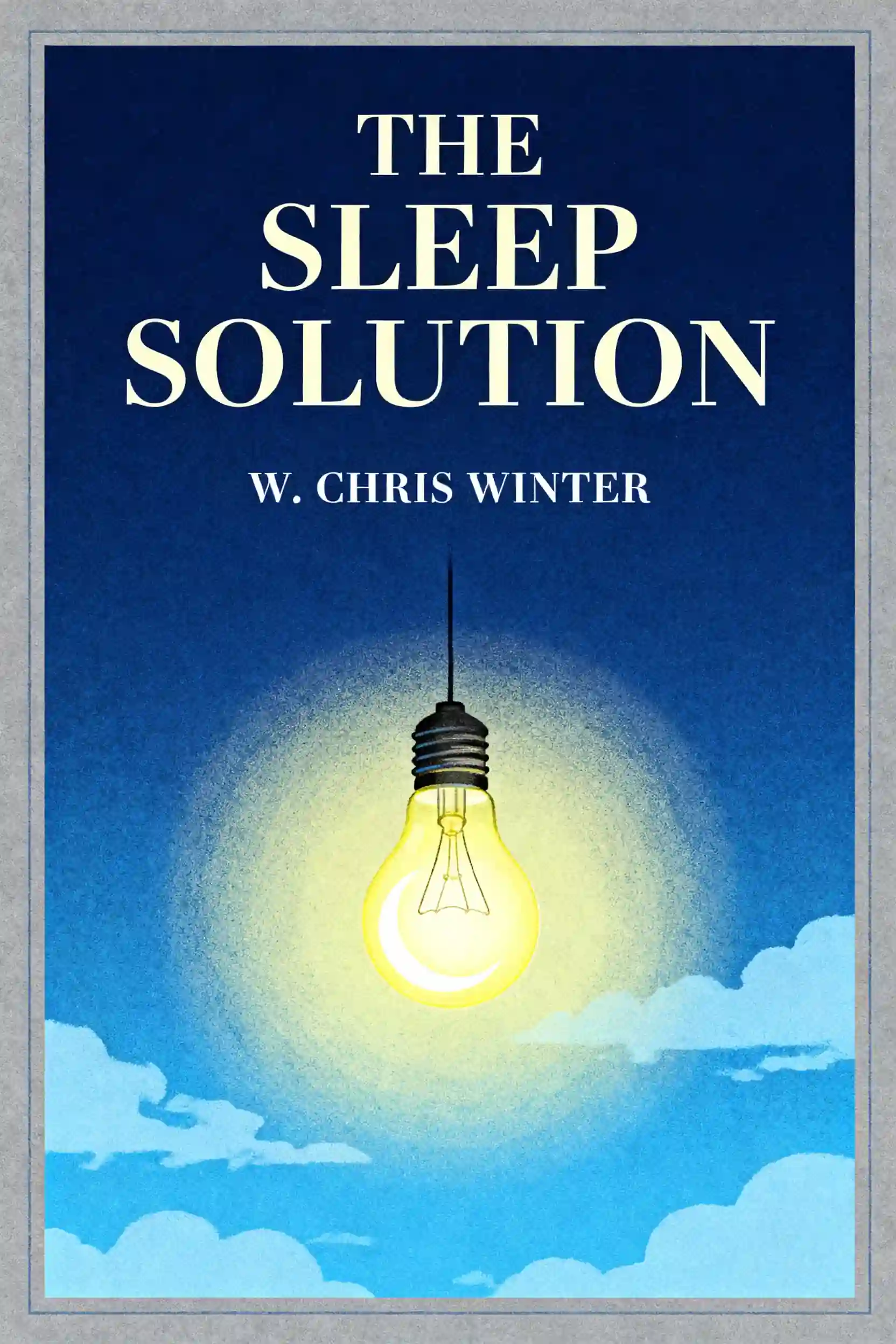
Eli: Oh absolutely, and you're right to approach this sensitively. The research shows that obesity is present in about 70% of people with obstructive sleep apnea. But here's what's really interesting from "The Sleep Solution"-it's not just about the number on the scale. It's about how excess weight, particularly around the neck and upper body, can physically narrow the airways.
Lena: So it's actually a mechanical issue in many cases?
Eli: Exactly! Dr. Winter explains it beautifully-when you have excess tissue around the neck and throat, it can literally squeeze the airway during sleep. But here's the hopeful part-the research shows that even a 10% reduction in body weight can lead to a 26% reduction in the apnea-hypopnea index.
Lena: That's a pretty incredible return on investment! So if someone weighs 200 pounds, losing just 20 pounds could make a substantial difference in their sleep apnea?
Eli: Precisely! And what I found really encouraging in the lifestyle intervention studies is that people didn't need to achieve their "ideal" weight to see benefits. Even moderate weight loss-we're talking 10 to 30 pounds for many people-produced measurable improvements in their sleep breathing.
Lena: Now, I have to ask-because I think our listeners are wondering this-what's the most effective approach for this kind of weight loss? Are we talking about extreme dieting here?
Eli: Actually, that's where the research gets really interesting. The studies looked at everything from very low-calorie diets to moderate dietary changes combined with exercise. The very low-calorie diets-under 800 calories per day-showed the most dramatic short-term results. But honestly, those aren't sustainable or safe for most people without medical supervision.
Lena: Right, and sustainability is key here. What about more moderate approaches?
Eli: That's where the magic really happens! The studies that combined moderate caloric restriction-think 1200 to 1500 calories for women, 1500 to 1800 for men-with regular exercise showed excellent results that people could actually maintain. We're talking about a Mediterranean-style diet rich in fruits, vegetables, lean proteins, and healthy fats.
Lena: I love that approach because it's not just about restriction-it's about nourishing your body. And I imagine the exercise component is crucial too?
Eli: Oh, absolutely! And this is where it gets really fascinating. The research shows that exercise helps with sleep apnea in multiple ways. Obviously, it supports weight management. But there's also evidence that regular physical activity can actually strengthen the muscles in your upper airway, making them less likely to collapse during sleep.
Lena: That's so interesting! So exercise is doing double duty here-helping with weight and actually strengthening the airways themselves. Can you tell us more about that?
Eli: This blew my mind when I read about it! There were studies where people did exercise training without significant weight loss, and they still saw improvements in their sleep apnea. The theory is that exercise enhances the tone of the pharyngeal muscles-basically, the muscles around your throat get stronger and more stable.
Lena: So what kind of exercise are we talking about here? Do people need to become marathon runners?
Eli: Not at all! The research suggests that moderate exercise-we're talking 30 minutes of walking, swimming, cycling, or other aerobic activity most days of the week-can make a real difference. One study even found that people who spent moderate amounts of time outdoors experienced better sleep than those who didn't.
Lena: Oh, that outdoor connection is interesting! Is that related to circadian rhythms?
Eli: Exactly! You're connecting the dots beautifully. "The Sleep Solution" emphasizes how crucial natural light exposure is for regulating our sleep-wake cycles. When we exercise outside, we're getting that bright light exposure that helps calibrate our biological clock. Plus, there's something about fresh air and nature that just naturally reduces stress.
Lena: And stress reduction-that's another piece of this puzzle, isn't it?
Eli: Oh my goodness, yes! The research on stress and sleep apnea is fascinating. Chronic stress increases cortisol levels, which can worsen sleep apnea symptoms. But here's the thing-exercise is one of the most effective natural stress reducers we have. It's like killing multiple birds with one stone.
Lena: So someone who starts a regular walking routine is potentially addressing weight, muscle tone, circadian rhythms, and stress all at once?
Eli: That's exactly right! And the beauty is that you don't need to be perfect. The studies showed benefits from as little as 150 minutes of moderate exercise per week. That's just over 20 minutes a day. Most people can find 20 minutes, especially when they start seeing improvements in their energy and sleep quality.
Lena: Now, let's talk about something that sounds almost too simple to be true-sleep position. I've heard that how you sleep can actually affect sleep apnea. Is that really a thing?
Eli: Oh, this is one of my favorite topics because it's so immediately actionable! The research on positional therapy is really compelling. Studies show that simply switching from back sleeping to side sleeping can reduce sleep apnea severity by up to 50% in some people.
Lena: Fifty percent? Just from changing position? That seems almost miraculous!
Eli: I know, right? It sounds too good to be true, but the physics makes perfect sense. When you sleep on your back, gravity pulls your tongue and soft tissues backward, which can narrow or block your airway. When you sleep on your side, gravity works differently-those tissues fall to the side instead of blocking your breathing passage.
Lena: So this is another one of those mechanical solutions, like the weight loss?
Eli: Exactly! And what I love about the positional therapy research is how creative people have gotten. There are studies on everything from special pillows to devices that vibrate when you roll onto your back, even tennis balls sewn into pajama shirts!
Lena: Tennis balls in pajamas? That's actually kind of genius! Does it work?
Eli: It does! It's called the "tennis ball technique," and it's surprisingly effective for people who are primarily back sleepers. The idea is that if you try to roll onto your back during the night, the tennis ball makes it uncomfortable, so you naturally stay on your side.
Lena: That's so practical. But what about people who say they can't sleep on their side, or they wake up on their back anyway?
Eli: Great question! The research shows that it can take some time to adjust-usually a few weeks. But there are ways to make side sleeping more comfortable. Using a body pillow for support, making sure your pillow height is right for your neck, even elevating the head of your bed slightly can help.
Lena: Speaking of elevating the bed-I've heard that mentioned. How does that work?
Eli: Oh, that's another simple but effective approach! Elevating the head of your bed by about 30 degrees-you can use bed wedges or even put blocks under the head of your bed frame-helps keep your airways open by working with gravity instead of against it. Some people see significant improvements just from this change alone.
Lena: Let's shift gears and talk about diet. Beyond weight loss, are there specific foods or eating patterns that can help with sleep apnea?
Eli: Absolutely! And this is where the research gets really practical. "8 Lifestyle Changes to Consider If You Have Sleep Apnea" emphasizes several key dietary strategies that go beyond just calories.
Lena: I'm all ears! What should our listeners know?
Eli: First, timing is huge. The research shows that eating large meals within 2-3 hours of bedtime can worsen sleep apnea symptoms. When your stomach is full, it can push up on your diaphragm, making breathing more difficult. Plus, your body is working to digest food instead of focusing on rest.
Lena: So it's not just what you eat, but when you eat it?
Eli: Exactly! And then there's the alcohol factor, which is really important for people to understand. A 2018 study found that people who consumed higher amounts of alcohol had a 25% increased risk of sleep apnea. Alcohol relaxes the muscles in your throat, making airway collapse more likely.
Lena: That's significant! I think a lot of people use alcohol to help them fall asleep, not realizing it might be making their sleep apnea worse.
Eli: Right! It's one of those things that seems helpful in the short term-alcohol can make you feel drowsy-but it actually disrupts sleep quality and worsens breathing problems during the night. The recommendation is to limit alcohol consumption, especially in the evening hours.
Lena: What about specific foods? Are there things people should eat more of, or avoid?
Eli: Great question! The Mediterranean-style diet keeps coming up in the research as beneficial for sleep apnea. We're talking about foods rich in antioxidants and healthy fats-things like fatty fish, nuts, olive oil, fruits, and vegetables. These foods can help reduce inflammation, which may contribute to airway swelling.
Lena: Inflammation-that's an angle I hadn't thought of. How does that connect to sleep apnea?
Eli: It's fascinating! Chronic inflammation can cause swelling in the tissues around your airway, making obstruction more likely. Anti-inflammatory foods-like those omega-3 rich fish, berries, leafy greens-may help reduce this swelling. It's not a dramatic overnight change, but over time, it can contribute to better breathing during sleep.
Lena: So we're talking about a holistic approach to reducing inflammation throughout the body?
Eli: Exactly! And here's something really interesting-the research also suggests eating smaller, more frequent meals rather than large ones. This helps with weight management, reduces the burden on your digestive system at night, and can help stabilize blood sugar levels, which affects sleep quality.
Lena: I want to circle back to something you mentioned earlier-stress and its connection to sleep apnea. This seems like it could be a really important piece for our listeners to understand.
Eli: Oh, this is such a crucial topic, and I'm so glad you brought it up! The research shows that living with sleep apnea can be incredibly stressful-you're tired all the time, you might be worried about your health, and if you're using a CPAP machine, there's the stress of adapting to that. But here's the thing-stress can actually make sleep apnea worse.
Lena: So it's like a vicious cycle?
Eli: Exactly! Stress increases cortisol levels, which can worsen sleep quality and potentially make airway muscles more prone to collapse. But the good news is that there are really effective natural ways to break this cycle.
Lena: What does the research suggest for managing this stress?
Eli: The studies mention several approaches that can be really helpful. Meditation and breathing exercises are big ones. There's evidence that focused breathing exercises can actually strengthen your diaphragm and improve oxygen levels, while also reducing anxiety and stress.
Lena: That's interesting-so breathing exercises are working on multiple levels?
Eli: Absolutely! And then there's the mental health aspect. Research shows that people with untreated sleep apnea have much higher rates of depression-we're talking about 73% in some studies. But here's the hopeful part-when sleep apnea is treated, depression rates can drop dramatically, sometimes down to just 4%.
Lena: Wow, that's a huge difference! So improving sleep apnea symptoms could actually help with mood and mental health?
Eli: Exactly! And this is where some of the lifestyle approaches we've been talking about-exercise, stress reduction, better sleep hygiene-can create this positive upward spiral. You sleep better, you feel better mentally, you have more energy to maintain healthy habits, and everything starts improving together.
Lena: Speaking of sleep hygiene, what does that look like for someone with sleep apnea? Are there specific things they should focus on?
Eli: Great question! The research emphasizes creating an optimal sleep environment-keeping your bedroom cool, dark, and quiet. But for people with sleep apnea, there are some specific considerations. Making sure the air in your bedroom isn't too dry, avoiding sedatives and sleeping pills that can relax throat muscles, and establishing a consistent sleep schedule.
Lena: I want to explore something that might surprise our listeners-the role of yoga and specific breathing practices in managing sleep apnea. This seems like it could be really powerful.
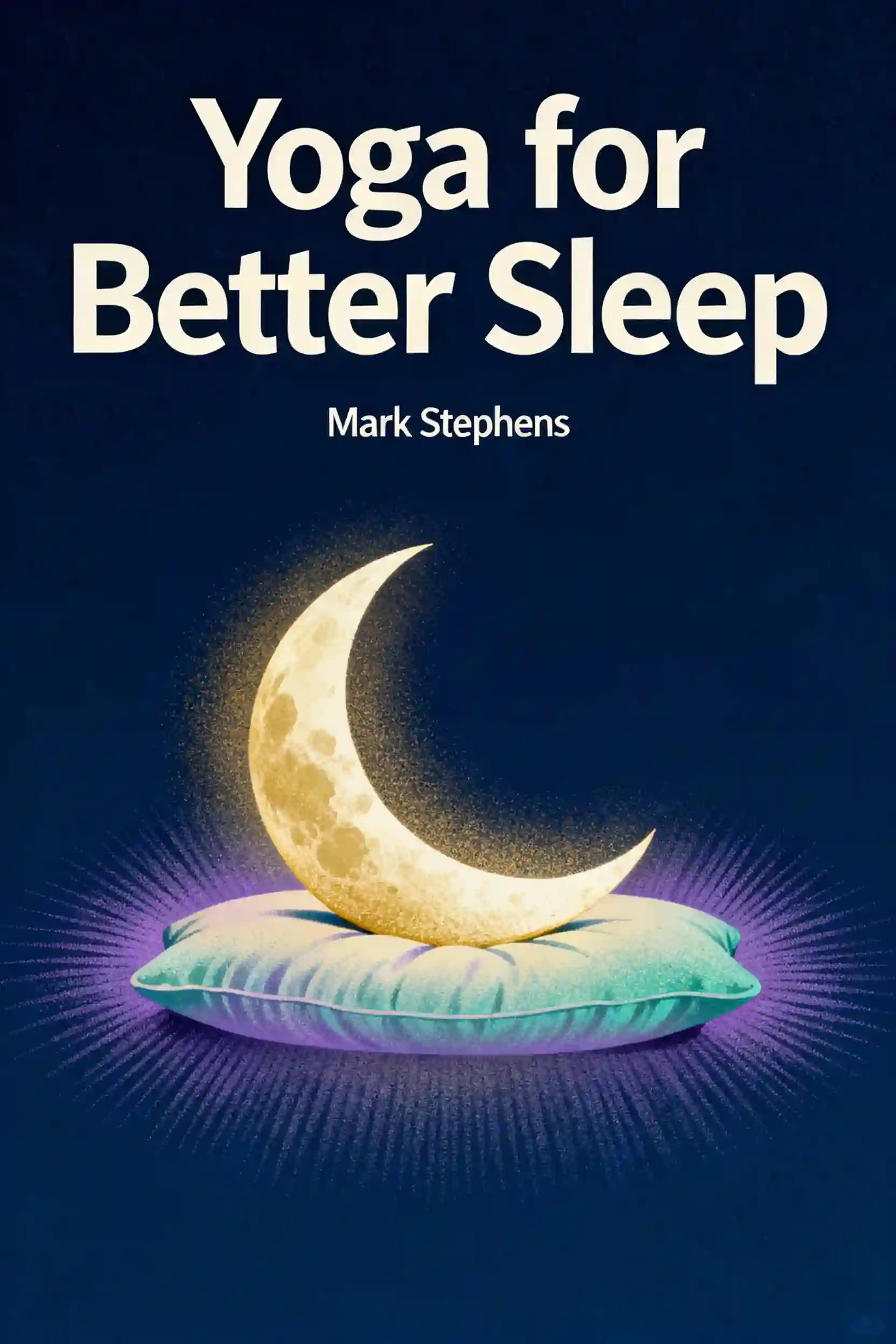
Eli: Oh my goodness, yes! I was just reading about this in "Yoga for Better Sleep," and the connection between yoga practices and sleep apnea management is really fascinating. It's like ancient wisdom meeting modern sleep science.
Lena: How does that work exactly? I mean, how can yoga help with something as specific as sleep apnea?
Eli: It works on multiple levels, which is what makes it so powerful. First, there's the stress reduction aspect we talked about. Yoga practices activate the parasympathetic nervous system-that's your "rest and digest" mode that's essential for good sleep. But there's more to it than that.
Lena: Tell me more about the "more to it" part!
Eli: Well, specific breathing practices in yoga can actually strengthen the muscles involved in breathing, including those around the upper airway. There's research suggesting that regular pranayama-that's yogic breathing-can improve muscle tone in the throat and reduce the likelihood of airway collapse.
Lena: So it's like physical therapy for your breathing muscles?
Eli: That's a great way to put it! And then there's the sleep quality aspect. The yoga research shows that consistent practice can improve sleep quality by up to 30%. People fall asleep faster, sleep more deeply, and wake up feeling more refreshed.
Lena: What kind of yoga practices are we talking about? Do people need to be super flexible or experienced?
Eli: Not at all! The research focuses on gentle, restorative practices that anyone can do. We're talking about poses like legs up the wall, supported forward folds, and gentle twists. The key is that these poses help release tension and signal to your nervous system that it's safe to relax.
Lena: And the breathing practices?
Eli: The breathing work is really accessible too. Simple practices like extending your exhales longer than your inhales-maybe breathing in for 4 counts and out for 6 or 8-can activate that relaxation response. There's also alternate nostril breathing, which research suggests can help balance the nervous system.
Lena: This sounds like something people could easily incorporate into their evening routine.
Eli: Absolutely! And what I love about this approach is that it addresses the whole person-the physical tension, the mental stress, the breathing patterns. It's not just about the sleep apnea; it's about creating overall conditions for better rest and health.
Lena: Okay, I have to ask about something that sounds almost too quirky to be true-I read that playing wind instruments might actually help with sleep apnea. Is this real, or is this one of those weird internet myths?
Eli: Oh, this is totally real, and it's actually one of my favorite pieces of research! There was a study where people with sleep apnea learned to play the Australian didgeridoo, and after four months of practice, they experienced less daytime sleepiness and reduced snoring.
Lena: The didgeridoo? That's so random! How does that even work?
Eli: It's all about strengthening those throat and airway muscles we keep talking about! When you play a wind instrument-whether it's a didgeridoo, harmonica, or even just doing specific vocal exercises-you're essentially doing resistance training for your upper airway muscles.
Lena: So it's like going to the gym, but for your throat muscles?
Eli: Exactly! The researchers noted that people who played the didgeridoo were less likely to experience collapsing upper airways during sleep. Now, the study was small, and the research is still preliminary, but the concept makes perfect sense from a physiological standpoint.
Lena: This is fascinating! Does it have to be a didgeridoo, or would other instruments work?
Eli: Great question! While the didgeridoo study is the most well-known, the principle should apply to other wind instruments too. Harmonica, flute, trumpet-anything that requires controlled breathing and engages those throat muscles could potentially be helpful.
Lena: I love this because it's actually fun! Instead of thinking about sleep apnea as this medical problem, you're learning a new skill, maybe making music, having fun with it.
Eli: Right! And that's such an important point. When we can find enjoyable ways to address health challenges, we're much more likely to stick with them. Plus, learning a musical instrument has all sorts of other cognitive and emotional benefits.
Lena: Are there other similar approaches? Like, vocal exercises or singing?
Eli: Actually, yes! There's some research suggesting that singing exercises and specific vocal techniques can help strengthen the same muscle groups. It's not as extensively studied as the didgeridoo research, but the principle is the same-you're training those muscles to be stronger and more stable.
Lena: Okay, so we've covered a lot of ground here-weight management, sleep position, diet, exercise, stress reduction, yoga, even musical instruments! For our listeners who are feeling maybe a little overwhelmed, how do they start? What's the best way to approach this?
Eli: That's such an important question, because you're right-we have covered a lot! But here's the beautiful thing about these natural approaches: you don't have to do everything at once. In fact, the research suggests that starting with one or two changes and building from there is much more sustainable.
Lena: So where should someone begin?
Eli: I'd suggest starting with the changes that are easiest to implement and have the most immediate impact. Sleep position is a great place to start-it costs nothing, and some people see improvements within days. At the same time, basic sleep hygiene improvements can make a big difference.
Lena: That makes sense. What would be the next level?
Eli: Once someone has those basics down, I'd look at adding gentle exercise-even just a 20-minute daily walk-and some simple stress reduction practices. Maybe some basic breathing exercises or a few gentle yoga poses before bed. These build on each other naturally.
Lena: And the bigger lifestyle changes, like diet and weight management?
Eli: Those are definitely important for many people, but they work best when someone has already established some of the foundational habits. It's much easier to maintain dietary changes when you're sleeping better and feeling less stressed, you know?
Lena: That makes total sense. What about tracking progress? How does someone know if these changes are working?
Eli: Great question! The most obvious markers are subjective-how are you feeling during the day? Are you less tired? Is your partner reporting less snoring? But there are also some objective measures people can track, like how long it takes to fall asleep, how often they wake up during the night, their morning energy levels.
Lena: Are there any red flags people should watch for? Like, when should someone definitely seek medical help even if they're trying these natural approaches?
Eli: Absolutely! If someone is experiencing severe daytime sleepiness that affects their ability to drive safely or function at work, that's a medical emergency. Same with witnessed breathing pauses during sleep, gasping or choking during the night, or symptoms that are getting worse despite lifestyle changes.
Lena: So these natural approaches are powerful, but they're not necessarily a replacement for medical care when it's needed.
Eli: Exactly! And here's what I love about the research-it shows that these lifestyle approaches can work beautifully alongside medical treatments too. Someone using a CPAP machine might find they need lower pressure settings as they lose weight and improve their sleep habits. It's all complementary.
Lena: I want to talk about sustainability, because I think that's where a lot of people struggle. They might start strong with these changes, but then life gets busy, or they don't see immediate results. How do we make these changes stick?
Eli: Oh, this is such a crucial point! The research on lifestyle interventions shows that the people who succeed long-term are those who focus on building systems and habits rather than relying on willpower or motivation alone.
Lena: What does that look like practically?
Eli: Well, instead of saying "I'm going to exercise every day," you might start with "I'm going to walk for 10 minutes after dinner." Instead of "I'm going to completely overhaul my diet," you might begin with "I'm going to eat my last meal 3 hours before bedtime." Small, specific, actionable changes that become automatic over time.
Lena: And I imagine having realistic expectations is important too?
Eli: Absolutely! The research shows that lifestyle interventions can significantly improve sleep apnea symptoms, but they rarely normalize them completely. So if someone goes in expecting to cure their sleep apnea entirely through lifestyle changes alone, they might get discouraged.
Lena: So it's about improvement, not perfection?
Eli: Exactly! And here's what's really encouraging-even modest improvements in sleep apnea can have profound effects on quality of life. Reducing your apnea-hypopnea index from 30 events per hour to 20 might not sound dramatic, but it can mean the difference between feeling exhausted all day and having normal energy levels.
Lena: That's such an important perspective. What about the people in someone's life? How can family members or partners be supportive?
Eli: Great question! Partners can be incredibly helpful, especially with things like sleep position training or creating a supportive sleep environment. They can also be encouraging accountability partners for exercise or dietary changes. But it's important that the support doesn't turn into pressure or nagging.
Lena: Right, because that could actually increase stress, which we know can worsen sleep apnea.
Eli: Exactly! The most helpful thing partners can do is create a supportive environment and celebrate small wins along the way. And of course, they benefit too when their partner is sleeping better and feeling more energetic during the day.
Lena: As we start to wrap things up here, I want to make sure our listeners leave with a clear sense of hope and direction. What's the most important message you want people to take away from this conversation?
Eli: You know what? The most important thing is that people have so much more control over their sleep apnea than they might think. We've talked about research involving hundreds of people who made meaningful improvements through lifestyle changes. These aren't miracle cures, but they're real, evidence-based approaches that can genuinely transform someone's sleep and quality of life.
Lena: And the beautiful thing is that these changes benefit so much more than just sleep apnea, right?
Eli: Absolutely! When someone starts exercising regularly, managing their weight, reducing stress, and improving their sleep hygiene, they're not just addressing their breathing during sleep. They're reducing their risk of heart disease, diabetes, depression. They're improving their energy, their mood, their relationships. It's like a health investment that pays dividends across every area of life.
Lena: I love that perspective. And for our listeners who might be feeling overwhelmed by everything we've discussed?
Eli: Start small! Pick one thing-maybe it's trying to sleep on your side, or taking a 15-minute walk after dinner, or doing some gentle stretches before bed. Give it a couple of weeks to become a habit, then add something else. The research shows that even small changes can have meaningful impacts.
Lena: What about people who have tried some of these approaches before and didn't see results?
Eli: That's a great question, and it's actually pretty common. Sometimes it's about consistency-the benefits of these lifestyle changes often build over time. Sometimes it's about finding the right combination of approaches for your particular situation. And sometimes it's about having realistic expectations about what "success" looks like.
Lena: And remember, everyone listening, that these natural approaches don't have to be an all-or-nothing proposition. Even if you end up needing medical treatment for your sleep apnea, these lifestyle changes can make that treatment more effective and help you feel better overall.
Eli: Exactly! I think sometimes people get stuck in this either-or mindset-either I fix this naturally or I need medical intervention. But the research shows that the best outcomes often come from combining approaches. Your CPAP machine might work better when you're at a healthier weight. Your sleep position changes might be more effective when you're also managing stress and exercising regularly.
Lena: So it's really about building a comprehensive approach to sleep health.
Eli: Yes! And here's what I find most encouraging about all this research-every single one of these approaches addresses multiple aspects of health simultaneously. When you exercise, you're helping with weight management, stress reduction, muscle strengthening, and cardiovascular health all at once. When you practice good sleep hygiene, you're supporting not just your sleep apnea, but your overall sleep quality and mental health.
Lena: For everyone listening who's dealing with sleep apnea, whether diagnosed or suspected, what would you say is the most important first step they can take tonight?
Eli: Tonight? I'd say start with your sleep environment and position. Make your bedroom as dark and cool as possible, try sleeping on your side if you usually sleep on your back, and maybe do some gentle breathing exercises to help you relax. These are things you can implement immediately, and some people notice improvements within just a few days.
Lena: And then build from there?
Eli: Exactly! And be patient with yourself. The research shows that meaningful lifestyle changes take time to implement and time to show their full effects. But every positive change you make is an investment in better sleep and better health.
Lena: I think that's such a hopeful message. You know, when someone first gets diagnosed with sleep apnea, it can feel pretty scary and overwhelming. But what we've talked about today shows that there are so many ways people can take an active role in improving their condition.
Eli: And that sense of agency and control is so important! Instead of feeling like a passive victim of a medical condition, people can become active participants in their own healing. Whether that's through the foods they choose, the way they move their bodies, how they manage stress, or even learning to play a musical instrument-there are so many pathways to improvement.
Lena: Plus, many of these approaches are things people can start right away, without waiting for medical appointments or expensive equipment.
Eli: Right! And while we definitely want people to work with healthcare providers when appropriate, there's something really empowering about knowing that you can start making positive changes immediately. You don't have to wait for permission to sleep on your side, take a walk, or practice some breathing exercises.
Lena: As we bring this to a close, I keep thinking about how interconnected everything we've discussed really is. It's not just about treating sleep apnea-it's about creating a lifestyle that supports overall health and well-being.
Eli: That's such a beautiful way to put it! And I think that's why these natural approaches can be so effective. They're not just targeting one symptom; they're addressing the whole person. When someone improves their diet, starts exercising, manages stress better, and creates healthy sleep habits, they're creating conditions where their body can function optimally.
Lena: And for our listeners who might be supporting someone with sleep apnea-a partner, family member, or friend-what's the best way they can help?
Eli: Be encouraging and patient! These lifestyle changes take time, and there might be setbacks along the way. Celebrate the small victories, and remember that the person making these changes is doing it for their health and well-being. Sometimes the most helpful thing is just creating a supportive environment and being understanding when someone is tired or struggling with their symptoms.
Lena: That's so important. Sleep apnea doesn't just affect the person who has it-it impacts everyone around them too.
Eli: Absolutely! And here's something really encouraging from the research-when someone's sleep apnea improves, their relationships often improve too. They have more energy, better mood regulation, less irritability. It's like a gift that keeps on giving to everyone in their life.
Lena: What about people who are listening and thinking, "This all sounds great, but I've tried diet and exercise before, and it didn't work"?
Eli: I hear that concern, and it's totally valid. But here's what might be different this time-you're not just trying to lose weight or get in shape for general health reasons. You have a specific condition that these changes can directly impact. Sometimes having that clear connection between your actions and your sleep quality can provide the motivation that was missing before.
Lena: Plus, you don't have to be perfect, right?
Eli: Exactly! The research shows benefits from even modest changes. You don't need to become a marathon runner or follow a perfect diet. Even a 10% reduction in weight, or exercising just a few times a week, or improving your sleep position can make a meaningful difference.
Lena: And I love that these approaches give people options. If someone can't exercise due to physical limitations, they can focus on diet and sleep position. If someone struggles with dietary changes, they can emphasize exercise and stress management.
Eli: Yes! There's no one-size-fits-all approach here. The beauty of having all these different evidence-based strategies is that people can find what works for their lifestyle, their preferences, and their circumstances.
Lena: So as we wrap up, what's your final message of hope for everyone listening who's dealing with sleep apnea?
Eli: My message is this: you have more power than you might think. The research we've discussed today involves real people who made real improvements in their sleep apnea symptoms through lifestyle changes. Some reduced their symptoms by 30, 40, even 50%. That could be you. It might take time, it might require some trial and error to find what works best for you, but the potential for meaningful improvement is absolutely there.
Lena: And remember, every positive change you make is benefiting your overall health, not just your sleep apnea. You're investing in your energy levels, your mood, your cardiovascular health, your relationships-everything.
Eli: And on that note, here's my challenge for everyone listening: pick one thing we've talked about today and try it for the next two weeks. Maybe it's sleeping on your side, maybe it's taking a daily walk, maybe it's doing some breathing exercises before bed. Just one thing. See how it feels, and then build from there.
Lena: That's perfect! Start small, be consistent, and trust the process. Your body has an amazing capacity to heal and improve when you give it the right conditions.
Eli: Absolutely! And remember, this is a journey, not a destination. Be patient with yourself, celebrate the small wins, and keep in mind that every positive change you make is a step toward better sleep and better health.
Lena: Thank you so much for joining us today, everyone. We hope this conversation has given you some practical strategies and, most importantly, hope that you can make meaningful improvements in your sleep apnea naturally. Stay curious, keep those questions coming, and remember-better sleep is possible!
Eli: Until next time, sweet dreams, everyone!