Moving on from past wounds and the fear of being judged
Struggling to let go of the past? Learn why your brain is wired for rumination and how to break the cycle of hyper-vigilance to build real resilience.

Лучшая цитата из Moving on from past wounds and the fear of being judged
Recovery doesn't mean the past disappears; it means the past no longer controls the present. You are moving from being a victim to being the architect of your own recovery.

Этот аудиоурок был создан участником сообщества BeFreed
How to move on from past negative experiences and paranoia of that negative past being used against you in the future

Часто задаваемые вопросы
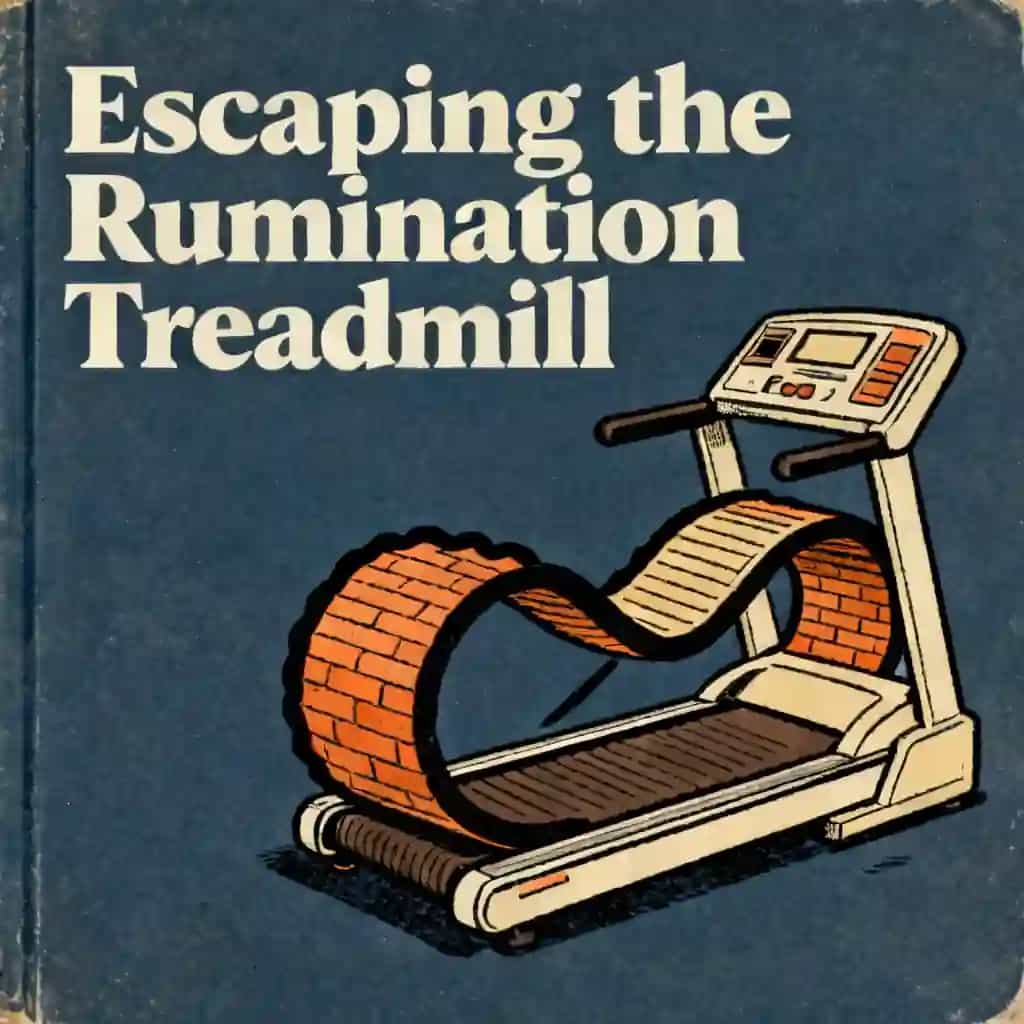
This process is known as rumination, and it is a biological response rather than a character flaw. Neuroscience shows that rumination activates the same brain circuits as physical pain. Because of a "negativity bias," the human brain gives about five times more weight to negative experiences than positive ones as a survival mechanism. Your amygdala, or the brain's alarm system, stays on high alert to scan for threats, essentially using an "outdated map" to try and protect you from experiencing that old pain again.
A detonation event is a recent negative experience, such as a betrayal or a scam, that acts as a catalyst to unearth deeply buried past traumas. It doesn't just create a new wound; it provides what feels like devastating proof for old, negative core beliefs like "I will always be abandoned." This creates a "trauma echo," where the current situation resonates with the past, making the volume of your current fear feel ten times louder than the situation actually warrants.
The key difference lies in the direction of the thoughts. Problem-solving is goal-directed and leads to new insights or actions, whereas rumination is circular and repetitive. A helpful way to distinguish them is to ask yourself: "Do I understand anything now that I didn't understand ten minutes ago?" If the answer is no, you are likely stuck in a "habit loop" where the brain mistakenly feels like it is working through a problem, but is actually just digging a deeper emotional hole.
The script suggests a "Three Gears" approach for immediate relief. First, "Map the Loop" by simply labeling the thought as rumination. Second, "Drop into the Body" by noticing physical sensations like chest tightness, which signals to the brain that you are aware of the alarm but not in immediate physical danger. Third, find a "Bigger, Better Offer" by using your senses to anchor yourself in the present. Additionally, you can use "Worry Scheduling" to confine these thoughts to a specific 15-minute window later in the day, restoring your sense of agency over your attention.
This behavior is known as "Emotional Blackmail," which operates on the "FOG" model: Fear, Obligation, and Guilt. To break this cycle, the most important step is to pause and refuse to give an immediate, impulsive reaction. By stepping back, you can determine if you are acting out of genuine desire or external pressure. Setting and maintaining consistent boundaries is essential, as is reframing any resulting guilt as a positive sign of growth and emotional independence rather than a sign that you have done something wrong.
Узнать больше

Letting go of past hurts, forgiving the people who hurt you, learning to heal mentally and emotionally
Unresolved emotional wounds can silently control our behaviors, relationships, and life satisfaction. This learning plan provides a structured approach to emotional healing for anyone struggling with past hurts, resentment, or recurring negative patterns that stem from unhealed trauma.

How to stop overthinking everything
In an era of information overload, many professionals and students find themselves paralyzed by chronic rumination and indecision. This plan is designed for anyone feeling mentally exhausted by their own thoughts, offering science-backed strategies to transition from passive worrying to proactive action.

Getting into a better head space
This learning plan is designed for anyone feeling overwhelmed by stress or trapped in cycles of negative thinking. It provides a comprehensive roadmap from foundational mindfulness to advanced cognitive restructuring, making it essential for building long-term emotional resilience.

Stop the Self-Punishment Cycle
High achievers and perfectionists often fall into a trap where self-criticism becomes a barrier to progress rather than a motivator. This plan provides the tools to dismantle negative internal dialogues and build the resilience needed to face uncertainty without self-punishment.

Overcome fear and regain control of my life
Fear can paralyze even the most capable individuals, preventing them from living fully and pursuing meaningful goals. This learning plan provides practical tools for anyone feeling stuck in anxiety patterns, helping them recognize fear triggers, take courageous action, and develop the mental resilience needed to reclaim control of their life.

Overcome feeling I disappoint everyone
This learning plan is designed for individuals who struggle with persistent anxiety about making mistakes, fear others' judgment, or constantly feel they've disappointed people around them. It's particularly valuable for those caught in cycles of people-pleasing, over-apologizing, or avoiding situations due to worry about others' reactions—helping them break free from these exhausting patterns and build genuine confidence.

Rewire Nervous System & Build New Pathways
This plan is essential for individuals seeking to overcome chronic stress, trauma, or repetitive negative patterns by leveraging the science of neuroplasticity. It is ideal for anyone looking to transition from survival mode to a state of regulated self-leadership and emotional resilience.

Break cycle of overthinking and comparison
In a digital age driven by comparison and constant performance, many individuals find themselves paralyzed by chronic rumination and low self-esteem. This plan is designed for anyone struggling with social media-induced anxiety or perfectionism who wants to regain mental clarity using proven psychological frameworks.
Создано выпускниками Колумбийского университета в Сан-Франциско
"Instead of endless scrolling, I just hit play on BeFreed. It saves me so much time."


"I never knew where to start with nonfiction—BeFreed’s book lists turned into podcasts gave me a clear path."


"Perfect balance between learning and entertainment. Finished ‘Thinking, Fast and Slow’ on my commute this week."
"Crazy how much I learned while walking the dog. BeFreed = small habits → big gains."
"Reading used to feel like a chore. Now it’s just part of my lifestyle."

"Feels effortless compared to reading. I’ve finished 6 books this month already."
"BeFreed turned my guilty doomscrolling into something that feels productive and inspiring."

"BeFreed turned my commute into learning time. 20-min podcasts are perfect for finishing books I never had time for."
"BeFreed replaced my podcast queue. Imagine Spotify for books — that’s it. 🙌"

"It is great for me to learn something from the book without reading it."
"The themed book list podcasts help me connect ideas across authors—like a guided audio journey."
"Makes me feel smarter every time before going to work"
Создано выпускниками Колумбийского университета в Сан-Франциско
"Instead of endless scrolling, I just hit play on BeFreed. It saves me so much time."
"I never knew where to start with nonfiction—BeFreed’s book lists turned into podcasts gave me a clear path."
"Perfect balance between learning and entertainment. Finished ‘Thinking, Fast and Slow’ on my commute this week."
"Crazy how much I learned while walking the dog. BeFreed = small habits → big gains."
"Reading used to feel like a chore. Now it’s just part of my lifestyle."
"Feels effortless compared to reading. I’ve finished 6 books this month already."
"BeFreed turned my guilty doomscrolling into something that feels productive and inspiring."
"BeFreed turned my commute into learning time. 20-min podcasts are perfect for finishing books I never had time for."
"BeFreed replaced my podcast queue. Imagine Spotify for books — that’s it. 🙌"
"It is great for me to learn something from the book without reading it."
"The themed book list podcasts help me connect ideas across authors—like a guided audio journey."
"Makes me feel smarter every time before going to work"
"Instead of endless scrolling, I just hit play on BeFreed. It saves me so much time."
"I never knew where to start with nonfiction—BeFreed’s book lists turned into podcasts gave me a clear path."
"Perfect balance between learning and entertainment. Finished ‘Thinking, Fast and Slow’ on my commute this week."
"Crazy how much I learned while walking the dog. BeFreed = small habits → big gains."
"Reading used to feel like a chore. Now it’s just part of my lifestyle."
"Feels effortless compared to reading. I’ve finished 6 books this month already."
"BeFreed turned my guilty doomscrolling into something that feels productive and inspiring."
"BeFreed turned my commute into learning time. 20-min podcasts are perfect for finishing books I never had time for."
"BeFreed replaced my podcast queue. Imagine Spotify for books — that’s it. 🙌"
"It is great for me to learn something from the book without reading it."
"The themed book list podcasts help me connect ideas across authors—like a guided audio journey."
"Makes me feel smarter every time before going to work"
"Instead of endless scrolling, I just hit play on BeFreed. It saves me so much time."
"I never knew where to start with nonfiction—BeFreed’s book lists turned into podcasts gave me a clear path."
"Perfect balance between learning and entertainment. Finished ‘Thinking, Fast and Slow’ on my commute this week."
"Crazy how much I learned while walking the dog. BeFreed = small habits → big gains."
"Reading used to feel like a chore. Now it’s just part of my lifestyle."
"Feels effortless compared to reading. I’ve finished 6 books this month already."
"BeFreed turned my guilty doomscrolling into something that feels productive and inspiring."
"BeFreed turned my commute into learning time. 20-min podcasts are perfect for finishing books I never had time for."
"BeFreed replaced my podcast queue. Imagine Spotify for books — that’s it. 🙌"
"It is great for me to learn something from the book without reading it."
"The themed book list podcasts help me connect ideas across authors—like a guided audio journey."
"Makes me feel smarter every time before going to work"