Matthew: From Lineage to the King’s Commission
Explore the Gospel of Matthew as it traces Jesus’ royal ancestry, revolutionary teachings, and the ultimate assignment that redefined the world.

Лучшая цитата из Matthew: From Lineage to the King’s Commission
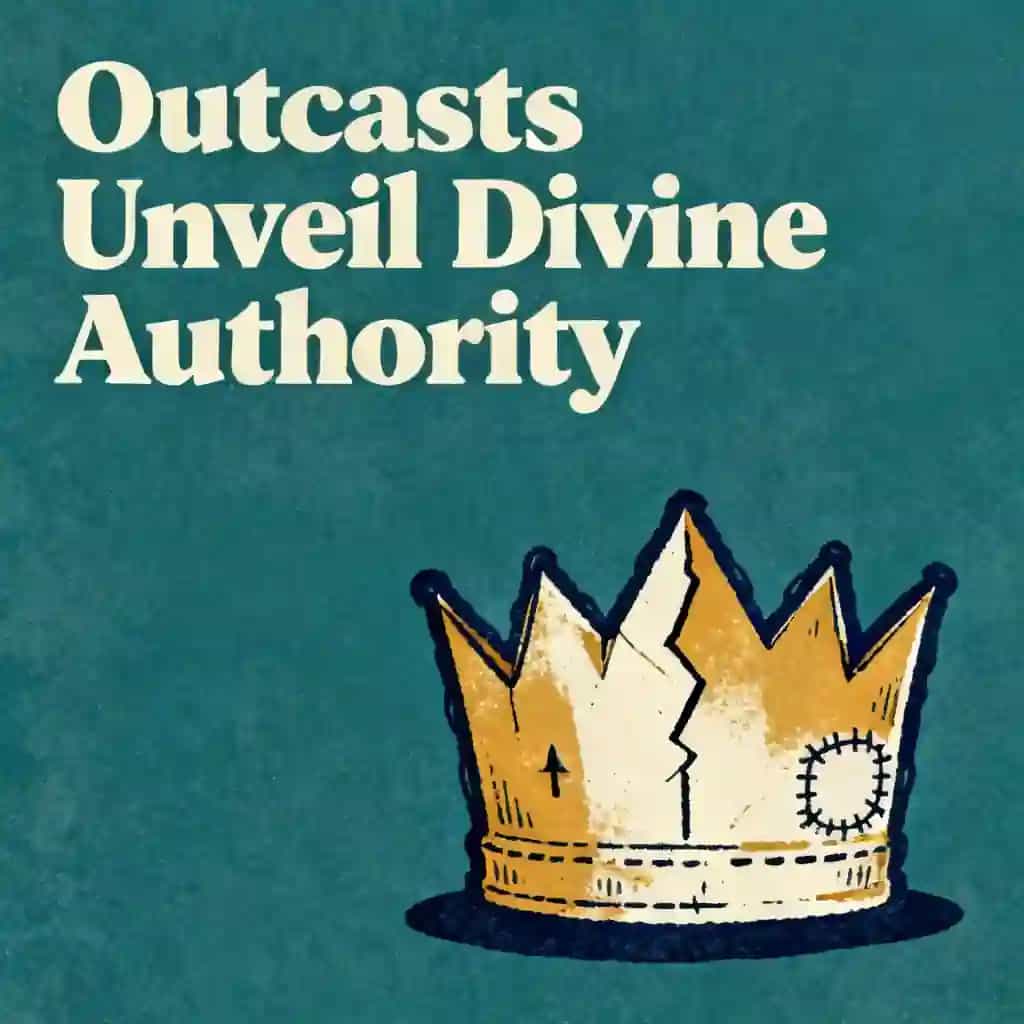
The King didn't come for a 'perfect' race or a specific type of 'clean' sinner; he’s weaving the outcasts into the very DNA of the Messiah. It’s a narrative of inclusion before the story even starts.
Generated by T
The bible, kjv starting from Matthew

Часто задаваемые вопросы
Matthew was a former tax collector writing specifically for a Jewish audience, so he needed to establish Jesus’ legal right to the throne. By tracing the lineage back to King David and Abraham, he provides a "legal document" proving Jesus is the promised Messiah. He organizes these names into three sets of fourteen generations to build a structured case for Jesus’ royal identity.
Including women in an ancient Jewish genealogy was highly unusual, and the specific women Matthew chooses are even more surprising because they were often considered outcasts or "sinners." By including figures like Rahab (a Gentile prostitute) and Bathsheba (an adulteress), Matthew signals from the very first page that Jesus did not come for a "perfect" people. He demonstrates that the Messiah’s mission is one of inclusion and grace, weaving outcasts into the very DNA of the story.
The gifts of gold, frankincense, and myrrh are symbolic of Jesus’ identity and future mission. Gold represents his royalty as a King, frankincense represents his divinity or role as a priest, and myrrh—which was used for embalming—foreshadows his eventual death. These gifts show that even at his birth, Jesus was recognized by Gentiles as a divine King who was born to die for the world.
In the Sermon on the Mount, Jesus explains that he did not come to destroy the Old Testament Law but to fulfill it. He raises the moral bar by shifting the focus from external actions to the condition of the heart. For example, he teaches that it is not enough to avoid murder; one must also reject internal anger. He defines the Kingdom of Heaven as a place for the "poor in spirit" rather than those who simply perform religious rituals for show.
Although Jesus was sinless, he told John that his baptism was necessary to "fulfil all righteousness." This act was about identification; Jesus was identifying himself with the people he came to save. By stepping into the Jordan River, he was symbolically retracing the steps of the nation of Israel and launching his public ministry with the audible approval of God the Father and the visible descent of the Holy Spirit.
Создано выпускниками Колумбийского университета в Сан-Франциско
"Instead of endless scrolling, I just hit play on BeFreed. It saves me so much time."


"I never knew where to start with nonfiction—BeFreed’s book lists turned into podcasts gave me a clear path."


"Perfect balance between learning and entertainment. Finished ‘Thinking, Fast and Slow’ on my commute this week."
"Crazy how much I learned while walking the dog. BeFreed = small habits → big gains."
"Reading used to feel like a chore. Now it’s just part of my lifestyle."

"Feels effortless compared to reading. I’ve finished 6 books this month already."
"BeFreed turned my guilty doomscrolling into something that feels productive and inspiring."

"BeFreed turned my commute into learning time. 20-min podcasts are perfect for finishing books I never had time for."
"BeFreed replaced my podcast queue. Imagine Spotify for books — that’s it. 🙌"

"It is great for me to learn something from the book without reading it."
"The themed book list podcasts help me connect ideas across authors—like a guided audio journey."
"Makes me feel smarter every time before going to work"
Создано выпускниками Колумбийского университета в Сан-Франциско
"Instead of endless scrolling, I just hit play on BeFreed. It saves me so much time."
"I never knew where to start with nonfiction—BeFreed’s book lists turned into podcasts gave me a clear path."
"Perfect balance between learning and entertainment. Finished ‘Thinking, Fast and Slow’ on my commute this week."
"Crazy how much I learned while walking the dog. BeFreed = small habits → big gains."
"Reading used to feel like a chore. Now it’s just part of my lifestyle."
"Feels effortless compared to reading. I’ve finished 6 books this month already."
"BeFreed turned my guilty doomscrolling into something that feels productive and inspiring."
"BeFreed turned my commute into learning time. 20-min podcasts are perfect for finishing books I never had time for."
"BeFreed replaced my podcast queue. Imagine Spotify for books — that’s it. 🙌"
"It is great for me to learn something from the book without reading it."
"The themed book list podcasts help me connect ideas across authors—like a guided audio journey."
"Makes me feel smarter every time before going to work"
"Instead of endless scrolling, I just hit play on BeFreed. It saves me so much time."
"I never knew where to start with nonfiction—BeFreed’s book lists turned into podcasts gave me a clear path."
"Perfect balance between learning and entertainment. Finished ‘Thinking, Fast and Slow’ on my commute this week."
"Crazy how much I learned while walking the dog. BeFreed = small habits → big gains."
"Reading used to feel like a chore. Now it’s just part of my lifestyle."
"Feels effortless compared to reading. I’ve finished 6 books this month already."
"BeFreed turned my guilty doomscrolling into something that feels productive and inspiring."
"BeFreed turned my commute into learning time. 20-min podcasts are perfect for finishing books I never had time for."
"BeFreed replaced my podcast queue. Imagine Spotify for books — that’s it. 🙌"
"It is great for me to learn something from the book without reading it."
"The themed book list podcasts help me connect ideas across authors—like a guided audio journey."
"Makes me feel smarter every time before going to work"
"Instead of endless scrolling, I just hit play on BeFreed. It saves me so much time."
"I never knew where to start with nonfiction—BeFreed’s book lists turned into podcasts gave me a clear path."
"Perfect balance between learning and entertainment. Finished ‘Thinking, Fast and Slow’ on my commute this week."
"Crazy how much I learned while walking the dog. BeFreed = small habits → big gains."
"Reading used to feel like a chore. Now it’s just part of my lifestyle."
"Feels effortless compared to reading. I’ve finished 6 books this month already."
"BeFreed turned my guilty doomscrolling into something that feels productive and inspiring."
"BeFreed turned my commute into learning time. 20-min podcasts are perfect for finishing books I never had time for."
"BeFreed replaced my podcast queue. Imagine Spotify for books — that’s it. 🙌"
"It is great for me to learn something from the book without reading it."
"The themed book list podcasts help me connect ideas across authors—like a guided audio journey."
"Makes me feel smarter every time before going to work"






![[b5726396-c1d1-42a6-a168-6d6879616636:c0000] King Josiah: The Power of Coming Back to the Scriptures I… p1-1](/_next/image?url=https%3A%2F%2Fd1y2du6z1jfm9e.cloudfront.net%2Fassets%2Fpodcast%2Fblue.png&w=1024&q=50)