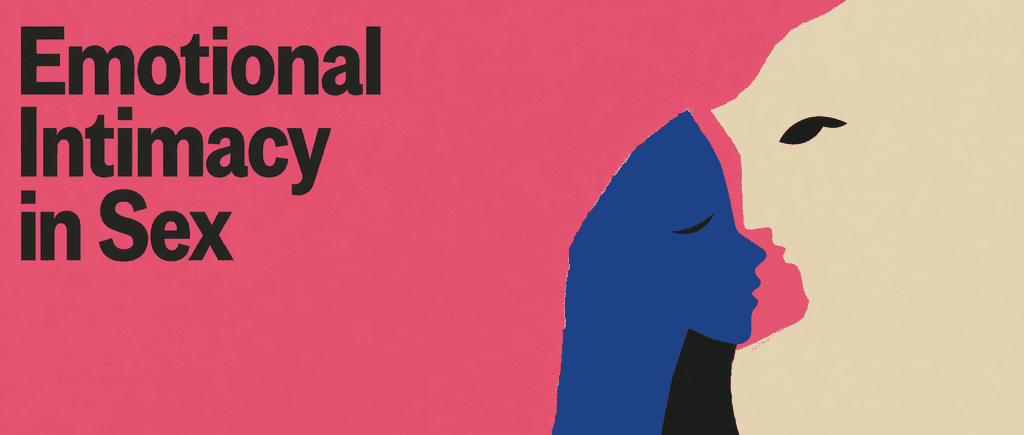
Lowering the Walls: The Path to True Intimacy
Explore the paradox of emotional fortresses and learn how to trade isolation for connection by embracing the messy, courageous art of vulnerability.

Лучшая цитата из Lowering the Walls: The Path to True Intimacy
It’s the great paradox of intimacy: the thing we crave most—being truly seen—requires us to risk the very thing we fear most, which is being rejected.
Generated by Tiba
Vulnerability and intimacy


Часто задаваемые вопросы
Neuroception is a term coined by Dr. Stephen Porges to describe how our nervous system constantly scans our environment for signals of "threat" or "safety" below our conscious awareness. When the brain detects a threat—such as a partner’s dismissive body language or an eye roll—it flips the body into "protection mode." In this state, the script explains that vulnerability becomes biologically impossible because the body is too busy bracing for impact, making it necessary to establish safety signals to return to a state of social engagement.
The four pillars required to build a "secure base" for intimacy are predictable responsiveness, non-judgmental curiosity, emotional validation, and collaborative repair. Predictable responsiveness is the assurance that a partner will be emotionally present when reached out to. Non-judgmental curiosity involves asking exploratory questions rather than giving unsolicited advice. Emotional validation is acknowledging that a partner's feelings make sense from their perspective, even without total agreement. Finally, collaborative repair is the active process of coming back together to fix "ruptures" or misunderstandings rather than simply moving on.
According to the model by Dr. James Cordova, intimacy is a three-step reciprocal loop rather than a one-time event. It begins with "emotional disclosure," where one person takes a risk by sharing a feeling or inner truth. The second step is the "empathic responsiveness" of the partner; the script emphasizes that the partner’s response is actually more critical for building the bond than the initial disclosure. If the response is supportive, it leads to the third step, "resulting intimacy," which deepens the trust and encourages further sharing.
Play and rest are described as "social safety" signals that tell the nervous system it is safe to let its guard down. Play allows partners to be silly and imperfect without a specific purpose, which is impossible to do while in a "fight or flight" stress response. Rest is equally vital because chronic exhaustion makes the brain's "threat detector" hyper-sensitive, leading to defensiveness and snapping. By prioritizing rest and play, couples move from a "functional" or "doing" relationship to a "being" relationship, which replenishes the emotional energy needed for vulnerability.
The script distinguishes the two by noting that guilt is the feeling of "I did something bad," whereas shame is the intensely painful belief that "I am bad." Shame thrives on secrecy and whispers that if people knew the "real" you, they would leave. Because shame is a "master emotion" that hates being seen, the primary way to dissolve it is through "shame resilience"—speaking the shame to an empathetic witness. Once shared and met with empathy, shame loses its power, allowing for authentic connection rather than a "hustle for worthiness."
Создано выпускниками Колумбийского университета в Сан-Франциско
"Instead of endless scrolling, I just hit play on BeFreed. It saves me so much time."


"I never knew where to start with nonfiction—BeFreed’s book lists turned into podcasts gave me a clear path."


"Perfect balance between learning and entertainment. Finished ‘Thinking, Fast and Slow’ on my commute this week."
"Crazy how much I learned while walking the dog. BeFreed = small habits → big gains."
"Reading used to feel like a chore. Now it’s just part of my lifestyle."

"Feels effortless compared to reading. I’ve finished 6 books this month already."
"BeFreed turned my guilty doomscrolling into something that feels productive and inspiring."

"BeFreed turned my commute into learning time. 20-min podcasts are perfect for finishing books I never had time for."
"BeFreed replaced my podcast queue. Imagine Spotify for books — that’s it. 🙌"

"It is great for me to learn something from the book without reading it."
"The themed book list podcasts help me connect ideas across authors—like a guided audio journey."
"Makes me feel smarter every time before going to work"
Создано выпускниками Колумбийского университета в Сан-Франциско
"Instead of endless scrolling, I just hit play on BeFreed. It saves me so much time."
"I never knew where to start with nonfiction—BeFreed’s book lists turned into podcasts gave me a clear path."
"Perfect balance between learning and entertainment. Finished ‘Thinking, Fast and Slow’ on my commute this week."
"Crazy how much I learned while walking the dog. BeFreed = small habits → big gains."
"Reading used to feel like a chore. Now it’s just part of my lifestyle."
"Feels effortless compared to reading. I’ve finished 6 books this month already."
"BeFreed turned my guilty doomscrolling into something that feels productive and inspiring."
"BeFreed turned my commute into learning time. 20-min podcasts are perfect for finishing books I never had time for."
"BeFreed replaced my podcast queue. Imagine Spotify for books — that’s it. 🙌"
"It is great for me to learn something from the book without reading it."
"The themed book list podcasts help me connect ideas across authors—like a guided audio journey."
"Makes me feel smarter every time before going to work"
"Instead of endless scrolling, I just hit play on BeFreed. It saves me so much time."
"I never knew where to start with nonfiction—BeFreed’s book lists turned into podcasts gave me a clear path."
"Perfect balance between learning and entertainment. Finished ‘Thinking, Fast and Slow’ on my commute this week."
"Crazy how much I learned while walking the dog. BeFreed = small habits → big gains."
"Reading used to feel like a chore. Now it’s just part of my lifestyle."
"Feels effortless compared to reading. I’ve finished 6 books this month already."
"BeFreed turned my guilty doomscrolling into something that feels productive and inspiring."
"BeFreed turned my commute into learning time. 20-min podcasts are perfect for finishing books I never had time for."
"BeFreed replaced my podcast queue. Imagine Spotify for books — that’s it. 🙌"
"It is great for me to learn something from the book without reading it."
"The themed book list podcasts help me connect ideas across authors—like a guided audio journey."
"Makes me feel smarter every time before going to work"
"Instead of endless scrolling, I just hit play on BeFreed. It saves me so much time."
"I never knew where to start with nonfiction—BeFreed’s book lists turned into podcasts gave me a clear path."
"Perfect balance between learning and entertainment. Finished ‘Thinking, Fast and Slow’ on my commute this week."
"Crazy how much I learned while walking the dog. BeFreed = small habits → big gains."
"Reading used to feel like a chore. Now it’s just part of my lifestyle."
"Feels effortless compared to reading. I’ve finished 6 books this month already."
"BeFreed turned my guilty doomscrolling into something that feels productive and inspiring."
"BeFreed turned my commute into learning time. 20-min podcasts are perfect for finishing books I never had time for."
"BeFreed replaced my podcast queue. Imagine Spotify for books — that’s it. 🙌"
"It is great for me to learn something from the book without reading it."
"The themed book list podcasts help me connect ideas across authors—like a guided audio journey."
"Makes me feel smarter every time before going to work"