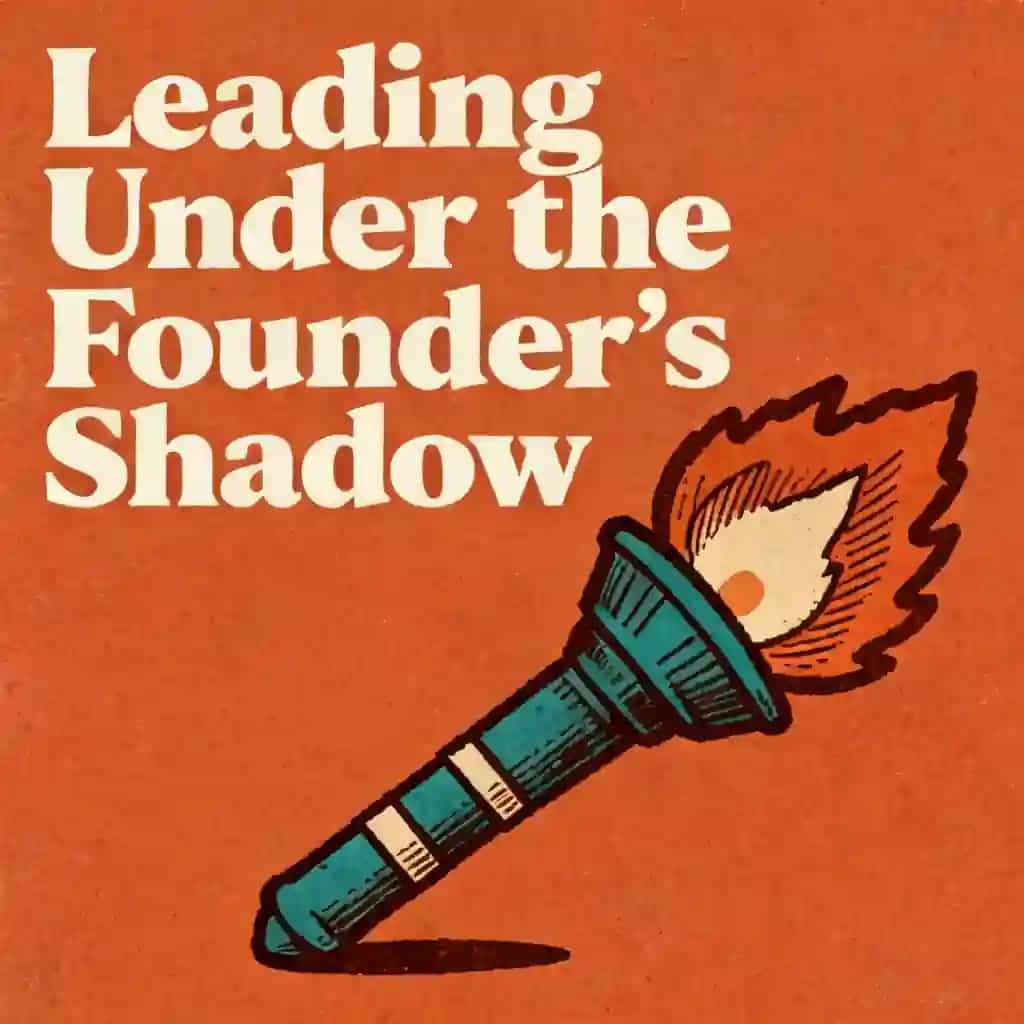
The heavy crown of an inherited legacy
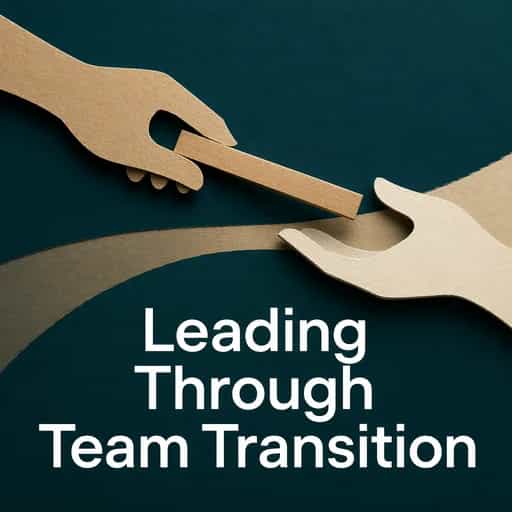
You’ve likely felt that specific, quiet pressure that comes the moment you step into a new leadership role and realize the team you are steering is a complex web of histories you didn't write. Research indicates that between 40 and 60 percent of leaders actually underperform or fail within their first 18 months of a major transition . This doesn't happen because they lack the technical skill to do the job; it happens because they lack a deliberate strategy for navigating the shift in altitude and the pre-existing human dynamics of the group they’ve inherited. Leading a team you didn't build isn't just a strategic challenge—it’s an emotional and political test of your maturity and vision . You aren't starting with a blank canvas; you are working with a gallery of established loyalties, hidden gems, and sometimes, dormant potential that has been suppressed by previous regimes. The mistake many of us make is assuming we need to be the "savior" who fixes everything immediately, but the reality is that your first job is to be a student of the culture you’ve just entered. You need to maintain stability while simultaneously moving ahead, which is a delicate trade-off that requires you to preserve what works while addressing what doesn't . If you rush to replace people or overhaul systems before you understand the "why" behind them, you risk alienating the very people whose institutional knowledge you need to succeed. The most effective transitions start with transparency and an investment in trust before any ground is broken on new projects. Understanding how to bridge the gap between your new strategic intent and the team’s current execution is the difference between a successful transformation and a stalled initiative . So, let's explore how you can begin to peel back the layers of this inherited engine and start tuning it for the long-term vision you’ve been tasked to lead.