Lead guitar phrasing that makes your solos sing
Stop noodling through scales and start playing with intention. Learn how vocal phrasing and stage presence turn hobbyist playing into a pro performance.

Лучшая цитата из Lead guitar phrasing that makes your solos sing
Silence isn't 'empty' space—it’s tension. If you can’t make a simple four-note lick sound like a '10' on an emotional scale, playing faster isn't going to help.
Generated by Marcus
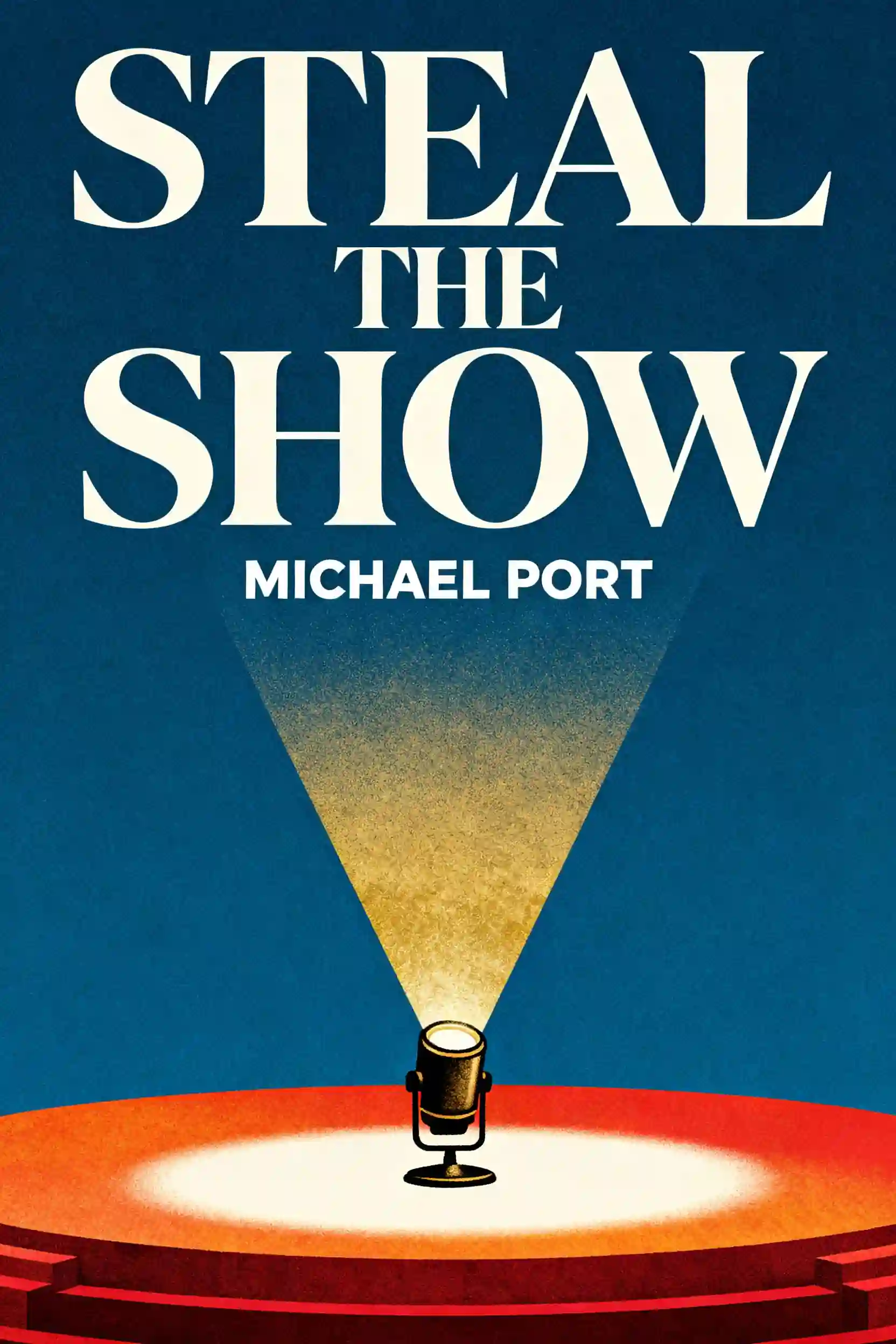
How to be a better than average lead guitarist and an entertaining frontman for my original music band

Часто задаваемые вопросы
To make a guitar sound like a human voice, players should mirror the natural biological constraints of a singer, specifically the need to breathe. By incorporating deliberate silence and pauses—such as the "Two-One Rule" where you play for two bars and rest for one—you create tension and allow the listener to process the melody. Additionally, using techniques like slow, wide vibrato or "scooped" bends mimics the way a singer approaches a pitch or lets a note trail off, transforming technical scales into emotional expressions.
Targeting tones is a "vertical" soloing strategy where the guitarist focuses on landing on the specific notes that define a chord, typically the 3rd or the 7th, right as the band shifts to that chord. Instead of just playing "safely" within a single scale for the whole song, hitting these guide tones makes the solo feel intentional and "locked in" to the harmony. This approach creates a sense of authority and confidence, signaling to the audience that the performer is navigating the song's structure with purpose.
The pentatonic scale can be refreshed by breaking out of traditional "box" patterns and adding specific "outside" notes, such as the 9th (the second degree of the scale), which adds an airy, sophisticated tension. Musicians can also use "intervallic" playing—leaping across fourth intervals rather than moving step-wise—and "horizontal" movement, which involves sliding up and down a single string to connect different neck positions. These adjustments help the guitarist move away from dated blues clichés toward a more contemporary, "piano-like" or "saxophone-like" vocabulary.
Commanding the stage is about physical engagement and purposeful movement rather than just constant activity. A frontman should avoid "fretboard staring syndrome" by making eye contact with the audience and using facial expressions to mirror the emotion of the notes being played. By practicing standing up and using the guitar as a prop, a performer can learn to occupy the stage space authentically. This creates a charismatic connection where the audience "listens with their eyes," perceiving the performer as a "force of nature" rather than just a musician reciting memorized parts.
Создано выпускниками Колумбийского университета в Сан-Франциско
"Instead of endless scrolling, I just hit play on BeFreed. It saves me so much time."


"I never knew where to start with nonfiction—BeFreed’s book lists turned into podcasts gave me a clear path."


"Perfect balance between learning and entertainment. Finished ‘Thinking, Fast and Slow’ on my commute this week."
"Crazy how much I learned while walking the dog. BeFreed = small habits → big gains."
"Reading used to feel like a chore. Now it’s just part of my lifestyle."

"Feels effortless compared to reading. I’ve finished 6 books this month already."
"BeFreed turned my guilty doomscrolling into something that feels productive and inspiring."

"BeFreed turned my commute into learning time. 20-min podcasts are perfect for finishing books I never had time for."
"BeFreed replaced my podcast queue. Imagine Spotify for books — that’s it. 🙌"

"It is great for me to learn something from the book without reading it."
"The themed book list podcasts help me connect ideas across authors—like a guided audio journey."
"Makes me feel smarter every time before going to work"
Создано выпускниками Колумбийского университета в Сан-Франциско
"Instead of endless scrolling, I just hit play on BeFreed. It saves me so much time."
"I never knew where to start with nonfiction—BeFreed’s book lists turned into podcasts gave me a clear path."
"Perfect balance between learning and entertainment. Finished ‘Thinking, Fast and Slow’ on my commute this week."
"Crazy how much I learned while walking the dog. BeFreed = small habits → big gains."
"Reading used to feel like a chore. Now it’s just part of my lifestyle."
"Feels effortless compared to reading. I’ve finished 6 books this month already."
"BeFreed turned my guilty doomscrolling into something that feels productive and inspiring."
"BeFreed turned my commute into learning time. 20-min podcasts are perfect for finishing books I never had time for."
"BeFreed replaced my podcast queue. Imagine Spotify for books — that’s it. 🙌"
"It is great for me to learn something from the book without reading it."
"The themed book list podcasts help me connect ideas across authors—like a guided audio journey."
"Makes me feel smarter every time before going to work"
"Instead of endless scrolling, I just hit play on BeFreed. It saves me so much time."
"I never knew where to start with nonfiction—BeFreed’s book lists turned into podcasts gave me a clear path."
"Perfect balance between learning and entertainment. Finished ‘Thinking, Fast and Slow’ on my commute this week."
"Crazy how much I learned while walking the dog. BeFreed = small habits → big gains."
"Reading used to feel like a chore. Now it’s just part of my lifestyle."
"Feels effortless compared to reading. I’ve finished 6 books this month already."
"BeFreed turned my guilty doomscrolling into something that feels productive and inspiring."
"BeFreed turned my commute into learning time. 20-min podcasts are perfect for finishing books I never had time for."
"BeFreed replaced my podcast queue. Imagine Spotify for books — that’s it. 🙌"
"It is great for me to learn something from the book without reading it."
"The themed book list podcasts help me connect ideas across authors—like a guided audio journey."
"Makes me feel smarter every time before going to work"
"Instead of endless scrolling, I just hit play on BeFreed. It saves me so much time."
"I never knew where to start with nonfiction—BeFreed’s book lists turned into podcasts gave me a clear path."
"Perfect balance between learning and entertainment. Finished ‘Thinking, Fast and Slow’ on my commute this week."
"Crazy how much I learned while walking the dog. BeFreed = small habits → big gains."
"Reading used to feel like a chore. Now it’s just part of my lifestyle."
"Feels effortless compared to reading. I’ve finished 6 books this month already."
"BeFreed turned my guilty doomscrolling into something that feels productive and inspiring."
"BeFreed turned my commute into learning time. 20-min podcasts are perfect for finishing books I never had time for."
"BeFreed replaced my podcast queue. Imagine Spotify for books — that’s it. 🙌"
"It is great for me to learn something from the book without reading it."
"The themed book list podcasts help me connect ideas across authors—like a guided audio journey."
"Makes me feel smarter every time before going to work"