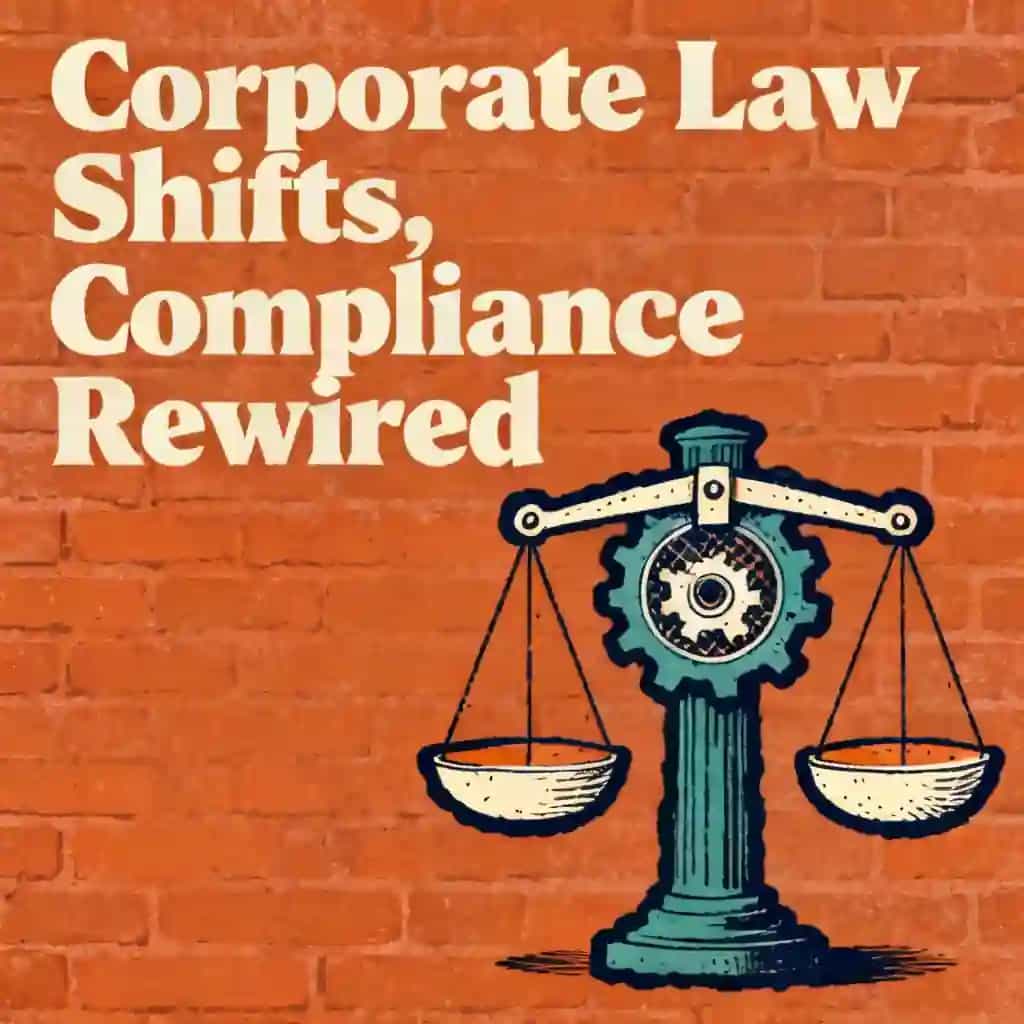
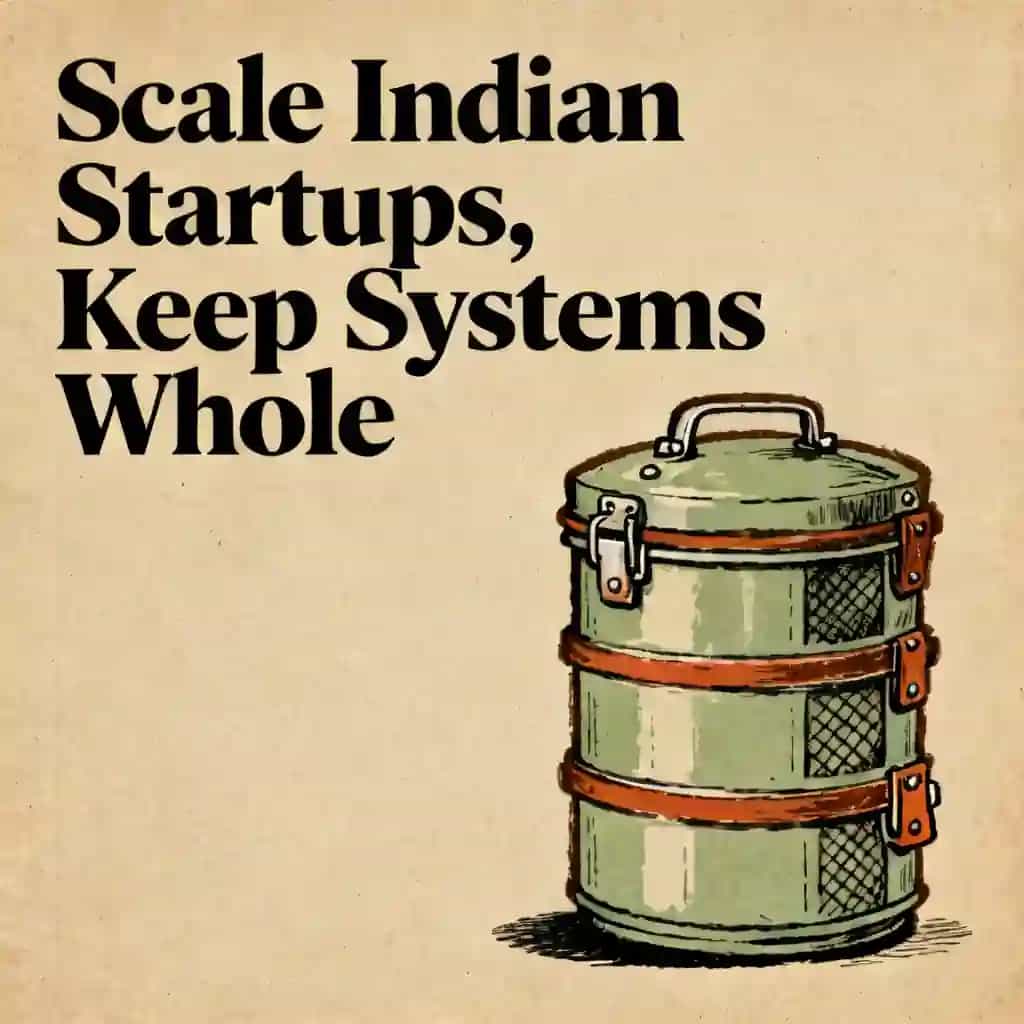
Indian Startup Regulations: Navigating the Regulatory Landscape
Learn how to navigate the complex regulatory environment for Indian startups. Explore the impact of startup laws on business operations and compliance strategies.

Лучшая цитата из Indian Startup Regulations: Navigating the Regulatory Landscape
Capital alone doesn't scale a startup—law does. Compliance is a strategic asset; it’s not just about staying out of jail, it’s about being investor-ready and scale-ready.

Этот аудиоурок был создан участником сообщества BeFreed
Examining the regulatory environment for Indian startups, including the impact of laws and regulations on business operations, and how to navigate the complex regulatory landscape.


Часто задаваемые вопросы
The regulatory environment for Indian startups is a complex framework of laws and guidelines designed to govern business operations within the country. It involves various compliance requirements from multiple government bodies that impact how a company is formed, funded, and operated. Understanding this landscape is essential for founders to ensure their business remains legally compliant while leveraging available government incentives and support schemes.
Startup laws in India directly influence daily business operations by setting standards for corporate governance, taxation, and employment. Compliance for startups involves adhering to specific reporting timelines and sector-specific regulations that can affect operational costs and speed to market. By staying informed about these Indian business regulations, founders can mitigate legal risks and streamline their internal processes for better efficiency and long-term stability.
Navigating the regulatory landscape effectively requires a proactive approach to compliance and a deep understanding of Indian startup regulations. Startups should prioritize regular legal audits, consult with experts on Indian business regulations, and stay updated on policy changes that affect their specific industry. Building a robust compliance framework early on helps startups avoid penalties and creates a smoother path for scaling operations and attracting potential investors.
Узнать больше

Launch & navigate a business
This learning plan is essential for aspiring entrepreneurs and early-stage founders who want to transform their business ideas into thriving, scalable companies. Whether you're launching your first venture or looking to take your existing business to the next level, this comprehensive path covers the critical skills needed at every stage—from initial validation through sustainable growth and leadership.

Succeed in the startup world
This plan is essential for aspiring entrepreneurs and early-stage founders looking to bridge the gap between a raw idea and a scalable company. It provides a structured roadmap for navigating the high-stakes journey of product development, fundraising, and organizational leadership.
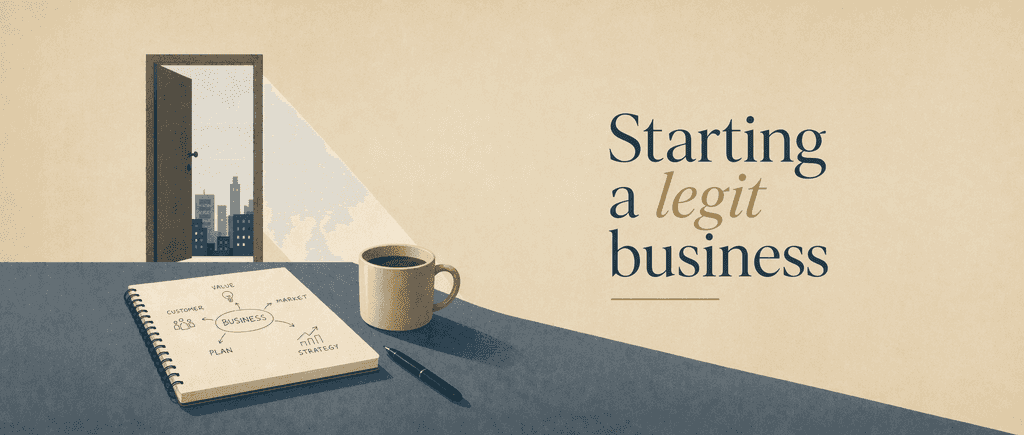
Starting a legit business
This learning plan is essential for aspiring entrepreneurs who want to move beyond a side hustle into a structured, legal business. It provides a comprehensive roadmap for those seeking to build a scalable venture with professional foundations and repeatable revenue streams.

Run my small software company
Running a software company requires a unique blend of technical leadership, product thinking, and business acumen that most founders learn through costly trial and error. This learning plan provides a structured path for aspiring or current software company founders to build the essential skills needed to launch, operate, and scale a successful business. Whether you're a technical founder taking your first steps into entrepreneurship or a small company owner looking to systematize your growth, this plan addresses the critical competencies that separate struggling startups from thriving software businesses.

Create a SAAS startup
This comprehensive learning plan takes you from idea to scaled SaaS business, covering every critical phase of the startup journey. It's ideal for aspiring entrepreneurs, product managers transitioning to founders, and early-stage founders who want a structured approach to building a sustainable software business. The curriculum combines lean startup principles with practical SaaS-specific strategies used by successful companies.

Capital, Distribution, and the Global Startup Reset
As the venture landscape shifts, founders and investors must move beyond simple product innovation toward strategic capital allocation and distribution moats. This plan is essential for entrepreneurs and growth leaders looking to navigate the 2025 market reset and dominate their respective categories.

Entrepreneurship
This comprehensive guide is designed for aspiring founders and leaders looking to transition from initial idea to a scalable enterprise. It provides the essential roadmap for navigating the high-stakes journey of building, funding, and leading a modern business.
Build startup from zero
This comprehensive learning plan is designed for aspiring entrepreneurs, early-stage founders, and anyone looking to transform an idea into a viable, scalable business. Whether you're launching your first startup or want to approach entrepreneurship with a systematic, proven methodology, this path takes you from initial concept through fundraising and growth, equipping you with the frameworks used by successful founders worldwide.
Создано выпускниками Колумбийского университета в Сан-Франциско
"Instead of endless scrolling, I just hit play on BeFreed. It saves me so much time."


"I never knew where to start with nonfiction—BeFreed’s book lists turned into podcasts gave me a clear path."


"Perfect balance between learning and entertainment. Finished ‘Thinking, Fast and Slow’ on my commute this week."
"Crazy how much I learned while walking the dog. BeFreed = small habits → big gains."
"Reading used to feel like a chore. Now it’s just part of my lifestyle."

"Feels effortless compared to reading. I’ve finished 6 books this month already."
"BeFreed turned my guilty doomscrolling into something that feels productive and inspiring."

"BeFreed turned my commute into learning time. 20-min podcasts are perfect for finishing books I never had time for."
"BeFreed replaced my podcast queue. Imagine Spotify for books — that’s it. 🙌"

"It is great for me to learn something from the book without reading it."
"The themed book list podcasts help me connect ideas across authors—like a guided audio journey."
"Makes me feel smarter every time before going to work"
Создано выпускниками Колумбийского университета в Сан-Франциско
"Instead of endless scrolling, I just hit play on BeFreed. It saves me so much time."
"I never knew where to start with nonfiction—BeFreed’s book lists turned into podcasts gave me a clear path."
"Perfect balance between learning and entertainment. Finished ‘Thinking, Fast and Slow’ on my commute this week."
"Crazy how much I learned while walking the dog. BeFreed = small habits → big gains."
"Reading used to feel like a chore. Now it’s just part of my lifestyle."
"Feels effortless compared to reading. I’ve finished 6 books this month already."
"BeFreed turned my guilty doomscrolling into something that feels productive and inspiring."
"BeFreed turned my commute into learning time. 20-min podcasts are perfect for finishing books I never had time for."
"BeFreed replaced my podcast queue. Imagine Spotify for books — that’s it. 🙌"
"It is great for me to learn something from the book without reading it."
"The themed book list podcasts help me connect ideas across authors—like a guided audio journey."
"Makes me feel smarter every time before going to work"
"Instead of endless scrolling, I just hit play on BeFreed. It saves me so much time."
"I never knew where to start with nonfiction—BeFreed’s book lists turned into podcasts gave me a clear path."
"Perfect balance between learning and entertainment. Finished ‘Thinking, Fast and Slow’ on my commute this week."
"Crazy how much I learned while walking the dog. BeFreed = small habits → big gains."
"Reading used to feel like a chore. Now it’s just part of my lifestyle."
"Feels effortless compared to reading. I’ve finished 6 books this month already."
"BeFreed turned my guilty doomscrolling into something that feels productive and inspiring."
"BeFreed turned my commute into learning time. 20-min podcasts are perfect for finishing books I never had time for."
"BeFreed replaced my podcast queue. Imagine Spotify for books — that’s it. 🙌"
"It is great for me to learn something from the book without reading it."
"The themed book list podcasts help me connect ideas across authors—like a guided audio journey."
"Makes me feel smarter every time before going to work"
"Instead of endless scrolling, I just hit play on BeFreed. It saves me so much time."
"I never knew where to start with nonfiction—BeFreed’s book lists turned into podcasts gave me a clear path."
"Perfect balance between learning and entertainment. Finished ‘Thinking, Fast and Slow’ on my commute this week."
"Crazy how much I learned while walking the dog. BeFreed = small habits → big gains."
"Reading used to feel like a chore. Now it’s just part of my lifestyle."
"Feels effortless compared to reading. I’ve finished 6 books this month already."
"BeFreed turned my guilty doomscrolling into something that feels productive and inspiring."
"BeFreed turned my commute into learning time. 20-min podcasts are perfect for finishing books I never had time for."
"BeFreed replaced my podcast queue. Imagine Spotify for books — that’s it. 🙌"
"It is great for me to learn something from the book without reading it."
"The themed book list podcasts help me connect ideas across authors—like a guided audio journey."
"Makes me feel smarter every time before going to work"