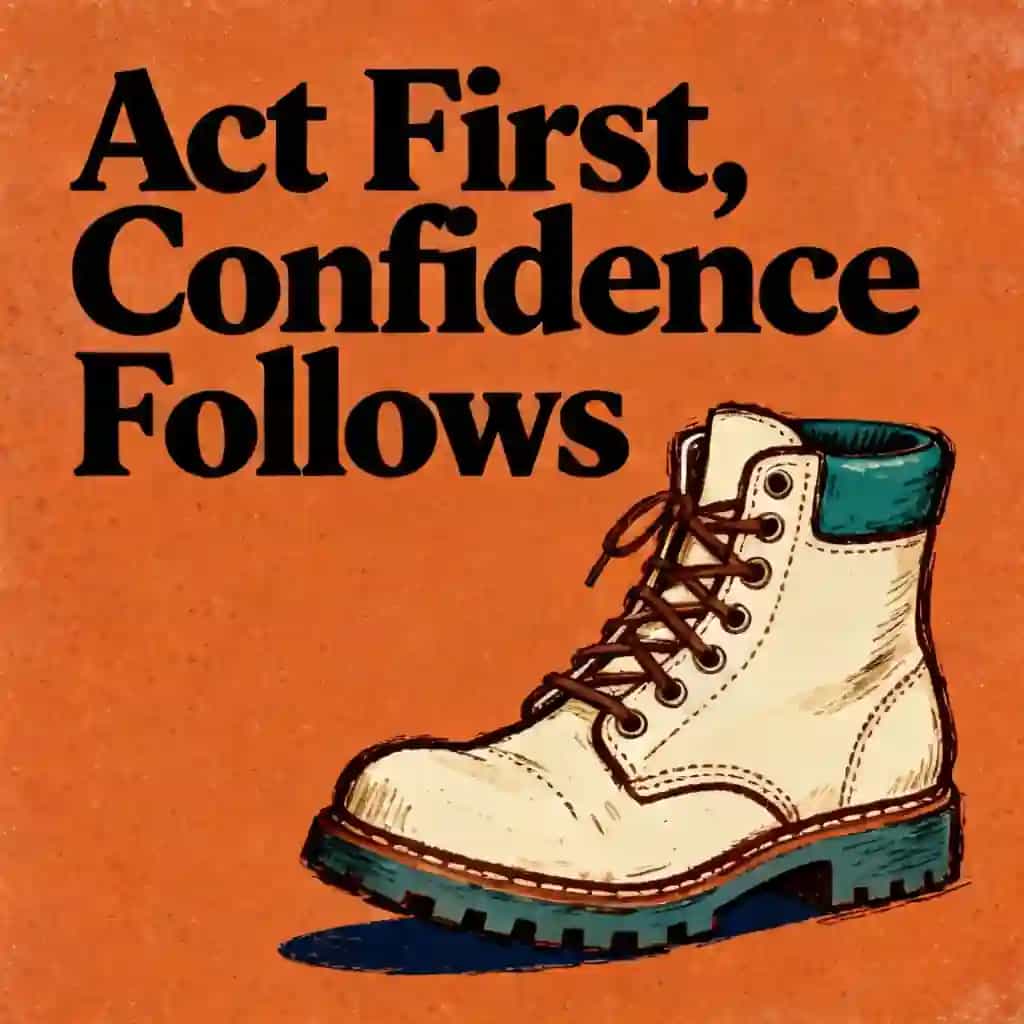
How to succeed even when you start out failing
Waiting for the perfect moment stops most people before they start. Learn how to build discipline and practical goals by embracing the struggle first.

Лучшая цитата из How to succeed even when you start out failing
Success isn't just a straight line or a sudden spark; it's a matter of architecture, not just trying harder. You don't rise to the level of your goals, you fall to the level of your systems.
Generated by LORD YORIICHI
How to succeed in my life

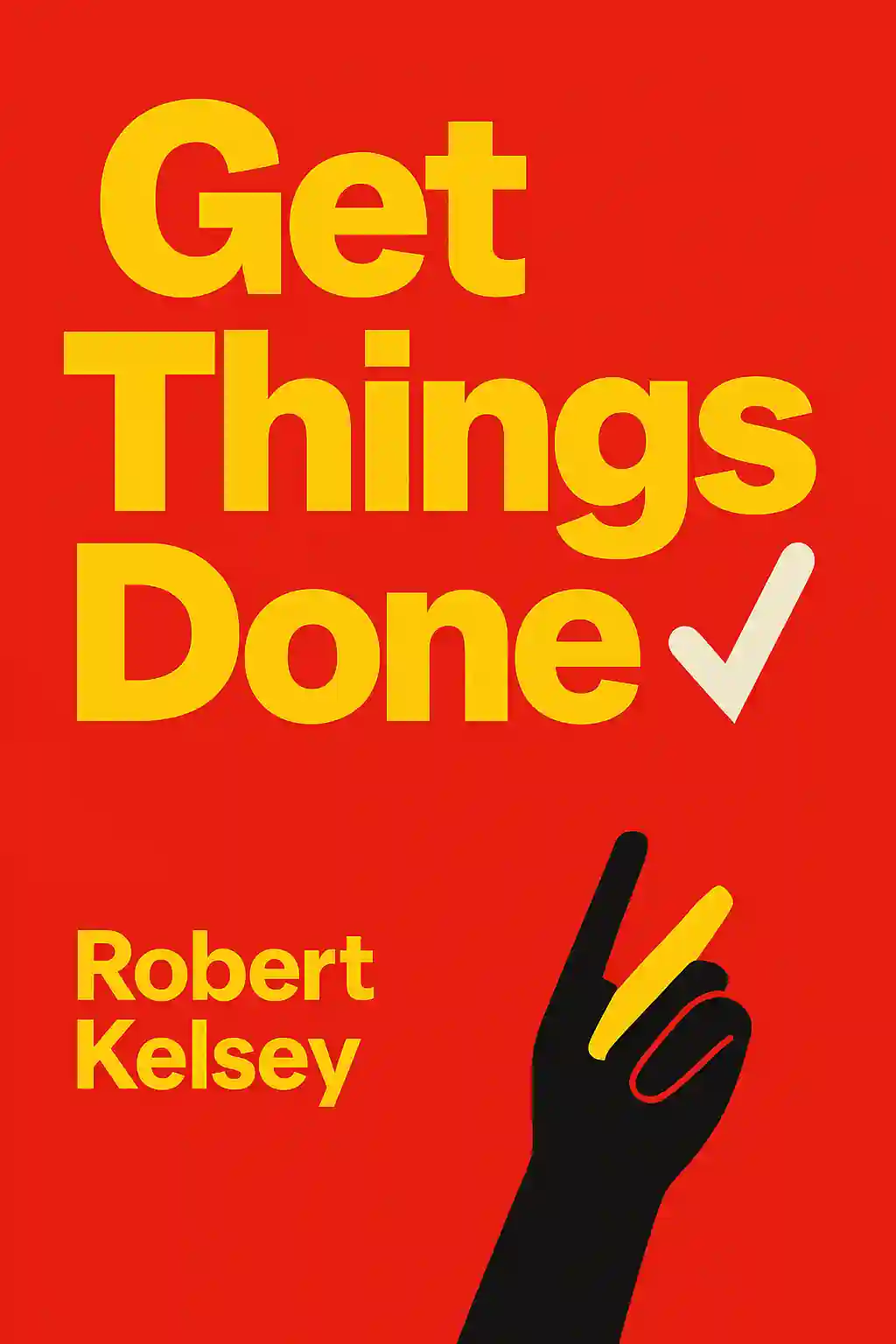
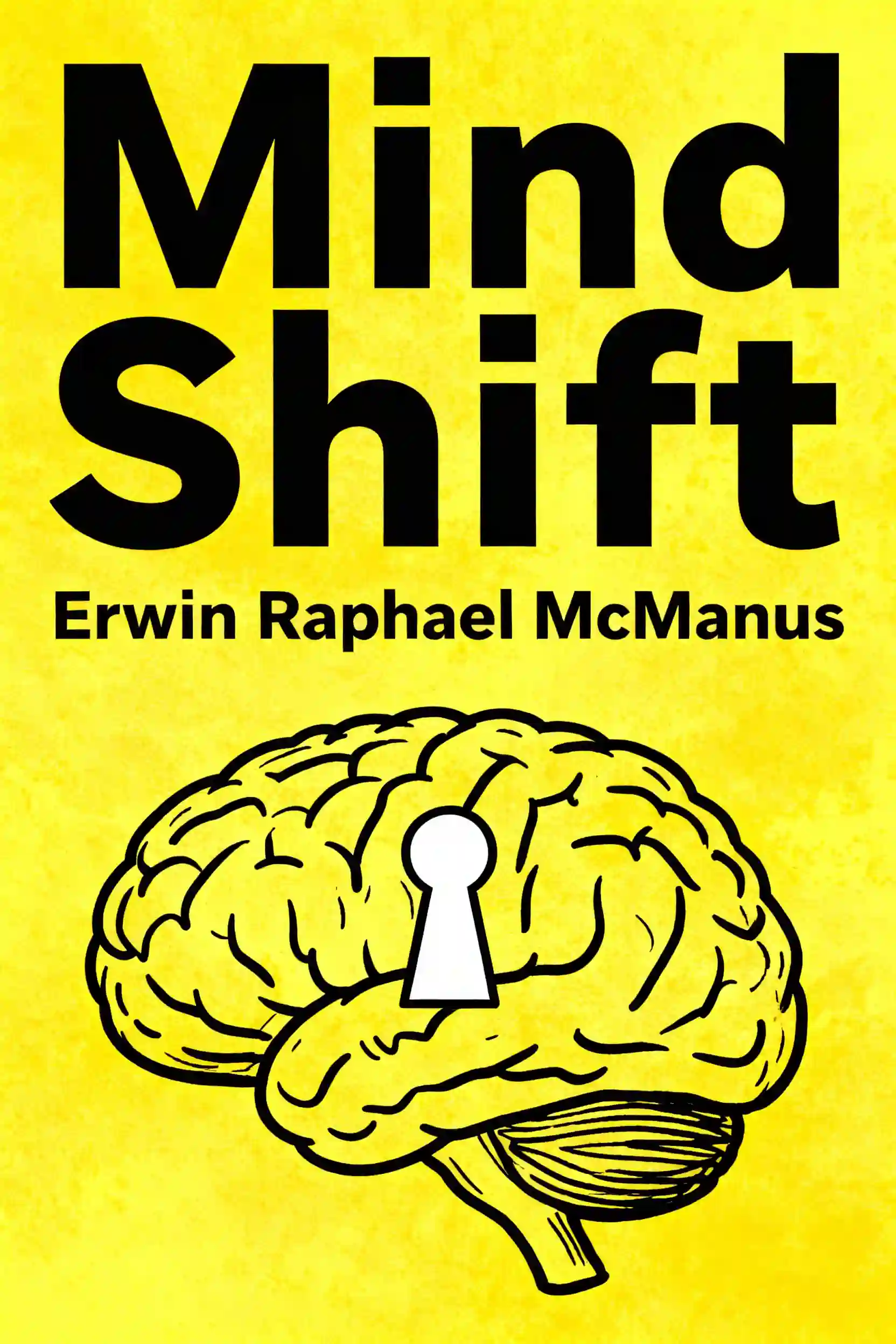
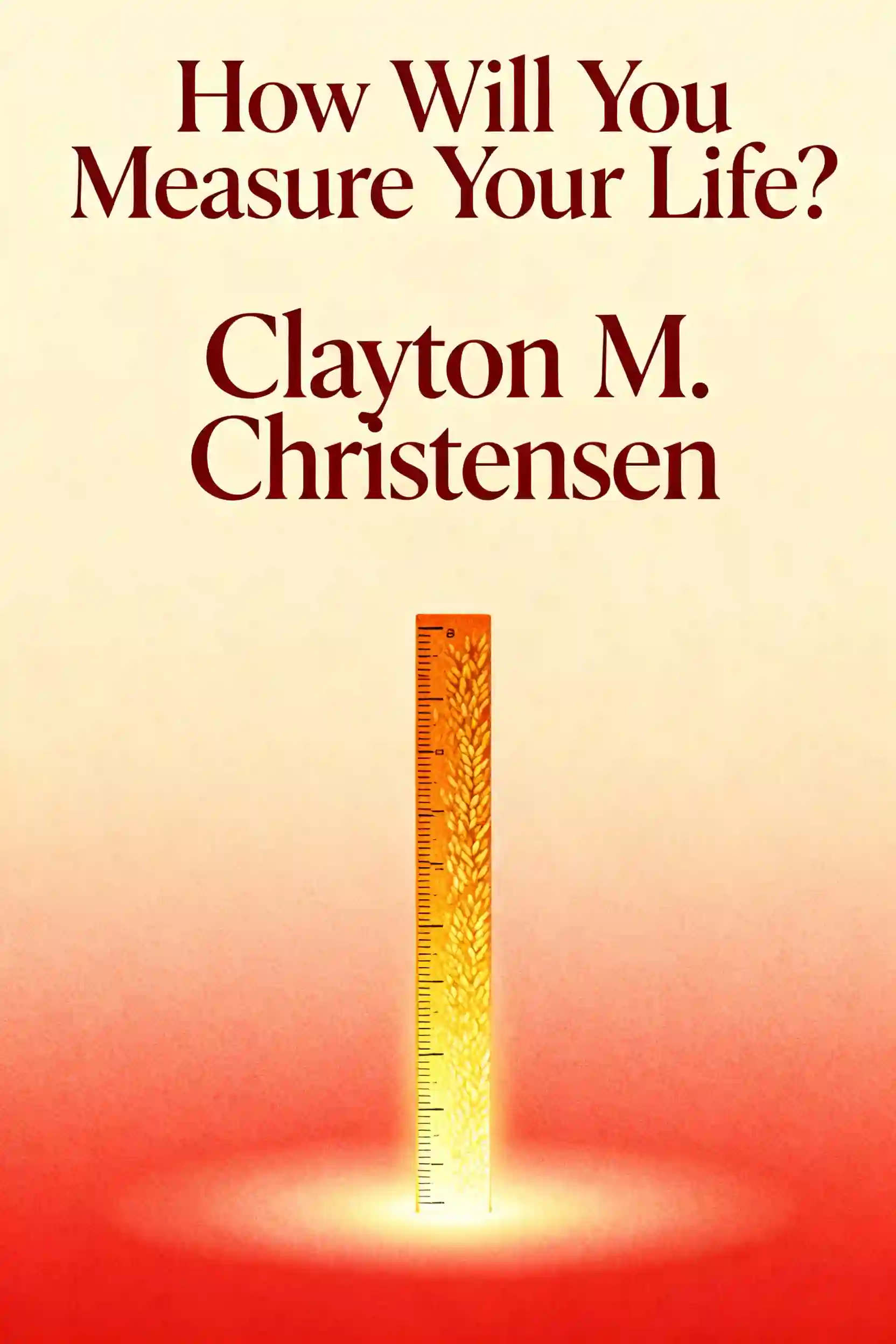
Часто задаваемые вопросы
Research into the "fantasizing effect" suggests that when you spend excessive time imagining the finish line, your brain receives a hit of dopamine that makes it feel as though the goals have already been achieved. This trick of the brain reduces the actual mental energy and drive required to tackle the hard, unglamorous work necessary to reach that finish line. Instead of pure visualization, experts suggest "mental contrasting" or the WOOP framework, which requires you to visualize the internal obstacles that might stop you so you can plan for them.
Goal shielding is the practice of choosing one "Northstar" goal and deliberately inhibiting interference from other competing interests. Research from the University of Pittsburgh indicates that sequential goal pursuit—focusing on one major priority at a time—is far more effective than juggling multiple goals because the brain’s executive function does not work well in parallel on complex tasks. By using a 90-day window to focus on a single priority, you can apply the 80/20 principle to identify the specific actions that will drive the most significant results.
Implementation intentions are "if-then" plans that automate decision-making during difficult moments. By deciding in advance exactly how you will respond to a specific obstacle—for example, "If I feel the urge to check social media, then I will leave my phone in the other room"—you reduce decision fatigue and the need for constant willpower. This architectural approach to habits can double the chances of success because the brain no longer has to "decide" what to do when motivation dips; it simply executes the pre-planned response.
Deliberate practice is not just repeating a task, but specifically working to "debug" and improve your skills through five key ingredients: increasing difficulty, seeking a coach, obtaining rapid feedback, maintaining intense focus, and targeting specific weaknesses. While regular practice often happens in a comfortable "flow state," deliberate practice is intentionally uncomfortable because it forces you to operate at the edge of your current abilities. This method ensures that you are actually growing in expertise rather than just logging hours doing something you are already good at.
The "biological machine" refers to the physical foundation of sleep, diet, and exercise that powers cognitive performance. The script highlights that sleep deprivation can impair judgment to the same level as legal intoxication, making it impossible to make sound professional decisions. Prioritizing rest and self-care is viewed as a prerequisite for productivity rather than an alternative to it; if the "machine" runs out of resources, the individual faces burnout, which prevents them from being effective or helpful to others in the long run.
Создано выпускниками Колумбийского университета в Сан-Франциско
"Instead of endless scrolling, I just hit play on BeFreed. It saves me so much time."


"I never knew where to start with nonfiction—BeFreed’s book lists turned into podcasts gave me a clear path."


"Perfect balance between learning and entertainment. Finished ‘Thinking, Fast and Slow’ on my commute this week."
"Crazy how much I learned while walking the dog. BeFreed = small habits → big gains."
"Reading used to feel like a chore. Now it’s just part of my lifestyle."

"Feels effortless compared to reading. I’ve finished 6 books this month already."
"BeFreed turned my guilty doomscrolling into something that feels productive and inspiring."

"BeFreed turned my commute into learning time. 20-min podcasts are perfect for finishing books I never had time for."
"BeFreed replaced my podcast queue. Imagine Spotify for books — that’s it. 🙌"

"It is great for me to learn something from the book without reading it."
"The themed book list podcasts help me connect ideas across authors—like a guided audio journey."
"Makes me feel smarter every time before going to work"
 Ask ChatGPT
 Ask Claude
Создано выпускниками Колумбийского университета в Сан-Франциско
"Instead of endless scrolling, I just hit play on BeFreed. It saves me so much time."
"I never knew where to start with nonfiction—BeFreed’s book lists turned into podcasts gave me a clear path."
"Perfect balance between learning and entertainment. Finished ‘Thinking, Fast and Slow’ on my commute this week."
"Crazy how much I learned while walking the dog. BeFreed = small habits → big gains."
"Reading used to feel like a chore. Now it’s just part of my lifestyle."
"Feels effortless compared to reading. I’ve finished 6 books this month already."
"BeFreed turned my guilty doomscrolling into something that feels productive and inspiring."
"BeFreed turned my commute into learning time. 20-min podcasts are perfect for finishing books I never had time for."
"BeFreed replaced my podcast queue. Imagine Spotify for books — that’s it. 🙌"
"It is great for me to learn something from the book without reading it."
"The themed book list podcasts help me connect ideas across authors—like a guided audio journey."
"Makes me feel smarter every time before going to work"
"Instead of endless scrolling, I just hit play on BeFreed. It saves me so much time."
"I never knew where to start with nonfiction—BeFreed’s book lists turned into podcasts gave me a clear path."
"Perfect balance between learning and entertainment. Finished ‘Thinking, Fast and Slow’ on my commute this week."
"Crazy how much I learned while walking the dog. BeFreed = small habits → big gains."
"Reading used to feel like a chore. Now it’s just part of my lifestyle."
"Feels effortless compared to reading. I’ve finished 6 books this month already."
"BeFreed turned my guilty doomscrolling into something that feels productive and inspiring."
"BeFreed turned my commute into learning time. 20-min podcasts are perfect for finishing books I never had time for."
"BeFreed replaced my podcast queue. Imagine Spotify for books — that’s it. 🙌"
"It is great for me to learn something from the book without reading it."
"The themed book list podcasts help me connect ideas across authors—like a guided audio journey."
"Makes me feel smarter every time before going to work"
"Instead of endless scrolling, I just hit play on BeFreed. It saves me so much time."
"I never knew where to start with nonfiction—BeFreed’s book lists turned into podcasts gave me a clear path."
"Perfect balance between learning and entertainment. Finished ‘Thinking, Fast and Slow’ on my commute this week."
"Crazy how much I learned while walking the dog. BeFreed = small habits → big gains."
"Reading used to feel like a chore. Now it’s just part of my lifestyle."
"Feels effortless compared to reading. I’ve finished 6 books this month already."
"BeFreed turned my guilty doomscrolling into something that feels productive and inspiring."
"BeFreed turned my commute into learning time. 20-min podcasts are perfect for finishing books I never had time for."
"BeFreed replaced my podcast queue. Imagine Spotify for books — that’s it. 🙌"
"It is great for me to learn something from the book without reading it."
"The themed book list podcasts help me connect ideas across authors—like a guided audio journey."
"Makes me feel smarter every time before going to work"