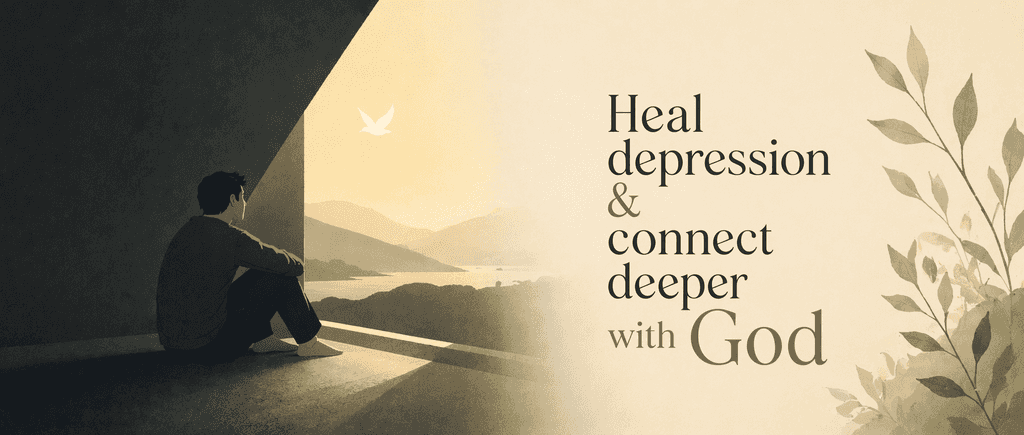
How to stop isolating when you feel depressed
Isolation feels safe but makes depression harder to break. Learn why your brain resists connection and how small steps can help you let people back in.

Лучшая цитата из How to stop isolating when you feel depressed
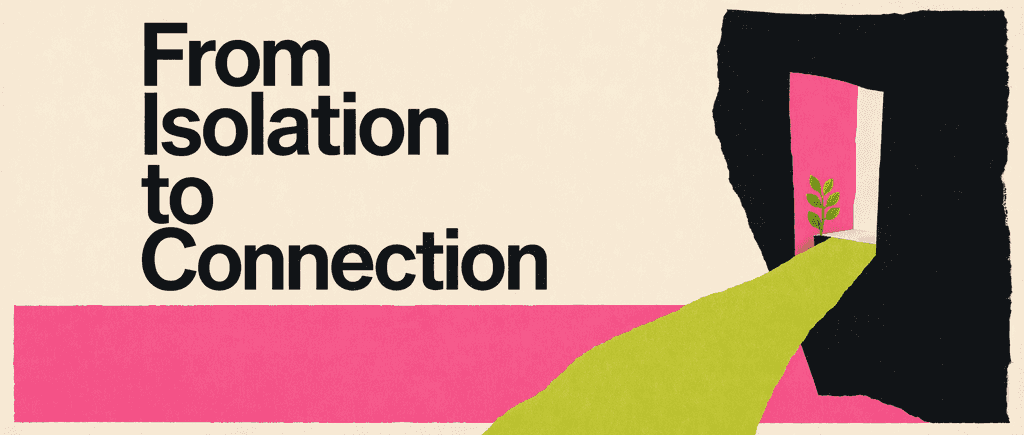
Vulnerability is the glue of connection. Most of the people who care about you would much rather spend a 'heavy' hour with you than a 'fine' hour with a version of you that’s hiding.
Generated by Cii
I want to learn how to stop isolating whenever I feel depressed. I want to always be fully present and allow myself to be supported


Часто задаваемые вопросы
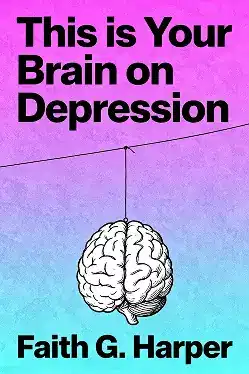
Depression can disrupt dopamine pathways, which are the brain's primary drivers for motivation. This creates a high "activation energy" requirement, making simple tasks like sending a text feel as exhausting as running a marathon. It is a biological symptom rather than a personal failing, as the brain's reward system is essentially struggling to provide the necessary spark to initiate social contact.
Connecting with others acts as a "social shield" by flipping a biological switch in the nervous system. While isolation keeps the body in a high-alert state with elevated cortisol, safe social connection triggers the release of oxytocin and dopamine. This signals the amygdala to stand down, lowering the physiological stress response and reducing long-term risks for heart disease and burnout.
Third places are community spaces like libraries, cafes, or parks where people can be "alone together." These environments allow for "ambient connection," which provides the benefits of being around other humans without the high energy cost of a one-on-one "social performance." They serve as a low-pressure middle ground for those with a low social battery to begin re-engaging with the world.
Digital connection is often described as "low-resolution" or a "social vitamin" compared to the "whole food" of in-person interaction. While apps and texting are helpful tools for skill-building or immediate support, they often fail to trigger the same deep hormonal shifts—like the oxytocin hit from eye contact or voice—that face-to-face meetings provide. The best use of technology is as a bridge to facilitate real-world meetings rather than a permanent replacement for them.
The feeling of being a burden is a common distortion caused by depression, often referred to as a "maladaptive social cognition." Research suggests reframing this thought through "cognitive reappraisal": instead of seeing yourself as a problem, view your vulnerability as an opportunity for your friends to support you. Vulnerability is actually the "glue" of connection, and most friends value presence and honesty over a "pleasant" but superficial interaction.
Создано выпускниками Колумбийского университета в Сан-Франциско
"Instead of endless scrolling, I just hit play on BeFreed. It saves me so much time."


"I never knew where to start with nonfiction—BeFreed’s book lists turned into podcasts gave me a clear path."


"Perfect balance between learning and entertainment. Finished ‘Thinking, Fast and Slow’ on my commute this week."
"Crazy how much I learned while walking the dog. BeFreed = small habits → big gains."
"Reading used to feel like a chore. Now it’s just part of my lifestyle."

"Feels effortless compared to reading. I’ve finished 6 books this month already."
"BeFreed turned my guilty doomscrolling into something that feels productive and inspiring."

"BeFreed turned my commute into learning time. 20-min podcasts are perfect for finishing books I never had time for."
"BeFreed replaced my podcast queue. Imagine Spotify for books — that’s it. 🙌"

"It is great for me to learn something from the book without reading it."
"The themed book list podcasts help me connect ideas across authors—like a guided audio journey."
"Makes me feel smarter every time before going to work"
Создано выпускниками Колумбийского университета в Сан-Франциско
"Instead of endless scrolling, I just hit play on BeFreed. It saves me so much time."
"I never knew where to start with nonfiction—BeFreed’s book lists turned into podcasts gave me a clear path."
"Perfect balance between learning and entertainment. Finished ‘Thinking, Fast and Slow’ on my commute this week."
"Crazy how much I learned while walking the dog. BeFreed = small habits → big gains."
"Reading used to feel like a chore. Now it’s just part of my lifestyle."
"Feels effortless compared to reading. I’ve finished 6 books this month already."
"BeFreed turned my guilty doomscrolling into something that feels productive and inspiring."
"BeFreed turned my commute into learning time. 20-min podcasts are perfect for finishing books I never had time for."
"BeFreed replaced my podcast queue. Imagine Spotify for books — that’s it. 🙌"
"It is great for me to learn something from the book without reading it."
"The themed book list podcasts help me connect ideas across authors—like a guided audio journey."
"Makes me feel smarter every time before going to work"
"Instead of endless scrolling, I just hit play on BeFreed. It saves me so much time."
"I never knew where to start with nonfiction—BeFreed’s book lists turned into podcasts gave me a clear path."
"Perfect balance between learning and entertainment. Finished ‘Thinking, Fast and Slow’ on my commute this week."
"Crazy how much I learned while walking the dog. BeFreed = small habits → big gains."
"Reading used to feel like a chore. Now it’s just part of my lifestyle."
"Feels effortless compared to reading. I’ve finished 6 books this month already."
"BeFreed turned my guilty doomscrolling into something that feels productive and inspiring."
"BeFreed turned my commute into learning time. 20-min podcasts are perfect for finishing books I never had time for."
"BeFreed replaced my podcast queue. Imagine Spotify for books — that’s it. 🙌"
"It is great for me to learn something from the book without reading it."
"The themed book list podcasts help me connect ideas across authors—like a guided audio journey."
"Makes me feel smarter every time before going to work"
"Instead of endless scrolling, I just hit play on BeFreed. It saves me so much time."
"I never knew where to start with nonfiction—BeFreed’s book lists turned into podcasts gave me a clear path."
"Perfect balance between learning and entertainment. Finished ‘Thinking, Fast and Slow’ on my commute this week."
"Crazy how much I learned while walking the dog. BeFreed = small habits → big gains."
"Reading used to feel like a chore. Now it’s just part of my lifestyle."
"Feels effortless compared to reading. I’ve finished 6 books this month already."
"BeFreed turned my guilty doomscrolling into something that feels productive and inspiring."
"BeFreed turned my commute into learning time. 20-min podcasts are perfect for finishing books I never had time for."
"BeFreed replaced my podcast queue. Imagine Spotify for books — that’s it. 🙌"
"It is great for me to learn something from the book without reading it."
"The themed book list podcasts help me connect ideas across authors—like a guided audio journey."
"Makes me feel smarter every time before going to work"