Free Energy Principle: Understanding Karl Friston's Theory
Explore Karl Friston's Free Energy Principle. Learn how active inference and predictive coding explain brain function, neuroscience, and theoretical biology.

Лучшая цитата из Free Energy Principle: Understanding Karl Friston's Theory
Your brain isn't actually a camera recording the world; it’s a prediction machine. You are literally a walking, talking set of predictions about what it takes to keep being you, living in a controlled hallucination that gets corrected by reality.
Generated by Tom
Free energy principle

Часто задаваемые вопросы
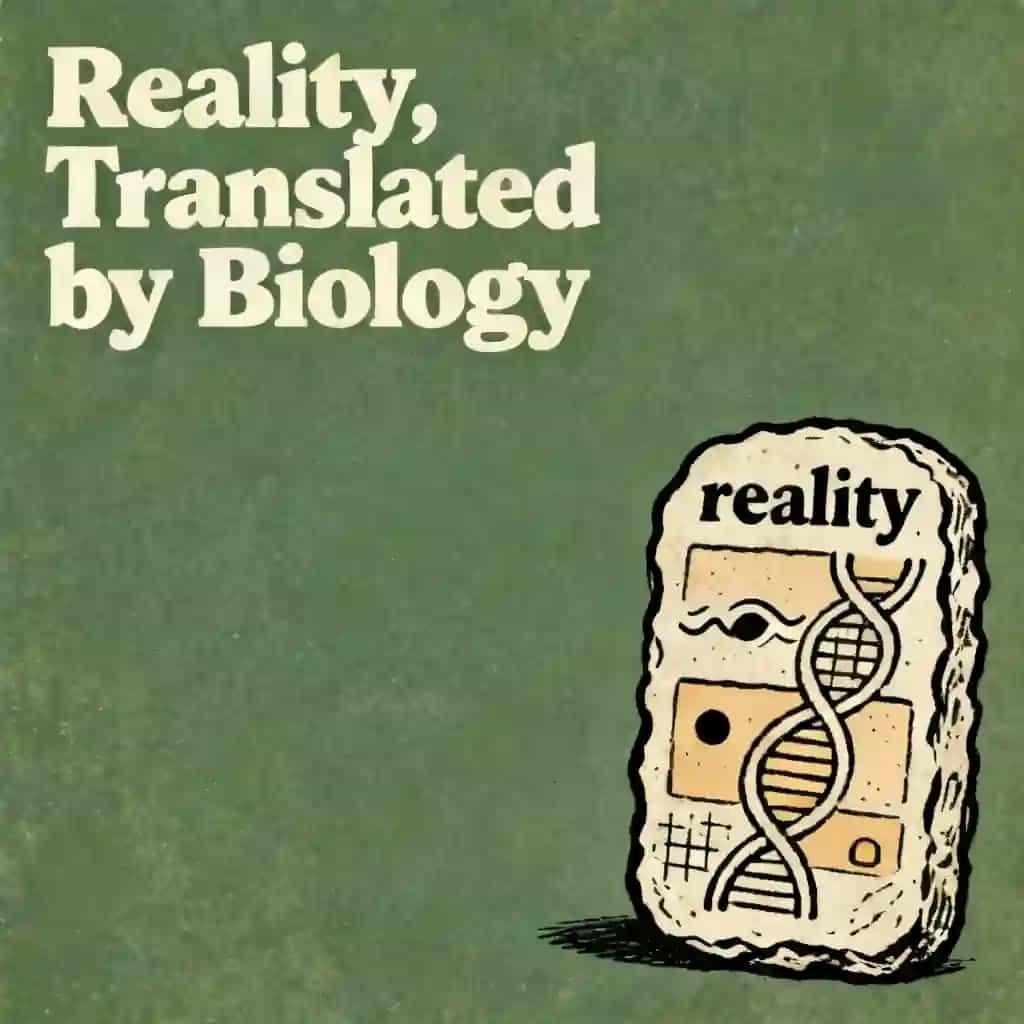
The Free Energy Principle is a comprehensive framework in theoretical biology and neuroscience developed by Karl Friston. It suggests that all living systems act to minimize 'free energy,' which represents the difference between their internal models of the world and the sensory input they receive. By reducing this discrepancy, organisms maintain homeostasis and better understand their environment, providing a unified theory for how the brain functions and evolves.
Active inference is a core component of the Free Energy Principle that describes how organisms minimize uncertainty. It suggests that the brain doesn't just passively receive information but actively makes predictions about sensory input. To reduce error, an organism can either change its internal predictions through learning or change its actions to make the environment match its expectations, effectively bridging the gap between perception and motor control.
Predictive coding is a specific mechanism within the Free Energy Principle used to explain brain function. In this model, the brain constantly generates hypotheses about the causes of sensory data. Only the 'prediction errors'—the parts of the signal that the brain failed to anticipate—are passed up the neural hierarchy to update the internal model. This efficient process allows the brain to conserve energy while maintaining an accurate representation of reality.
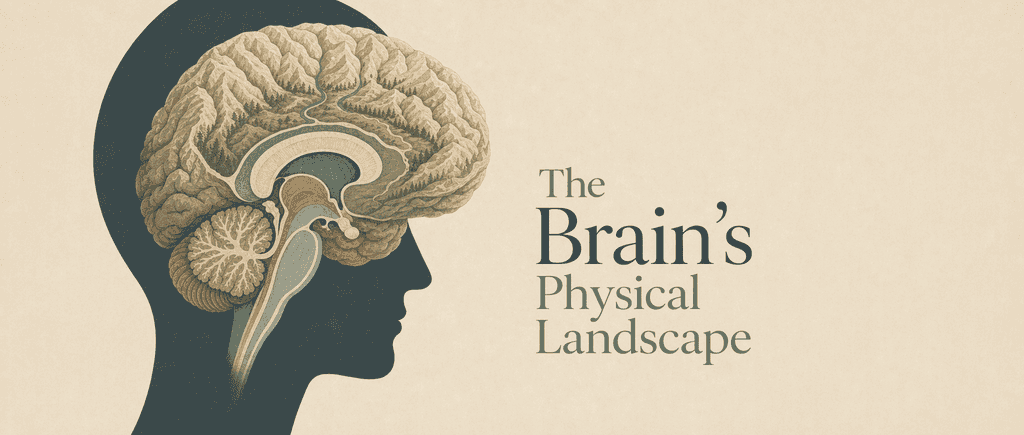
In the field of neuroscience, the Free Energy Principle is significant because it offers a potential 'grand unified theory' of the brain. It connects diverse concepts like perception, action, and learning under a single mathematical objective. By framing brain function as a drive to minimize surprise, it provides researchers with a robust tool for studying everything from basic biological processes to complex cognitive behaviors and psychiatric disorders.
Создано выпускниками Колумбийского университета в Сан-Франциско
"Instead of endless scrolling, I just hit play on BeFreed. It saves me so much time."


"I never knew where to start with nonfiction—BeFreed’s book lists turned into podcasts gave me a clear path."


"Perfect balance between learning and entertainment. Finished ‘Thinking, Fast and Slow’ on my commute this week."
"Crazy how much I learned while walking the dog. BeFreed = small habits → big gains."
"Reading used to feel like a chore. Now it’s just part of my lifestyle."

"Feels effortless compared to reading. I’ve finished 6 books this month already."
"BeFreed turned my guilty doomscrolling into something that feels productive and inspiring."

"BeFreed turned my commute into learning time. 20-min podcasts are perfect for finishing books I never had time for."
"BeFreed replaced my podcast queue. Imagine Spotify for books — that’s it. 🙌"

"It is great for me to learn something from the book without reading it."
"The themed book list podcasts help me connect ideas across authors—like a guided audio journey."
"Makes me feel smarter every time before going to work"
Создано выпускниками Колумбийского университета в Сан-Франциско
"Instead of endless scrolling, I just hit play on BeFreed. It saves me so much time."
"I never knew where to start with nonfiction—BeFreed’s book lists turned into podcasts gave me a clear path."
"Perfect balance between learning and entertainment. Finished ‘Thinking, Fast and Slow’ on my commute this week."
"Crazy how much I learned while walking the dog. BeFreed = small habits → big gains."
"Reading used to feel like a chore. Now it’s just part of my lifestyle."
"Feels effortless compared to reading. I’ve finished 6 books this month already."
"BeFreed turned my guilty doomscrolling into something that feels productive and inspiring."
"BeFreed turned my commute into learning time. 20-min podcasts are perfect for finishing books I never had time for."
"BeFreed replaced my podcast queue. Imagine Spotify for books — that’s it. 🙌"
"It is great for me to learn something from the book without reading it."
"The themed book list podcasts help me connect ideas across authors—like a guided audio journey."
"Makes me feel smarter every time before going to work"
"Instead of endless scrolling, I just hit play on BeFreed. It saves me so much time."
"I never knew where to start with nonfiction—BeFreed’s book lists turned into podcasts gave me a clear path."
"Perfect balance between learning and entertainment. Finished ‘Thinking, Fast and Slow’ on my commute this week."
"Crazy how much I learned while walking the dog. BeFreed = small habits → big gains."
"Reading used to feel like a chore. Now it’s just part of my lifestyle."
"Feels effortless compared to reading. I’ve finished 6 books this month already."
"BeFreed turned my guilty doomscrolling into something that feels productive and inspiring."
"BeFreed turned my commute into learning time. 20-min podcasts are perfect for finishing books I never had time for."
"BeFreed replaced my podcast queue. Imagine Spotify for books — that’s it. 🙌"
"It is great for me to learn something from the book without reading it."
"The themed book list podcasts help me connect ideas across authors—like a guided audio journey."
"Makes me feel smarter every time before going to work"
"Instead of endless scrolling, I just hit play on BeFreed. It saves me so much time."
"I never knew where to start with nonfiction—BeFreed’s book lists turned into podcasts gave me a clear path."
"Perfect balance between learning and entertainment. Finished ‘Thinking, Fast and Slow’ on my commute this week."
"Crazy how much I learned while walking the dog. BeFreed = small habits → big gains."
"Reading used to feel like a chore. Now it’s just part of my lifestyle."
"Feels effortless compared to reading. I’ve finished 6 books this month already."
"BeFreed turned my guilty doomscrolling into something that feels productive and inspiring."
"BeFreed turned my commute into learning time. 20-min podcasts are perfect for finishing books I never had time for."
"BeFreed replaced my podcast queue. Imagine Spotify for books — that’s it. 🙌"
"It is great for me to learn something from the book without reading it."
"The themed book list podcasts help me connect ideas across authors—like a guided audio journey."
"Makes me feel smarter every time before going to work"