Friendship Rules for Autistic Introverts
Discover why traditional friendship advice fails autistic introverts and learn 7 research-backed strategies for building authentic connections based on shared interests rather than forced social skills.

Лучшая цитата из Friendship Rules for Autistic Introverts
The alternative to masking is strategic authenticity—leveraging your natural tendencies, like a preference for deep conversation over small talk, as friendship superpowers rather than social bugs. Instead of changing yourself to fit a neurotypical mold, you design a social life that works with your brain's natural rhythms.

Этот аудиоурок был создан участником сообщества BeFreed
Create deeper friendships as an awkward, possibly autistic, introvert who is retired


Узнать больше

Improve AuDHD social skills and connections
Traditional social advice often fails neurodivergent individuals because it ignores the specific intersection of autism and ADHD. This plan is designed for AuDHD adults seeking to build genuine relationships without sacrificing their mental well-being through masking.

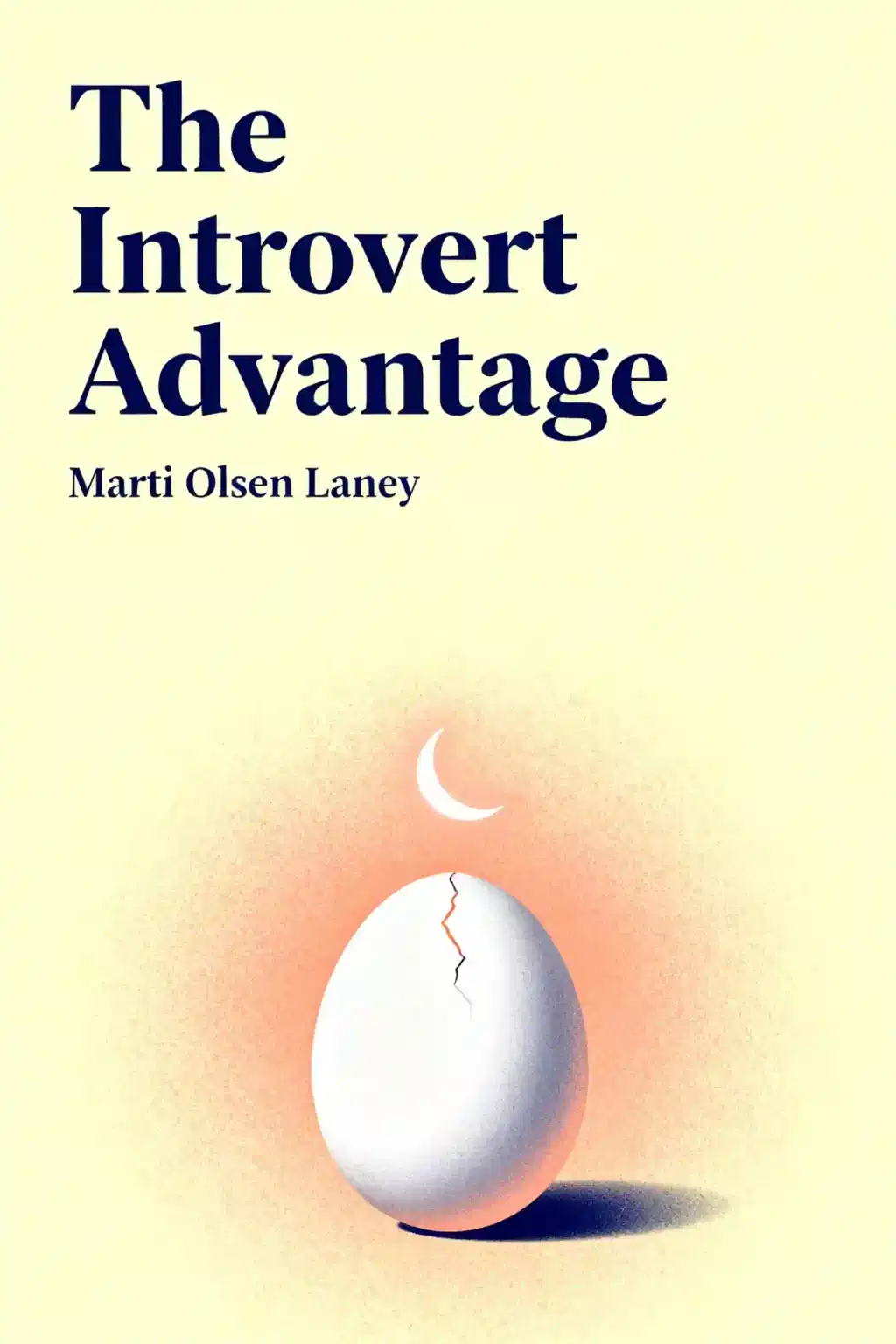
Build Social Skills for Introverts
This plan is essential for introverts who feel overshadowed in social or professional settings. It provides a roadmap to build authentic confidence and leadership skills without forcing a change in personality.

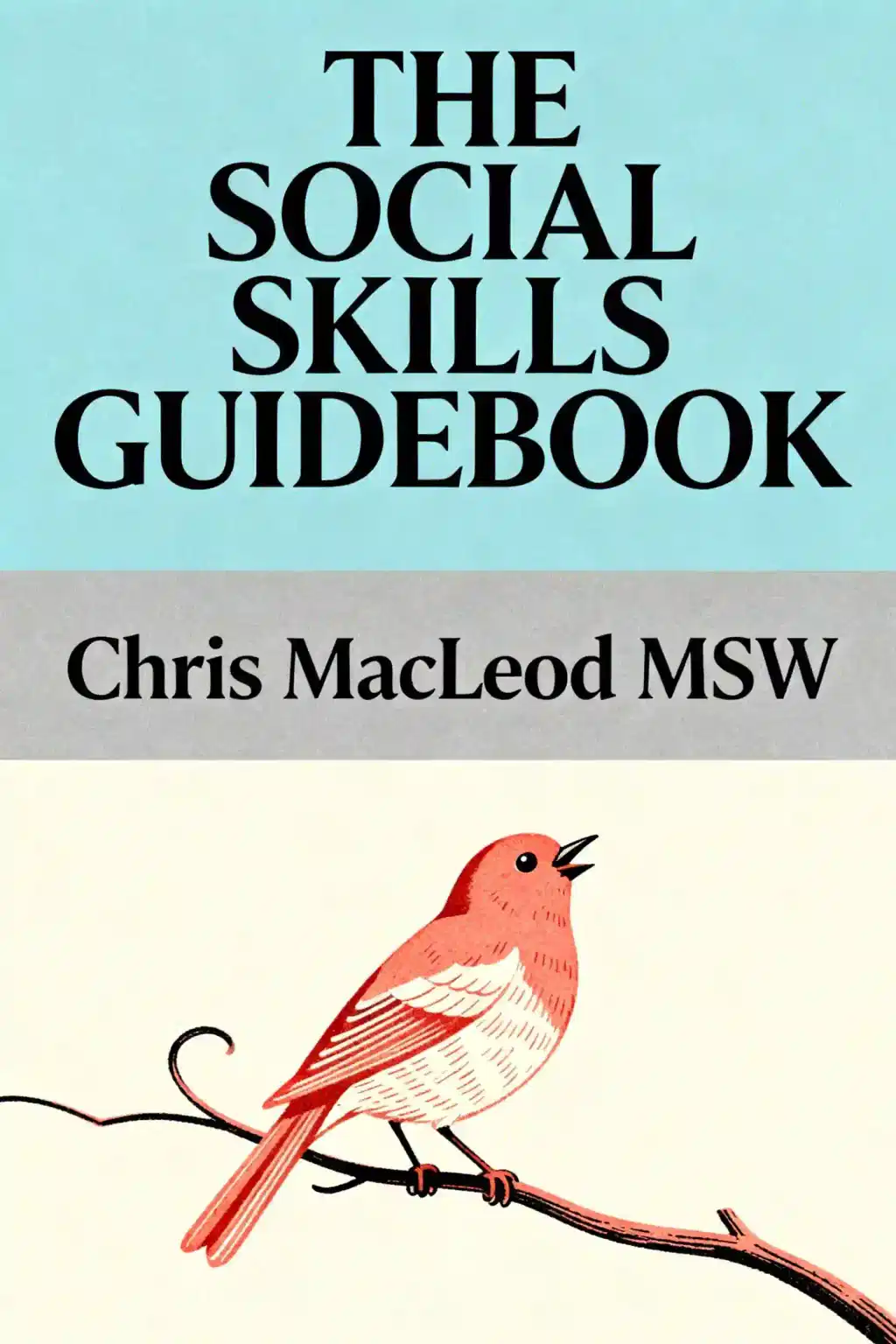
The Adult Friendship Protocol
Making friends as an adult is often hindered by a lack of structure and social anxiety. This protocol is designed for professionals and individuals looking to systematically build a community by mastering the mechanics of proximity and connection.
Become attractive as an awkward introvert
Many introverts struggle with dating and social interactions because they try to follow advice designed for extroverts. This learning plan provides introvert-specific strategies that work with your natural tendencies rather than against them, helping you become more attractive while staying true to yourself.

Boost conversation skills as an introvert
Introverts often feel disadvantaged in social situations despite possessing unique communication strengths that remain untapped. This learning plan provides introverts with tailored conversation strategies that work with their natural tendencies rather than against them, helping them connect authentically without the exhaustion of pretending to be extroverted.

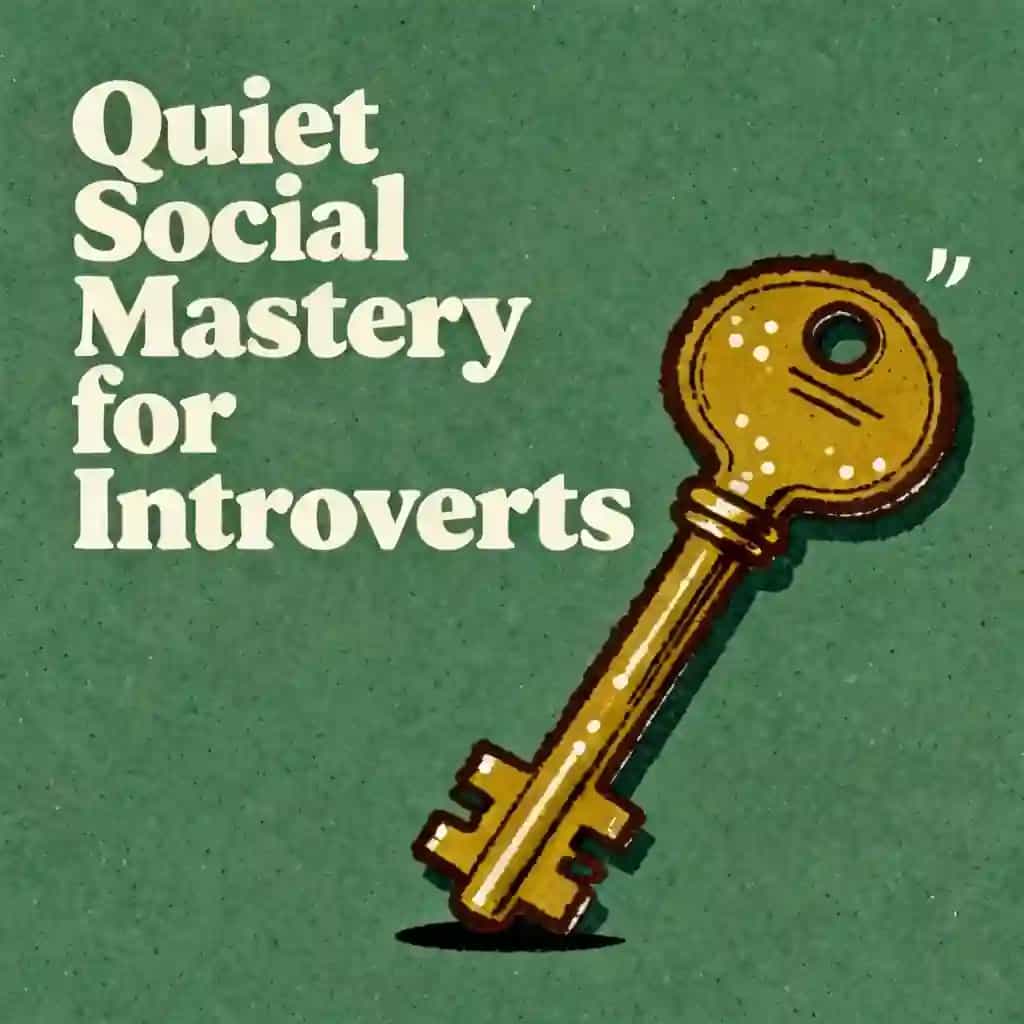
The Introvert’s Guide to Social Fluency
This plan is designed for introverts who feel sidelined by social anxiety or a lack of conversational confidence. It provides a structured path from internal self-regulation to external leadership, making it essential for professionals looking to increase their visibility without compromising their nature.

Overcome friendship doubts
This learning plan is designed for anyone who struggles with persistent doubts about their friendships, questions whether they're valued by others, or feels held back by fear of rejection. It's particularly valuable for those who recognize that past experiences or negative self-talk may be interfering with their ability to form deep, secure connections with friends.

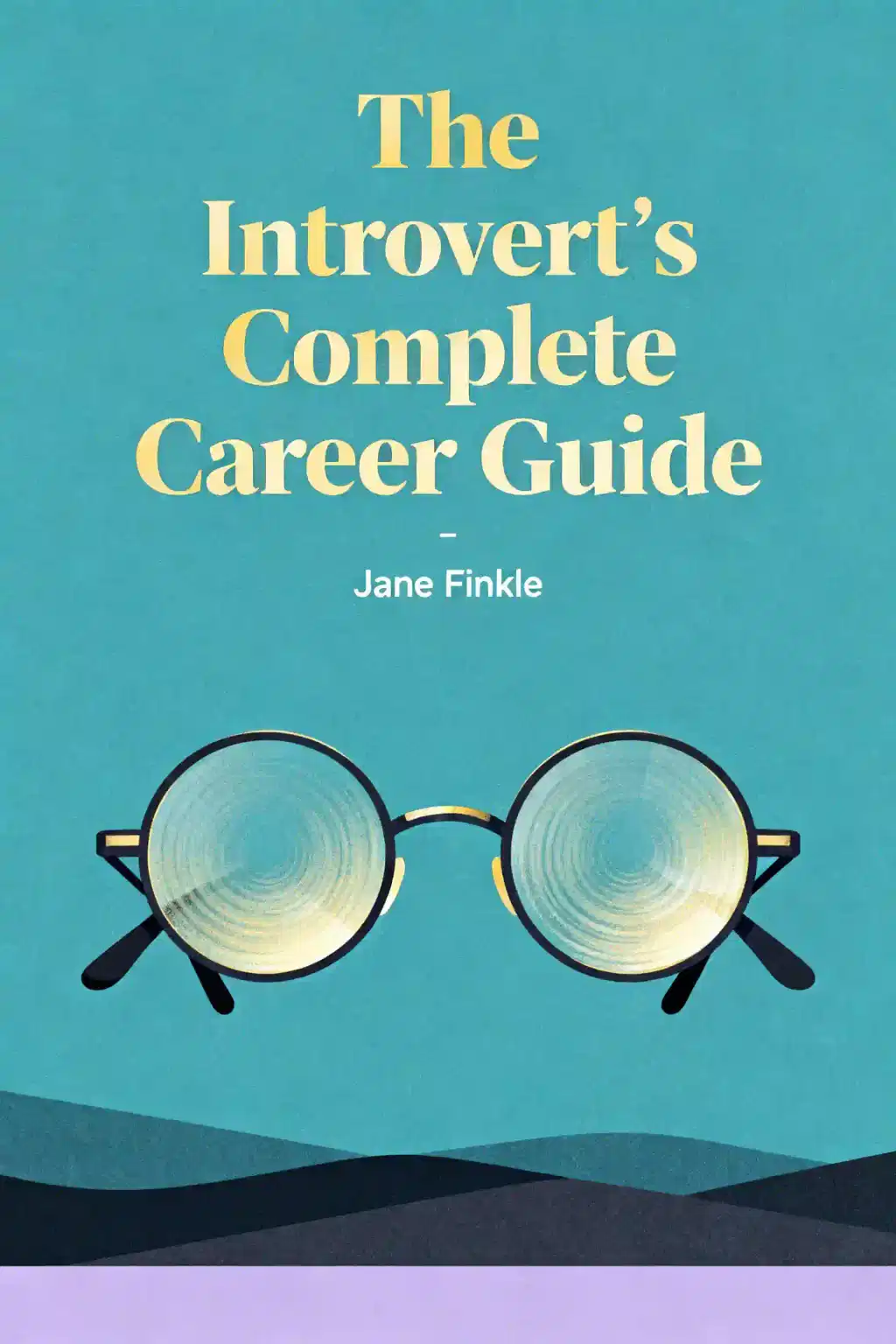
Boost introvert appeal
Introverts often feel pressured to adopt extroverted behaviors to succeed professionally and socially, leading to exhaustion and inauthenticity. This learning plan is designed for introverted professionals who want to increase their appeal, influence, and likability without compromising their natural temperament. It's particularly valuable for those in leadership roles, client-facing positions, or anyone seeking to expand their professional network while staying true to themselves.
Создано выпускниками Колумбийского университета в Сан-Франциско
"Instead of endless scrolling, I just hit play on BeFreed. It saves me so much time."


"I never knew where to start with nonfiction—BeFreed’s book lists turned into podcasts gave me a clear path."


"Perfect balance between learning and entertainment. Finished ‘Thinking, Fast and Slow’ on my commute this week."
"Crazy how much I learned while walking the dog. BeFreed = small habits → big gains."
"Reading used to feel like a chore. Now it’s just part of my lifestyle."

"Feels effortless compared to reading. I’ve finished 6 books this month already."
"BeFreed turned my guilty doomscrolling into something that feels productive and inspiring."

"BeFreed turned my commute into learning time. 20-min podcasts are perfect for finishing books I never had time for."
"BeFreed replaced my podcast queue. Imagine Spotify for books — that’s it. 🙌"

"It is great for me to learn something from the book without reading it."
"The themed book list podcasts help me connect ideas across authors—like a guided audio journey."
"Makes me feel smarter every time before going to work"
Создано выпускниками Колумбийского университета в Сан-Франциско
"Instead of endless scrolling, I just hit play on BeFreed. It saves me so much time."
"I never knew where to start with nonfiction—BeFreed’s book lists turned into podcasts gave me a clear path."
"Perfect balance between learning and entertainment. Finished ‘Thinking, Fast and Slow’ on my commute this week."
"Crazy how much I learned while walking the dog. BeFreed = small habits → big gains."
"Reading used to feel like a chore. Now it’s just part of my lifestyle."
"Feels effortless compared to reading. I’ve finished 6 books this month already."
"BeFreed turned my guilty doomscrolling into something that feels productive and inspiring."
"BeFreed turned my commute into learning time. 20-min podcasts are perfect for finishing books I never had time for."
"BeFreed replaced my podcast queue. Imagine Spotify for books — that’s it. 🙌"
"It is great for me to learn something from the book without reading it."
"The themed book list podcasts help me connect ideas across authors—like a guided audio journey."
"Makes me feel smarter every time before going to work"
"Instead of endless scrolling, I just hit play on BeFreed. It saves me so much time."
"I never knew where to start with nonfiction—BeFreed’s book lists turned into podcasts gave me a clear path."
"Perfect balance between learning and entertainment. Finished ‘Thinking, Fast and Slow’ on my commute this week."
"Crazy how much I learned while walking the dog. BeFreed = small habits → big gains."
"Reading used to feel like a chore. Now it’s just part of my lifestyle."
"Feels effortless compared to reading. I’ve finished 6 books this month already."
"BeFreed turned my guilty doomscrolling into something that feels productive and inspiring."
"BeFreed turned my commute into learning time. 20-min podcasts are perfect for finishing books I never had time for."
"BeFreed replaced my podcast queue. Imagine Spotify for books — that’s it. 🙌"
"It is great for me to learn something from the book without reading it."
"The themed book list podcasts help me connect ideas across authors—like a guided audio journey."
"Makes me feel smarter every time before going to work"
"Instead of endless scrolling, I just hit play on BeFreed. It saves me so much time."
"I never knew where to start with nonfiction—BeFreed’s book lists turned into podcasts gave me a clear path."
"Perfect balance between learning and entertainment. Finished ‘Thinking, Fast and Slow’ on my commute this week."
"Crazy how much I learned while walking the dog. BeFreed = small habits → big gains."
"Reading used to feel like a chore. Now it’s just part of my lifestyle."
"Feels effortless compared to reading. I’ve finished 6 books this month already."
"BeFreed turned my guilty doomscrolling into something that feels productive and inspiring."
"BeFreed turned my commute into learning time. 20-min podcasts are perfect for finishing books I never had time for."
"BeFreed replaced my podcast queue. Imagine Spotify for books — that’s it. 🙌"
"It is great for me to learn something from the book without reading it."
"The themed book list podcasts help me connect ideas across authors—like a guided audio journey."
"Makes me feel smarter every time before going to work"