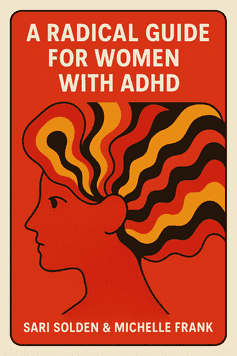
Doble Excepcionalidad: El Enigma Femenino
Exploramos cómo la doble excepcionalidad afecta a mujeres con alto potencial intelectual y neurodivergencias como TDAH o TEA, sus manifestaciones únicas y los desafíos en relaciones entre personas neurodivergentes.

Лучшая цитата из Doble Excepcionalidad: El Enigma Femenino
It's like having a Ferrari engine with bicycle brakes—the high intelligence often masks the difficulties, and the difficulties can hide the person's exceptional abilities.

Этот аудиоурок был создан участником сообщества BeFreed
Cuentame sobre doble (triple o multiple) excepcionalidad en mujeres. Todo lo que sepas al respecto. Cuentamelo en idioma español. Cuentame tambien (y sobre todo) como es que se da el TDAH y rasgos TEA, etc. En fin. Y busca a ver si hay test que pueda hacer yo para identificar si puedo estar conviviendo con ello. Tambien, cuentame cómo puede ser una relación entre dos personas neurodivergentes, que, posiblemente tengan doble o triple excepcionalidad ambas y no lo sepan y los riesgos de esto

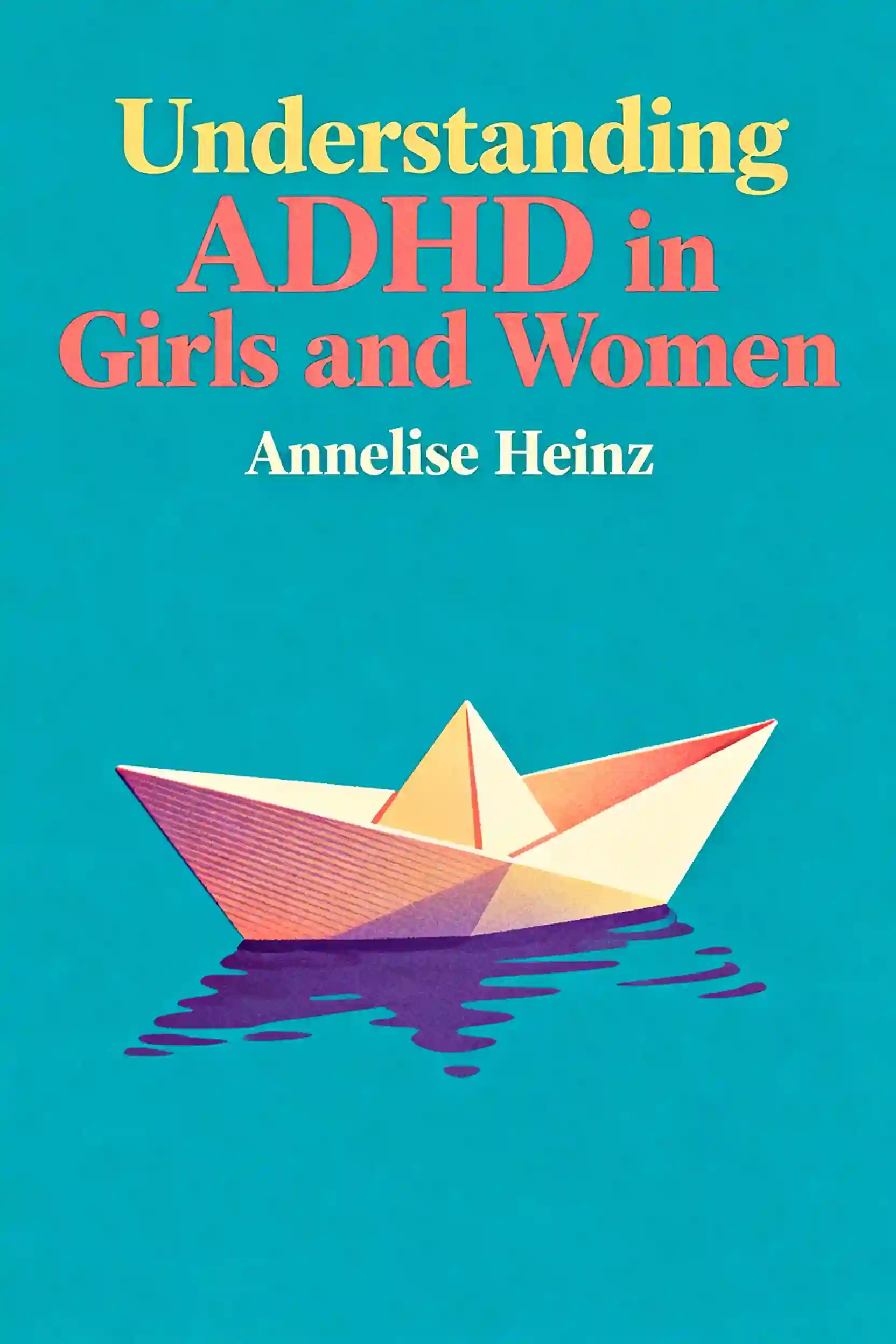
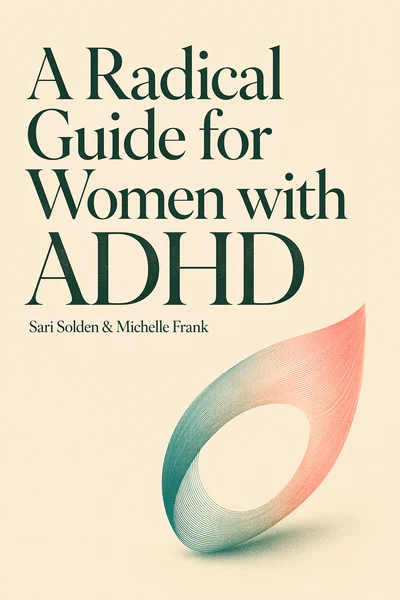
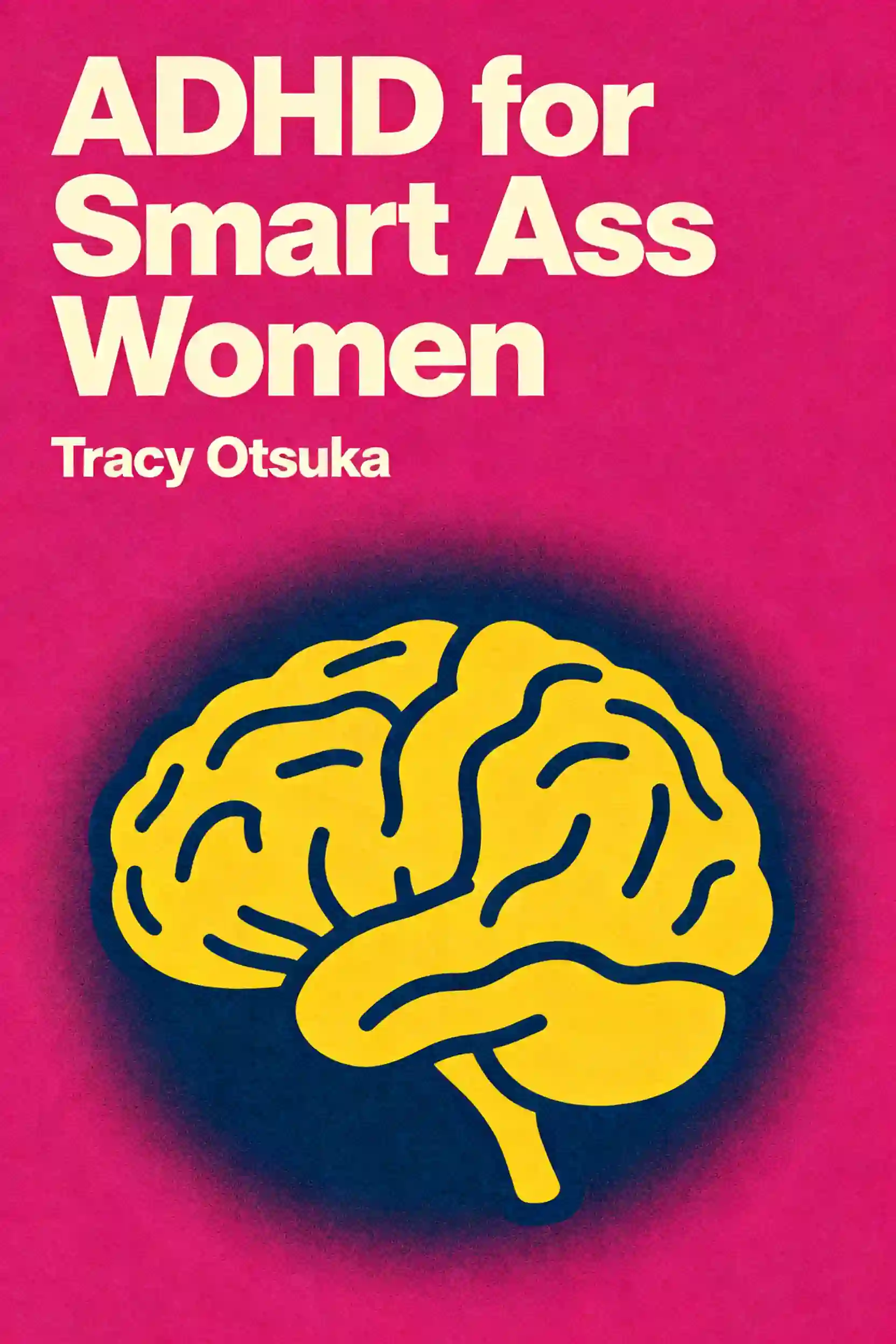

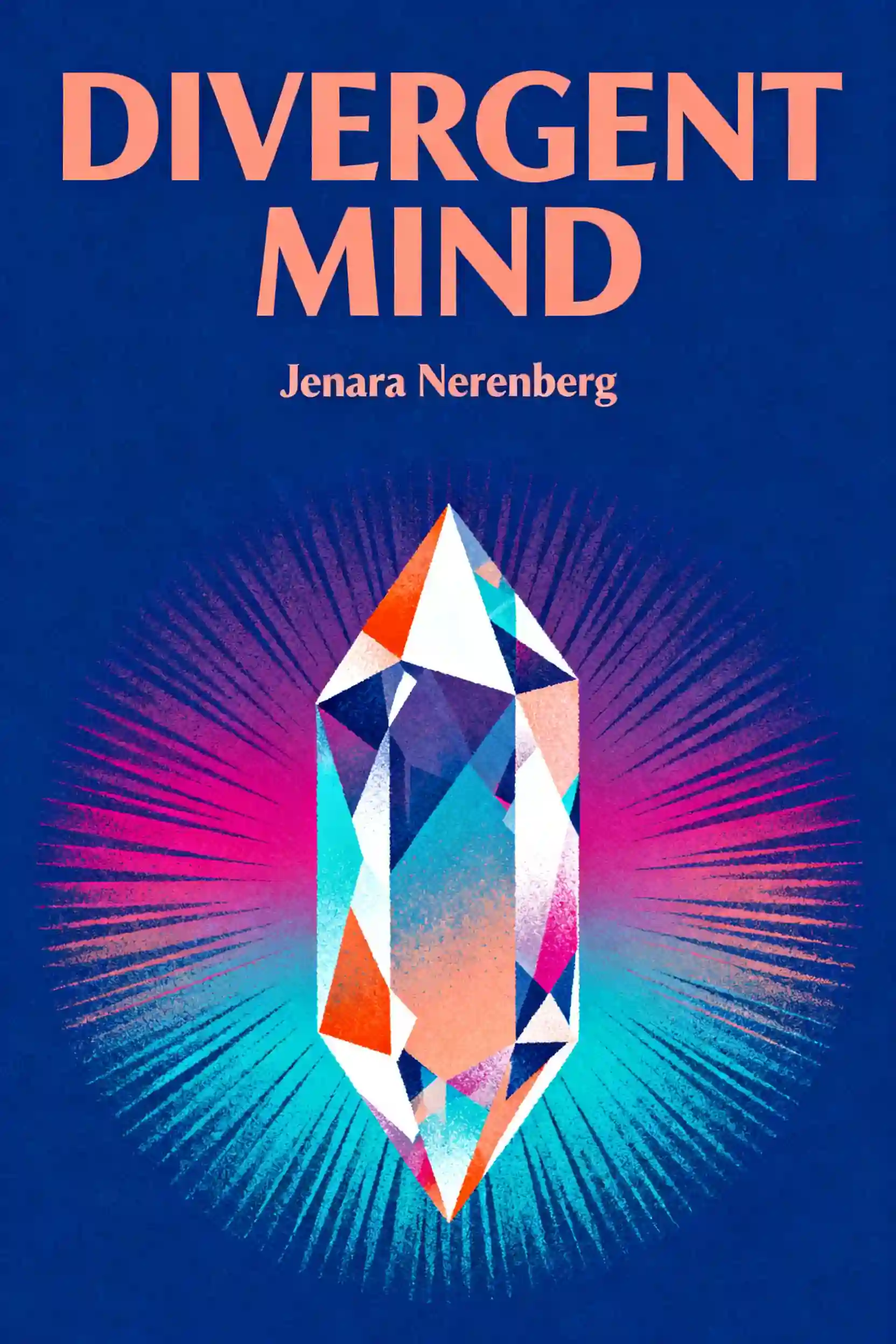
Узнать больше

Entender a detalle en multitarea
En un mundo saturado de distracciones, entender la neurociencia de la atención es vital para cualquier profesional que gestione múltiples proyectos. Este plan de aprendizaje es ideal para quienes buscan maximizar su rendimiento diario sin comprometer su salud mental ni la calidad de su trabajo.

Manage demanding career with ADHD as a mom
This plan addresses the unique intersection of neurodiversity, high-level career demands, and the complexities of motherhood. It is designed for professional women seeking sustainable systems to manage their ADHD without sacrificing their health or family life.

Female Psychology & Communication Essentials
Effective communication with women requires understanding the unique psychological and biological factors that influence female thought patterns and behaviors. This learning plan bridges the knowledge gap that often creates misunderstandings between genders, benefiting anyone seeking to improve their relationships with women, whether personal or professional.

The Hidden Psychology of Female Serial Killers
This course provides a deep dive into the unique behavioral patterns and psychological frameworks of female offenders. It is essential for criminology students, true crime enthusiasts, and legal professionals seeking to move beyond gender stereotypes in criminal profiling.

Vence la parálisis del trabajo
Este plan es ideal para profesionales y creativos que se sienten bloqueados por la autoexigencia o la falta de claridad inicial. Ofrece herramientas prácticas para transformar la parálisis en acción constante mediante el diseño de entornos y la gestión emocional.
Segundo cerebro Digital
En la era de la sobrecarga de información, gestionar el conocimiento es una habilidad crítica para profesionales y creativos. Este plan es ideal para quienes buscan liberar espacio mental y construir un sistema digital que trabaje para ellos.

Eneagrama infantil para educadores
Este plan es esencial para educadores que buscan entender las raíces del comportamiento infantil desde una perspectiva profunda y humana. Permite transformar el aula mediante un acompañamiento emocional que respeta la esencia y el carácter de cada alumno.

Radar de Atracción y Conexión
Este plan es ideal para quienes buscan mejorar su inteligencia social y dominar el lenguaje no verbal en contextos románticos. Proporciona herramientas prácticas para leer señales de interés y actuar con confianza y respeto desde el primer contacto.
Создано выпускниками Колумбийского университета в Сан-Франциско
"Instead of endless scrolling, I just hit play on BeFreed. It saves me so much time."


"I never knew where to start with nonfiction—BeFreed’s book lists turned into podcasts gave me a clear path."


"Perfect balance between learning and entertainment. Finished ‘Thinking, Fast and Slow’ on my commute this week."
"Crazy how much I learned while walking the dog. BeFreed = small habits → big gains."
"Reading used to feel like a chore. Now it’s just part of my lifestyle."

"Feels effortless compared to reading. I’ve finished 6 books this month already."
"BeFreed turned my guilty doomscrolling into something that feels productive and inspiring."

"BeFreed turned my commute into learning time. 20-min podcasts are perfect for finishing books I never had time for."
"BeFreed replaced my podcast queue. Imagine Spotify for books — that’s it. 🙌"

"It is great for me to learn something from the book without reading it."
"The themed book list podcasts help me connect ideas across authors—like a guided audio journey."
"Makes me feel smarter every time before going to work"
Создано выпускниками Колумбийского университета в Сан-Франциско
"Instead of endless scrolling, I just hit play on BeFreed. It saves me so much time."
"I never knew where to start with nonfiction—BeFreed’s book lists turned into podcasts gave me a clear path."
"Perfect balance between learning and entertainment. Finished ‘Thinking, Fast and Slow’ on my commute this week."
"Crazy how much I learned while walking the dog. BeFreed = small habits → big gains."
"Reading used to feel like a chore. Now it’s just part of my lifestyle."
"Feels effortless compared to reading. I’ve finished 6 books this month already."
"BeFreed turned my guilty doomscrolling into something that feels productive and inspiring."
"BeFreed turned my commute into learning time. 20-min podcasts are perfect for finishing books I never had time for."
"BeFreed replaced my podcast queue. Imagine Spotify for books — that’s it. 🙌"
"It is great for me to learn something from the book without reading it."
"The themed book list podcasts help me connect ideas across authors—like a guided audio journey."
"Makes me feel smarter every time before going to work"
"Instead of endless scrolling, I just hit play on BeFreed. It saves me so much time."
"I never knew where to start with nonfiction—BeFreed’s book lists turned into podcasts gave me a clear path."
"Perfect balance between learning and entertainment. Finished ‘Thinking, Fast and Slow’ on my commute this week."
"Crazy how much I learned while walking the dog. BeFreed = small habits → big gains."
"Reading used to feel like a chore. Now it’s just part of my lifestyle."
"Feels effortless compared to reading. I’ve finished 6 books this month already."
"BeFreed turned my guilty doomscrolling into something that feels productive and inspiring."
"BeFreed turned my commute into learning time. 20-min podcasts are perfect for finishing books I never had time for."
"BeFreed replaced my podcast queue. Imagine Spotify for books — that’s it. 🙌"
"It is great for me to learn something from the book without reading it."
"The themed book list podcasts help me connect ideas across authors—like a guided audio journey."
"Makes me feel smarter every time before going to work"
"Instead of endless scrolling, I just hit play on BeFreed. It saves me so much time."
"I never knew where to start with nonfiction—BeFreed’s book lists turned into podcasts gave me a clear path."
"Perfect balance between learning and entertainment. Finished ‘Thinking, Fast and Slow’ on my commute this week."
"Crazy how much I learned while walking the dog. BeFreed = small habits → big gains."
"Reading used to feel like a chore. Now it’s just part of my lifestyle."
"Feels effortless compared to reading. I’ve finished 6 books this month already."
"BeFreed turned my guilty doomscrolling into something that feels productive and inspiring."
"BeFreed turned my commute into learning time. 20-min podcasts are perfect for finishing books I never had time for."
"BeFreed replaced my podcast queue. Imagine Spotify for books — that’s it. 🙌"
"It is great for me to learn something from the book without reading it."
"The themed book list podcasts help me connect ideas across authors—like a guided audio journey."
"Makes me feel smarter every time before going to work"