CPTSD Arguments: Creating Safety After Conflict
Navigate arguments with CPTSD partners using trauma-informed repair techniques, co-regulation strategies, and practical scripts to rebuild trust and safety after difficult conflicts.

Лучшая цитата из CPTSD Arguments: Creating Safety After Conflict
Trauma isn't what happens to us—it's how our bodies respond when experiences overwhelm our nervous system. When someone has CPTSD, their brain and body have learned to protect them in ways that can make intimate relationships feel simultaneously essential and terrifying.

Этот аудиоурок был создан участником сообщества BeFreed
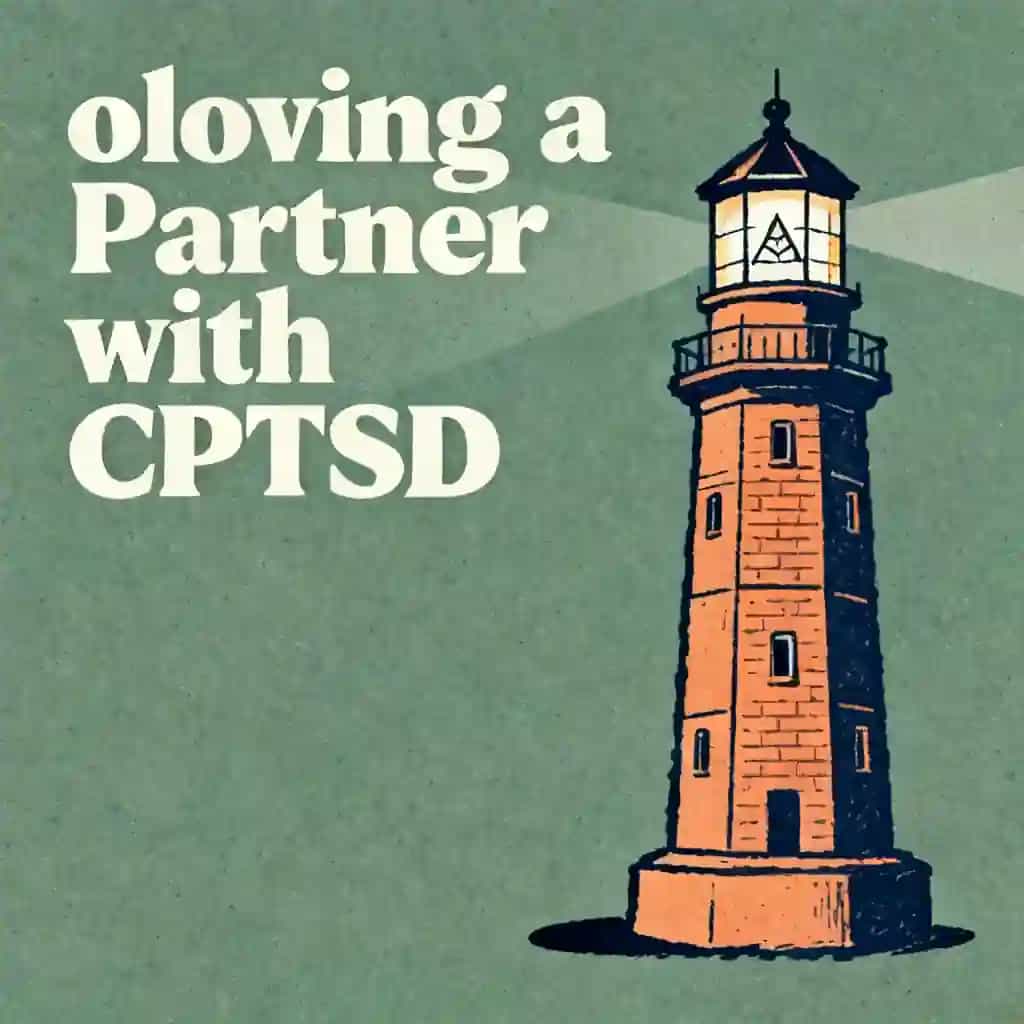
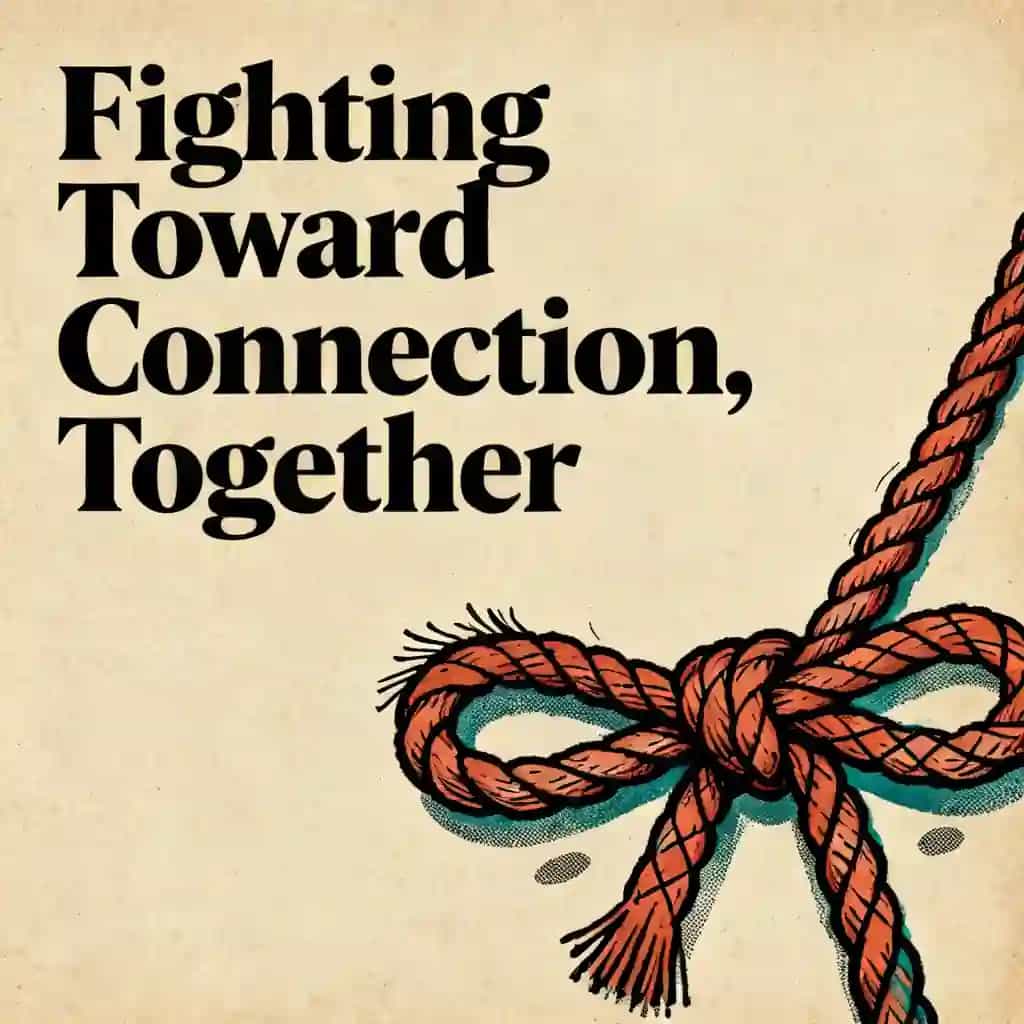
Arguing with someone with cptsd and how to make them feel safe after a bad argument.





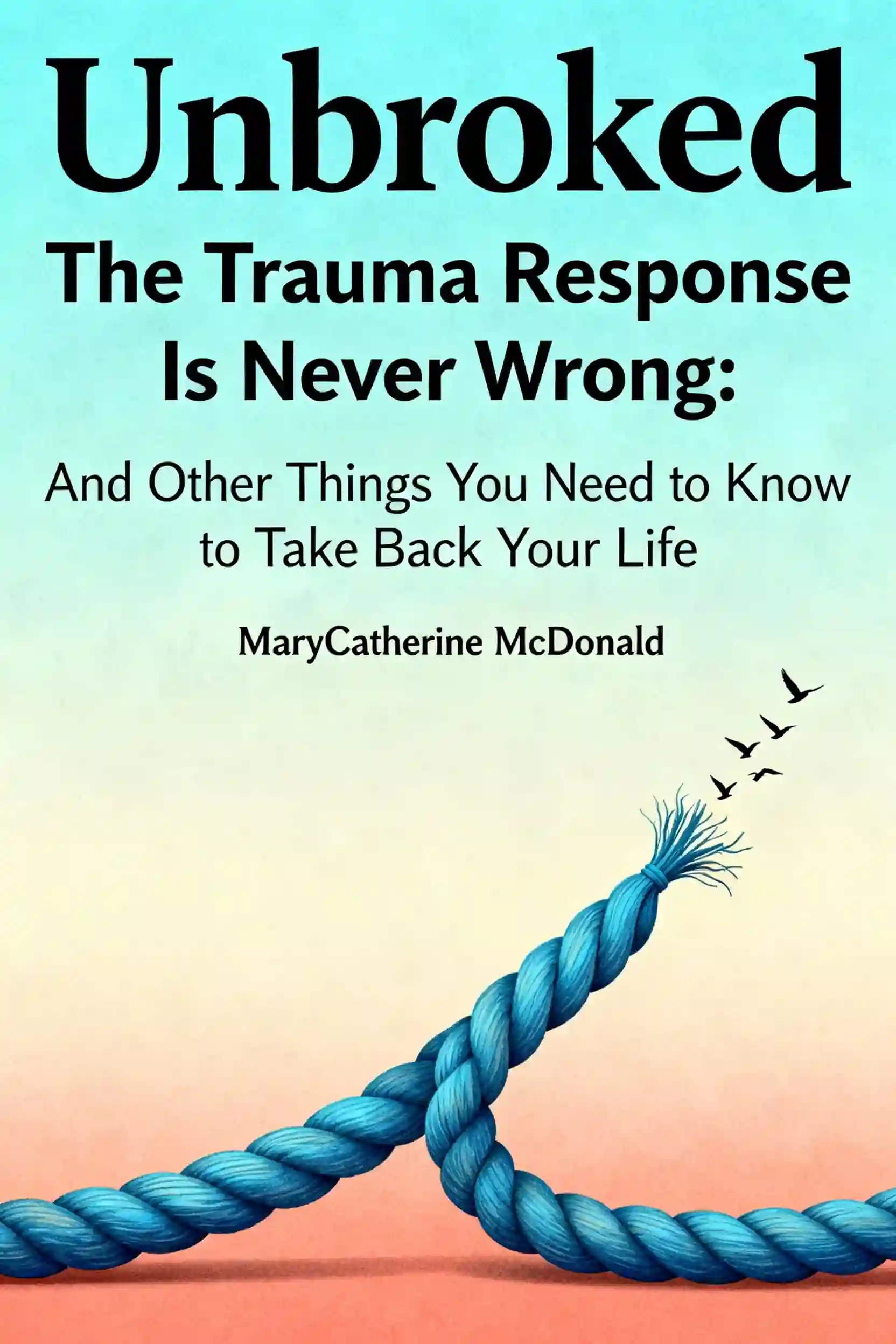

Узнать больше

Combat CPTSD, Complex Trauma
Complex trauma from childhood abuse, neglect, or chronic relational wounds creates pervasive impacts on identity, relationships, and nervous system functioning that differ significantly from single-event PTSD. This learning plan is essential for individuals struggling with emotional dysregulation, relationship difficulties, or chronic feelings of unsafety stemming from developmental trauma who want to move from surviving to thriving. It combines neuroscience-informed approaches with compassionate inner work to address both the body-based and psychological dimensions of healing.

Build self-concept and esteem with CPTSD
This learning plan is designed for individuals navigating the long-term effects of complex trauma on their self-image. It provides a structured path to move from shame-based living to a life rooted in authentic self-worth and emotional regulation.

The Pause: Mastering Real-Time De-escalation
This plan is essential for parents and partners who feel trapped in cycles of reactive conflict. It provides practical, body-based tools to regain control during high-stress moments and rebuild trust after arguments.

Tactical Peace for Volatile Homes
This plan is essential for individuals navigating high-conflict domestic situations or post-separation abuse. It provides a strategic framework for those who need to prioritize safety, legal protection, and child well-being while disengaging from a volatile partner.
Rebuild life after trauma & inspire others
Trauma can fundamentally alter one's sense of self and safety, but healing is possible through deliberate, evidence-based approaches. This learning plan provides a roadmap for those ready to transform their trauma experience into growth, resilience, and ultimately, a platform to inspire others on similar journeys.

Study BPD, DBT, CBT & Attachment Issues
This learning plan is essential for individuals seeking to understand the complex interplay between personality disorders, trauma, and relational patterns. It is designed for mental health advocates, students, or anyone looking to master practical therapeutic tools like DBT and CBT for emotional healing.

Survival Mode to Safety
This plan is designed for individuals navigating high-conflict environments or recovering from chronic stress. It provides a practical framework to move from reactive survival to proactive stability by addressing physical health, communication boundaries, and financial autonomy.
Stop Fighting and Start Connecting
Conflict is inevitable in relationships, but how we handle it determines whether it damages or strengthens our connections. This learning plan provides practical tools for anyone struggling with recurring arguments, communication breakdowns, or the desire to build more authentic and resilient relationships.
Создано выпускниками Колумбийского университета в Сан-Франциско
"Instead of endless scrolling, I just hit play on BeFreed. It saves me so much time."


"I never knew where to start with nonfiction—BeFreed’s book lists turned into podcasts gave me a clear path."


"Perfect balance between learning and entertainment. Finished ‘Thinking, Fast and Slow’ on my commute this week."
"Crazy how much I learned while walking the dog. BeFreed = small habits → big gains."
"Reading used to feel like a chore. Now it’s just part of my lifestyle."

"Feels effortless compared to reading. I’ve finished 6 books this month already."
"BeFreed turned my guilty doomscrolling into something that feels productive and inspiring."

"BeFreed turned my commute into learning time. 20-min podcasts are perfect for finishing books I never had time for."
"BeFreed replaced my podcast queue. Imagine Spotify for books — that’s it. 🙌"

"It is great for me to learn something from the book without reading it."
"The themed book list podcasts help me connect ideas across authors—like a guided audio journey."
"Makes me feel smarter every time before going to work"
Создано выпускниками Колумбийского университета в Сан-Франциско
"Instead of endless scrolling, I just hit play on BeFreed. It saves me so much time."
"I never knew where to start with nonfiction—BeFreed’s book lists turned into podcasts gave me a clear path."
"Perfect balance between learning and entertainment. Finished ‘Thinking, Fast and Slow’ on my commute this week."
"Crazy how much I learned while walking the dog. BeFreed = small habits → big gains."
"Reading used to feel like a chore. Now it’s just part of my lifestyle."
"Feels effortless compared to reading. I’ve finished 6 books this month already."
"BeFreed turned my guilty doomscrolling into something that feels productive and inspiring."
"BeFreed turned my commute into learning time. 20-min podcasts are perfect for finishing books I never had time for."
"BeFreed replaced my podcast queue. Imagine Spotify for books — that’s it. 🙌"
"It is great for me to learn something from the book without reading it."
"The themed book list podcasts help me connect ideas across authors—like a guided audio journey."
"Makes me feel smarter every time before going to work"
"Instead of endless scrolling, I just hit play on BeFreed. It saves me so much time."
"I never knew where to start with nonfiction—BeFreed’s book lists turned into podcasts gave me a clear path."
"Perfect balance between learning and entertainment. Finished ‘Thinking, Fast and Slow’ on my commute this week."
"Crazy how much I learned while walking the dog. BeFreed = small habits → big gains."
"Reading used to feel like a chore. Now it’s just part of my lifestyle."
"Feels effortless compared to reading. I’ve finished 6 books this month already."
"BeFreed turned my guilty doomscrolling into something that feels productive and inspiring."
"BeFreed turned my commute into learning time. 20-min podcasts are perfect for finishing books I never had time for."
"BeFreed replaced my podcast queue. Imagine Spotify for books — that’s it. 🙌"
"It is great for me to learn something from the book without reading it."
"The themed book list podcasts help me connect ideas across authors—like a guided audio journey."
"Makes me feel smarter every time before going to work"
"Instead of endless scrolling, I just hit play on BeFreed. It saves me so much time."
"I never knew where to start with nonfiction—BeFreed’s book lists turned into podcasts gave me a clear path."
"Perfect balance between learning and entertainment. Finished ‘Thinking, Fast and Slow’ on my commute this week."
"Crazy how much I learned while walking the dog. BeFreed = small habits → big gains."
"Reading used to feel like a chore. Now it’s just part of my lifestyle."
"Feels effortless compared to reading. I’ve finished 6 books this month already."
"BeFreed turned my guilty doomscrolling into something that feels productive and inspiring."
"BeFreed turned my commute into learning time. 20-min podcasts are perfect for finishing books I never had time for."
"BeFreed replaced my podcast queue. Imagine Spotify for books — that’s it. 🙌"
"It is great for me to learn something from the book without reading it."
"The themed book list podcasts help me connect ideas across authors—like a guided audio journey."
"Makes me feel smarter every time before going to work"