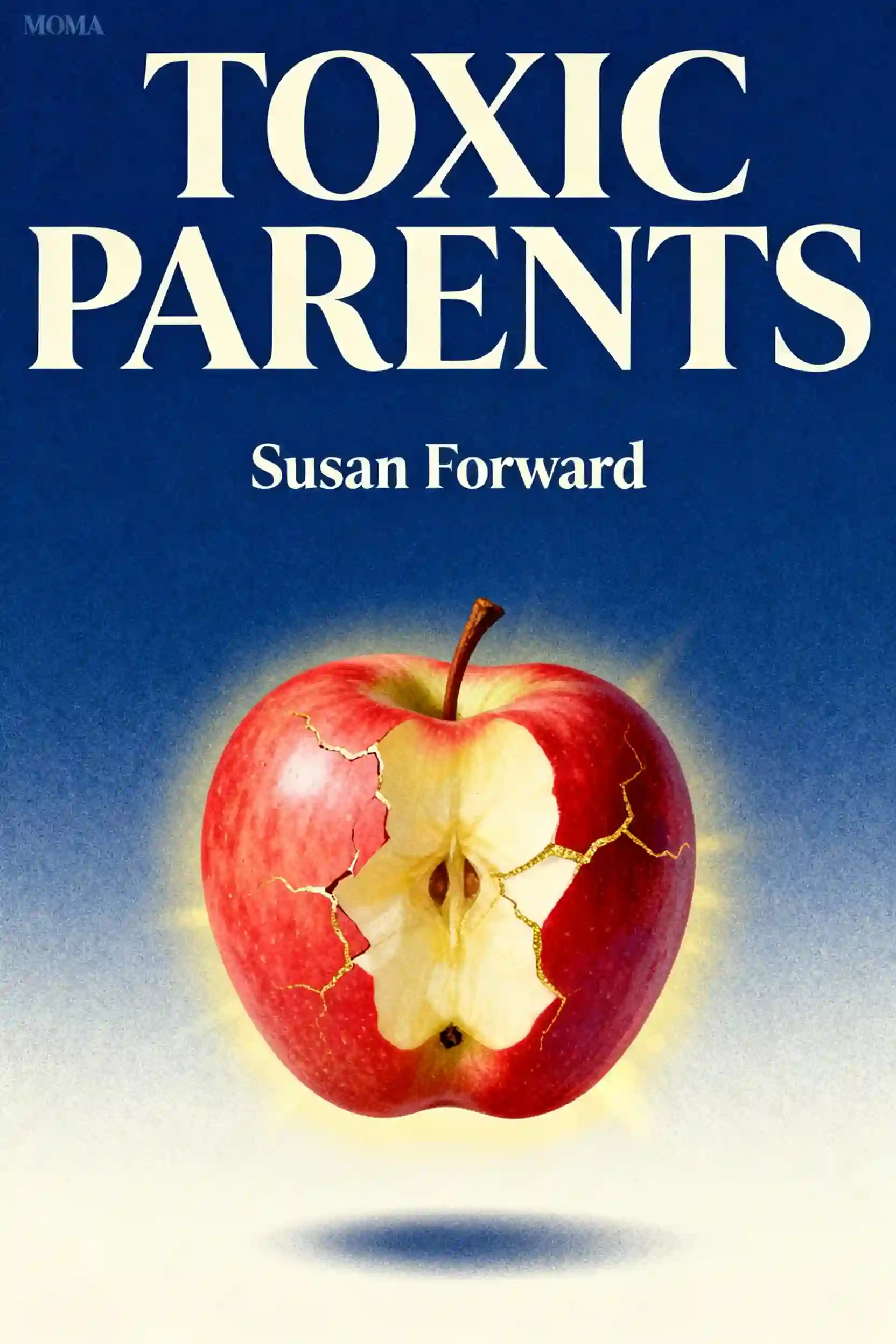
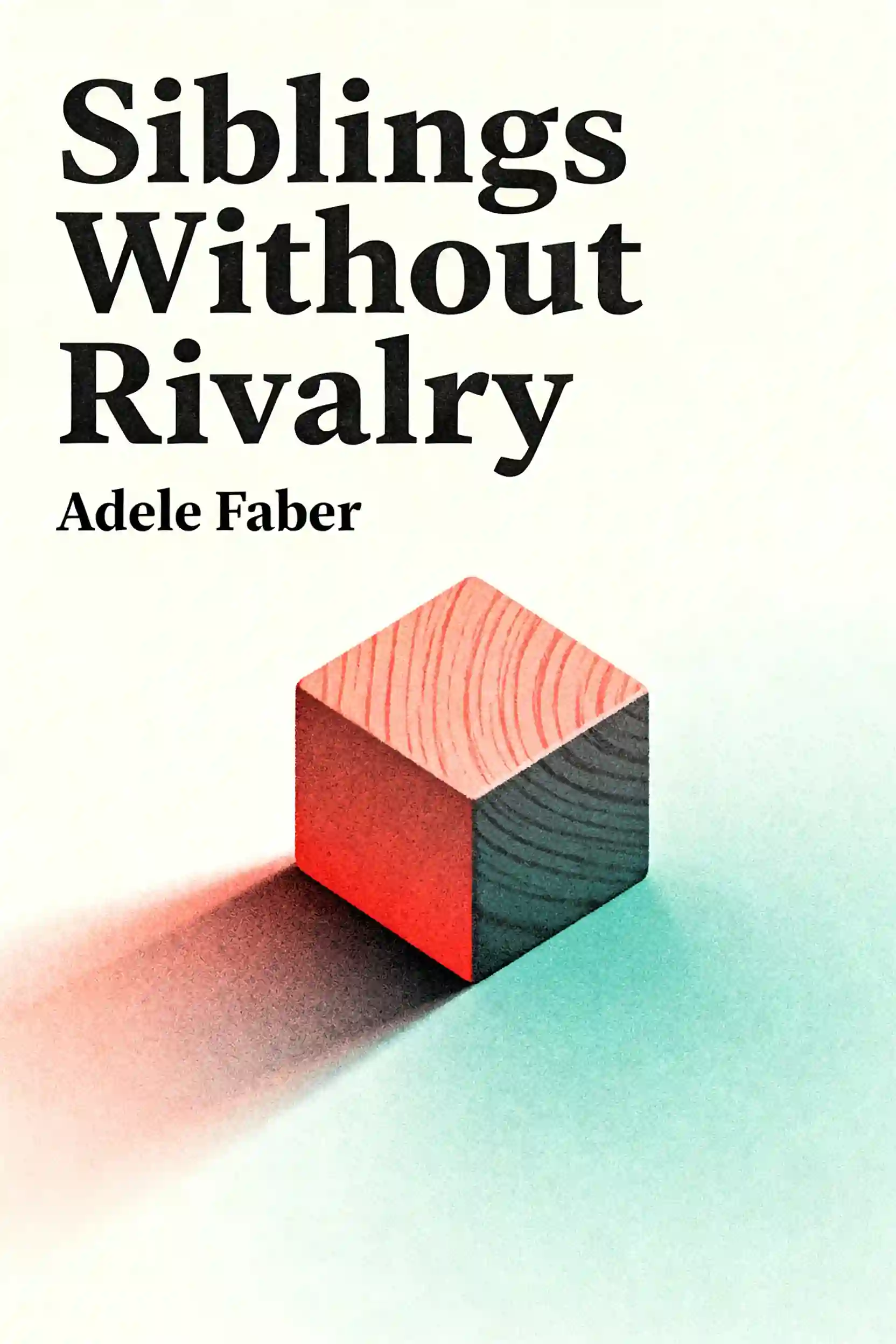
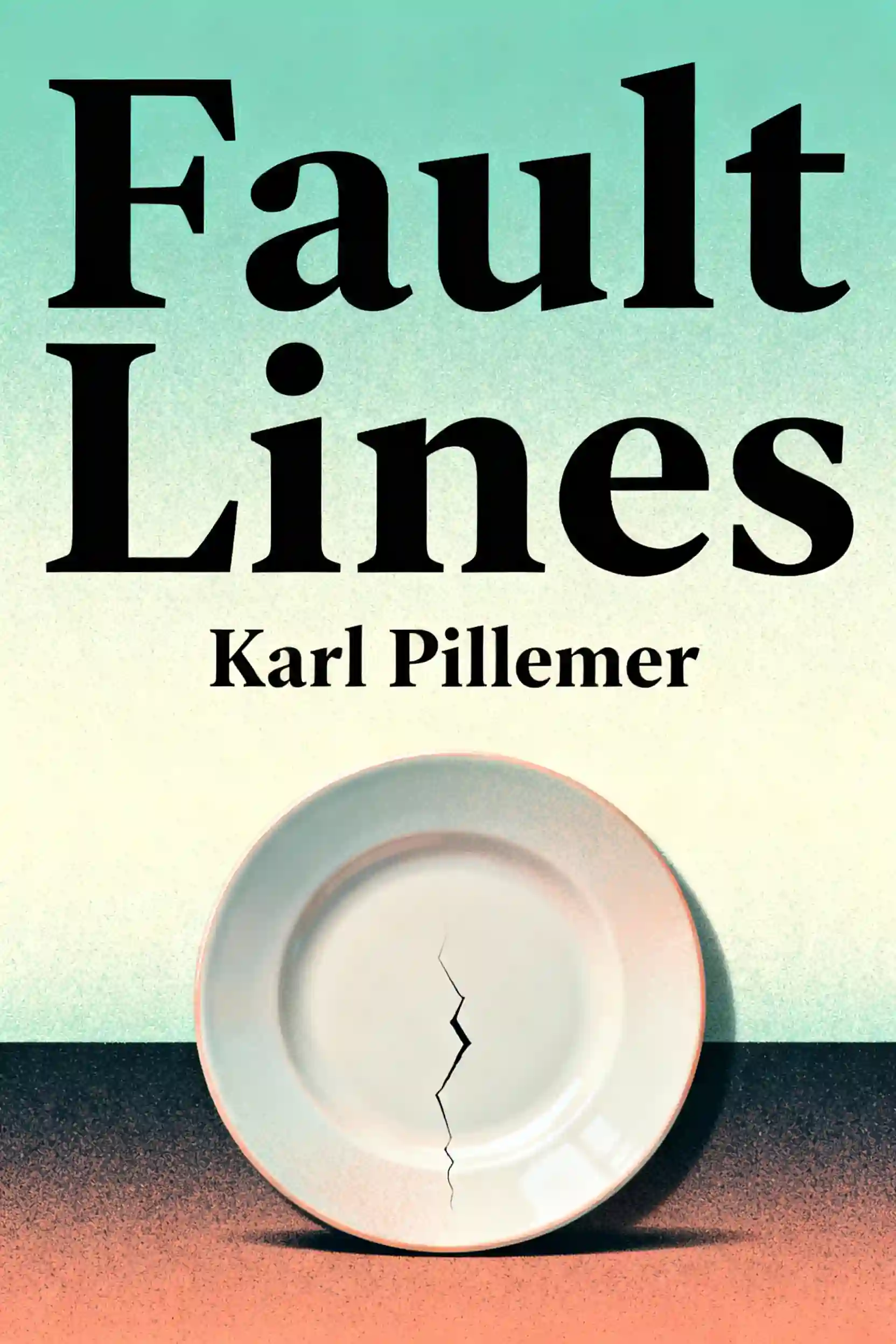
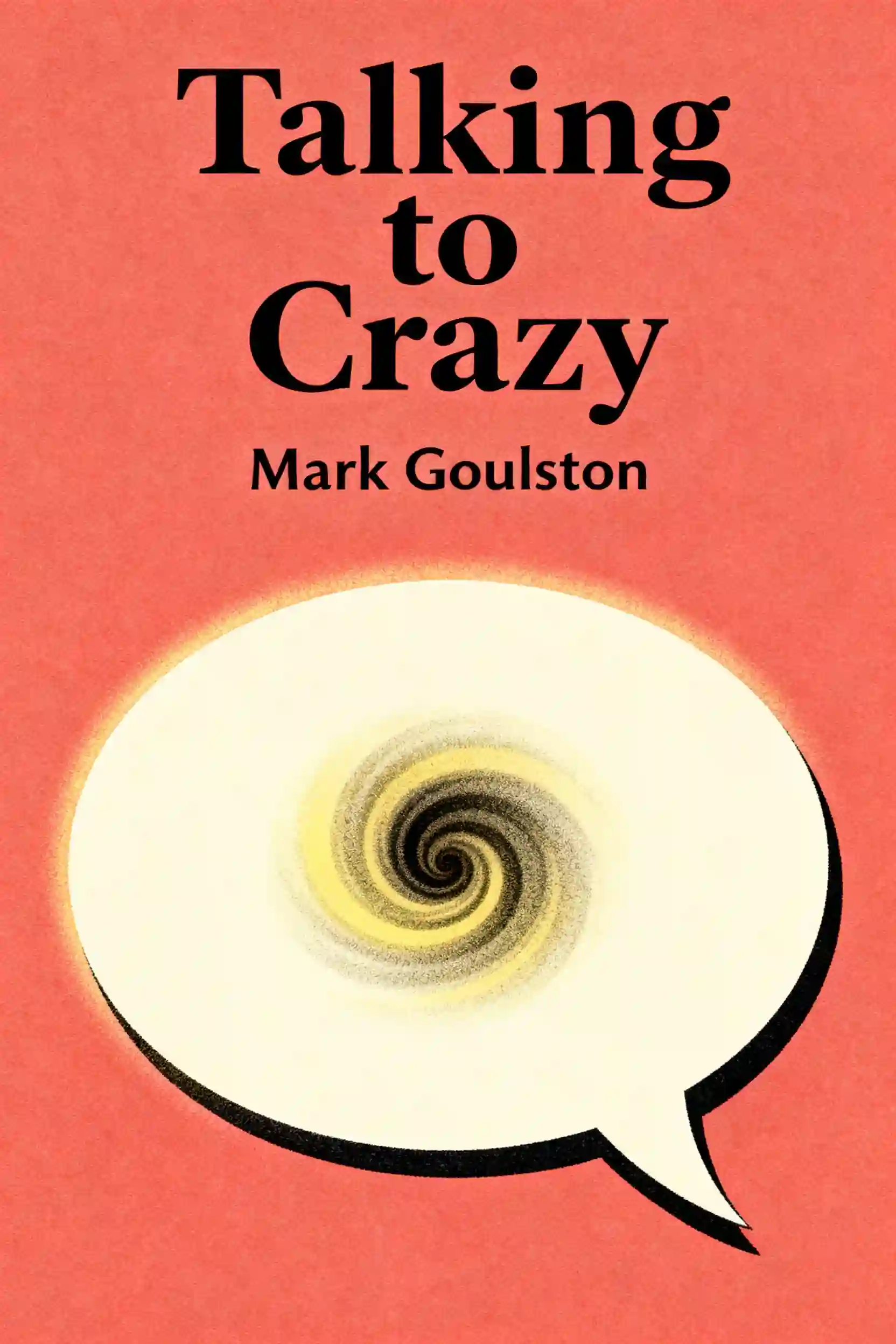
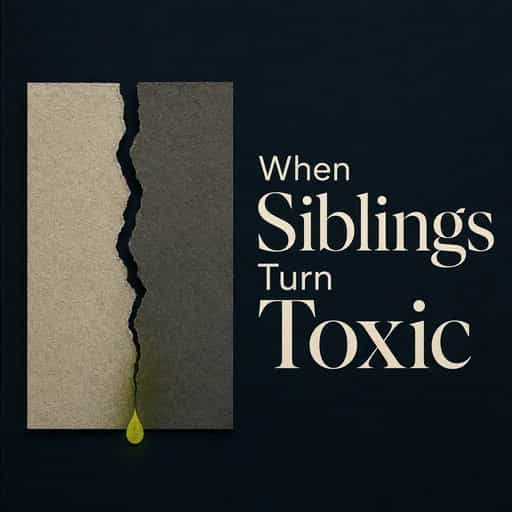
When sibling calls trigger anxiety, old family roles may be to blame. Learn how to set boundaries and find freedom without needing an apology.
Лучшая цитата из Coping with a toxic sister and reclaiming your peace
“
A boundary isn't a punishment; it's a protective structure where you say, 'I love myself enough to not participate in this specific interaction.' You don't need her to understand or agree with the boundary for it to be valid.
”
M
Generated by Mike
Вопрос для ввода
How to cope with a negative sister
Голоса ведущих
Nia
Lena
Источники знаний
Часто задаваемые вопросы
This guilt often stems from being raised in an "undifferentiated family ego mass," where family members are expected to act as a single emotional unit rather than individuals. When you step out of a long-standing role—such as the "peacekeeper" or "emotional caretaker"—the entire family system may react to pull you back into your old position. In these dynamics, guilt is not a sign that you are doing something wrong; rather, it is a natural reaction to breaking an unhealthy pattern and prioritizing your own well-being over the family's established "equilibrium."
No, a dramatic "talk" or detailed explanation is not required and can often be counterproductive. If a sibling is prone to gaslighting or competition, over-explaining provides them with "ammunition" to argue, negotiate, or defend their behavior. Instead of seeking their understanding or permission, you can use clear and contained communication, such as stating that you are not willing to discuss a certain topic. The validity of a boundary does not depend on the other person's agreement, but on your own consistency in following through with actions, like hanging up the phone or leaving the room.
Family members who intervene on behalf of a toxic sibling are often referred to as "flying monkeys" or enablers who want to maintain the family's outward image. They may use phrases like "be the bigger person" to encourage you to continue absorbing toxicity for the sake of group peace. To handle this, you can implement "low contact" or "context-specific" boundaries, such as refusing to discuss your relationship with your sister with other relatives. It is important to recognize that you are allowed to protect your stability even if it disappoints the rest of the family.
Reparenting involves consciously becoming the supportive, empathetic adult for yourself that you needed during childhood. This means replacing the internal critic—which often echoes the shaming voices of a sibling or parent—with self-compassion. It involves learning to trust your own instincts again, honoring the "no" in your body, and choosing rest over self-sacrifice. Part of this process also includes seeking out a "chosen family" of friends and mentors who provide the emotional safety and respect that may be missing from your biological family.
Создано выпускниками Колумбийского университета | в Сан-Франциско
BeFreed объединяет глобальное сообщество любознательных людей
4.7
средняя оценка
Более 7,84 тыс. оценок приложения
Сообщество BeFreed
Честно говоря, я ещё даже не изучила приложение полностью, но за последние несколько дней оно меня по-настоящему впечатлило… BeFreed — совсем другой уровень по сравнению с любыми учебными приложениями, которыми я пользовалась. Оно невероятно увлекает и действительно улучшает концентрацию — то, что нужно всем, кто бесконечно листает ленту!
@ladyInfinity
Я купил BeFreed ровно 23 дня назад и с тех пор пользуюсь им каждый день. Оно полностью встроилось в мой рабочий процесс и привычку учиться.
@jayallen
Честно говоря, приложение превзошло все мои ожидания. Я могу попросить его сгенерировать аудио на любую тему, какой бы она ни была, и результат впечатляет. Моя профессиональная область — специализация в психотерапии, она мультидисциплинарная, но ответы очень точные.
@Raguipa
Больше всего я ценю то, насколько меньше я стал листать ленту: меньше времени уходит на поиск и больше — на усвоение информации. Сочетание полных аудиокниг, подкастов и планов обучения — блестящее.
@colonyofcreatorsNGO
Я уже 24 года работаю инструктором ускоренного обучения PhotoReading… книги, чтение и обучение — моя стихия, и BeFreed отлично справился, предложив инновационный подход к подаче информации в лёгкой для восприятия форме.
@BeFreed user
Это не просто приложение с кратким содержанием книг: я попробовал режим «весёлого чтения», и это гораздо лучший пересказ и способ схватывать идеи, чем традиционный. Уже ради одного этого оно того стоит.
@austinakon
Обожаю это приложение. Пользуюсь несколько дней и не могу перестать слушать. Отличный способ начать.
@jcrules328
Мне очень нравится это приложение; я тестирую его уже около месяца и считаю настоящей находкой. Оно отлично работает, потому что в BeFreed можно создавать собственные темы, а голос замечательный — с безграничным выбором озвучек.
@DanielCZ
Честно говоря, я ещё даже не изучила приложение полностью, но за последние несколько дней оно меня по-настоящему впечатлило… BeFreed — совсем другой уровень по сравнению с любыми учебными приложениями, которыми я пользовалась. Оно невероятно увлекает и действительно улучшает концентрацию — то, что нужно всем, кто бесконечно листает ленту!
@ladyInfinity
Я купил BeFreed ровно 23 дня назад и с тех пор пользуюсь им каждый день. Оно полностью встроилось в мой рабочий процесс и привычку учиться.
@jayallen
Честно говоря, приложение превзошло все мои ожидания. Я могу попросить его сгенерировать аудио на любую тему, какой бы она ни была, и результат впечатляет. Моя профессиональная область — специализация в психотерапии, она мультидисциплинарная, но ответы очень точные.
@Raguipa
Больше всего я ценю то, насколько меньше я стал листать ленту: меньше времени уходит на поиск и больше — на усвоение информации. Сочетание полных аудиокниг, подкастов и планов обучения — блестящее.
@colonyofcreatorsNGO
Я уже 24 года работаю инструктором ускоренного обучения PhotoReading… книги, чтение и обучение — моя стихия, и BeFreed отлично справился, предложив инновационный подход к подаче информации в лёгкой для восприятия форме.
@BeFreed user
Это не просто приложение с кратким содержанием книг: я попробовал режим «весёлого чтения», и это гораздо лучший пересказ и способ схватывать идеи, чем традиционный. Уже ради одного этого оно того стоит.
@austinakon
Обожаю это приложение. Пользуюсь несколько дней и не могу перестать слушать. Отличный способ начать.
@jcrules328
Мне очень нравится это приложение; я тестирую его уже около месяца и считаю настоящей находкой. Оно отлично работает, потому что в BeFreed можно создавать собственные темы, а голос замечательный — с безграничным выбором озвучек.
@DanielCZ
Мне очень нравится, что полезную, сжатую информацию и идеи можно получить в виде аудио в стиле подкаста на 8–15 минут. Я не большой фанат подкастов из-за «воды», но здесь её нет совсем.
@BeFreed user
Я заканчиваю докторскую и вынужден читать много незнакомого материала… В BeFreed достаточно ввести запрос — приложение само находит источники и создаёт аудиоподкаст. Мне процесс в BeFreed кажется удобнее, чем в NotebookLM.
@Brad
Я часто ищу на YouTube, что послушать за завтраком, на прогулке или по дороге на работу, и BeFreed предлагает ещё более точный подход — без рекламы и без «воды»!
@BeFreed user
Самое лучшее в этой платформе — её универсальность. Нет буквально ни одной темы, которая была бы ей не по зубам. Она справляется со всем, что ей даёшь… Редко встретишь учебный инструмент без ограничений, который действительно выполняет обещания.
@jayallen
BeFreed — потрясающее приложение. Благодаря удобному дизайну я трачу меньше времени на навигацию и больше — на учёбу. Сочетание аудиокниг, подкастов и планов обучения — гениальная комбинация, которая полностью изменила мой распорядок дня.
@BeFreed user
Сначала мне понадобилось время, чтобы разобраться, как создавать подкасты на итальянском, а потом — бум! Это же великолепно! Можно попросить объяснить любую тему, и он делает это отлично и очень умно!
@matteo77
BeFreed стал моим ежедневным приложением для аудиокниг… Больше всего мне нравится, что ты вставляешь свой текст — и получаешь аудио, которое можно слушать на ходу.
@kotanzu1
Мне очень нравится, что полезную, сжатую информацию и идеи можно получить в виде аудио в стиле подкаста на 8–15 минут. Я не большой фанат подкастов из-за «воды», но здесь её нет совсем.
@BeFreed user
Я заканчиваю докторскую и вынужден читать много незнакомого материала… В BeFreed достаточно ввести запрос — приложение само находит источники и создаёт аудиоподкаст. Мне процесс в BeFreed кажется удобнее, чем в NotebookLM.
@Brad
Я часто ищу на YouTube, что послушать за завтраком, на прогулке или по дороге на работу, и BeFreed предлагает ещё более точный подход — без рекламы и без «воды»!
@BeFreed user
Самое лучшее в этой платформе — её универсальность. Нет буквально ни одной темы, которая была бы ей не по зубам. Она справляется со всем, что ей даёшь… Редко встретишь учебный инструмент без ограничений, который действительно выполняет обещания.
@jayallen
BeFreed — потрясающее приложение. Благодаря удобному дизайну я трачу меньше времени на навигацию и больше — на учёбу. Сочетание аудиокниг, подкастов и планов обучения — гениальная комбинация, которая полностью изменила мой распорядок дня.
@BeFreed user
Сначала мне понадобилось время, чтобы разобраться, как создавать подкасты на итальянском, а потом — бум! Это же великолепно! Можно попросить объяснить любую тему, и он делает это отлично и очень умно!
@matteo77
BeFreed стал моим ежедневным приложением для аудиокниг… Больше всего мне нравится, что ты вставляешь свой текст — и получаешь аудио, которое можно слушать на ходу.
Explore the painful reality of sibling rivalry fueled by envy and false status. Learn how to protect your peace and celebrate your independence when an older sister uses financial one-upmanship to mask her own toxic domestic struggles.
Explore how childhood rivalry patterns poison adult sibling relationships and discover practical steps to heal from competitive family dynamics. Learn when stepping away becomes an act of self-love.