Chronesthesia: The Science of Mental Time Travel
Explore the fascinating 'internal time sense' that allows the human brain to revisit the past and simulate the future through the theater of the mind.

Лучшая цитата из Chronesthesia: The Science of Mental Time Travel
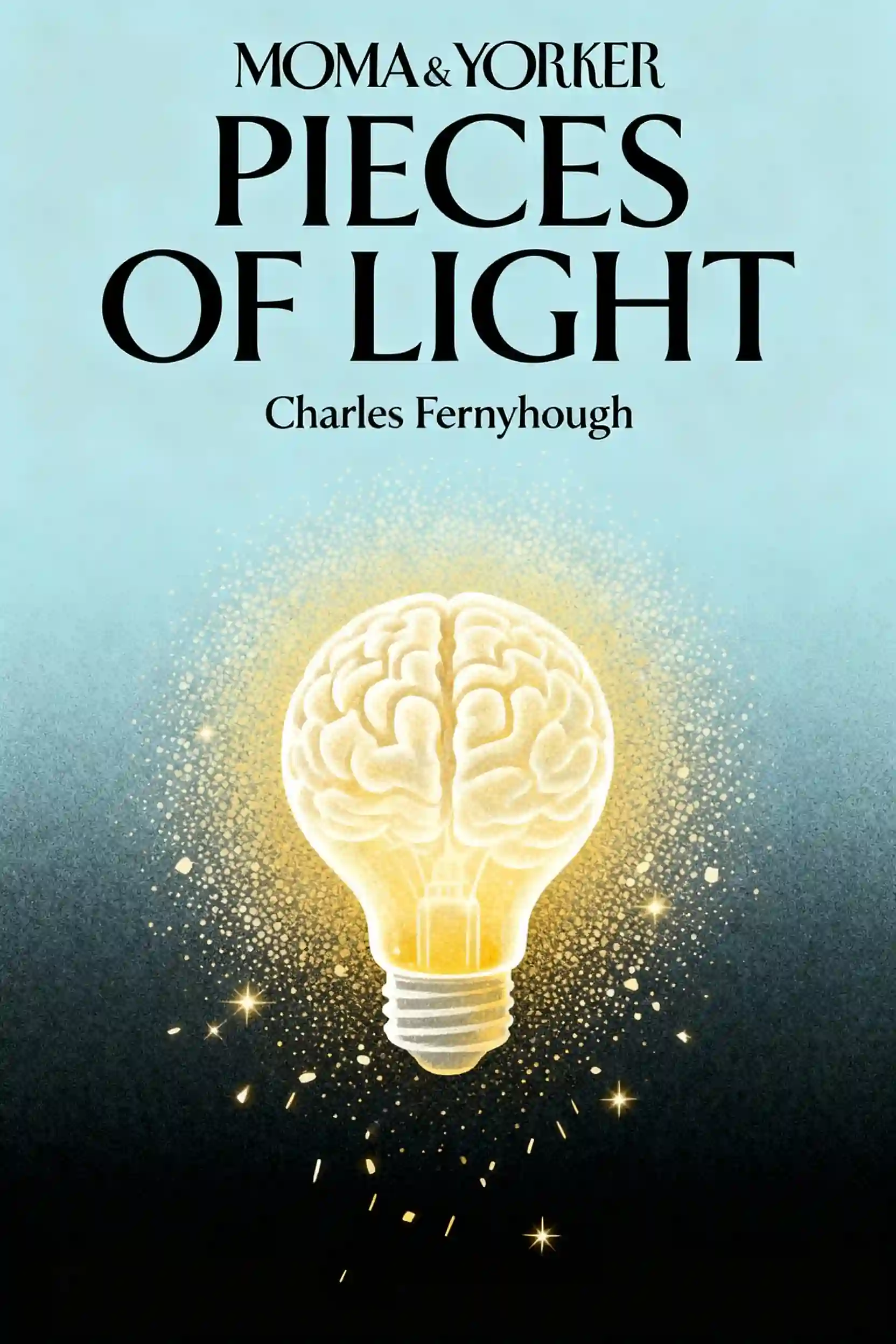
Your memory system isn’t designed to be a perfect archive; it’s actually a construction kit optimized for the future. We reach into the past to grab bits and pieces of different experiences and recombine them to simulate a brand-new scenario.
Generated by oseizn
chronesthesia


Часто задаваемые вопросы
Chronostasis, often called the "stopped-clock illusion," is a temporal illusion where the first movement of a clock's second hand appears to freeze or take longer than subsequent ticks. This occurs because the brain "backdates" your perception to fill in the sensory gap created while your eyes were moving. It is a prime example of how the brain acts as a master editor of our immediate reality.
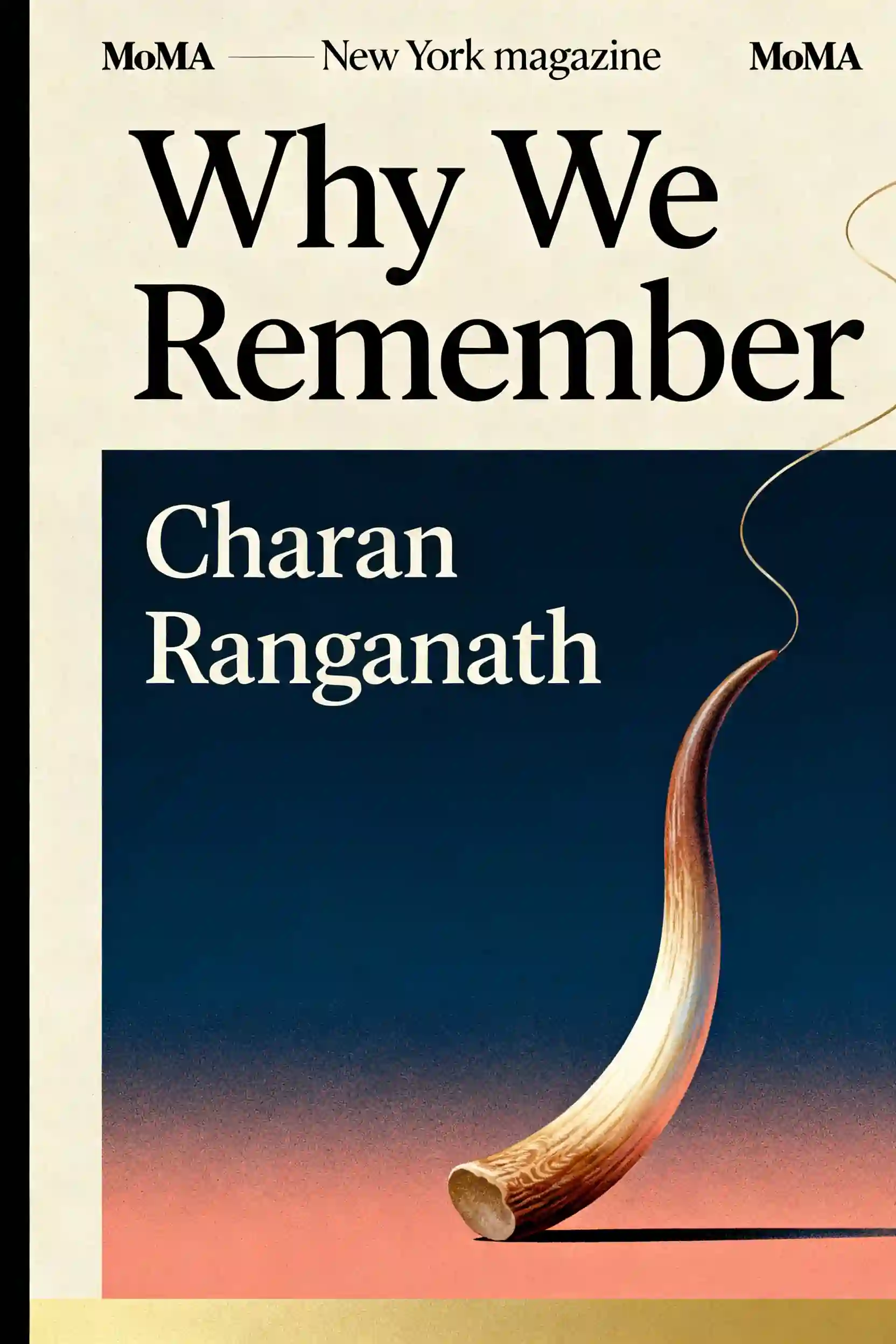
This hypothesis suggests that memory is not a literal high-definition recording of the past, but rather a "construction kit." Instead of pulling a static file from a cabinet, the brain reaches into the past to grab bits and pieces of various experiences and recombines them to simulate future scenarios. While this flexibility makes us prone to "sins of memory" like distortions or false details, it is an evolutionary trade-off that allows us to plan for events we have never actually experienced.
According to the Linguistic Relativity Hypothesis, the "cognitive tools" of our language create habitual patterns of attention. For example, English speakers often view the future as being "in front" of them, while the Aymara people of the Andes view the future as "behind" them because it is unknown and unseen. Additionally, "weak-FTR" languages like German or Mandarin, which don't grammatically distance the future from the present (e.g., saying "tomorrow I save" instead of "I will save"), are linked to higher savings rates because the future feels more immediate.
Research into "episodic-like memory" suggests that humans are not the only species with a sense of time. California scrub-jays have passed the "Spoon Test" by caching food specifically for a future "hungry self" in locations where they previously lacked breakfast. Similarly, cuttlefish demonstrate the ability to remember the "What, Where, and When" of events and can even pass delay-of-gratification tests, proving that complex mental time travel can exist even in brains without a hippocampus.
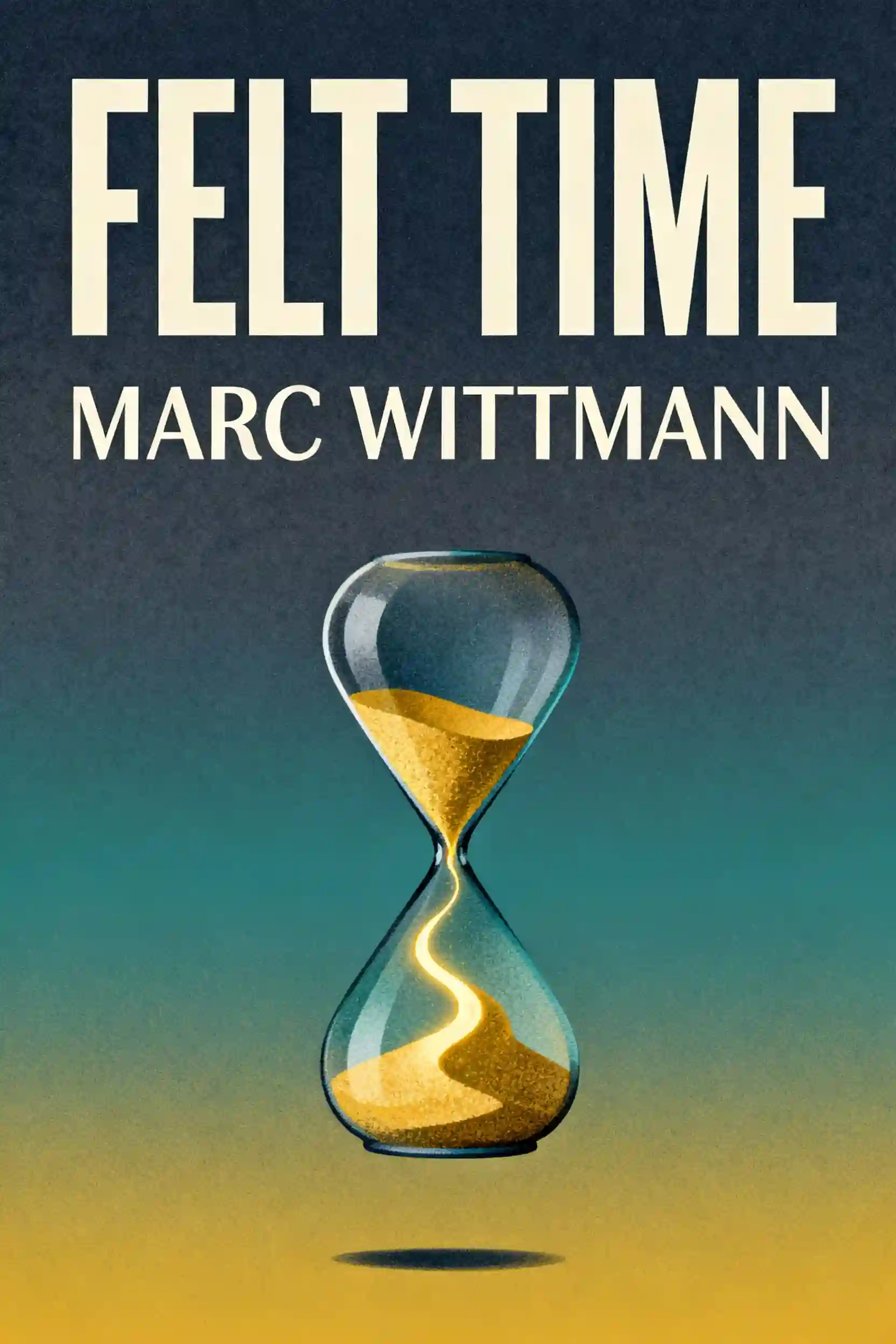
"Mind Time" is fluid, subjective, and event-based, where the duration of a task is defined by the experience itself. "Clock Time" is an abstract, standardized commodity developed during the industrial age to coordinate global civilization. We often experience friction between the two, such as when we are "in the zone" and lose track of the clock, or when artificial shifts like Daylight Saving Time cause a misalignment with our internal biological rhythms.
Создано выпускниками Колумбийского университета в Сан-Франциско
"Instead of endless scrolling, I just hit play on BeFreed. It saves me so much time."


"I never knew where to start with nonfiction—BeFreed’s book lists turned into podcasts gave me a clear path."


"Perfect balance between learning and entertainment. Finished ‘Thinking, Fast and Slow’ on my commute this week."
"Crazy how much I learned while walking the dog. BeFreed = small habits → big gains."
"Reading used to feel like a chore. Now it’s just part of my lifestyle."

"Feels effortless compared to reading. I’ve finished 6 books this month already."
"BeFreed turned my guilty doomscrolling into something that feels productive and inspiring."

"BeFreed turned my commute into learning time. 20-min podcasts are perfect for finishing books I never had time for."
"BeFreed replaced my podcast queue. Imagine Spotify for books — that’s it. 🙌"

"It is great for me to learn something from the book without reading it."
"The themed book list podcasts help me connect ideas across authors—like a guided audio journey."
"Makes me feel smarter every time before going to work"
Создано выпускниками Колумбийского университета в Сан-Франциско
"Instead of endless scrolling, I just hit play on BeFreed. It saves me so much time."
"I never knew where to start with nonfiction—BeFreed’s book lists turned into podcasts gave me a clear path."
"Perfect balance between learning and entertainment. Finished ‘Thinking, Fast and Slow’ on my commute this week."
"Crazy how much I learned while walking the dog. BeFreed = small habits → big gains."
"Reading used to feel like a chore. Now it’s just part of my lifestyle."
"Feels effortless compared to reading. I’ve finished 6 books this month already."
"BeFreed turned my guilty doomscrolling into something that feels productive and inspiring."
"BeFreed turned my commute into learning time. 20-min podcasts are perfect for finishing books I never had time for."
"BeFreed replaced my podcast queue. Imagine Spotify for books — that’s it. 🙌"
"It is great for me to learn something from the book without reading it."
"The themed book list podcasts help me connect ideas across authors—like a guided audio journey."
"Makes me feel smarter every time before going to work"
"Instead of endless scrolling, I just hit play on BeFreed. It saves me so much time."
"I never knew where to start with nonfiction—BeFreed’s book lists turned into podcasts gave me a clear path."
"Perfect balance between learning and entertainment. Finished ‘Thinking, Fast and Slow’ on my commute this week."
"Crazy how much I learned while walking the dog. BeFreed = small habits → big gains."
"Reading used to feel like a chore. Now it’s just part of my lifestyle."
"Feels effortless compared to reading. I’ve finished 6 books this month already."
"BeFreed turned my guilty doomscrolling into something that feels productive and inspiring."
"BeFreed turned my commute into learning time. 20-min podcasts are perfect for finishing books I never had time for."
"BeFreed replaced my podcast queue. Imagine Spotify for books — that’s it. 🙌"
"It is great for me to learn something from the book without reading it."
"The themed book list podcasts help me connect ideas across authors—like a guided audio journey."
"Makes me feel smarter every time before going to work"
"Instead of endless scrolling, I just hit play on BeFreed. It saves me so much time."
"I never knew where to start with nonfiction—BeFreed’s book lists turned into podcasts gave me a clear path."
"Perfect balance between learning and entertainment. Finished ‘Thinking, Fast and Slow’ on my commute this week."
"Crazy how much I learned while walking the dog. BeFreed = small habits → big gains."
"Reading used to feel like a chore. Now it’s just part of my lifestyle."
"Feels effortless compared to reading. I’ve finished 6 books this month already."
"BeFreed turned my guilty doomscrolling into something that feels productive and inspiring."
"BeFreed turned my commute into learning time. 20-min podcasts are perfect for finishing books I never had time for."
"BeFreed replaced my podcast queue. Imagine Spotify for books — that’s it. 🙌"
"It is great for me to learn something from the book without reading it."
"The themed book list podcasts help me connect ideas across authors—like a guided audio journey."
"Makes me feel smarter every time before going to work"