Carl Jung on Christianity and the Bible as a Soul Map
Traditional religion can feel hollow, but Jung offers a different path. Learn why he saw the Bible as a map of the soul to find your own inner truth.

Лучшая цитата из Carl Jung on Christianity and the Bible as a Soul Map
Until you make the unconscious conscious, it will direct your life and you will call it fate. The individual who is not anchored in God can offer no resistance to the psychic epidemics of our time.
Generated by Ezra
Carl Jung on Christianity , a deep dive. What did he think the Bible was, and how do we relate to such ancient texts. What is truth and how do you know it in a Christian or religious sense. His thoughts on institutional religion and what someone should do that doubts it. His insights on Paul and Christ and all the many controversies within Christianity. How did he so embrace certain parts and not others.

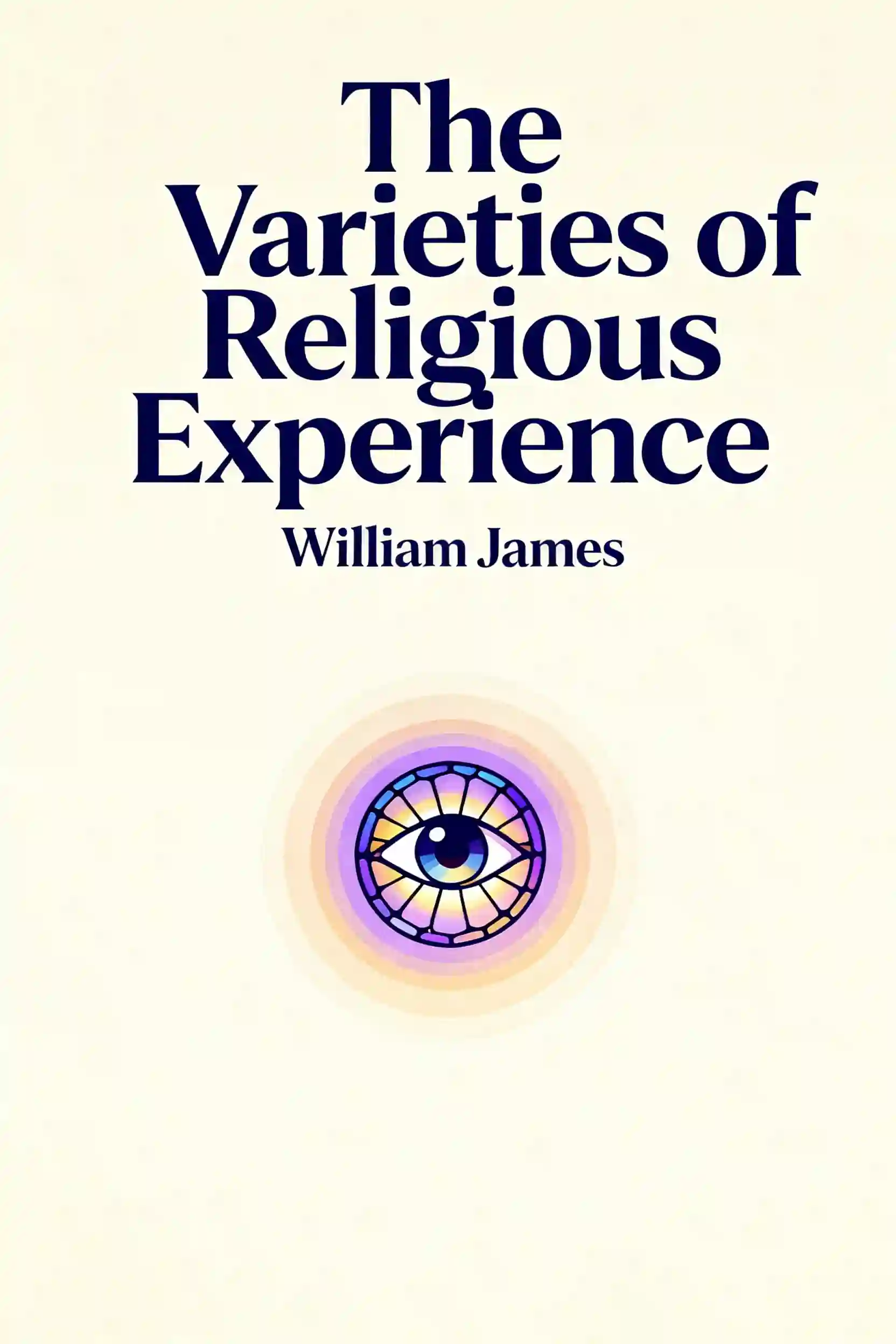
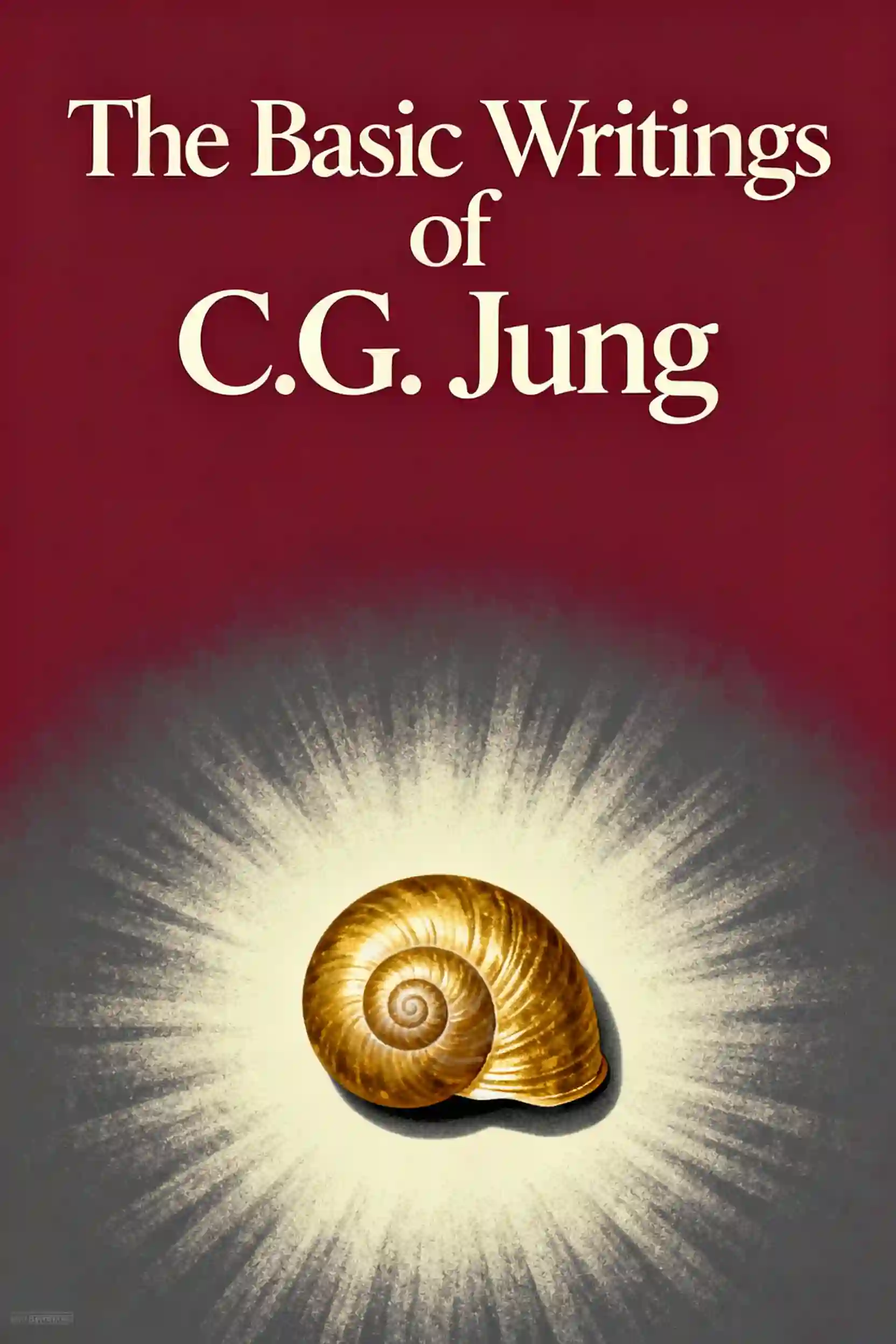
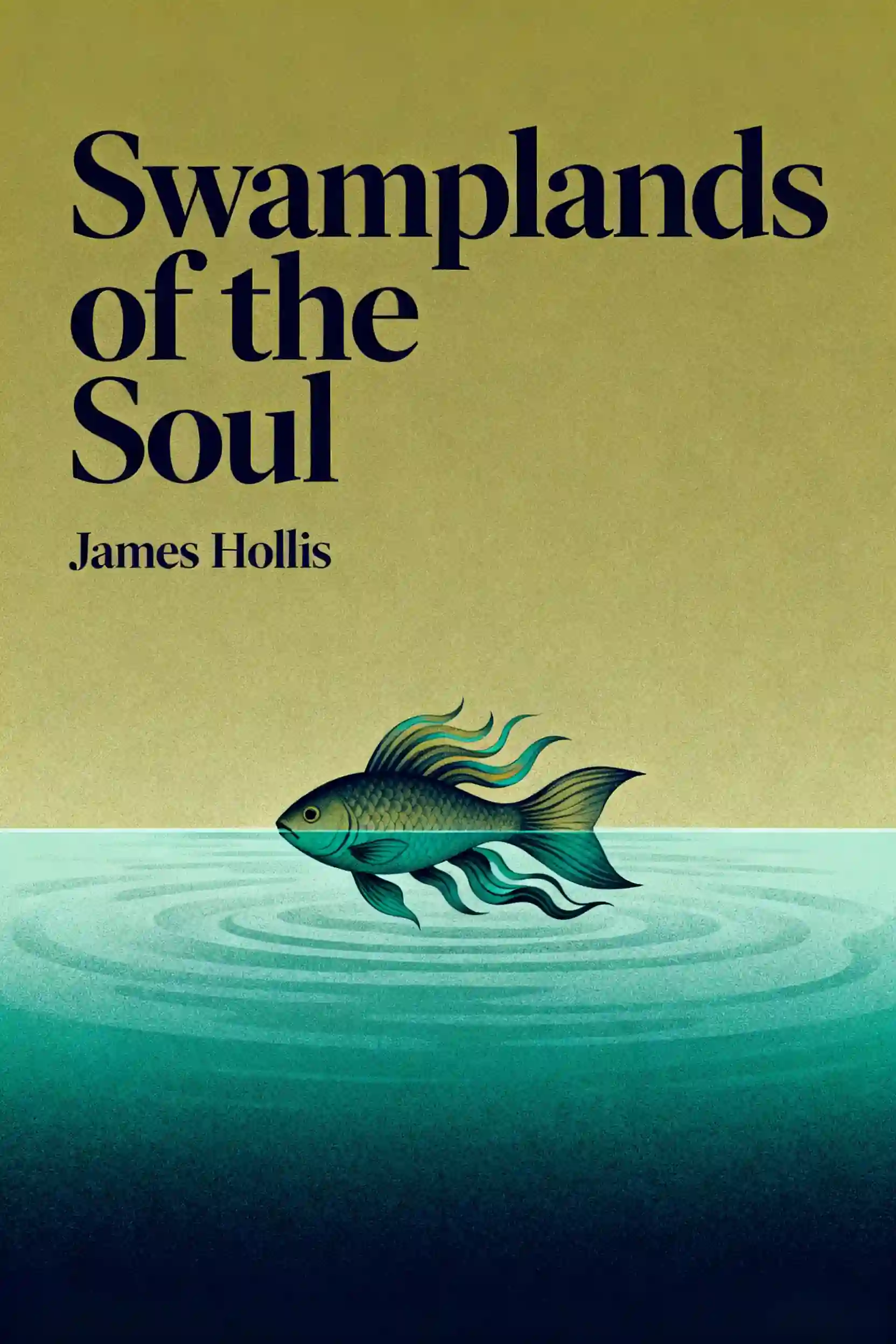

Часто задаваемые вопросы
Jung was distinguishing between institutional belief and direct personal experience. For Jung, "knowing" was not about adhering to historical facts or church dogmas, which he often viewed as a "protective layer" or defense against the raw experience of the divine. Instead, he saw God as a psychological fact—a verifiable and undeniable reality encountered through the unconscious and the evolution of the "God-image" within the human psyche.
Rather than reading the Bible as a literal historical record, Jung viewed it as a "map of the soul" or a "cartography of the unconscious." He saw the scriptures as a record of the evolution of human consciousness and our maturing perception of the divine. To Jung, Biblical stories are "psychologically true" because they represent archetypal motifs and psychic tensions—such as the hero, the shadow, and the quest for wholeness—that are continually repeated in the human heart.
Jung argued that if God is a "totality," He must contain all opposites, including both light and dark. He used the Book of Job to illustrate this, portraying Yahweh as a being containing inner contradictions who was "unconscious" of his own darkness until challenged by Job’s moral persistence. Jung warned that when religions insist on a one-sidedly "good" God, the repressed darkness doesn't disappear; instead, it accumulates in the collective unconscious and can erupt as "psychic epidemics" or mass violence.
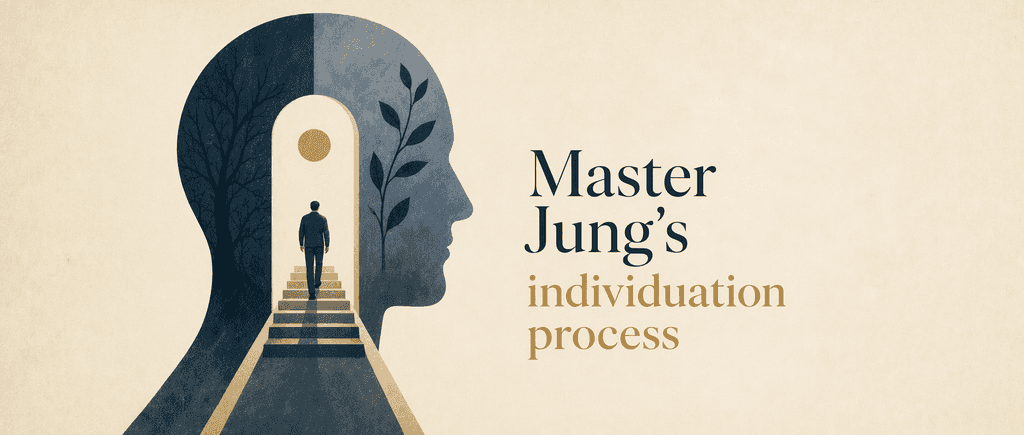
Individuation is the central process of human development in which an individual integrates the unconscious with the conscious self to achieve personal wholeness. In a religious context, Jung saw this as the "Christification" of the individual. Rather than simply watching a symbolic drama performed by a priest, Jung believed each person must undergo their own "descent into hell" and "resurrection" by accepting the burden of who they truly are, thereby becoming an active participant in the transformation of the divine.
Jung suggested several tools for engaging with the inner life, most notably "Active Imagination," which involves having a conscious dialogue with images or figures from dreams as if they were living people. Practically, this begins with taking dreams seriously by recording them without judgment and practicing "shadow awareness"—the act of looking inward to see what personal traits we are projecting onto others when we feel outrage or irritation. These practices aim to move the seeker from external dependency on institutions toward internal sovereignty and "gnosis."
Создано выпускниками Колумбийского университета в Сан-Франциско
"Instead of endless scrolling, I just hit play on BeFreed. It saves me so much time."


"I never knew where to start with nonfiction—BeFreed’s book lists turned into podcasts gave me a clear path."


"Perfect balance between learning and entertainment. Finished ‘Thinking, Fast and Slow’ on my commute this week."
"Crazy how much I learned while walking the dog. BeFreed = small habits → big gains."
"Reading used to feel like a chore. Now it’s just part of my lifestyle."

"Feels effortless compared to reading. I’ve finished 6 books this month already."
"BeFreed turned my guilty doomscrolling into something that feels productive and inspiring."

"BeFreed turned my commute into learning time. 20-min podcasts are perfect for finishing books I never had time for."
"BeFreed replaced my podcast queue. Imagine Spotify for books — that’s it. 🙌"

"It is great for me to learn something from the book without reading it."
"The themed book list podcasts help me connect ideas across authors—like a guided audio journey."
"Makes me feel smarter every time before going to work"
Создано выпускниками Колумбийского университета в Сан-Франциско
"Instead of endless scrolling, I just hit play on BeFreed. It saves me so much time."
"I never knew where to start with nonfiction—BeFreed’s book lists turned into podcasts gave me a clear path."
"Perfect balance between learning and entertainment. Finished ‘Thinking, Fast and Slow’ on my commute this week."
"Crazy how much I learned while walking the dog. BeFreed = small habits → big gains."
"Reading used to feel like a chore. Now it’s just part of my lifestyle."
"Feels effortless compared to reading. I’ve finished 6 books this month already."
"BeFreed turned my guilty doomscrolling into something that feels productive and inspiring."
"BeFreed turned my commute into learning time. 20-min podcasts are perfect for finishing books I never had time for."
"BeFreed replaced my podcast queue. Imagine Spotify for books — that’s it. 🙌"
"It is great for me to learn something from the book without reading it."
"The themed book list podcasts help me connect ideas across authors—like a guided audio journey."
"Makes me feel smarter every time before going to work"
"Instead of endless scrolling, I just hit play on BeFreed. It saves me so much time."
"I never knew where to start with nonfiction—BeFreed’s book lists turned into podcasts gave me a clear path."
"Perfect balance between learning and entertainment. Finished ‘Thinking, Fast and Slow’ on my commute this week."
"Crazy how much I learned while walking the dog. BeFreed = small habits → big gains."
"Reading used to feel like a chore. Now it’s just part of my lifestyle."
"Feels effortless compared to reading. I’ve finished 6 books this month already."
"BeFreed turned my guilty doomscrolling into something that feels productive and inspiring."
"BeFreed turned my commute into learning time. 20-min podcasts are perfect for finishing books I never had time for."
"BeFreed replaced my podcast queue. Imagine Spotify for books — that’s it. 🙌"
"It is great for me to learn something from the book without reading it."
"The themed book list podcasts help me connect ideas across authors—like a guided audio journey."
"Makes me feel smarter every time before going to work"
"Instead of endless scrolling, I just hit play on BeFreed. It saves me so much time."
"I never knew where to start with nonfiction—BeFreed’s book lists turned into podcasts gave me a clear path."
"Perfect balance between learning and entertainment. Finished ‘Thinking, Fast and Slow’ on my commute this week."
"Crazy how much I learned while walking the dog. BeFreed = small habits → big gains."
"Reading used to feel like a chore. Now it’s just part of my lifestyle."
"Feels effortless compared to reading. I’ve finished 6 books this month already."
"BeFreed turned my guilty doomscrolling into something that feels productive and inspiring."
"BeFreed turned my commute into learning time. 20-min podcasts are perfect for finishing books I never had time for."
"BeFreed replaced my podcast queue. Imagine Spotify for books — that’s it. 🙌"
"It is great for me to learn something from the book without reading it."
"The themed book list podcasts help me connect ideas across authors—like a guided audio journey."
"Makes me feel smarter every time before going to work"