Building the Infant Brain: The Power of Co-Regulation
Discover how co-regulation shapes infant brain development and neural architecture. Learn why the first three years are critical for building self-regulation.
Лучшая цитата из Building the Infant Brain: The Power of Co-Regulation
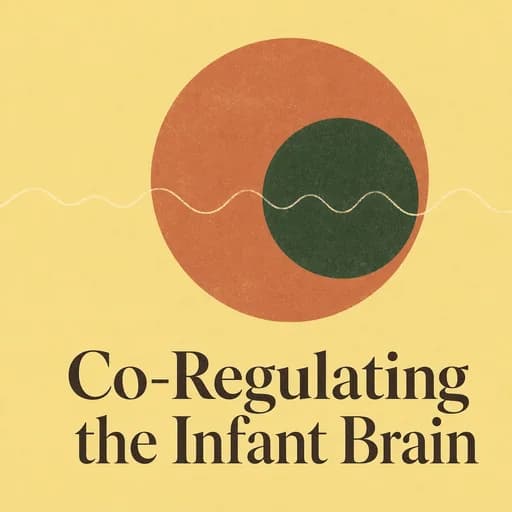
Co-regulation is the essential precursor to self-regulation, where you literally lend a child your regulated nervous system until theirs is strong enough to handle the load. This isn't just about stopping a tantrum in the moment—it is about brain-building for the future.
Generated by Jeannette
Social-emotional learning in infant care and early education, focusing on developing executive function, calming the nervous system, and building the brain for future learning.






Часто задаваемые вопросы
Co-regulation is the process where a caregiver shares their own sense of peace to help an infant settle their internal alarm system. Because an infant's prefrontal cortex is still under construction, they cannot calm themselves down and rely on you to act as their external brain or air traffic control. This essential process serves as the precursor to self-regulation, helping the child eventually manage their own thoughts and emotions as they grow.
Ninety percent of brain development occurs during the first three years, making it a critical window of neuroplasticity where the brain is more malleable than it will ever be again. During this period, infants act like little engineers, wiring their neural architecture in response to every touch, glance, and soothing word. These early experiences and relationships form the foundation for how a child will eventually manage stress and focus on difficult tasks in the future.
The prefrontal cortex is the part of the brain responsible for logic and impulse control, but in infants, this area is still under construction. When a baby becomes overwhelmed by loud noises or physical frustration, they cannot use logic to settle themselves. Instead, they signal their distress, requiring a caregiver to provide the necessary co-regulation to help manage their stress response while their neural architecture continues to develop and mature.
The foundation of neural architecture laid during the first few months of life determines a child's long-term ability to manage stress and succeed in a classroom environment. By providing consistent co-regulation and positive experiences during this period of high neuroplasticity, caregivers help build a sturdy brain structure. This early development is vital because it influences how well a child will be able to focus on tasks and handle emotional challenges years down the road.
Создано выпускниками Колумбийского университета в Сан-Франциско
"Instead of endless scrolling, I just hit play on BeFreed. It saves me so much time."


"I never knew where to start with nonfiction—BeFreed’s book lists turned into podcasts gave me a clear path."


"Perfect balance between learning and entertainment. Finished ‘Thinking, Fast and Slow’ on my commute this week."
"Crazy how much I learned while walking the dog. BeFreed = small habits → big gains."
"Reading used to feel like a chore. Now it’s just part of my lifestyle."

"Feels effortless compared to reading. I’ve finished 6 books this month already."
"BeFreed turned my guilty doomscrolling into something that feels productive and inspiring."

"BeFreed turned my commute into learning time. 20-min podcasts are perfect for finishing books I never had time for."
"BeFreed replaced my podcast queue. Imagine Spotify for books — that’s it. 🙌"

"It is great for me to learn something from the book without reading it."
"The themed book list podcasts help me connect ideas across authors—like a guided audio journey."
"Makes me feel smarter every time before going to work"
Создано выпускниками Колумбийского университета в Сан-Франциско
"Instead of endless scrolling, I just hit play on BeFreed. It saves me so much time."
"I never knew where to start with nonfiction—BeFreed’s book lists turned into podcasts gave me a clear path."
"Perfect balance between learning and entertainment. Finished ‘Thinking, Fast and Slow’ on my commute this week."
"Crazy how much I learned while walking the dog. BeFreed = small habits → big gains."
"Reading used to feel like a chore. Now it’s just part of my lifestyle."
"Feels effortless compared to reading. I’ve finished 6 books this month already."
"BeFreed turned my guilty doomscrolling into something that feels productive and inspiring."
"BeFreed turned my commute into learning time. 20-min podcasts are perfect for finishing books I never had time for."
"BeFreed replaced my podcast queue. Imagine Spotify for books — that’s it. 🙌"
"It is great for me to learn something from the book without reading it."
"The themed book list podcasts help me connect ideas across authors—like a guided audio journey."
"Makes me feel smarter every time before going to work"
"Instead of endless scrolling, I just hit play on BeFreed. It saves me so much time."
"I never knew where to start with nonfiction—BeFreed’s book lists turned into podcasts gave me a clear path."
"Perfect balance between learning and entertainment. Finished ‘Thinking, Fast and Slow’ on my commute this week."
"Crazy how much I learned while walking the dog. BeFreed = small habits → big gains."
"Reading used to feel like a chore. Now it’s just part of my lifestyle."
"Feels effortless compared to reading. I’ve finished 6 books this month already."
"BeFreed turned my guilty doomscrolling into something that feels productive and inspiring."
"BeFreed turned my commute into learning time. 20-min podcasts are perfect for finishing books I never had time for."
"BeFreed replaced my podcast queue. Imagine Spotify for books — that’s it. 🙌"
"It is great for me to learn something from the book without reading it."
"The themed book list podcasts help me connect ideas across authors—like a guided audio journey."
"Makes me feel smarter every time before going to work"
"Instead of endless scrolling, I just hit play on BeFreed. It saves me so much time."
"I never knew where to start with nonfiction—BeFreed’s book lists turned into podcasts gave me a clear path."
"Perfect balance between learning and entertainment. Finished ‘Thinking, Fast and Slow’ on my commute this week."
"Crazy how much I learned while walking the dog. BeFreed = small habits → big gains."
"Reading used to feel like a chore. Now it’s just part of my lifestyle."
"Feels effortless compared to reading. I’ve finished 6 books this month already."
"BeFreed turned my guilty doomscrolling into something that feels productive and inspiring."
"BeFreed turned my commute into learning time. 20-min podcasts are perfect for finishing books I never had time for."
"BeFreed replaced my podcast queue. Imagine Spotify for books — that’s it. 🙌"
"It is great for me to learn something from the book without reading it."
"The themed book list podcasts help me connect ideas across authors—like a guided audio journey."
"Makes me feel smarter every time before going to work"