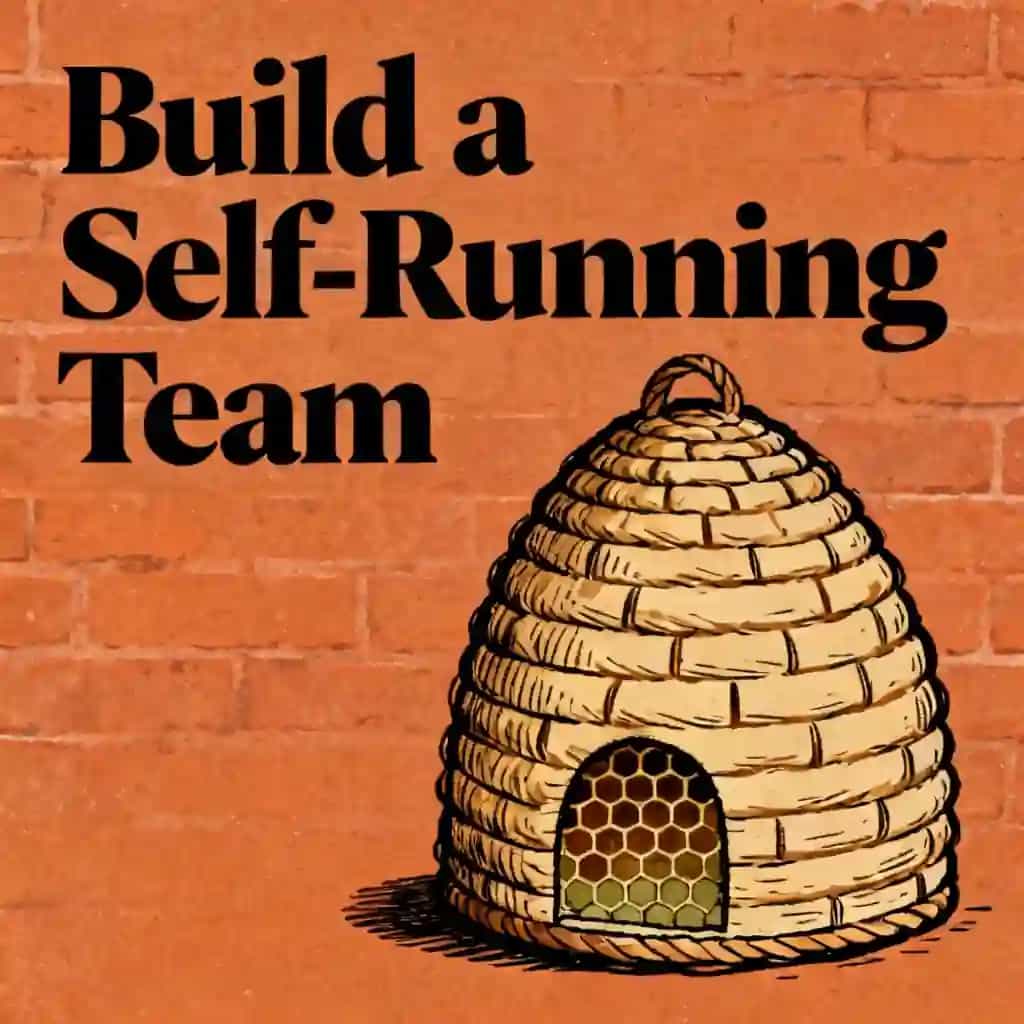
Team Building in Indian Startups: Recruiting and Culture Strategies
Learn essential team building and recruiting strategies for Indian startups. Discover how to manage talent, boost motivation, and foster a positive company culture.

Лучшая цитата из Team Building in Indian Startups: Recruiting and Culture Strategies
Building a team isn't just about filling seats; it's about creating repeatable people systems so the business doesn't have to wait for the founder.

Этот аудиоурок был создан участником сообщества BeFreed
Discussing the importance of team building in Indian startups, including strategies for recruiting, managing, and motivating team members, and how to foster a positive company culture.




Часто задаваемые вопросы
Team building is the foundation of success for Indian startups, as it aligns diverse talent with the company's vision. Effective startup management involves more than just hiring; it requires creating a cohesive environment where team members feel valued. By focusing on strong internal bonds, startups can improve employee motivation and ensure that everyone is working toward the same growth objectives in a competitive market.
Successful recruiting strategies in the Indian startup ecosystem involve identifying candidates who possess both technical skills and a cultural fit. Hiring in India requires a balance of competitive offerings and a compelling brand story. Startups should focus on transparent communication during the recruitment process to attract high-quality talent who are motivated by the challenges and rewards of a fast-paced entrepreneurial environment.
Fostering a positive company culture starts with defining core values and leading by example. In Indian startups, this involves encouraging open communication, recognizing achievements, and supporting professional growth. A strong culture acts as a retention tool, helping to maintain high levels of employee motivation even during high-pressure periods. Prioritizing inclusivity and collaboration ensures that the team remains resilient and committed to the startup's long-term mission.
Узнать больше

Lead Without Being a Bottleneck
Many leaders struggle to scale because they remain the central point of failure for every decision. This plan is designed for managers and executives who need to transition from hands-on control to strategic empowerment. It provides the tools to build a self-sufficient team that delivers results without constant supervision.

From Operator to Strategic Owner
This plan is designed for business owners and founders trapped in daily operations who want to reclaim their time. It provides a structured roadmap to move from being the bottleneck to becoming a strategic leader by building scalable systems.
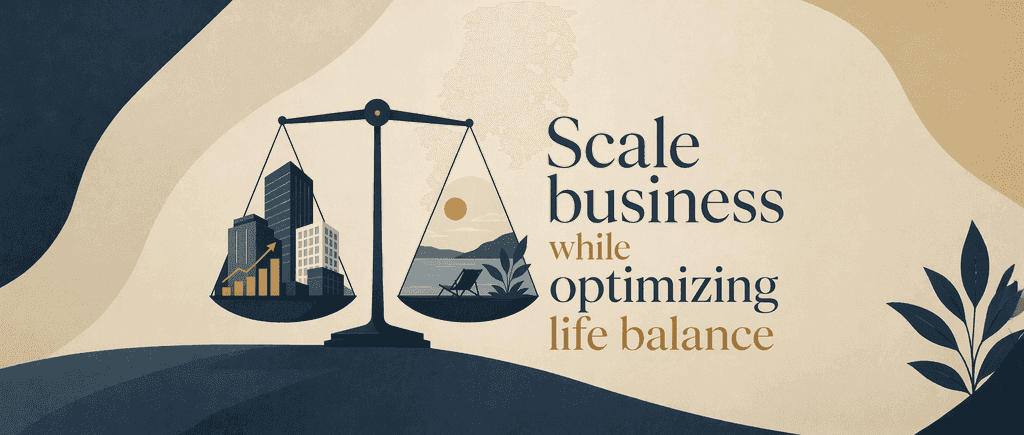
Scale business while optimizing life balance
This learning plan is designed for ambitious entrepreneurs and business leaders who feel trapped in day-to-day operations and want to break through growth plateaus. It's ideal for those who recognize that scaling their business requires not just working harder, but fundamentally transforming how they lead, delegate, and structure their companies while maintaining personal well-being.

Succeed in the startup world
This plan is essential for aspiring entrepreneurs and early-stage founders looking to bridge the gap between a raw idea and a scalable company. It provides a structured roadmap for navigating the high-stakes journey of product development, fundraising, and organizational leadership.

Build & grow rapid-growth tech startups
This learning plan is essential for aspiring founders, product leaders, and innovation executives who want to build the next generation of high-growth tech companies. It combines proven frameworks from successful unicorns with practical methodologies for launching, validating, and scaling products from zero to market dominance. Perfect for those who want to master the complete journey from initial idea to category-defining company.
Build startup from zero
This comprehensive learning plan is designed for aspiring entrepreneurs, early-stage founders, and anyone looking to transform an idea into a viable, scalable business. Whether you're launching your first startup or want to approach entrepreneurship with a systematic, proven methodology, this path takes you from initial concept through fundraising and growth, equipping you with the frameworks used by successful founders worldwide.

Run my small software company
Running a software company requires a unique blend of technical leadership, product thinking, and business acumen that most founders learn through costly trial and error. This learning plan provides a structured path for aspiring or current software company founders to build the essential skills needed to launch, operate, and scale a successful business. Whether you're a technical founder taking your first steps into entrepreneurship or a small company owner looking to systematize your growth, this plan addresses the critical competencies that separate struggling startups from thriving software businesses.

The Founder's MBA: Scale and Capital
This program is designed for early-stage founders and entrepreneurs ready to transition from a startup mindset to a scalable enterprise. It bridges the gap between initial product validation and long-term capital strategy, making it essential for anyone seeking to lead a high-growth company.
Создано выпускниками Колумбийского университета в Сан-Франциско
"Instead of endless scrolling, I just hit play on BeFreed. It saves me so much time."


"I never knew where to start with nonfiction—BeFreed’s book lists turned into podcasts gave me a clear path."


"Perfect balance between learning and entertainment. Finished ‘Thinking, Fast and Slow’ on my commute this week."
"Crazy how much I learned while walking the dog. BeFreed = small habits → big gains."
"Reading used to feel like a chore. Now it’s just part of my lifestyle."

"Feels effortless compared to reading. I’ve finished 6 books this month already."
"BeFreed turned my guilty doomscrolling into something that feels productive and inspiring."

"BeFreed turned my commute into learning time. 20-min podcasts are perfect for finishing books I never had time for."
"BeFreed replaced my podcast queue. Imagine Spotify for books — that’s it. 🙌"

"It is great for me to learn something from the book without reading it."
"The themed book list podcasts help me connect ideas across authors—like a guided audio journey."
"Makes me feel smarter every time before going to work"
Создано выпускниками Колумбийского университета в Сан-Франциско
"Instead of endless scrolling, I just hit play on BeFreed. It saves me so much time."
"I never knew where to start with nonfiction—BeFreed’s book lists turned into podcasts gave me a clear path."
"Perfect balance between learning and entertainment. Finished ‘Thinking, Fast and Slow’ on my commute this week."
"Crazy how much I learned while walking the dog. BeFreed = small habits → big gains."
"Reading used to feel like a chore. Now it’s just part of my lifestyle."
"Feels effortless compared to reading. I’ve finished 6 books this month already."
"BeFreed turned my guilty doomscrolling into something that feels productive and inspiring."
"BeFreed turned my commute into learning time. 20-min podcasts are perfect for finishing books I never had time for."
"BeFreed replaced my podcast queue. Imagine Spotify for books — that’s it. 🙌"
"It is great for me to learn something from the book without reading it."
"The themed book list podcasts help me connect ideas across authors—like a guided audio journey."
"Makes me feel smarter every time before going to work"
"Instead of endless scrolling, I just hit play on BeFreed. It saves me so much time."
"I never knew where to start with nonfiction—BeFreed’s book lists turned into podcasts gave me a clear path."
"Perfect balance between learning and entertainment. Finished ‘Thinking, Fast and Slow’ on my commute this week."
"Crazy how much I learned while walking the dog. BeFreed = small habits → big gains."
"Reading used to feel like a chore. Now it’s just part of my lifestyle."
"Feels effortless compared to reading. I’ve finished 6 books this month already."
"BeFreed turned my guilty doomscrolling into something that feels productive and inspiring."
"BeFreed turned my commute into learning time. 20-min podcasts are perfect for finishing books I never had time for."
"BeFreed replaced my podcast queue. Imagine Spotify for books — that’s it. 🙌"
"It is great for me to learn something from the book without reading it."
"The themed book list podcasts help me connect ideas across authors—like a guided audio journey."
"Makes me feel smarter every time before going to work"
"Instead of endless scrolling, I just hit play on BeFreed. It saves me so much time."
"I never knew where to start with nonfiction—BeFreed’s book lists turned into podcasts gave me a clear path."
"Perfect balance between learning and entertainment. Finished ‘Thinking, Fast and Slow’ on my commute this week."
"Crazy how much I learned while walking the dog. BeFreed = small habits → big gains."
"Reading used to feel like a chore. Now it’s just part of my lifestyle."
"Feels effortless compared to reading. I’ve finished 6 books this month already."
"BeFreed turned my guilty doomscrolling into something that feels productive and inspiring."
"BeFreed turned my commute into learning time. 20-min podcasts are perfect for finishing books I never had time for."
"BeFreed replaced my podcast queue. Imagine Spotify for books — that’s it. 🙌"
"It is great for me to learn something from the book without reading it."
"The themed book list podcasts help me connect ideas across authors—like a guided audio journey."
"Makes me feel smarter every time before going to work"