Breaking the Hangxiety Cycle: Real Anxiety Relief
Discover why alcohol worsens anxiety through 'hangxiety' and learn science-backed alternatives to break the cycle. Get practical tools to manage anxiety without drinking and build lasting relief.

Лучшая цитата из Breaking the Hangxiety Cycle: Real Anxiety Relief
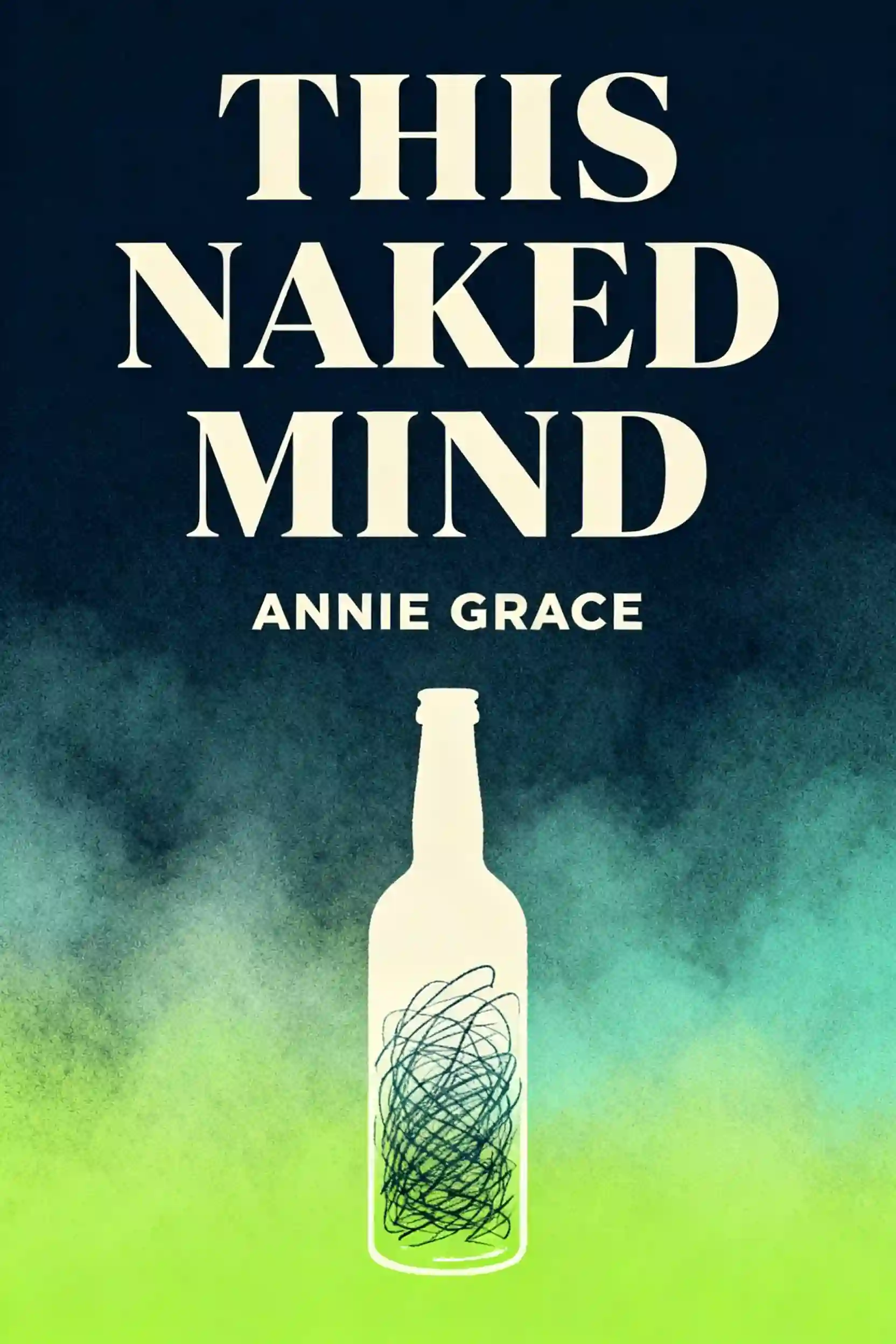
When you drink to manage anxiety, you're basically borrowing calm from tomorrow to feel better today. Alcohol floods your brain with GABA to make you feel calm, but when it wears off, your brain actually produces less than before, leaving you more anxious than when you started.

Этот аудиоурок был создан участником сообщества BeFreed
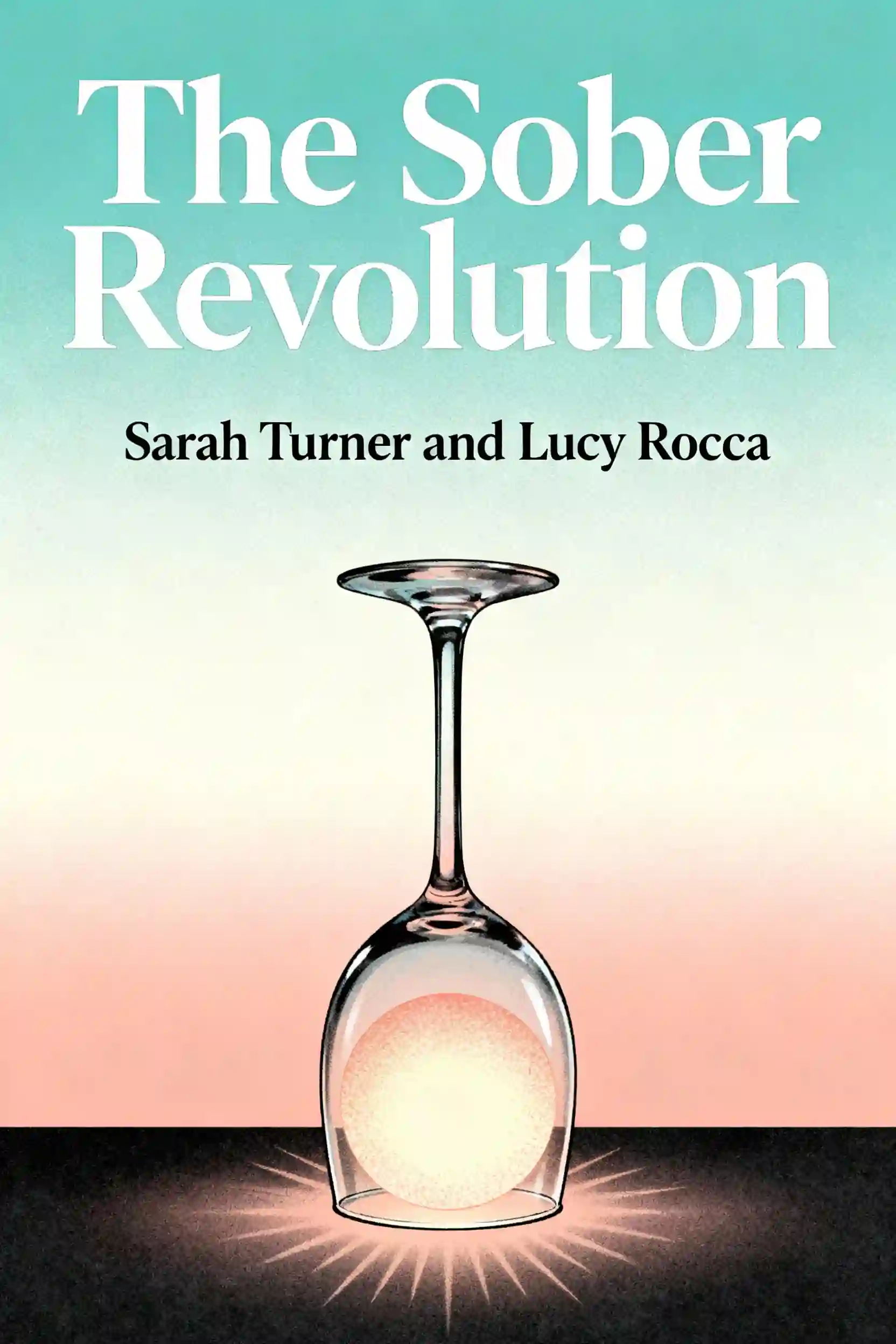
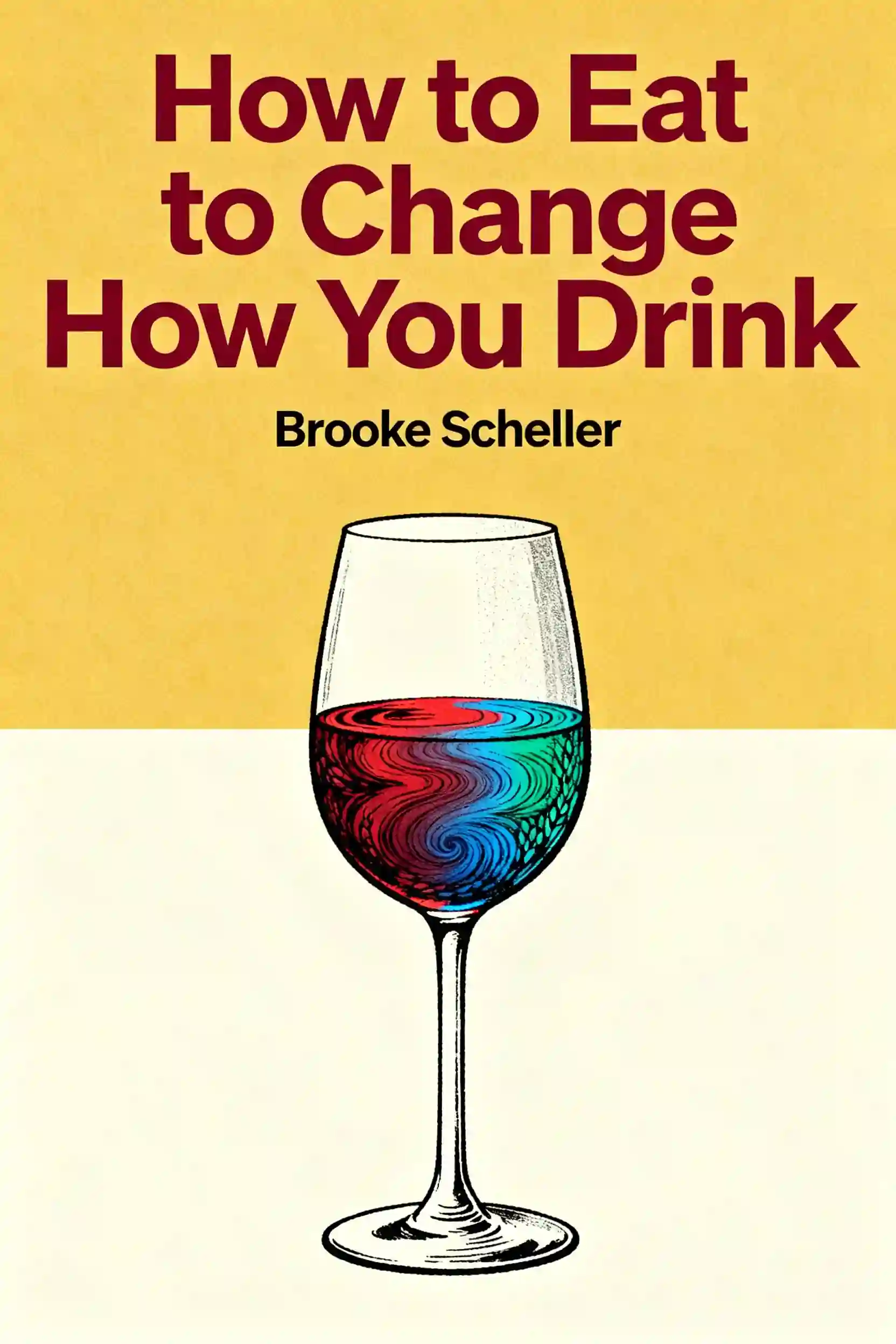
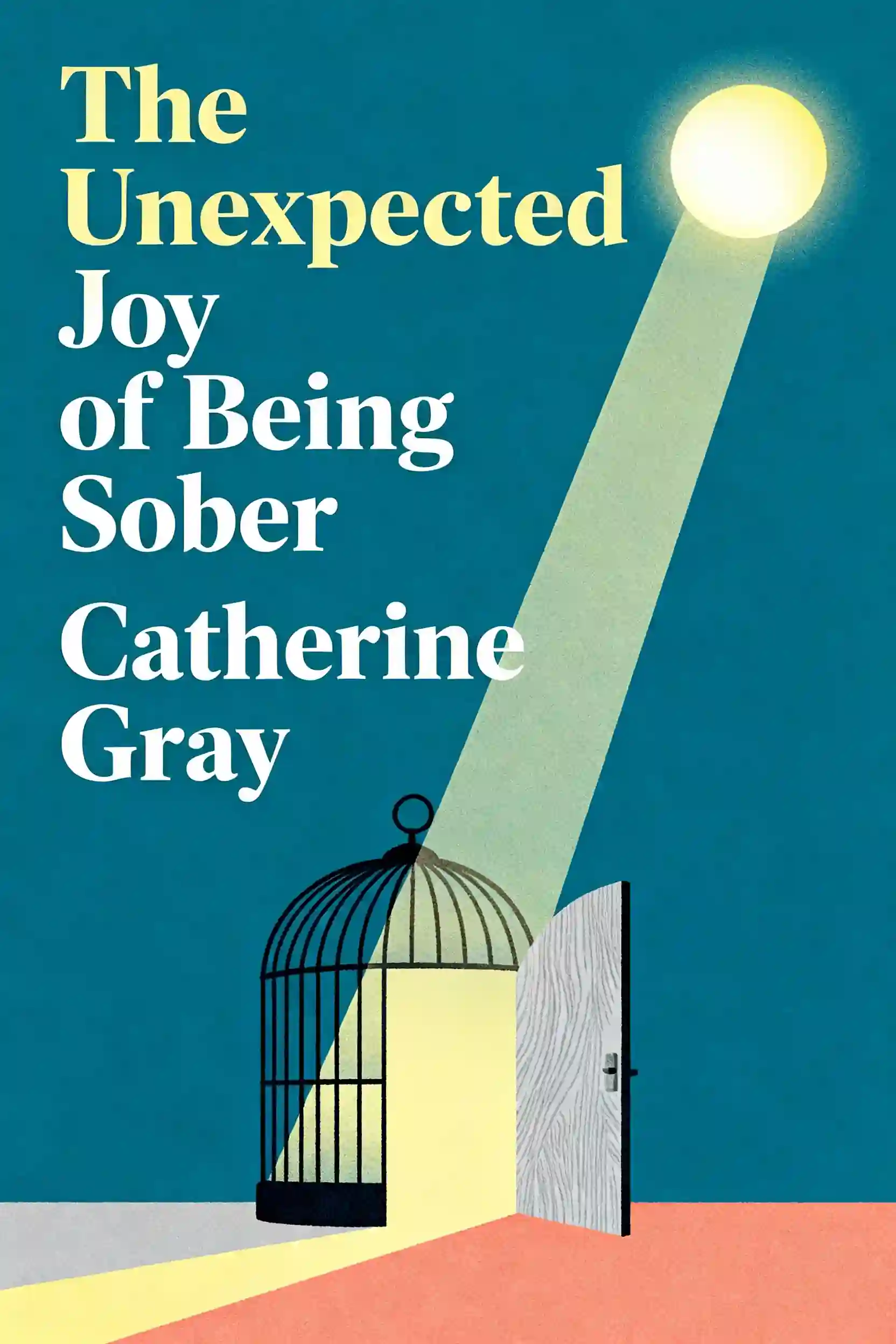
Like to know how drinking and anxiety are linked and how to reduce or eliminate drinking that is used to curb anxiety find alternatives, and ways to feel better

Узнать больше

Mastering Anxiety: Stop Overthinking
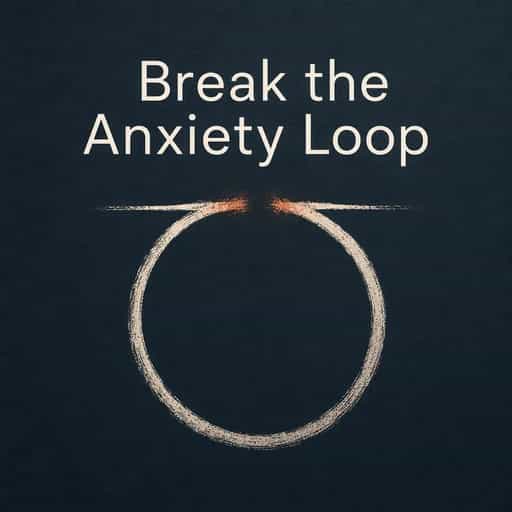
The Anxiety Freedom Masterclass: How to Stop Overthinking Everything offers a structured approach to dismantling anxiety loops through practical, evidence-based techniques. By understanding the formation of anxiety loops and cognitive distortions, individuals can learn to interrupt worry spirals and practice mindfulness to observe thoughts without attachment. The program emphasizes building new habits over 63 days, reframing anxiety as useful information, and applying these skills in real-world scenarios to reduce overthinking and enhance decision-making.

Manage and accept my anxiety
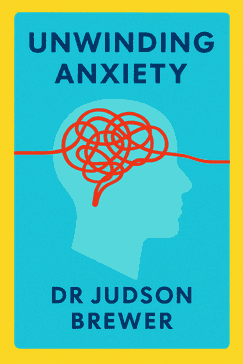
Anxiety affects millions of people and can significantly limit personal and professional growth when left unmanaged. This learning plan is ideal for anyone experiencing regular anxiety, worry, or stress who wants to develop a healthier, more productive relationship with their anxious feelings rather than simply trying to eliminate them. It's particularly valuable for those seeking evidence-based, practical approaches to build resilience and live more fully.

Manage anxiety for stable relationships
Relationship anxiety affects millions of people, causing overthinking, fear of abandonment, and emotional turbulence that can sabotage even the most promising partnerships. This learning plan is ideal for individuals who struggle with insecurity in romantic relationships, find themselves constantly seeking reassurance, or have difficulty trusting partners despite wanting lasting love.
Break the Anxious-Avoidant Trap
This plan is essential for individuals or couples caught in the exhausting cycle of pursuit and withdrawal. It provides practical somatic and behavioral tools for anyone looking to transform defensive patterns into a secure, lasting emotional connection.

Quit drinking
Breaking free from alcohol dependency requires more than willpower—it demands understanding the psychology behind addiction and developing new mental frameworks. This learning plan provides evidence-based strategies for anyone looking to reduce or eliminate alcohol from their life, whether they identify as having a serious dependency or simply want a healthier relationship with drinking.

Overcome workplace anxiety
Workplace anxiety affects millions of professionals, impacting performance, career growth, and overall well-being. This learning plan is designed for anyone who experiences nervousness, self-doubt, or stress in professional settings—whether you're facing presentations, difficult conversations, or daily workplace pressures. By combining psychological insights with practical skills, you'll transform anxiety from a career obstacle into manageable energy that supports your professional success.

Embodied Calm: Beyond Intellectual Anxiety
This plan is essential for high-achievers who find that 'thinking their way out' of stress often leads to more rumination. It is designed for anyone looking to transition from intellectualizing their anxiety to physically managing it through actionable somatic skills.

Break cycle of overthinking and comparison
In a digital age driven by comparison and constant performance, many individuals find themselves paralyzed by chronic rumination and low self-esteem. This plan is designed for anyone struggling with social media-induced anxiety or perfectionism who wants to regain mental clarity using proven psychological frameworks.
Создано выпускниками Колумбийского университета в Сан-Франциско
"Instead of endless scrolling, I just hit play on BeFreed. It saves me so much time."


"I never knew where to start with nonfiction—BeFreed’s book lists turned into podcasts gave me a clear path."


"Perfect balance between learning and entertainment. Finished ‘Thinking, Fast and Slow’ on my commute this week."
"Crazy how much I learned while walking the dog. BeFreed = small habits → big gains."
"Reading used to feel like a chore. Now it’s just part of my lifestyle."

"Feels effortless compared to reading. I’ve finished 6 books this month already."
"BeFreed turned my guilty doomscrolling into something that feels productive and inspiring."

"BeFreed turned my commute into learning time. 20-min podcasts are perfect for finishing books I never had time for."
"BeFreed replaced my podcast queue. Imagine Spotify for books — that’s it. 🙌"

"It is great for me to learn something from the book without reading it."
"The themed book list podcasts help me connect ideas across authors—like a guided audio journey."
"Makes me feel smarter every time before going to work"
Создано выпускниками Колумбийского университета в Сан-Франциско
"Instead of endless scrolling, I just hit play on BeFreed. It saves me so much time."
"I never knew where to start with nonfiction—BeFreed’s book lists turned into podcasts gave me a clear path."
"Perfect balance between learning and entertainment. Finished ‘Thinking, Fast and Slow’ on my commute this week."
"Crazy how much I learned while walking the dog. BeFreed = small habits → big gains."
"Reading used to feel like a chore. Now it’s just part of my lifestyle."
"Feels effortless compared to reading. I’ve finished 6 books this month already."
"BeFreed turned my guilty doomscrolling into something that feels productive and inspiring."
"BeFreed turned my commute into learning time. 20-min podcasts are perfect for finishing books I never had time for."
"BeFreed replaced my podcast queue. Imagine Spotify for books — that’s it. 🙌"
"It is great for me to learn something from the book without reading it."
"The themed book list podcasts help me connect ideas across authors—like a guided audio journey."
"Makes me feel smarter every time before going to work"
"Instead of endless scrolling, I just hit play on BeFreed. It saves me so much time."
"I never knew where to start with nonfiction—BeFreed’s book lists turned into podcasts gave me a clear path."
"Perfect balance between learning and entertainment. Finished ‘Thinking, Fast and Slow’ on my commute this week."
"Crazy how much I learned while walking the dog. BeFreed = small habits → big gains."
"Reading used to feel like a chore. Now it’s just part of my lifestyle."
"Feels effortless compared to reading. I’ve finished 6 books this month already."
"BeFreed turned my guilty doomscrolling into something that feels productive and inspiring."
"BeFreed turned my commute into learning time. 20-min podcasts are perfect for finishing books I never had time for."
"BeFreed replaced my podcast queue. Imagine Spotify for books — that’s it. 🙌"
"It is great for me to learn something from the book without reading it."
"The themed book list podcasts help me connect ideas across authors—like a guided audio journey."
"Makes me feel smarter every time before going to work"
"Instead of endless scrolling, I just hit play on BeFreed. It saves me so much time."
"I never knew where to start with nonfiction—BeFreed’s book lists turned into podcasts gave me a clear path."
"Perfect balance between learning and entertainment. Finished ‘Thinking, Fast and Slow’ on my commute this week."
"Crazy how much I learned while walking the dog. BeFreed = small habits → big gains."
"Reading used to feel like a chore. Now it’s just part of my lifestyle."
"Feels effortless compared to reading. I’ve finished 6 books this month already."
"BeFreed turned my guilty doomscrolling into something that feels productive and inspiring."
"BeFreed turned my commute into learning time. 20-min podcasts are perfect for finishing books I never had time for."
"BeFreed replaced my podcast queue. Imagine Spotify for books — that’s it. 🙌"
"It is great for me to learn something from the book without reading it."
"The themed book list podcasts help me connect ideas across authors—like a guided audio journey."
"Makes me feel smarter every time before going to work"