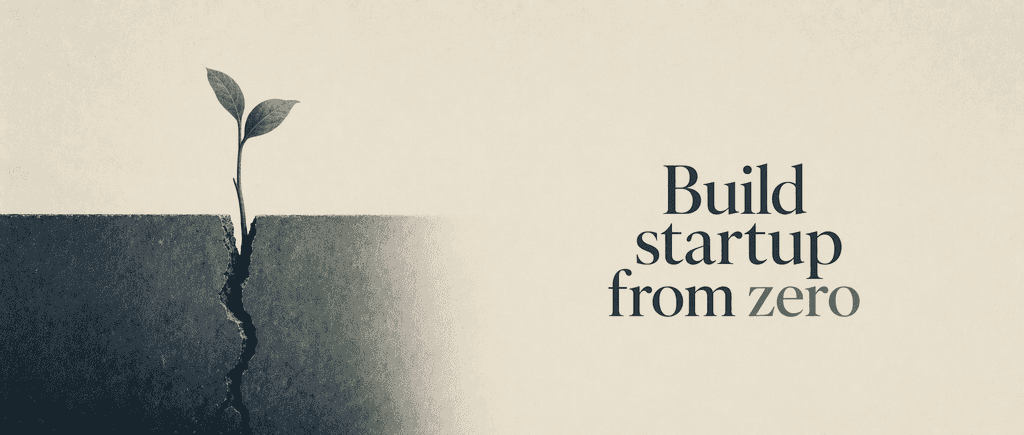
Bootstrapping an Indian Startup: Pros, Cons, and Funding Strategies
Learn the pros and cons of bootstrapping an Indian startup. Explore self-funding strategies, cash flow management, and how to maintain founder control and independence.

Лучшая цитата из Bootstrapping an Indian Startup: Pros, Cons, and Funding Strategies
Profitability as a strategy changes the way you think about every single rupee; it gives you the patience to build for the next decade instead of just the next board meeting.
Generated by VIKASH KUMAR JAIN
Discussing the pros and cons of bootstrapping an Indian startup, including strategies for self-funding, managing cash flow, and maintaining control and independence.


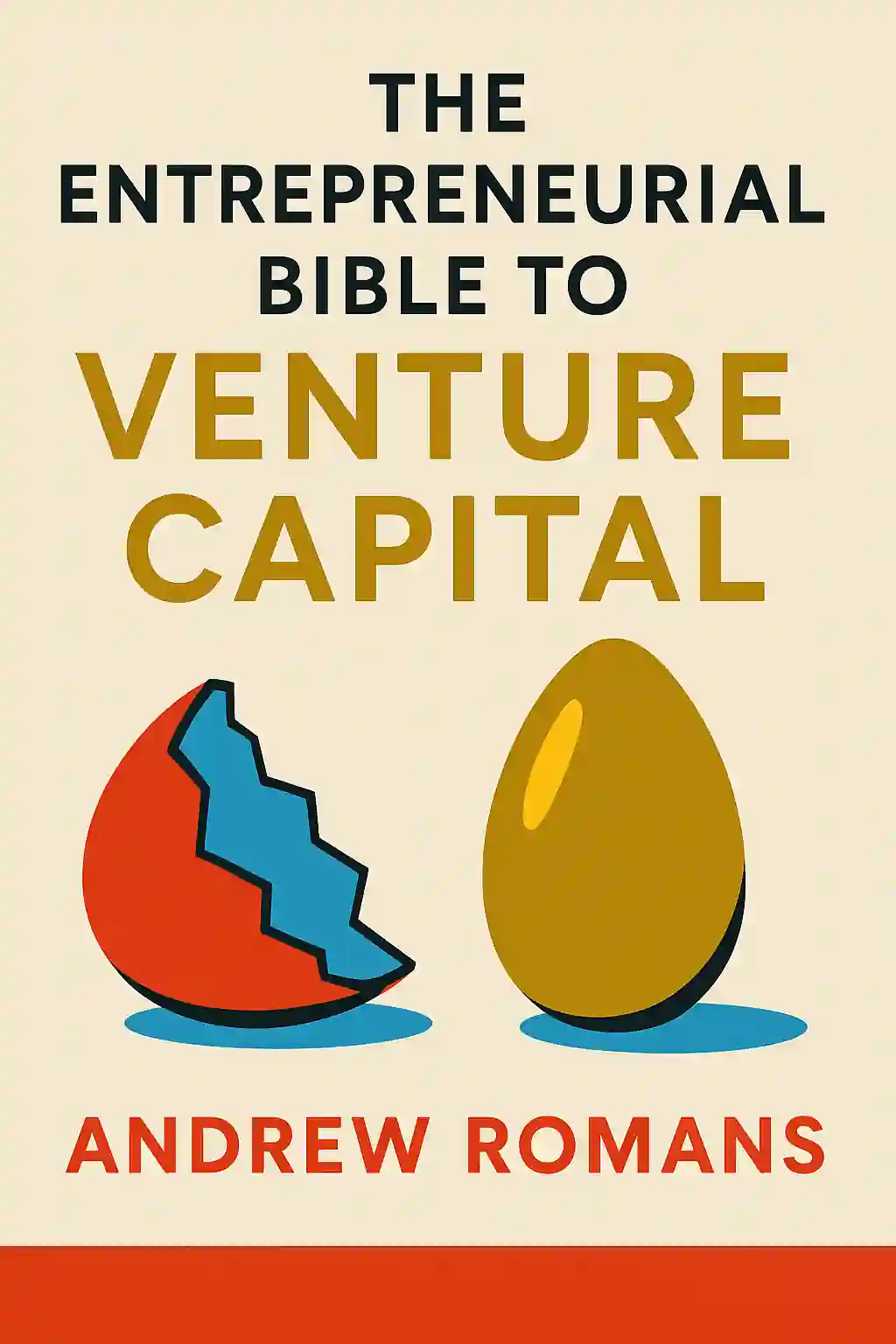
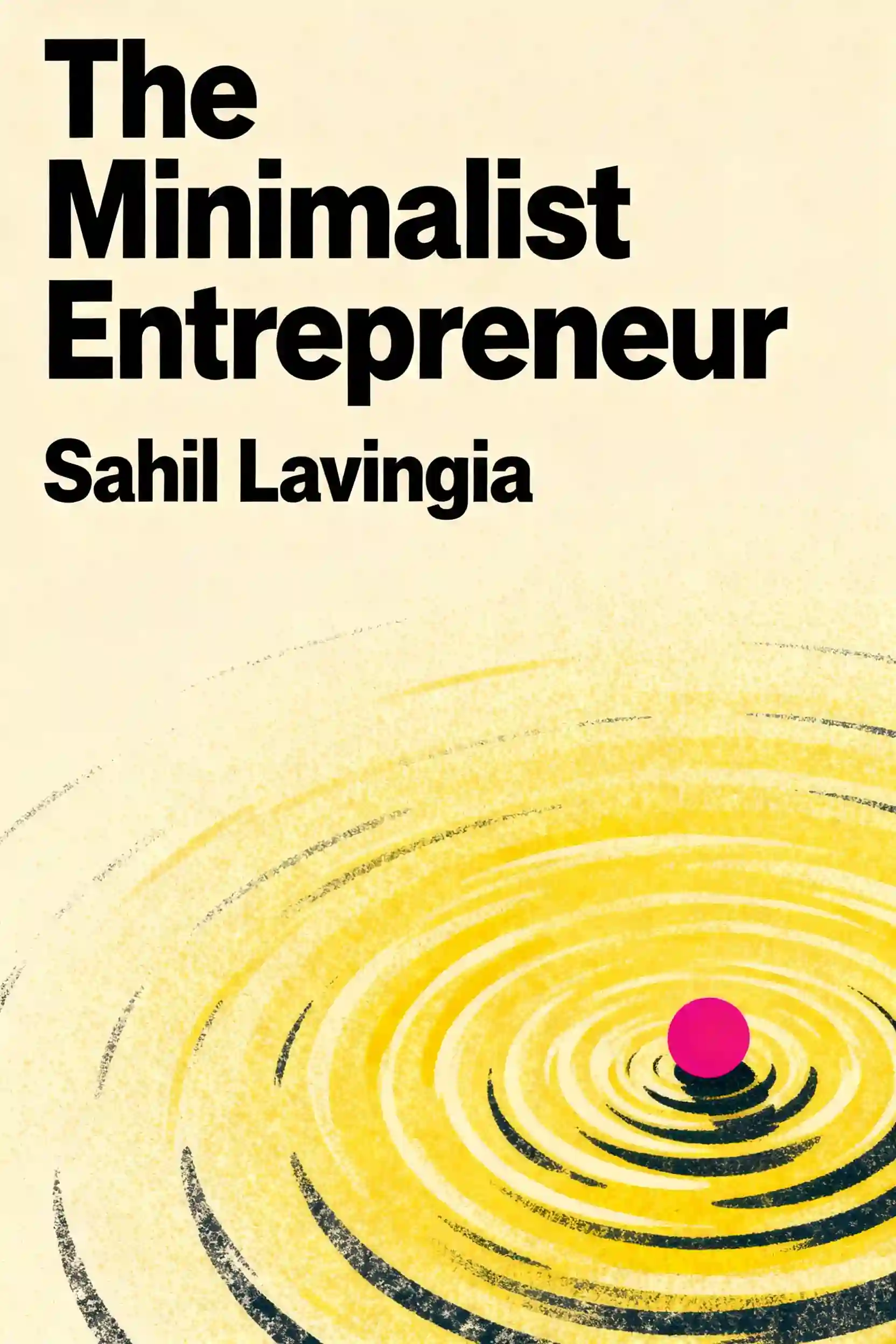
Часто задаваемые вопросы
Bootstrapping allows founders to maintain complete control and independence over their business decisions without pressure from external investors. By focusing on self-funding strategies, entrepreneurs in the Indian startup ecosystem can build a sustainable business model at their own pace. This approach fosters financial discipline and ensures that the founders retain full equity, allowing them to steer the company's long-term vision and India business growth according to their own values and goals.
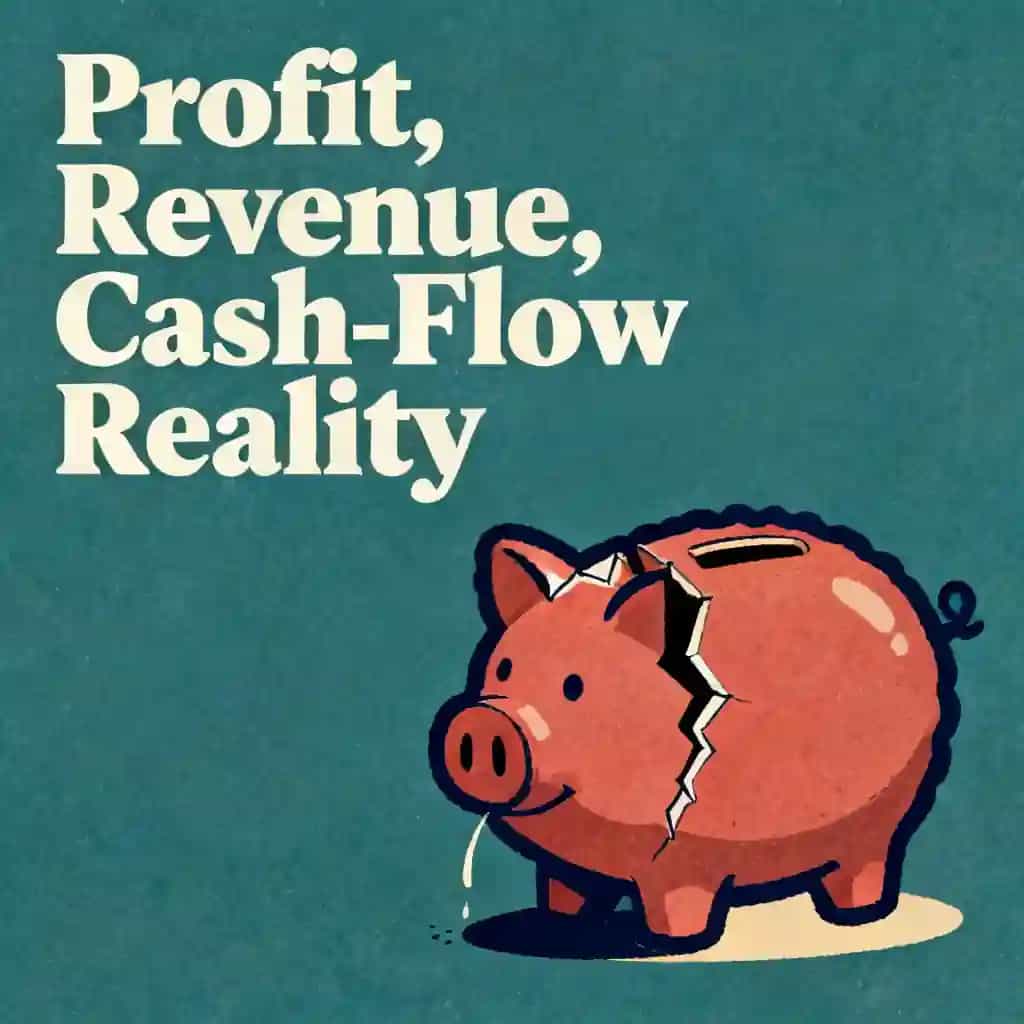
Effective cash flow management is critical for any bootstrapped Indian startup to survive and thrive. Founders should prioritize revenue-generating activities and keep overhead costs low to ensure the business remains lean. By monitoring inflows and outflows closely, entrepreneurs can reinvest profits back into the company to fuel organic growth. Utilizing strategic budgeting and maintaining a cash reserve helps navigate the financial challenges of self-funding while ensuring the startup remains operational during lean periods.
While bootstrapping offers independence, it also presents challenges such as limited capital for rapid scaling and the personal financial risk taken on by the founder. Without external venture capital, an Indian startup may grow more slowly compared to funded competitors. Founders must balance the need for India business growth with the constraints of available resources, often requiring them to take on multiple roles and make difficult trade-offs regarding hiring, marketing, and product development.
Founder control is a cornerstone of bootstrapping, as it prevents the dilution of ownership and influence that typically comes with outside investment. In the context of an Indian startup, maintaining independence allows the original team to make pivot decisions quickly and stay true to their mission. This autonomy ensures that the long-term strategy is not compromised by short-term investor demands, allowing for a more authentic and focused approach to building a successful business.
Создано выпускниками Колумбийского университета в Сан-Франциско
"Instead of endless scrolling, I just hit play on BeFreed. It saves me so much time."


"I never knew where to start with nonfiction—BeFreed’s book lists turned into podcasts gave me a clear path."


"Perfect balance between learning and entertainment. Finished ‘Thinking, Fast and Slow’ on my commute this week."
"Crazy how much I learned while walking the dog. BeFreed = small habits → big gains."
"Reading used to feel like a chore. Now it’s just part of my lifestyle."

"Feels effortless compared to reading. I’ve finished 6 books this month already."
"BeFreed turned my guilty doomscrolling into something that feels productive and inspiring."

"BeFreed turned my commute into learning time. 20-min podcasts are perfect for finishing books I never had time for."
"BeFreed replaced my podcast queue. Imagine Spotify for books — that’s it. 🙌"

"It is great for me to learn something from the book without reading it."
"The themed book list podcasts help me connect ideas across authors—like a guided audio journey."
"Makes me feel smarter every time before going to work"
Создано выпускниками Колумбийского университета в Сан-Франциско
"Instead of endless scrolling, I just hit play on BeFreed. It saves me so much time."
"I never knew where to start with nonfiction—BeFreed’s book lists turned into podcasts gave me a clear path."
"Perfect balance between learning and entertainment. Finished ‘Thinking, Fast and Slow’ on my commute this week."
"Crazy how much I learned while walking the dog. BeFreed = small habits → big gains."
"Reading used to feel like a chore. Now it’s just part of my lifestyle."
"Feels effortless compared to reading. I’ve finished 6 books this month already."
"BeFreed turned my guilty doomscrolling into something that feels productive and inspiring."
"BeFreed turned my commute into learning time. 20-min podcasts are perfect for finishing books I never had time for."
"BeFreed replaced my podcast queue. Imagine Spotify for books — that’s it. 🙌"
"It is great for me to learn something from the book without reading it."
"The themed book list podcasts help me connect ideas across authors—like a guided audio journey."
"Makes me feel smarter every time before going to work"
"Instead of endless scrolling, I just hit play on BeFreed. It saves me so much time."
"I never knew where to start with nonfiction—BeFreed’s book lists turned into podcasts gave me a clear path."
"Perfect balance between learning and entertainment. Finished ‘Thinking, Fast and Slow’ on my commute this week."
"Crazy how much I learned while walking the dog. BeFreed = small habits → big gains."
"Reading used to feel like a chore. Now it’s just part of my lifestyle."
"Feels effortless compared to reading. I’ve finished 6 books this month already."
"BeFreed turned my guilty doomscrolling into something that feels productive and inspiring."
"BeFreed turned my commute into learning time. 20-min podcasts are perfect for finishing books I never had time for."
"BeFreed replaced my podcast queue. Imagine Spotify for books — that’s it. 🙌"
"It is great for me to learn something from the book without reading it."
"The themed book list podcasts help me connect ideas across authors—like a guided audio journey."
"Makes me feel smarter every time before going to work"
"Instead of endless scrolling, I just hit play on BeFreed. It saves me so much time."
"I never knew where to start with nonfiction—BeFreed’s book lists turned into podcasts gave me a clear path."
"Perfect balance between learning and entertainment. Finished ‘Thinking, Fast and Slow’ on my commute this week."
"Crazy how much I learned while walking the dog. BeFreed = small habits → big gains."
"Reading used to feel like a chore. Now it’s just part of my lifestyle."
"Feels effortless compared to reading. I’ve finished 6 books this month already."
"BeFreed turned my guilty doomscrolling into something that feels productive and inspiring."
"BeFreed turned my commute into learning time. 20-min podcasts are perfect for finishing books I never had time for."
"BeFreed replaced my podcast queue. Imagine Spotify for books — that’s it. 🙌"
"It is great for me to learn something from the book without reading it."
"The themed book list podcasts help me connect ideas across authors—like a guided audio journey."
"Makes me feel smarter every time before going to work"