The Refractor Foundation and the Birth of Scale
Elias: Think about the last time you were in a digital firefight and a tank leveled the house you were using for cover. That chaos—that specific "Battlefield moment"—wasn't always a given in gaming. It started with a technical gamble in Stockholm back in 1999 . If you’re looking to understand why this franchise feels different from every other shooter, you have to look at its DNA, which was forged in an engine called Refractor .
Joel: It’s wild because the series actually started before it was even called Battlefield. There was this game called Codename Eagle from Refraction Games . It was technically flawed, sure, but it proved you could have infantry, tanks, and planes all clashing on one massive map . When DICE acquired that studio in 2000, they weren't just buying a game; they were buying a philosophy of scale .
Elias: That scale is what hit everyone like a freight train when Battlefield 1942 launched in 2002 . Most shooters at the time were corridors and tight rooms. Suddenly, you’re on a beach in Normandy with 63 other people, and you can literally jump into a battleship or fly a fighter wing . It utilized the Refractor engine, which was built specifically for the PC to handle those massive environments .
Joel: What’s fascinating from a tactical perspective is how that engine handled damage. In those early Refractor 2 games, damage wasn't just "this gun does ten points of health." It was material-based . The game looked at what the projectile was made of and what it was hitting—different multipliers for different materials . It made the simulation feel heavy and deliberate.
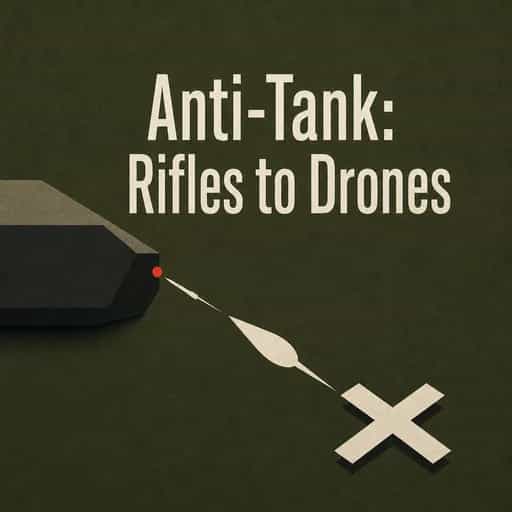
Elias: And that's where the class system became the backbone. You had five roles: Scout, Assault, Anti-Tank, Medic, and Engineer . If you were a lone wolf, you’d run out of ammo or get crushed by a Tiger tank in seconds. You needed that Engineer to keep your armor moving and that Medic to keep the tickets from bleeding out .
Joel: The ticket system is really the unsung hero here. Instead of a simple deathmatch, the Refractor era introduced the Conquest mode, where holding territory depleted the enemy’s tickets . It turned every match into a strategic tug-of-war rather than just a test of reflexes. It set the stage for everything that followed, but the engine was eventually going to hit a ceiling.