Explore anxious attachment and child development. Learn how John Bowlby’s attachment theory and responsive parenting help build secure bonds with your children.
Лучшая цитата из Anxious Attachment: Building Secure Bonds and Attachment Theory
“
The goal isn't a perfect score; it's about the overall feeling of the relationship. Secure attachment is built when a child feels seen, safe, soothed, and secure, knowing that even when things go wrong, the bridge between you doesn't break.
”
A
Generated by Ashley
Вопрос для ввода
How to nurture a child with an anxious attachment style and how to teach a secure attachment
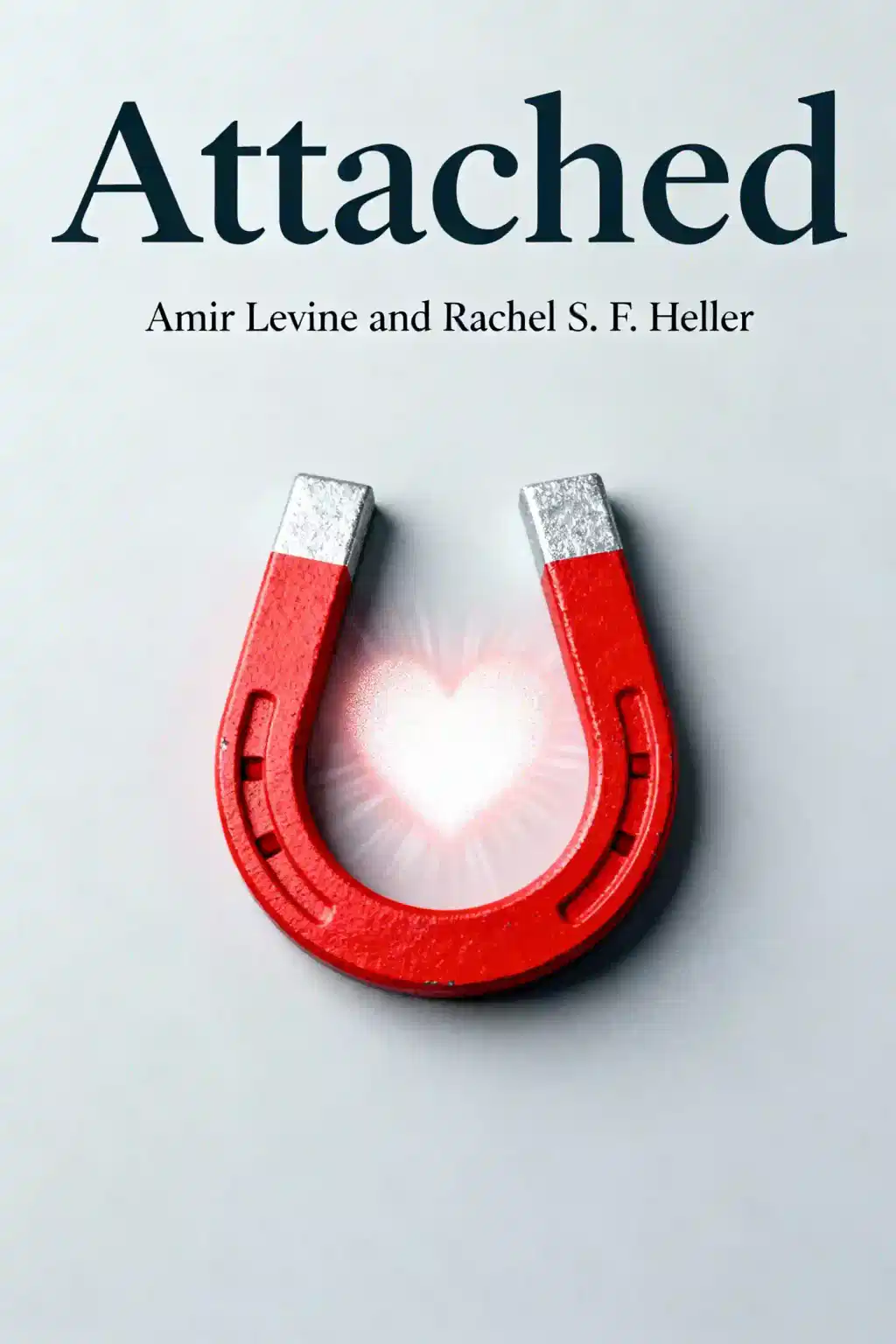
Attachment theory, pioneered by John Bowlby in the 1930s, explores the universal need infants have for a secure bond with their caregivers. It suggests that the 'glue' holding parents and children together is not based on specific gear or sleeping arrangements, but rather on the predictability and responsiveness of the parent. This bond serves as a foundation for how children interact with the world and manage stress.
Building secure bonds is less about specific practices like co-sleeping or breastfeeding and more about how a parent responds when a child is stressed or scared. Research indicates that these specific parenting 'tasks' are not the secret sauce for security. Instead, the real magic lies in being a predictable and responsive caregiver, providing a safe base that allows a child to feel secure enough to explore their environment.
Anxious attachment often manifests when a child feels like they are on a short bungee cord, unable to move away from a parent even for simple activities like playing at a park. This behavior is a window into attachment theory, where the child may feel terrified without constant proximity. Understanding child development and the research behind responsive parenting can help parents address these behaviors and work toward fostering more secure bonds.
John Bowlby was a major figure in psychology who realized in the 1930s that infants have a fundamental need for attachment. His work laid the groundwork for modern attachment theory, shifting the focus of parenting research toward the emotional responsiveness of caregivers. His findings suggest that a child's sense of safety is rooted in how reliably a parent reacts to their needs, rather than just the physical 'stuff' of parenting.
Создано выпускниками Колумбийского университета | в Сан-Франциско
BeFreed объединяет глобальное сообщество любознательных людей
4.7
средняя оценка
Более 7,84 тыс. оценок приложения
Сообщество BeFreed
Честно говоря, я ещё даже не изучила приложение полностью, но за последние несколько дней оно меня по-настоящему впечатлило… BeFreed — совсем другой уровень по сравнению с любыми учебными приложениями, которыми я пользовалась. Оно невероятно увлекает и действительно улучшает концентрацию — то, что нужно всем, кто бесконечно листает ленту!
@ladyInfinity
Я купил BeFreed ровно 23 дня назад и с тех пор пользуюсь им каждый день. Оно полностью встроилось в мой рабочий процесс и привычку учиться.
@jayallen
Честно говоря, приложение превзошло все мои ожидания. Я могу попросить его сгенерировать аудио на любую тему, какой бы она ни была, и результат впечатляет. Моя профессиональная область — специализация в психотерапии, она мультидисциплинарная, но ответы очень точные.
@Raguipa
Больше всего я ценю то, насколько меньше я стал листать ленту: меньше времени уходит на поиск и больше — на усвоение информации. Сочетание полных аудиокниг, подкастов и планов обучения — блестящее.
@colonyofcreatorsNGO
Я уже 24 года работаю инструктором ускоренного обучения PhotoReading… книги, чтение и обучение — моя стихия, и BeFreed отлично справился, предложив инновационный подход к подаче информации в лёгкой для восприятия форме.
@BeFreed user
Это не просто приложение с кратким содержанием книг: я попробовал режим «весёлого чтения», и это гораздо лучший пересказ и способ схватывать идеи, чем традиционный. Уже ради одного этого оно того стоит.
@austinakon
Обожаю это приложение. Пользуюсь несколько дней и не могу перестать слушать. Отличный способ начать.
@jcrules328
Мне очень нравится это приложение; я тестирую его уже около месяца и считаю настоящей находкой. Оно отлично работает, потому что в BeFreed можно создавать собственные темы, а голос замечательный — с безграничным выбором озвучек.
@DanielCZ
Честно говоря, я ещё даже не изучила приложение полностью, но за последние несколько дней оно меня по-настоящему впечатлило… BeFreed — совсем другой уровень по сравнению с любыми учебными приложениями, которыми я пользовалась. Оно невероятно увлекает и действительно улучшает концентрацию — то, что нужно всем, кто бесконечно листает ленту!
@ladyInfinity
Я купил BeFreed ровно 23 дня назад и с тех пор пользуюсь им каждый день. Оно полностью встроилось в мой рабочий процесс и привычку учиться.
@jayallen
Честно говоря, приложение превзошло все мои ожидания. Я могу попросить его сгенерировать аудио на любую тему, какой бы она ни была, и результат впечатляет. Моя профессиональная область — специализация в психотерапии, она мультидисциплинарная, но ответы очень точные.
@Raguipa
Больше всего я ценю то, насколько меньше я стал листать ленту: меньше времени уходит на поиск и больше — на усвоение информации. Сочетание полных аудиокниг, подкастов и планов обучения — блестящее.
@colonyofcreatorsNGO
Я уже 24 года работаю инструктором ускоренного обучения PhotoReading… книги, чтение и обучение — моя стихия, и BeFreed отлично справился, предложив инновационный подход к подаче информации в лёгкой для восприятия форме.
@BeFreed user
Это не просто приложение с кратким содержанием книг: я попробовал режим «весёлого чтения», и это гораздо лучший пересказ и способ схватывать идеи, чем традиционный. Уже ради одного этого оно того стоит.
@austinakon
Обожаю это приложение. Пользуюсь несколько дней и не могу перестать слушать. Отличный способ начать.
@jcrules328
Мне очень нравится это приложение; я тестирую его уже около месяца и считаю настоящей находкой. Оно отлично работает, потому что в BeFreed можно создавать собственные темы, а голос замечательный — с безграничным выбором озвучек.
@DanielCZ
Мне очень нравится, что полезную, сжатую информацию и идеи можно получить в виде аудио в стиле подкаста на 8–15 минут. Я не большой фанат подкастов из-за «воды», но здесь её нет совсем.
@BeFreed user
Я заканчиваю докторскую и вынужден читать много незнакомого материала… В BeFreed достаточно ввести запрос — приложение само находит источники и создаёт аудиоподкаст. Мне процесс в BeFreed кажется удобнее, чем в NotebookLM.
@Brad
Я часто ищу на YouTube, что послушать за завтраком, на прогулке или по дороге на работу, и BeFreed предлагает ещё более точный подход — без рекламы и без «воды»!
@BeFreed user
Самое лучшее в этой платформе — её универсальность. Нет буквально ни одной темы, которая была бы ей не по зубам. Она справляется со всем, что ей даёшь… Редко встретишь учебный инструмент без ограничений, который действительно выполняет обещания.
@jayallen
BeFreed — потрясающее приложение. Благодаря удобному дизайну я трачу меньше времени на навигацию и больше — на учёбу. Сочетание аудиокниг, подкастов и планов обучения — гениальная комбинация, которая полностью изменила мой распорядок дня.
@BeFreed user
Сначала мне понадобилось время, чтобы разобраться, как создавать подкасты на итальянском, а потом — бум! Это же великолепно! Можно попросить объяснить любую тему, и он делает это отлично и очень умно!
@matteo77
BeFreed стал моим ежедневным приложением для аудиокниг… Больше всего мне нравится, что ты вставляешь свой текст — и получаешь аудио, которое можно слушать на ходу.
@kotanzu1
Мне очень нравится, что полезную, сжатую информацию и идеи можно получить в виде аудио в стиле подкаста на 8–15 минут. Я не большой фанат подкастов из-за «воды», но здесь её нет совсем.
@BeFreed user
Я заканчиваю докторскую и вынужден читать много незнакомого материала… В BeFreed достаточно ввести запрос — приложение само находит источники и создаёт аудиоподкаст. Мне процесс в BeFreed кажется удобнее, чем в NotebookLM.
@Brad
Я часто ищу на YouTube, что послушать за завтраком, на прогулке или по дороге на работу, и BeFreed предлагает ещё более точный подход — без рекламы и без «воды»!
@BeFreed user
Самое лучшее в этой платформе — её универсальность. Нет буквально ни одной темы, которая была бы ей не по зубам. Она справляется со всем, что ей даёшь… Редко встретишь учебный инструмент без ограничений, который действительно выполняет обещания.
@jayallen
BeFreed — потрясающее приложение. Благодаря удобному дизайну я трачу меньше времени на навигацию и больше — на учёбу. Сочетание аудиокниг, подкастов и планов обучения — гениальная комбинация, которая полностью изменила мой распорядок дня.
@BeFreed user
Сначала мне понадобилось время, чтобы разобраться, как создавать подкасты на итальянском, а потом — бум! Это же великолепно! Можно попросить объяснить любую тему, и он делает это отлично и очень умно!
@matteo77
BeFreed стал моим ежедневным приложением для аудиокниг… Больше всего мне нравится, что ты вставляешь свой текст — и получаешь аудио, которое можно слушать на ходу.
Discover how anxious attachment develops from inconsistent caregiving and learn science-backed strategies to heal deep attachment wounds, build secure relationships, and transform your nervous system's response to love and connection.
Stop the exhausting reassurance loop. Learn how to decode threat detection and use vulnerable communication to build earned security in your relationship.
Learn practical techniques to calm your nervous system and create internal security when anxiety strikes. Discover breathing methods, mindfulness practices, and body-based tools to break free from anxious spirals.