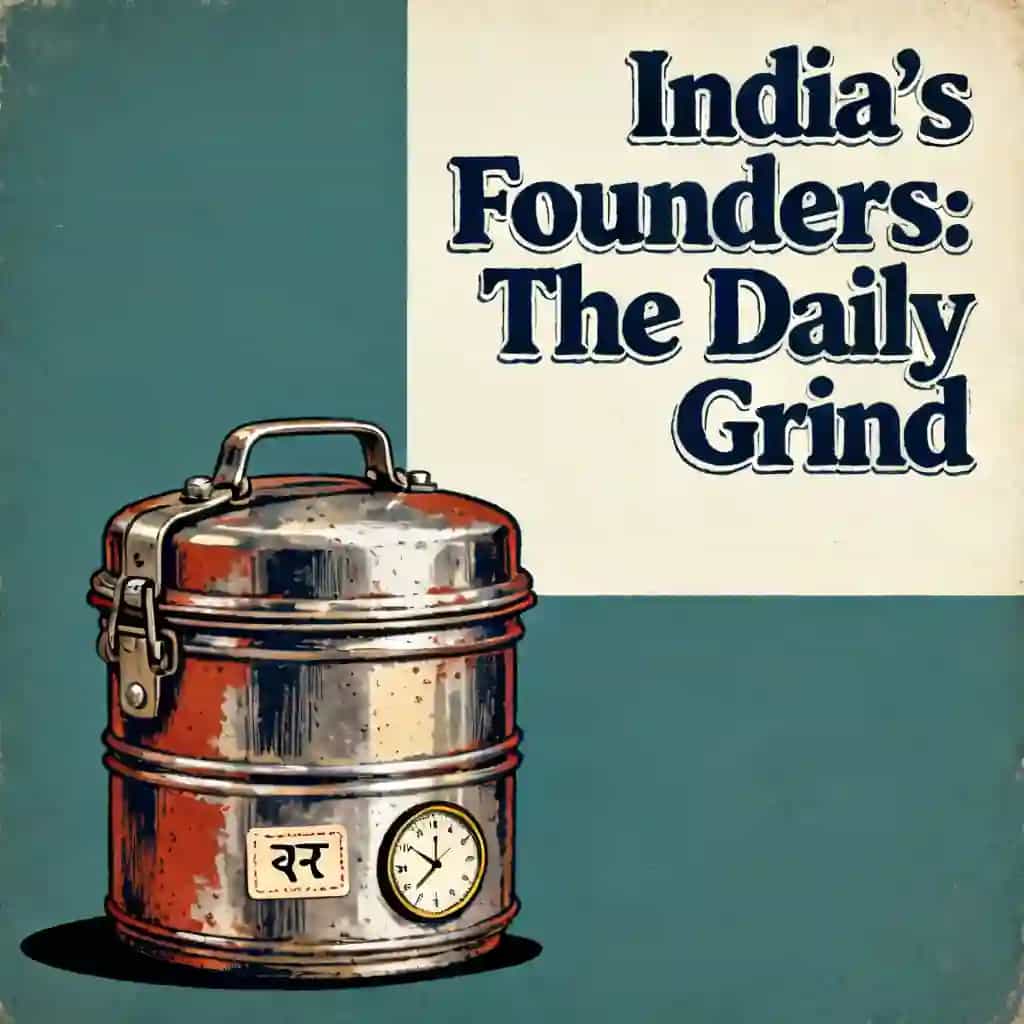
Angel Investing in Indian Startups: Benefits, Challenges & Strategy
Explore the impact of angel investing in Indian startups. Learn about the benefits, challenges, and strategies for building effective investor relationships.

Лучшая цитата из Angel Investing in Indian Startups: Benefits, Challenges & Strategy
Capital follows trust, and trust is built through long-term relationships. Successful founders use a reporting cadence—monthly or quarterly updates that aren't just about the wins, but also the challenges.
Generated by VIKASH KUMAR JAIN
Understanding the significance of angel investing in Indian startups, including the benefits and challenges of working with angel investors and how to navigate these relationships effectively.




Часто задаваемые вопросы
Angel investing in Indian startups provides critical early-stage capital that helps entrepreneurs scale their operations and validate their business models. Beyond financial support, angel investors often bring valuable industry expertise, mentorship, and networking opportunities that can accelerate a startup's growth trajectory. This infusion of capital and knowledge is essential for navigating the competitive Indian market and securing future venture capital funding rounds.
Founders often encounter challenges such as aligning long-term visions, managing equity distribution, and maintaining clear communication. Navigating the legal and regulatory landscape of startup funding in India can also be complex for both parties. Additionally, balancing the influence of an angel investor with the founder's original mission requires careful negotiation to ensure that the partnership remains productive and focused on sustainable growth without compromising the startup's core values.
Effective navigation of angel investor relationships starts with transparency and regular updates regarding company progress and setbacks. Entrepreneurs should view angel investors as strategic partners rather than just a source of funds, actively seeking their advice on key business decisions. By establishing clear expectations and maintaining open lines of communication, founders can build trust and leverage the investor's experience to overcome common hurdles in the Indian startup ecosystem.
Angel investing serves as a vital bridge between initial bootstrapping and larger venture capital investments in India. It fuels innovation by supporting high-risk, early-stage ideas that might otherwise struggle to find traditional financing. This layer of investment is crucial for fostering a robust entrepreneurial culture, creating jobs, and driving economic growth within the rapidly evolving Indian tech and business sectors.
Создано выпускниками Колумбийского университета в Сан-Франциско
"Instead of endless scrolling, I just hit play on BeFreed. It saves me so much time."


"I never knew where to start with nonfiction—BeFreed’s book lists turned into podcasts gave me a clear path."


"Perfect balance between learning and entertainment. Finished ‘Thinking, Fast and Slow’ on my commute this week."
"Crazy how much I learned while walking the dog. BeFreed = small habits → big gains."
"Reading used to feel like a chore. Now it’s just part of my lifestyle."

"Feels effortless compared to reading. I’ve finished 6 books this month already."
"BeFreed turned my guilty doomscrolling into something that feels productive and inspiring."

"BeFreed turned my commute into learning time. 20-min podcasts are perfect for finishing books I never had time for."
"BeFreed replaced my podcast queue. Imagine Spotify for books — that’s it. 🙌"

"It is great for me to learn something from the book without reading it."
"The themed book list podcasts help me connect ideas across authors—like a guided audio journey."
"Makes me feel smarter every time before going to work"
Создано выпускниками Колумбийского университета в Сан-Франциско
"Instead of endless scrolling, I just hit play on BeFreed. It saves me so much time."
"I never knew where to start with nonfiction—BeFreed’s book lists turned into podcasts gave me a clear path."
"Perfect balance between learning and entertainment. Finished ‘Thinking, Fast and Slow’ on my commute this week."
"Crazy how much I learned while walking the dog. BeFreed = small habits → big gains."
"Reading used to feel like a chore. Now it’s just part of my lifestyle."
"Feels effortless compared to reading. I’ve finished 6 books this month already."
"BeFreed turned my guilty doomscrolling into something that feels productive and inspiring."
"BeFreed turned my commute into learning time. 20-min podcasts are perfect for finishing books I never had time for."
"BeFreed replaced my podcast queue. Imagine Spotify for books — that’s it. 🙌"
"It is great for me to learn something from the book without reading it."
"The themed book list podcasts help me connect ideas across authors—like a guided audio journey."
"Makes me feel smarter every time before going to work"
"Instead of endless scrolling, I just hit play on BeFreed. It saves me so much time."
"I never knew where to start with nonfiction—BeFreed’s book lists turned into podcasts gave me a clear path."
"Perfect balance between learning and entertainment. Finished ‘Thinking, Fast and Slow’ on my commute this week."
"Crazy how much I learned while walking the dog. BeFreed = small habits → big gains."
"Reading used to feel like a chore. Now it’s just part of my lifestyle."
"Feels effortless compared to reading. I’ve finished 6 books this month already."
"BeFreed turned my guilty doomscrolling into something that feels productive and inspiring."
"BeFreed turned my commute into learning time. 20-min podcasts are perfect for finishing books I never had time for."
"BeFreed replaced my podcast queue. Imagine Spotify for books — that’s it. 🙌"
"It is great for me to learn something from the book without reading it."
"The themed book list podcasts help me connect ideas across authors—like a guided audio journey."
"Makes me feel smarter every time before going to work"
"Instead of endless scrolling, I just hit play on BeFreed. It saves me so much time."
"I never knew where to start with nonfiction—BeFreed’s book lists turned into podcasts gave me a clear path."
"Perfect balance between learning and entertainment. Finished ‘Thinking, Fast and Slow’ on my commute this week."
"Crazy how much I learned while walking the dog. BeFreed = small habits → big gains."
"Reading used to feel like a chore. Now it’s just part of my lifestyle."
"Feels effortless compared to reading. I’ve finished 6 books this month already."
"BeFreed turned my guilty doomscrolling into something that feels productive and inspiring."
"BeFreed turned my commute into learning time. 20-min podcasts are perfect for finishing books I never had time for."
"BeFreed replaced my podcast queue. Imagine Spotify for books — that’s it. 🙌"
"It is great for me to learn something from the book without reading it."
"The themed book list podcasts help me connect ideas across authors—like a guided audio journey."
"Makes me feel smarter every time before going to work"