America's Hidden Yoruba Kingdom
Discover how Walter Eugene King founded Oyotunji African Village in 1970 to reconnect Black Americans with their West African heritage, creating the first traditional Yoruba community in North America on former plantation land.

Лучшая цитата из America's Hidden Yoruba Kingdom
What Adefunmi and the Oyotunji community were doing was spiritual reparations—reconnecting African Americans with the religious traditions that slavery had severed.

Этот аудиоурок был создан участником сообщества BeFreed
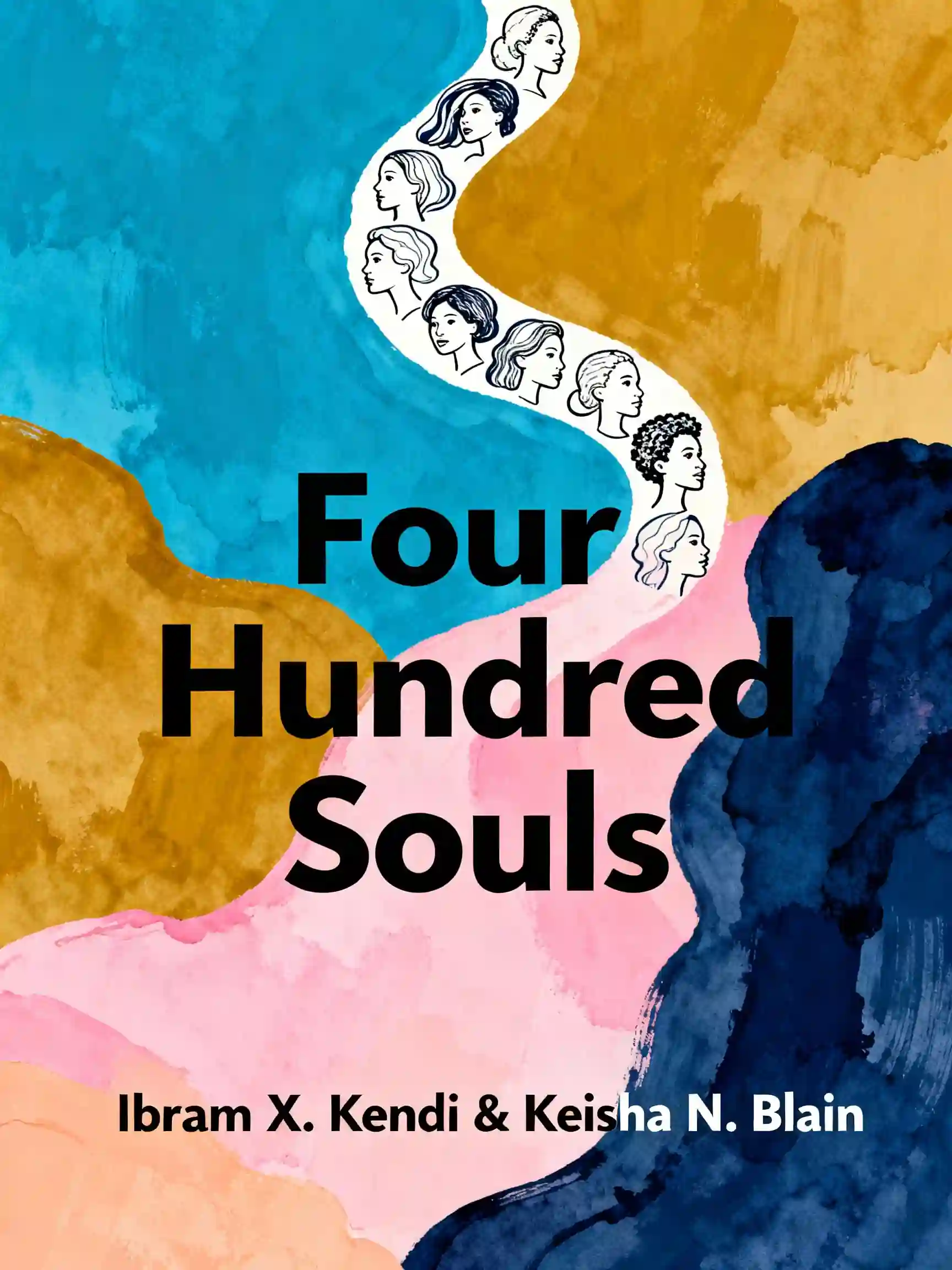
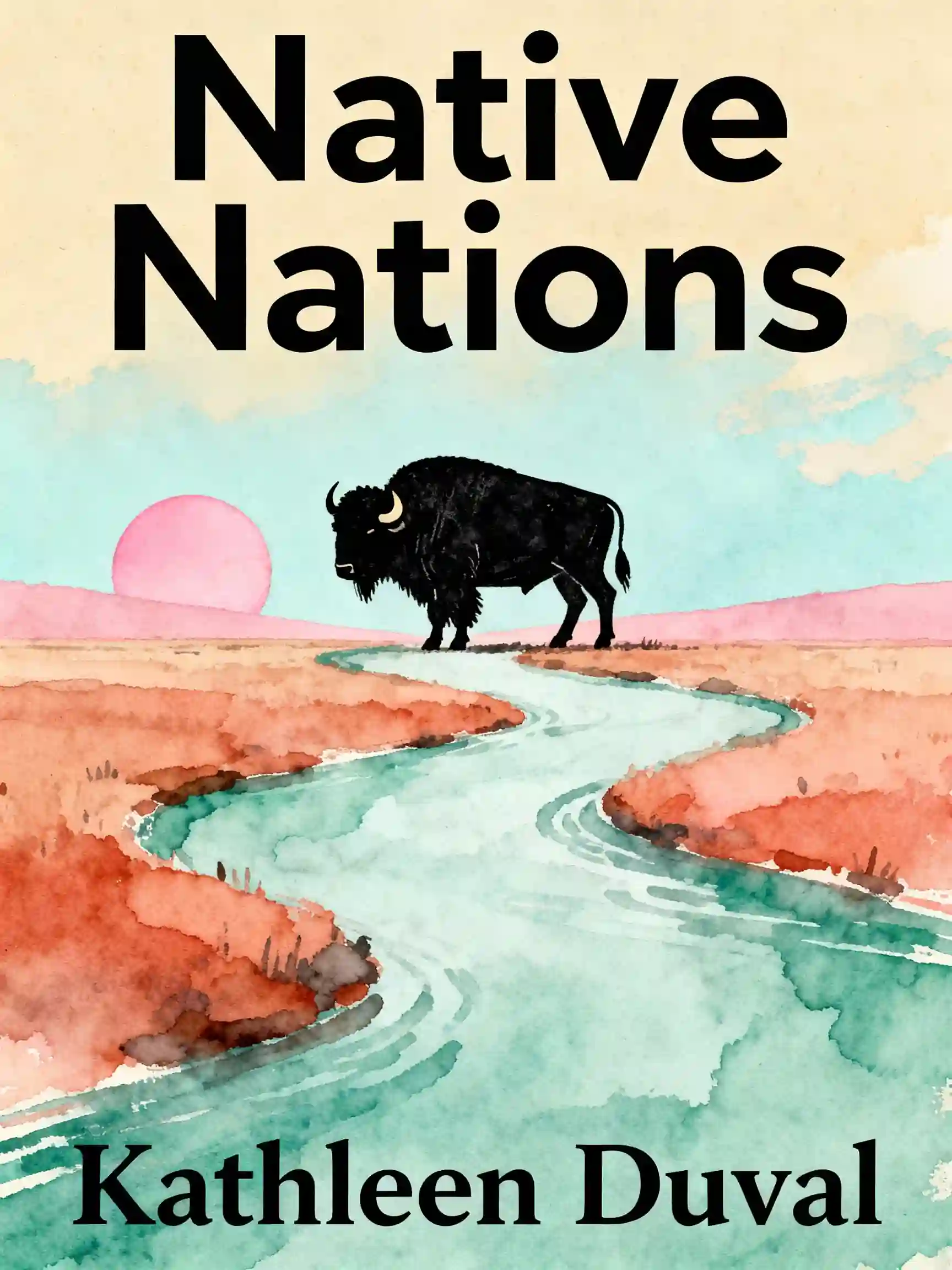
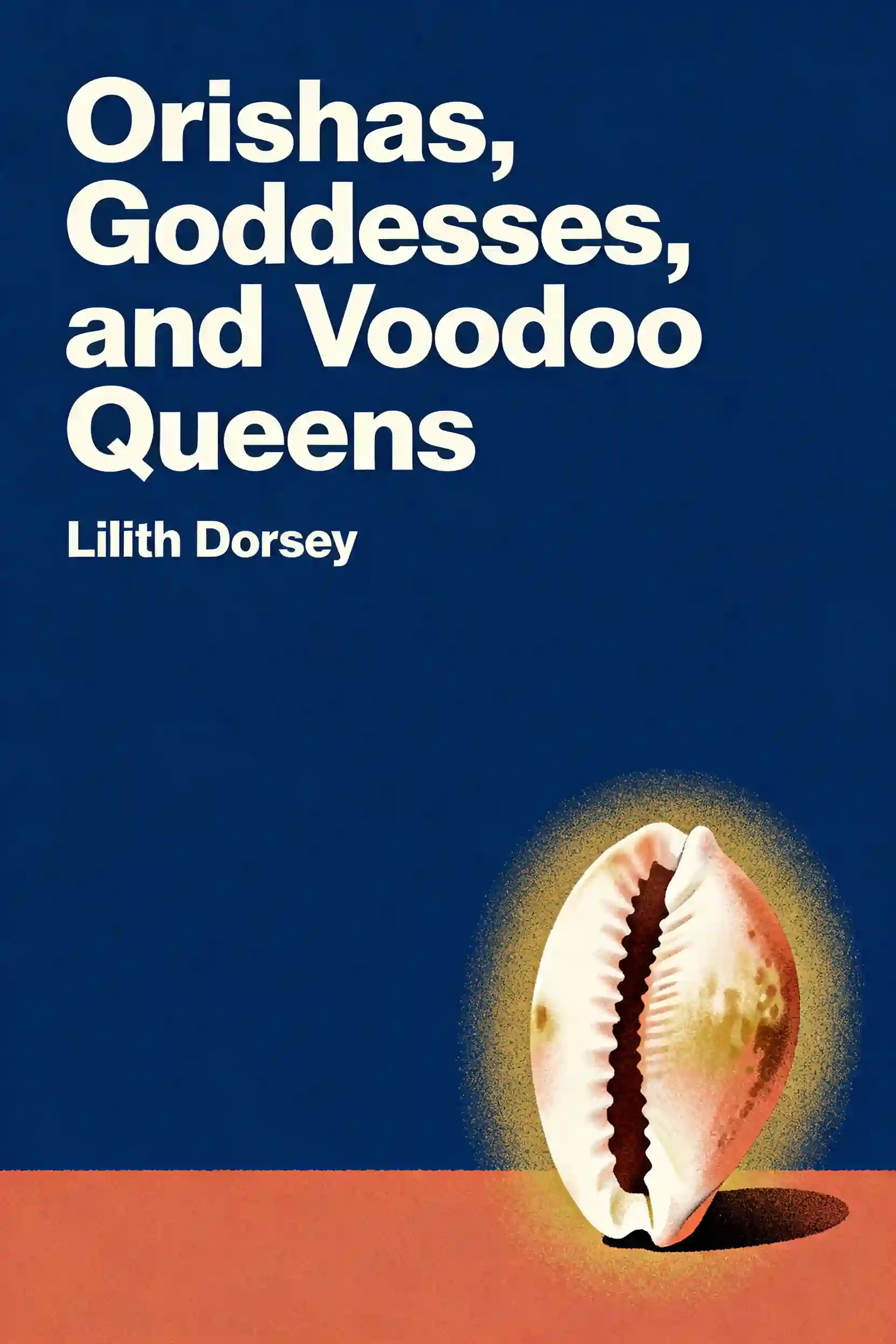
How was Oyotunji African Village founded and what is its significance to authentic Yoruba culture?

Узнать больше

BeFreed Podcast: West African Textile Trade
This plan provides a critical look at the intersection of African heritage, colonial history, and modern commerce. It is essential for entrepreneurs, fashion historians, and supply chain professionals seeking to build ethical textile businesses.
Homegoing: Key Characters & Plot Summary
This plan is essential for readers and students seeking a deep dive into the historical and psychological layers of Yaa Gyasi’s epic. It is perfect for literature enthusiasts interested in how generational trauma and colonial legacies shape modern identity.

Mandinka Textiles: Village to Global Trade
This plan bridges the gap between ancient West African craftsmanship and the modern global economy. It is essential for fashion professionals, historians, and social entrepreneurs looking to support ethical trade and cultural preservation.

Florida’s Haunted Spanish Roots
This plan is essential for history buffs and folklore enthusiasts looking to understand the deep cultural ties between Spanish colonial history and modern ghost stories. It offers a unique lens into how ancient myths traveled across oceans to redefine Florida's identity.

find my tribe, build my own family
This plan is designed for individuals seeking deeper social fulfillment and a sense of belonging in an increasingly isolated world. It provides a structured roadmap for anyone looking to transition from surface-level acquaintances to a loyal, supportive inner circle.
Columbus to early America
This learning plan provides essential context for understanding the origins of American political, social, and economic institutions. It's ideal for students, educators, or anyone seeking to grasp how colonial experiences and revolutionary ideals shaped the United States and continue to influence contemporary American society and governance.

Aboriginal history & culture
This learning plan provides essential knowledge for anyone living in or connected to Australia, as well as those interested in indigenous rights and decolonization globally. It's particularly valuable for educators, policymakers, health workers, and anyone seeking to engage respectfully with Aboriginal communities or understand the foundations of reconciliation and social justice in Australia.

Local historical records
This learning plan empowers community members, educators, and amateur historians to become stewards of their local heritage. It's ideal for genealogy enthusiasts, teachers developing local curriculum, retirees exploring their roots, or anyone passionate about preserving the stories that make their community unique before they're lost to time.
Создано выпускниками Колумбийского университета в Сан-Франциско
"Instead of endless scrolling, I just hit play on BeFreed. It saves me so much time."


"I never knew where to start with nonfiction—BeFreed’s book lists turned into podcasts gave me a clear path."


"Perfect balance between learning and entertainment. Finished ‘Thinking, Fast and Slow’ on my commute this week."
"Crazy how much I learned while walking the dog. BeFreed = small habits → big gains."
"Reading used to feel like a chore. Now it’s just part of my lifestyle."

"Feels effortless compared to reading. I’ve finished 6 books this month already."
"BeFreed turned my guilty doomscrolling into something that feels productive and inspiring."

"BeFreed turned my commute into learning time. 20-min podcasts are perfect for finishing books I never had time for."
"BeFreed replaced my podcast queue. Imagine Spotify for books — that’s it. 🙌"

"It is great for me to learn something from the book without reading it."
"The themed book list podcasts help me connect ideas across authors—like a guided audio journey."
"Makes me feel smarter every time before going to work"
Создано выпускниками Колумбийского университета в Сан-Франциско
"Instead of endless scrolling, I just hit play on BeFreed. It saves me so much time."
"I never knew where to start with nonfiction—BeFreed’s book lists turned into podcasts gave me a clear path."
"Perfect balance between learning and entertainment. Finished ‘Thinking, Fast and Slow’ on my commute this week."
"Crazy how much I learned while walking the dog. BeFreed = small habits → big gains."
"Reading used to feel like a chore. Now it’s just part of my lifestyle."
"Feels effortless compared to reading. I’ve finished 6 books this month already."
"BeFreed turned my guilty doomscrolling into something that feels productive and inspiring."
"BeFreed turned my commute into learning time. 20-min podcasts are perfect for finishing books I never had time for."
"BeFreed replaced my podcast queue. Imagine Spotify for books — that’s it. 🙌"
"It is great for me to learn something from the book without reading it."
"The themed book list podcasts help me connect ideas across authors—like a guided audio journey."
"Makes me feel smarter every time before going to work"
"Instead of endless scrolling, I just hit play on BeFreed. It saves me so much time."
"I never knew where to start with nonfiction—BeFreed’s book lists turned into podcasts gave me a clear path."
"Perfect balance between learning and entertainment. Finished ‘Thinking, Fast and Slow’ on my commute this week."
"Crazy how much I learned while walking the dog. BeFreed = small habits → big gains."
"Reading used to feel like a chore. Now it’s just part of my lifestyle."
"Feels effortless compared to reading. I’ve finished 6 books this month already."
"BeFreed turned my guilty doomscrolling into something that feels productive and inspiring."
"BeFreed turned my commute into learning time. 20-min podcasts are perfect for finishing books I never had time for."
"BeFreed replaced my podcast queue. Imagine Spotify for books — that’s it. 🙌"
"It is great for me to learn something from the book without reading it."
"The themed book list podcasts help me connect ideas across authors—like a guided audio journey."
"Makes me feel smarter every time before going to work"
"Instead of endless scrolling, I just hit play on BeFreed. It saves me so much time."
"I never knew where to start with nonfiction—BeFreed’s book lists turned into podcasts gave me a clear path."
"Perfect balance between learning and entertainment. Finished ‘Thinking, Fast and Slow’ on my commute this week."
"Crazy how much I learned while walking the dog. BeFreed = small habits → big gains."
"Reading used to feel like a chore. Now it’s just part of my lifestyle."
"Feels effortless compared to reading. I’ve finished 6 books this month already."
"BeFreed turned my guilty doomscrolling into something that feels productive and inspiring."
"BeFreed turned my commute into learning time. 20-min podcasts are perfect for finishing books I never had time for."
"BeFreed replaced my podcast queue. Imagine Spotify for books — that’s it. 🙌"
"It is great for me to learn something from the book without reading it."
"The themed book list podcasts help me connect ideas across authors—like a guided audio journey."
"Makes me feel smarter every time before going to work"