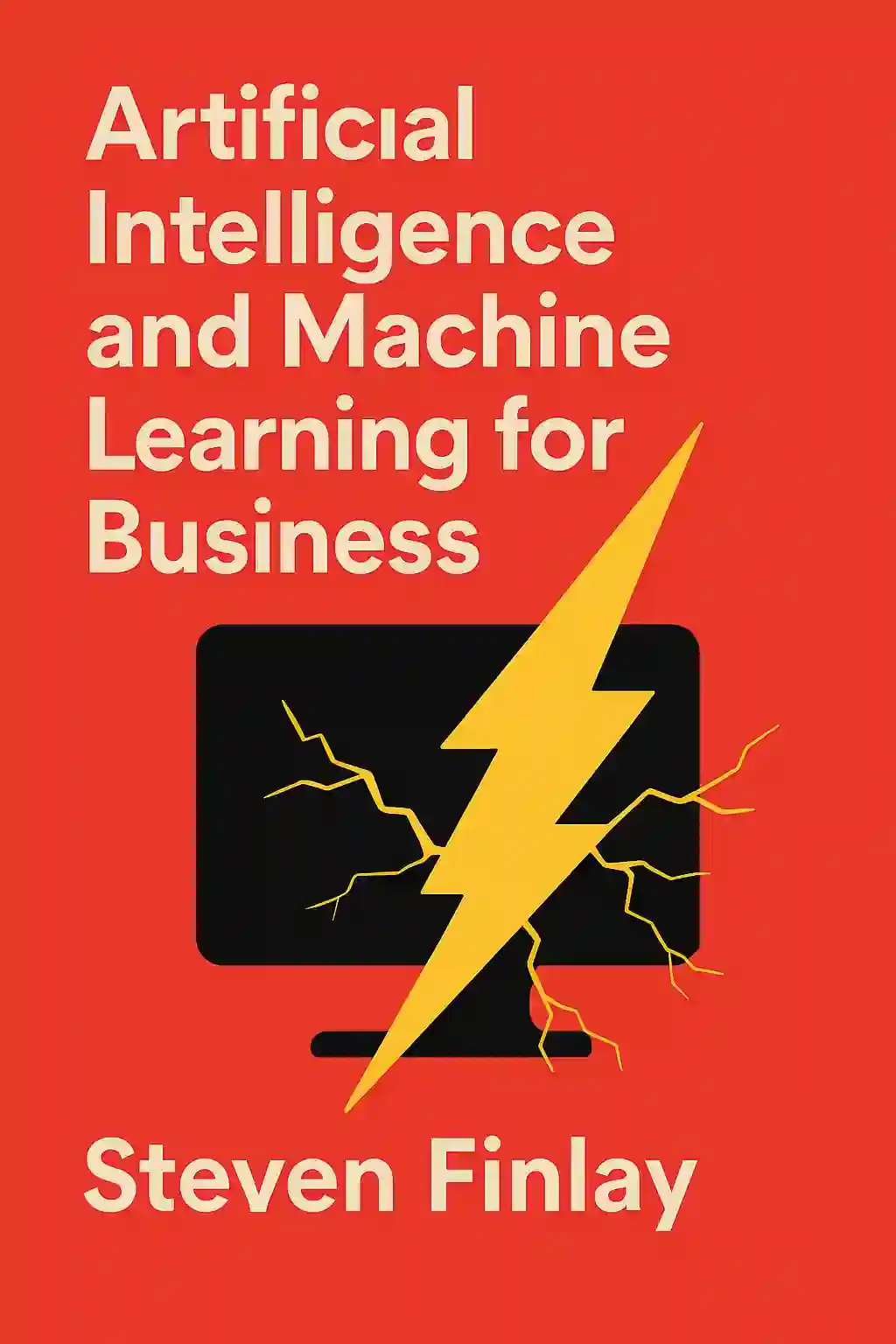
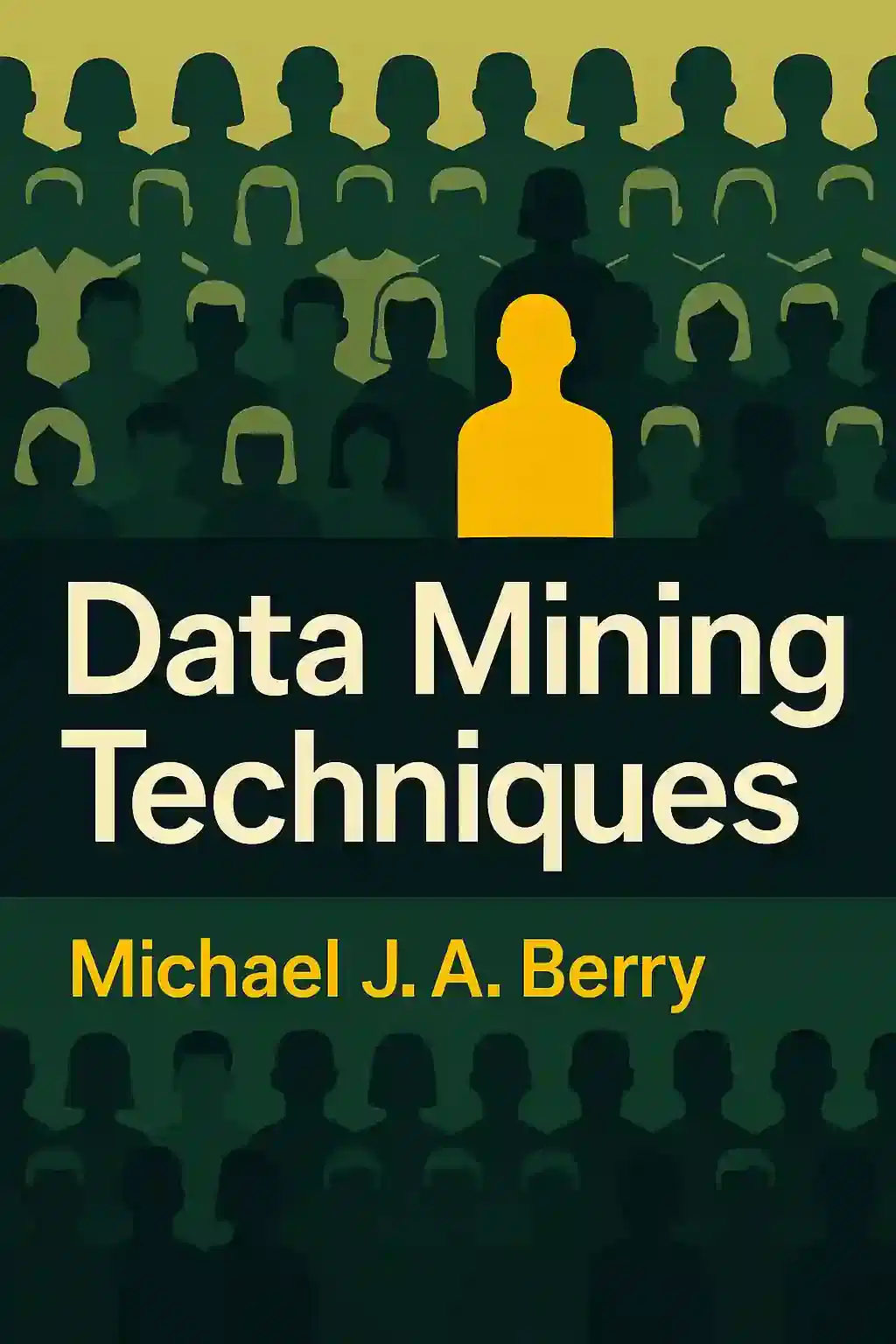
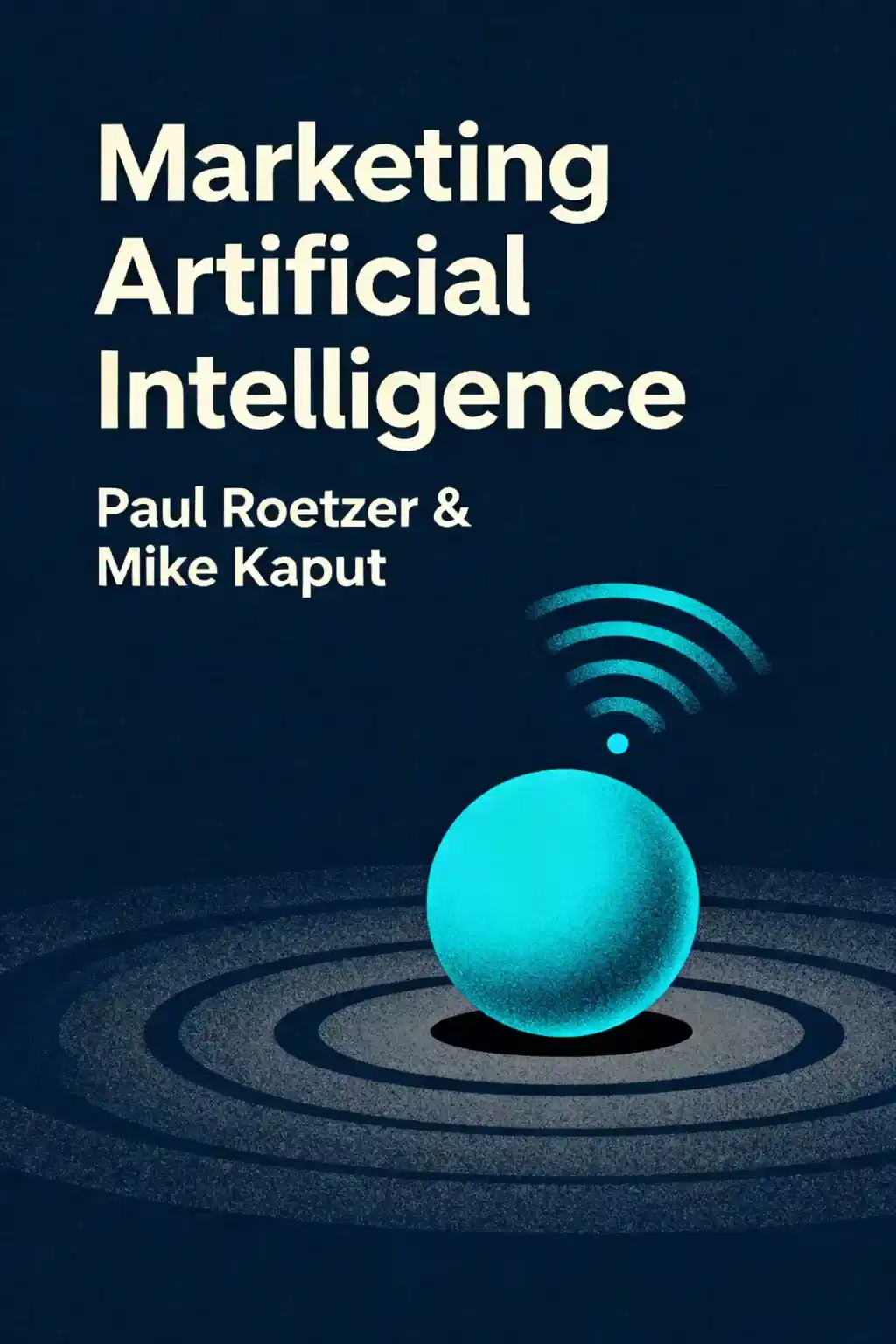
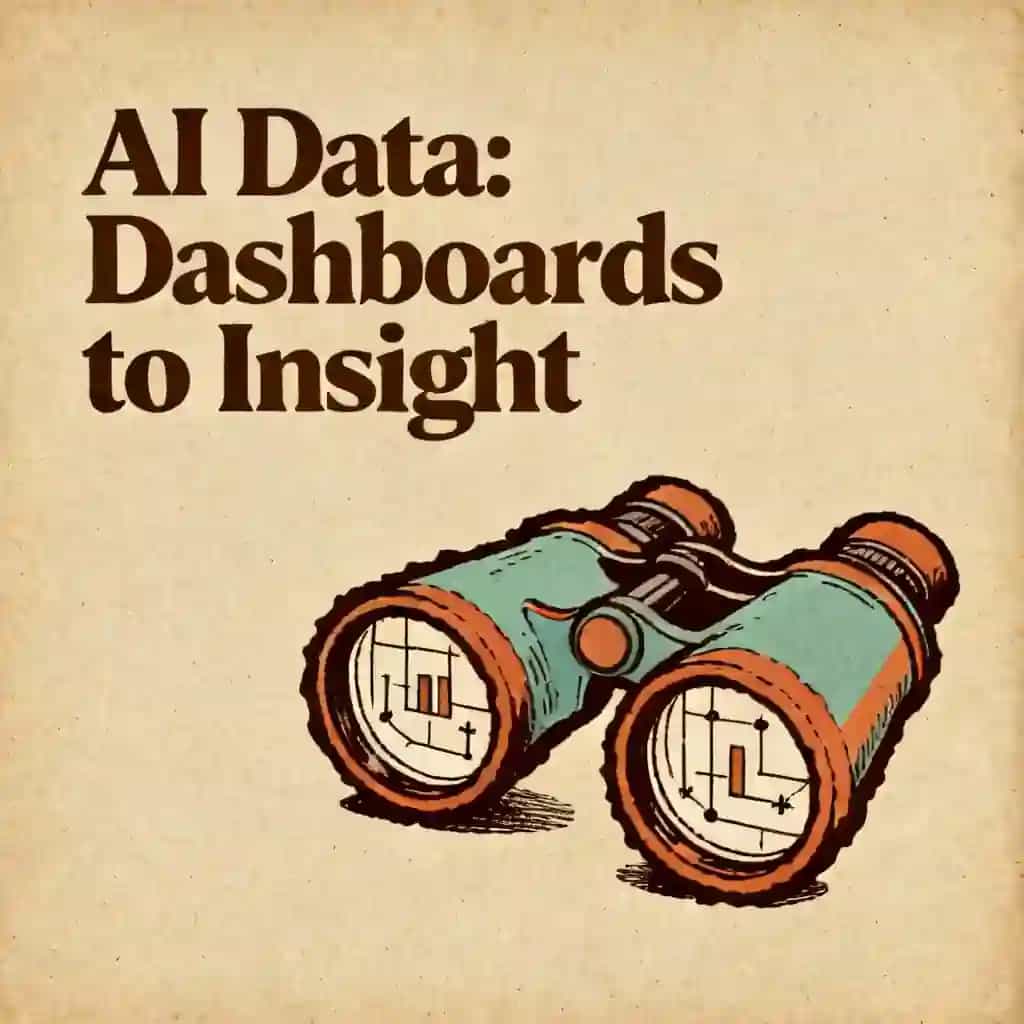
AI-Driven Predictive Analytics for Business Growth and Trends
Learn how AI-driven predictive analytics help power users forecast trends, identify patterns, and make data-driven decisions to accelerate business growth.

Лучшая цитата из AI-Driven Predictive Analytics for Business Growth and Trends
The goal isn't just to see the future—it's to have the future already handled by the time it gets here. It’s the difference between a static report and a digital crystal ball that updates every few minutes based on live data.

Этот аудиоурок был создан участником сообщества BeFreed
Utilizing AI-driven predictive analytics to forecast trends, identify patterns, and make data-driven decisions, empowering power users to drive business growth

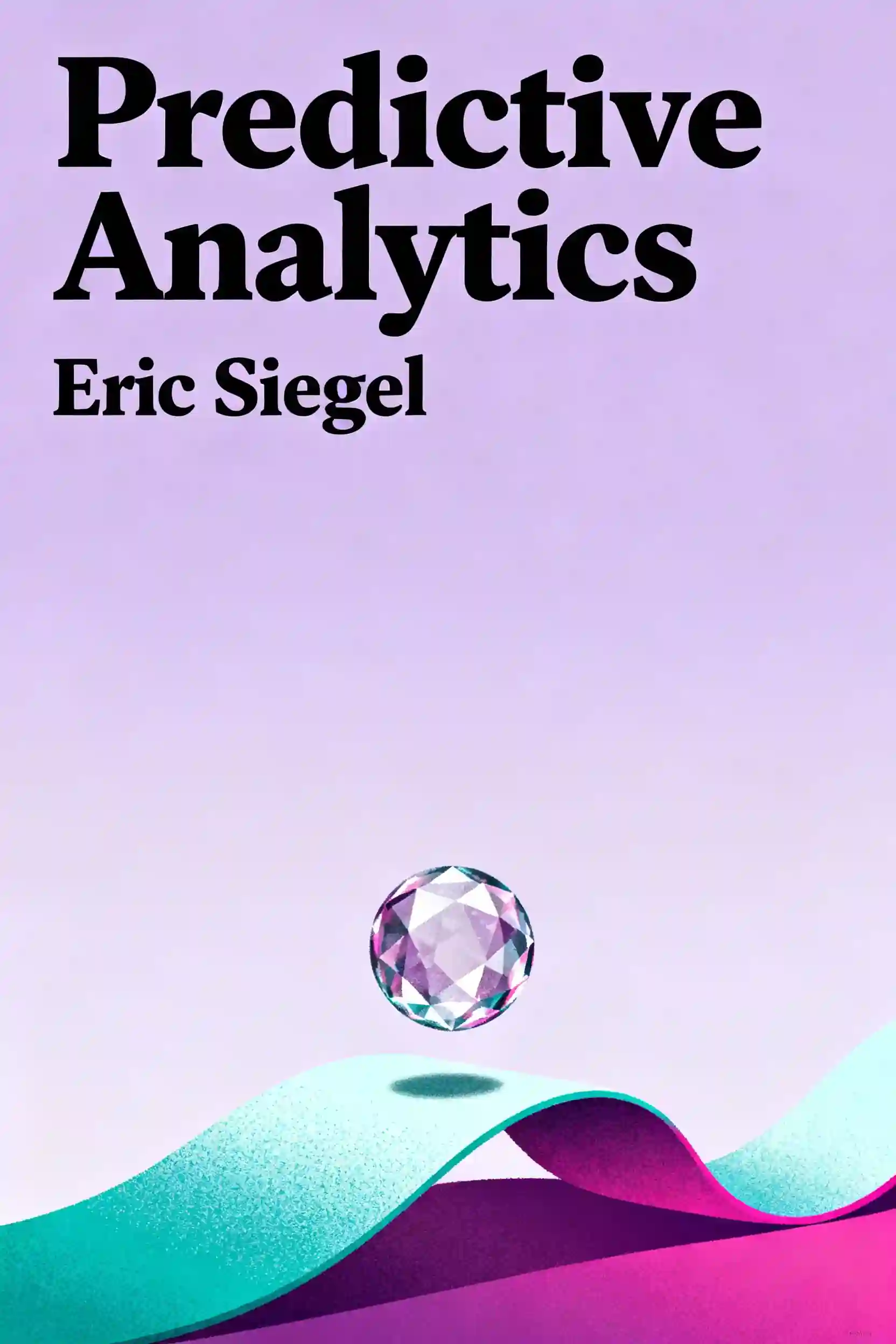
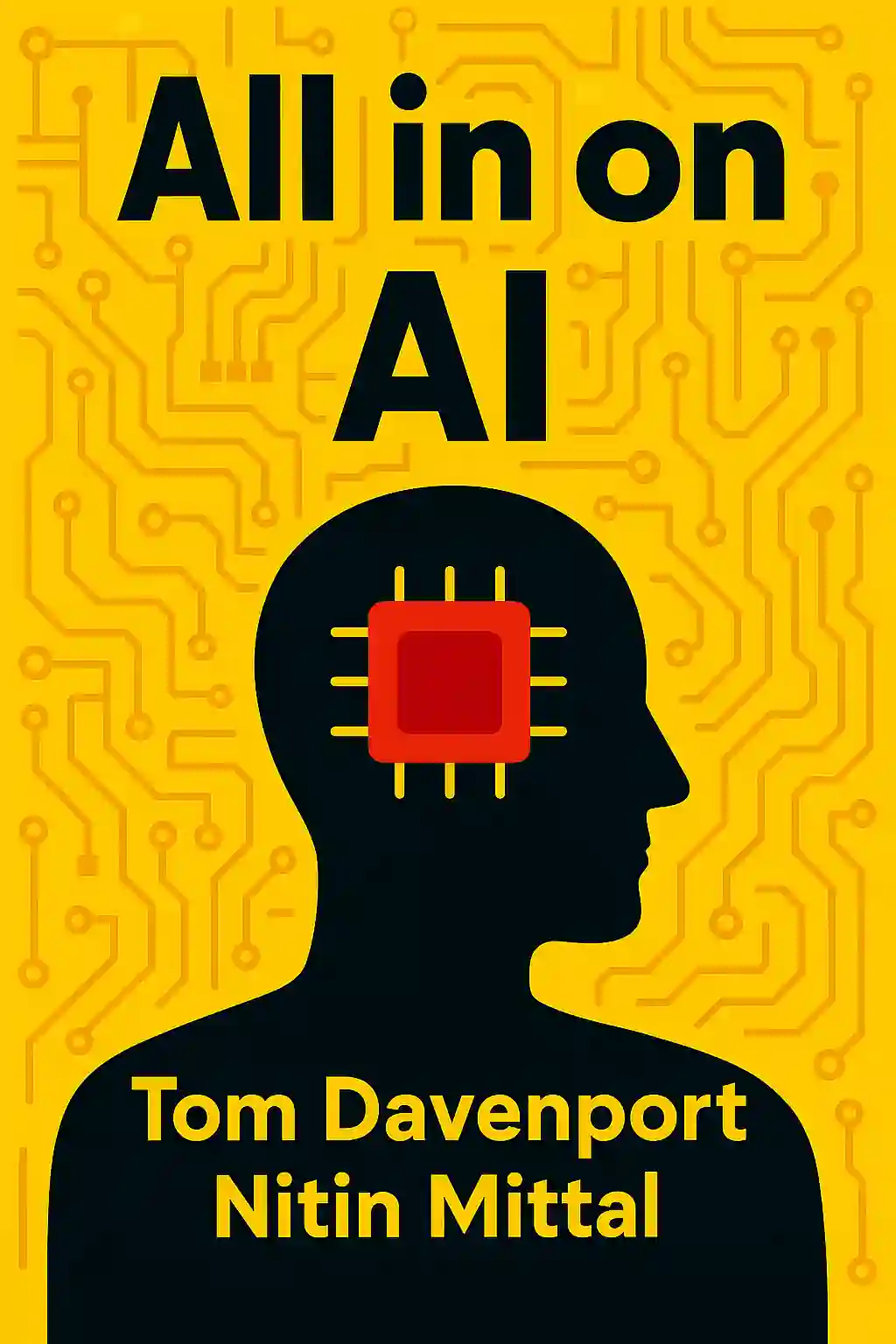
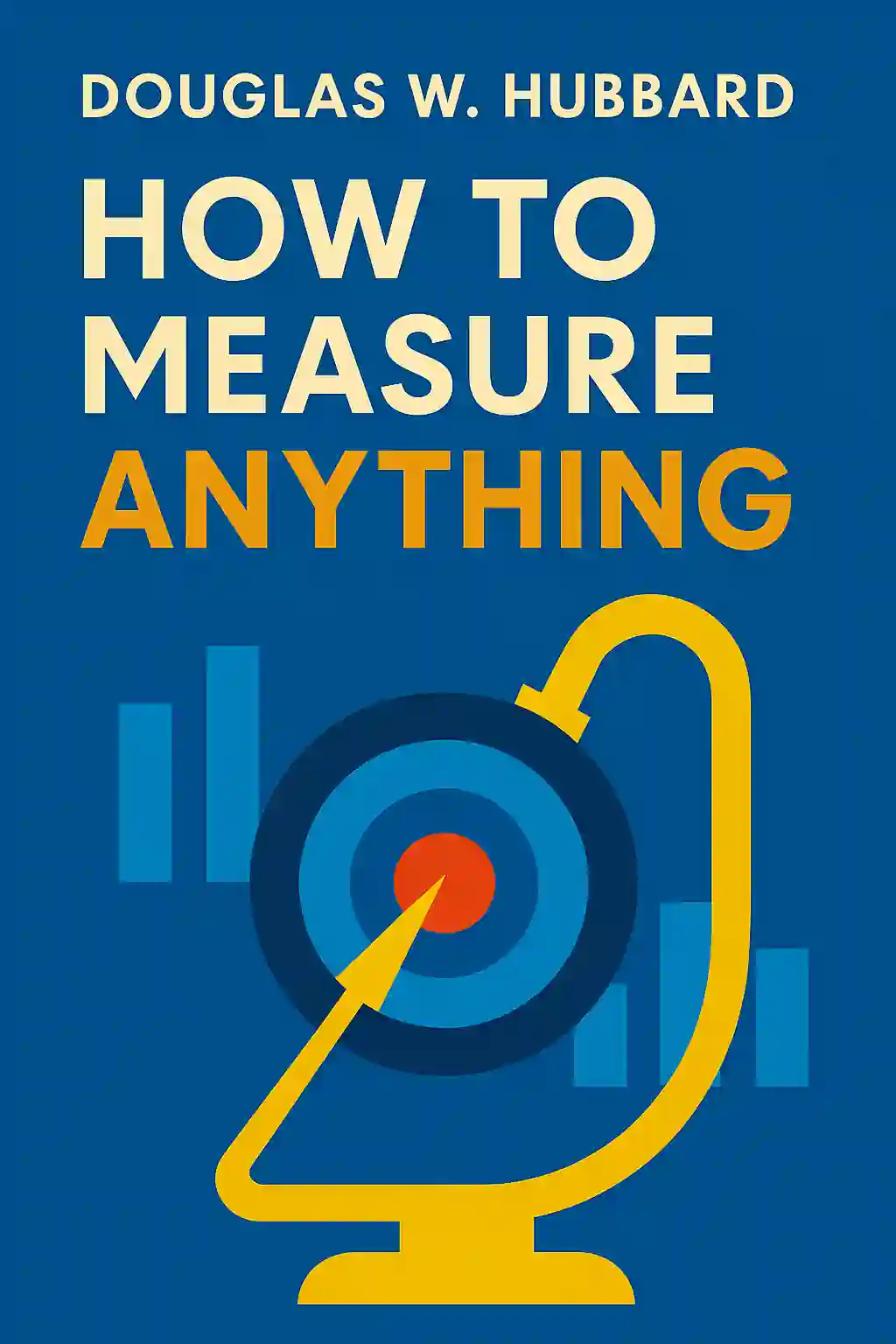
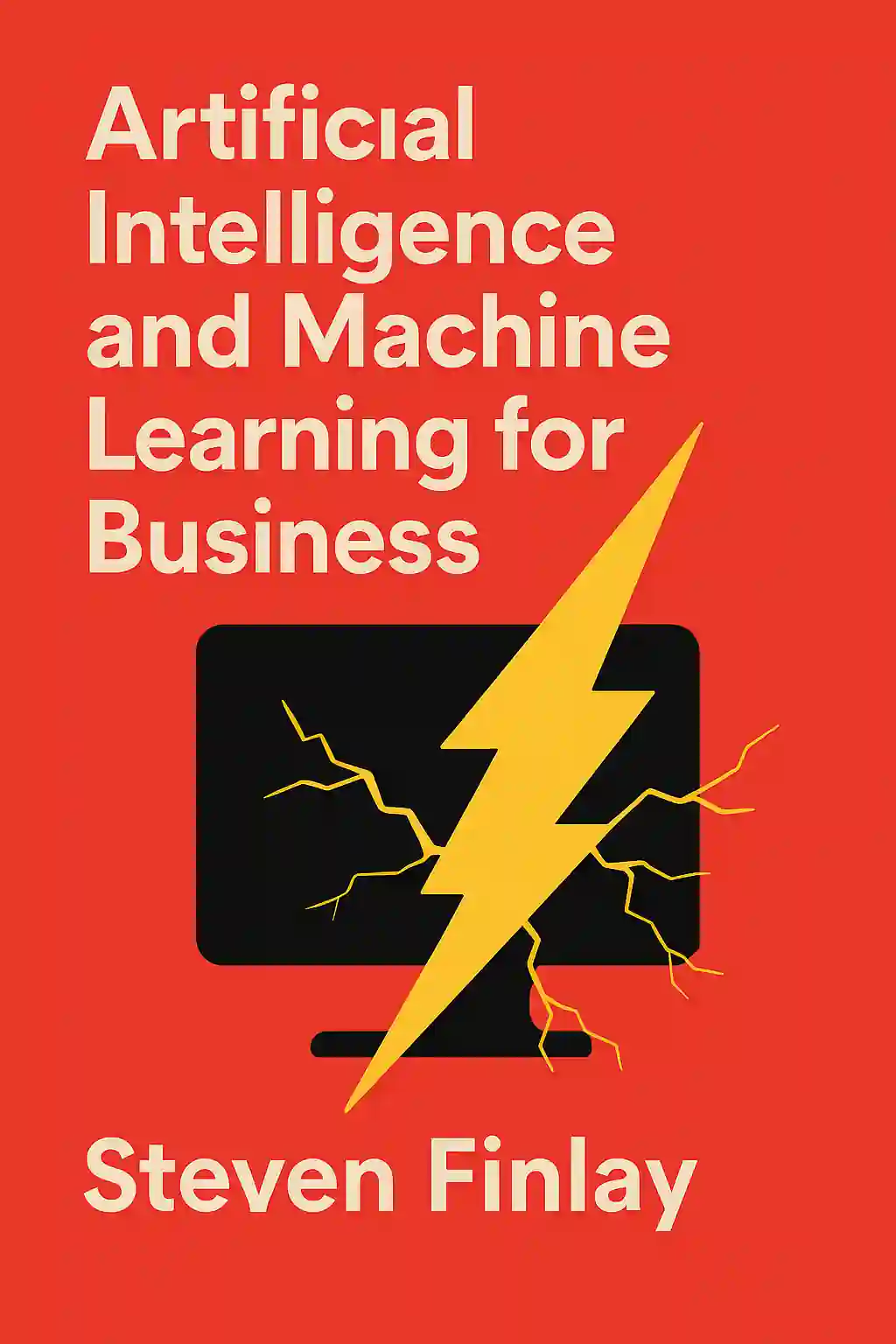
Часто задаваемые вопросы
Узнать больше

AI for daily sales success
AI for daily sales success
This learning plan is essential for sales professionals who want to stay competitive in an AI-transformed marketplace. Whether you're a sales rep looking to boost productivity, a sales manager building scalable processes, or an entrepreneur seeking predictable revenue growth, mastering AI-powered sales tools is no longer optional—it's critical for success in modern selling.

Track AI tech & market trends
Track AI tech & market trends
AI is rapidly transforming every industry, making it essential for professionals to separate substance from hype and understand both current capabilities and future directions. This learning plan is ideal for business leaders, technologists, strategists, and professionals who need to make informed decisions about AI adoption, investment, or integration in their work. Whether you're evaluating AI tools, advising on strategy, or simply staying relevant in a tech-driven world, tracking AI trends is now a critical professional competency.

Latest AI application trend
Latest AI application trend
As AI evolves from simple automation to autonomous agency, staying updated on these trends is critical for strategic leadership. This plan is ideal for professionals and entrepreneurs looking to leverage generative technologies and agentic architectures for a competitive edge.
Learn AI tools for marketing & account mgmt
Learn AI tools for marketing & account mgmt
As AI reshapes the digital landscape, marketing and account managers must evolve from manual execution to strategic automation. This plan is designed for professionals looking to master AI-driven growth systems and CRM optimization to scale business operations effectively.

AI Leadership, Coaching & Productivity
AI Leadership, Coaching & Productivity
As AI redefines the modern workplace, leaders must balance technological proficiency with human-centric coaching. This plan is designed for managers and executives who want to leverage automation to boost productivity while fostering a culture of continuous individual growth.

Build a Profitable AI Business from Home
Build a Profitable AI Business from Home
This learning plan provides a comprehensive roadmap for entrepreneurs looking to capitalize on the artificial intelligence revolution from a remote setting. It bridges the gap between technical AI potential and practical business monetization for those seeking financial independence.

Ai business
Ai business
This learning plan is essential for business leaders, entrepreneurs, and professionals who need to understand and leverage AI's transformative potential in today's rapidly evolving marketplace. It bridges the gap between technical AI concepts and practical business strategy, making it ideal for executives, product managers, and innovators who want to drive AI adoption without requiring deep technical expertise. Whether you're leading digital transformation in an established organization or launching an AI-powered startup, this comprehensive program provides the strategic frameworks and practical insights needed to succeed.
AI: Use, Implement, and Monetize
AI: Use, Implement, and Monetize
This comprehensive path bridges the gap between technical AI development and commercial execution. It is ideal for developers, entrepreneurs, and strategists who want to not only build sophisticated AI systems but also successfully bring them to market.
Создано выпускниками Колумбийского университета в Сан-Франциско
"Instead of endless scrolling, I just hit play on BeFreed. It saves me so much time."


"I never knew where to start with nonfiction—BeFreed’s book lists turned into podcasts gave me a clear path."


"Perfect balance between learning and entertainment. Finished ‘Thinking, Fast and Slow’ on my commute this week."
"Crazy how much I learned while walking the dog. BeFreed = small habits → big gains."
"Reading used to feel like a chore. Now it’s just part of my lifestyle."

"Feels effortless compared to reading. I’ve finished 6 books this month already."
"BeFreed turned my guilty doomscrolling into something that feels productive and inspiring."

"BeFreed turned my commute into learning time. 20-min podcasts are perfect for finishing books I never had time for."
"BeFreed replaced my podcast queue. Imagine Spotify for books — that’s it. 🙌"

"It is great for me to learn something from the book without reading it."
"The themed book list podcasts help me connect ideas across authors—like a guided audio journey."
"Makes me feel smarter every time before going to work"
Создано выпускниками Колумбийского университета в Сан-Франциско
"Instead of endless scrolling, I just hit play on BeFreed. It saves me so much time."
"I never knew where to start with nonfiction—BeFreed’s book lists turned into podcasts gave me a clear path."
"Perfect balance between learning and entertainment. Finished ‘Thinking, Fast and Slow’ on my commute this week."
"Crazy how much I learned while walking the dog. BeFreed = small habits → big gains."
"Reading used to feel like a chore. Now it’s just part of my lifestyle."
"Feels effortless compared to reading. I’ve finished 6 books this month already."
"BeFreed turned my guilty doomscrolling into something that feels productive and inspiring."
"BeFreed turned my commute into learning time. 20-min podcasts are perfect for finishing books I never had time for."
"BeFreed replaced my podcast queue. Imagine Spotify for books — that’s it. 🙌"
"It is great for me to learn something from the book without reading it."
"The themed book list podcasts help me connect ideas across authors—like a guided audio journey."
"Makes me feel smarter every time before going to work"
"Instead of endless scrolling, I just hit play on BeFreed. It saves me so much time."
"I never knew where to start with nonfiction—BeFreed’s book lists turned into podcasts gave me a clear path."
"Perfect balance between learning and entertainment. Finished ‘Thinking, Fast and Slow’ on my commute this week."
"Crazy how much I learned while walking the dog. BeFreed = small habits → big gains."
"Reading used to feel like a chore. Now it’s just part of my lifestyle."
"Feels effortless compared to reading. I’ve finished 6 books this month already."
"BeFreed turned my guilty doomscrolling into something that feels productive and inspiring."
"BeFreed turned my commute into learning time. 20-min podcasts are perfect for finishing books I never had time for."
"BeFreed replaced my podcast queue. Imagine Spotify for books — that’s it. 🙌"
"It is great for me to learn something from the book without reading it."
"The themed book list podcasts help me connect ideas across authors—like a guided audio journey."
"Makes me feel smarter every time before going to work"
"Instead of endless scrolling, I just hit play on BeFreed. It saves me so much time."
"I never knew where to start with nonfiction—BeFreed’s book lists turned into podcasts gave me a clear path."
"Perfect balance between learning and entertainment. Finished ‘Thinking, Fast and Slow’ on my commute this week."
"Crazy how much I learned while walking the dog. BeFreed = small habits → big gains."
"Reading used to feel like a chore. Now it’s just part of my lifestyle."
"Feels effortless compared to reading. I’ve finished 6 books this month already."
"BeFreed turned my guilty doomscrolling into something that feels productive and inspiring."
"BeFreed turned my commute into learning time. 20-min podcasts are perfect for finishing books I never had time for."
"BeFreed replaced my podcast queue. Imagine Spotify for books — that’s it. 🙌"
"It is great for me to learn something from the book without reading it."
"The themed book list podcasts help me connect ideas across authors—like a guided audio journey."
"Makes me feel smarter every time before going to work"