Обзор книги Ukraine crisis
Andrew Wilson's "Ukraine Crisis" delivers the definitive account of Russia's propaganda war, praised by policy experts as essential counterpropaganda. How did Putin's strategic maneuvers in Crimea reshape global politics? Discussed in elite policy forums, it's the key to understanding today's geopolitical chess game.
- Ukraine’s geographic duality fuels Russia-West power struggles over energy and sovereignty
- Post-Soviet oligarchic networks enabled Russian political manipulation in Ukrainian governance
- Minsk II negotiations exposed Putin’s strategy to block NATO expansion through frozen conflicts
- Gas dependency lets Russia weaponize energy pricing for economic coercion against Kyiv
- Maidan protests revealed generational clash between Soviet-nostalgic east and EU-aspiring west Ukraine
- Crimea annexation demonstrated Putin’s blueprint for hybrid warfare and territorial revisionism
- Donbas conflict became laboratory for Russia’s disinformation and paramilitary proxy tactics
- Western sanctions failed to deter Kremlin due to Europe’s lingering energy interdependence
- Ukrainian national identity consolidated paradoxically through Russian military aggression
- Wilson debunks “ancient civilizational split” myth behind Ukraine’s regional divisions
- EU’s technocratic reform demands clashed with Ukraine’s post-revolutionary institution-building challenges
- Belarus emerges as strategic pressure point in Putin’s broader anti-NATO buffer-zone strategy
Об авторе книги Ukraine crisis
Andrew Wilson, award-winning biographer, novelist, and journalist, brings his expertise in geopolitical analysis and international conflict reporting to Ukraine Crisis. A veteran foreign correspondent who covered pivotal events in Moscow, Washington DC, and conflict zones for Sky News, Wilson combines firsthand experience with incisive historical context in this exploration of contemporary tensions. His acclaimed nonfiction works, including the Edgar Award-winning Beautiful Shadow: A Life of Patricia Highsmith and Shadow of the Titanic, demonstrate his signature blend of rigorous research and narrative flair.
Wilson’s crime fiction series featuring Agatha Christie—A Talent for Murder, A Different Kind of Evil, and Death in a Desert Land—has been praised for its intricate plotting and psychological depth. A frequent contributor to The Guardian, The Observer, and international publications, he bridges investigative journalism with literary craftsmanship.
Beautiful Shadow, shortlisted for the Whitbread Biography Prize and translated into 12 languages, remains a benchmark in modern biographical writing. Wilson’s work continues to shape discussions on power, identity, and resilience in times of upheaval.
Часто задаваемые вопросы о Ukraine crisis
What is Ukraine Crisis: What It Means for the West about?
Andrew Wilson’s Ukraine Crisis analyzes the 2014 Ukrainian Revolution, Russia’s annexation of Crimea, and the geopolitical tensions between Ukraine, Russia, and the West. Combining firsthand accounts of the Maidan protests with a deep dive into Vladimir Putin’s expansionist strategies, the book explores how Western diplomatic missteps and Russian soft power fueled the conflict. It serves as both a historical record and a warning about unresolved regional instability.
Who should read Ukraine Crisis: What It Means for the West?
This book is essential for students of Eastern European politics, policymakers, and journalists seeking to understand Russia’s post-Soviet ambitions. Wilson’s blend of academic rigor and narrative storytelling also appeals to general readers interested in modern geopolitics, particularly those tracking the roots of ongoing Russia-Ukraine tensions.
Is Ukraine Crisis: What It Means for the West worth reading?
Yes. Critics praise Wilson’s ability to contextualize complex events, calling it a “landmark in literature” for its vivid, on-the-ground reporting and predictive insights into Russia’s long-term strategies. The book remains relevant for understanding current conflicts, offering a framework to interpret Moscow’s actions beyond Ukraine.
What are the main arguments in Ukraine Crisis: What It Means for the West?
Wilson argues that the 2014 crisis stemmed from Ukraine’s internal corruption, Russia’s calculated destabilization efforts, and Western diplomatic negligence. Key themes include Putin’s misuse of “shared space” rhetoric to justify aggression and the failure of EU/U.S. policies to counter Russian hybrid warfare tactics.
How does Andrew Wilson explain Russia’s annexation of Crimea?
Wilson describes Crimea’s annexation as a “real coup,” orchestrated through covert Russian military operations and propaganda. He highlights the marginalization of Crimean Tatars and Moscow’s exploitation of regional divides to legitimize the takeover.
What role does Vladimir Putin play in the book?
Putin is portrayed as a strategic opportunist, using Ukraine as a battleground to rebuild Russian influence. Wilson critiques the West for underestimating Putin’s ambitions, detailing how he weaponized energy deals, media narratives, and proxy forces to weaken Kyiv.
How does Ukraine Crisis critique Western foreign policy?
The book blames Western governments for overestimating post-Cold War cooperation with Russia and failing to address Kyiv’s vulnerabilities. Wilson highlights missed opportunities to support Ukrainian reforms and counter Putin’s destabilization campaigns earlier.
What key quotes define Ukraine Crisis: What It Means for the West?
- “The quicker you let go of old cheese, the sooner you find new cheese.” A metaphor for Ukraine’s struggle to break from Soviet-era dependencies.
- “Russia’s ‘soft power’ was neither soft nor about persuasion.” Summarizes Putin’s coercive tactics to maintain regional control.
How does Ukraine Crisis compare to Andrew Wilson’s other works?
Unlike The Ukrainians: Unexpected Nation (a broader history), this book focuses on the 2014 crisis as a turning point. It shares themes with Virtual Politics, exposing how authoritarian regimes manipulate democracies, but adds urgent geopolitical analysis.
What criticisms exist about Ukraine Crisis: What It Means for the West?
Some scholars note limited scrutiny of Ukrainian oligarchs’ roles and reliance on anonymous sources during fast-moving events. However, most agree it remains the definitive English-language account of the crisis.
Why is Ukraine Crisis relevant in 2025?
The book’s analysis of Russian hybrid warfare and Western policy gaps remains critical amid ongoing Ukraine-Russia conflicts. Wilson’s warnings about Putin’s ambitions for Moldova, Georgia, and Belarus resonate with recent regional tensions.
What frameworks does Wilson use to explain the Ukraine conflict?
Wilson employs a “hybrid war” lens, detailing Russia’s mix of military, economic, and disinformation tactics. He also uses historical parallels to 19th-century imperialism to frame Putin’s actions.
How does the book address the Maidan protests?
It portrays the Maidan uprising as a grassroots rejection of corruption, sparked by Yanukovych’s rejections of EU deals. Wilson emphasizes protesters’ diversity and their symbolic clash with police as a “Gettysburg on the Maidan”.
Почувствуйте книгу через голос автора
Превратите знания в увлекательные, богатые примерами идеи
Захватите ключевые идеи мгновенно для быстрого обучения
Наслаждайтесь книгой в весёлой и увлекательной форме
Персонажи в Ukraine crisis
- Andrew WilsonAuthor and expert on Ukrainian and Russian politics
- Vladislav SurkovKremlin puppet-master and political technologist
- Gleb PavlovskyPolitical technologist and former Kremlin advisor
- Robert CooperDiplomat and author of The Post-Modern State
Ключевые темы в Ukraine crisis
- russian disinformation
- post-soviet security
- hybrid warfare
- imperial expansionism
- european energy dependency
Цитаты из Ukraine crisis
Russia adopted a distorted version of capitalism and an ultra-cynical worldview.
Putin's presidency was as much about building myths as institutions.
"The vertical of power never existed; it was only ever a vertical of loyalty."
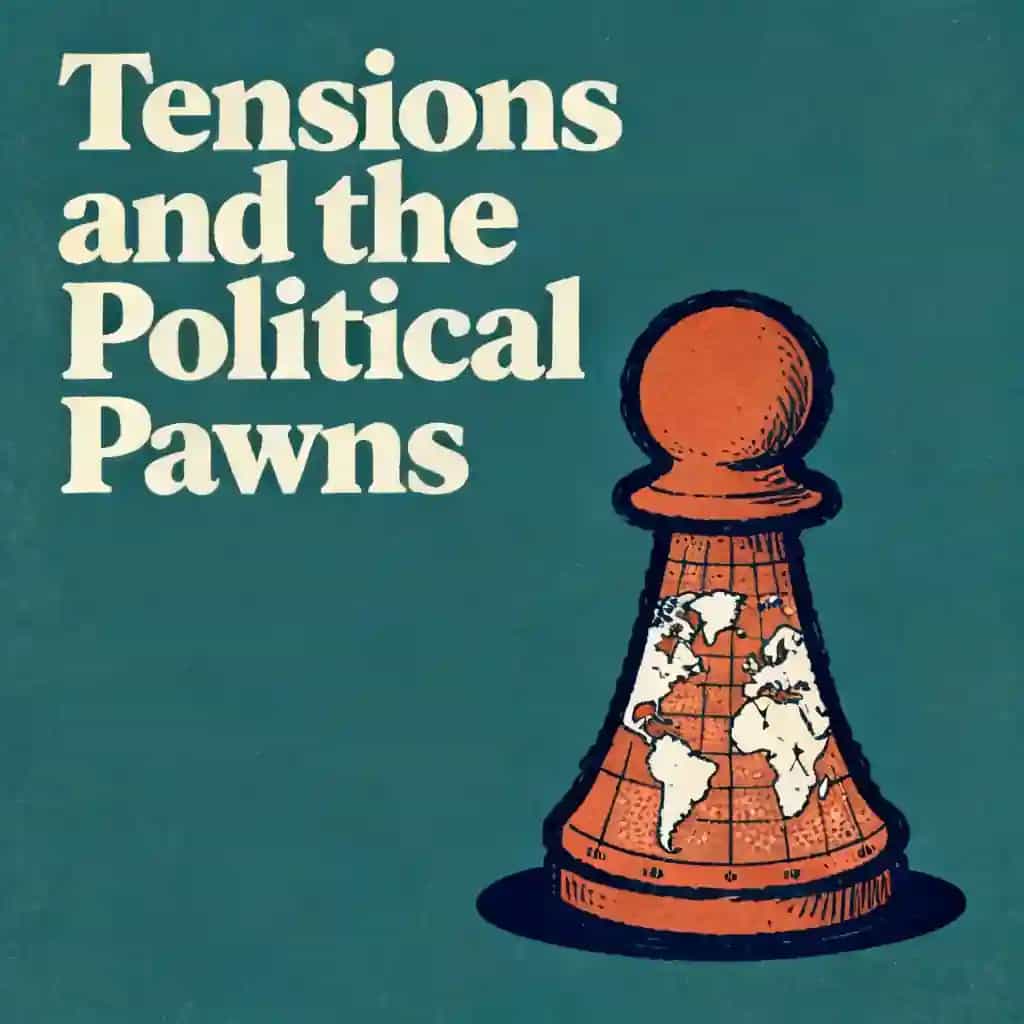
Russian geopolitics views the world as a chessboard of neutral ciphers.
The current conflict with the West involves a "post-modern dictatorship".
Исследуйте Свой Способ Обучения
 Режим Краткое резюме
Прочитайте или прослушайте краткое содержание Ukraine crisis за 10 минут
Разбейте ключевые идеи Ukraine crisis на понятные тезисы, чтобы понять, как инновационные команды создают, сотрудничают и растут.

 Режим Развлекательно
Уроки из Ukraine crisis в 26-минутных историях
Погрузитесь в Ukraine crisis через яркие истории, превращающие уроки инноваций в запоминающиеся и применимые моменты.
 Режим Персонализация
Изучайте Ukraine crisis в своем собственном стиле обучения
Задавайте любые вопросы, выбирайте свой стиль обучения и создавайте идеи, которые действительно вам подходят.

Создано выпускниками Колумбийского университета в Сан-Франциско
"Instead of endless scrolling, I just hit play on BeFreed. It saves me so much time."


"I never knew where to start with nonfiction—BeFreed’s book lists turned into podcasts gave me a clear path."


"Perfect balance between learning and entertainment. Finished ‘Thinking, Fast and Slow’ on my commute this week."
"Crazy how much I learned while walking the dog. BeFreed = small habits → big gains."
"Reading used to feel like a chore. Now it’s just part of my lifestyle."

"Feels effortless compared to reading. I’ve finished 6 books this month already."
"BeFreed turned my guilty doomscrolling into something that feels productive and inspiring."

"BeFreed turned my commute into learning time. 20-min podcasts are perfect for finishing books I never had time for."
"BeFreed replaced my podcast queue. Imagine Spotify for books — that’s it. 🙌"

"It is great for me to learn something from the book without reading it."
"The themed book list podcasts help me connect ideas across authors—like a guided audio journey."
"Makes me feel smarter every time before going to work"
Создано выпускниками Колумбийского университета в Сан-Франциско
"Instead of endless scrolling, I just hit play on BeFreed. It saves me so much time."
"I never knew where to start with nonfiction—BeFreed’s book lists turned into podcasts gave me a clear path."
"Perfect balance between learning and entertainment. Finished ‘Thinking, Fast and Slow’ on my commute this week."
"Crazy how much I learned while walking the dog. BeFreed = small habits → big gains."
"Reading used to feel like a chore. Now it’s just part of my lifestyle."
"Feels effortless compared to reading. I’ve finished 6 books this month already."
"BeFreed turned my guilty doomscrolling into something that feels productive and inspiring."
"BeFreed turned my commute into learning time. 20-min podcasts are perfect for finishing books I never had time for."
"BeFreed replaced my podcast queue. Imagine Spotify for books — that’s it. 🙌"
"It is great for me to learn something from the book without reading it."
"The themed book list podcasts help me connect ideas across authors—like a guided audio journey."
"Makes me feel smarter every time before going to work"
"Instead of endless scrolling, I just hit play on BeFreed. It saves me so much time."
"I never knew where to start with nonfiction—BeFreed’s book lists turned into podcasts gave me a clear path."
"Perfect balance between learning and entertainment. Finished ‘Thinking, Fast and Slow’ on my commute this week."
"Crazy how much I learned while walking the dog. BeFreed = small habits → big gains."
"Reading used to feel like a chore. Now it’s just part of my lifestyle."
"Feels effortless compared to reading. I’ve finished 6 books this month already."
"BeFreed turned my guilty doomscrolling into something that feels productive and inspiring."
"BeFreed turned my commute into learning time. 20-min podcasts are perfect for finishing books I never had time for."
"BeFreed replaced my podcast queue. Imagine Spotify for books — that’s it. 🙌"
"It is great for me to learn something from the book without reading it."
"The themed book list podcasts help me connect ideas across authors—like a guided audio journey."
"Makes me feel smarter every time before going to work"
"Instead of endless scrolling, I just hit play on BeFreed. It saves me so much time."
"I never knew where to start with nonfiction—BeFreed’s book lists turned into podcasts gave me a clear path."
"Perfect balance between learning and entertainment. Finished ‘Thinking, Fast and Slow’ on my commute this week."
"Crazy how much I learned while walking the dog. BeFreed = small habits → big gains."
"Reading used to feel like a chore. Now it’s just part of my lifestyle."
"Feels effortless compared to reading. I’ve finished 6 books this month already."
"BeFreed turned my guilty doomscrolling into something that feels productive and inspiring."
"BeFreed turned my commute into learning time. 20-min podcasts are perfect for finishing books I never had time for."
"BeFreed replaced my podcast queue. Imagine Spotify for books — that’s it. 🙌"
"It is great for me to learn something from the book without reading it."
"The themed book list podcasts help me connect ideas across authors—like a guided audio journey."
"Makes me feel smarter every time before going to work"

Скачать резюме книги «Ukraine crisis»
Получите резюме книги «Ukraine crisis» в формате PDF или EPUB бесплатно. Распечатайте или читайте офлайн в любое время.