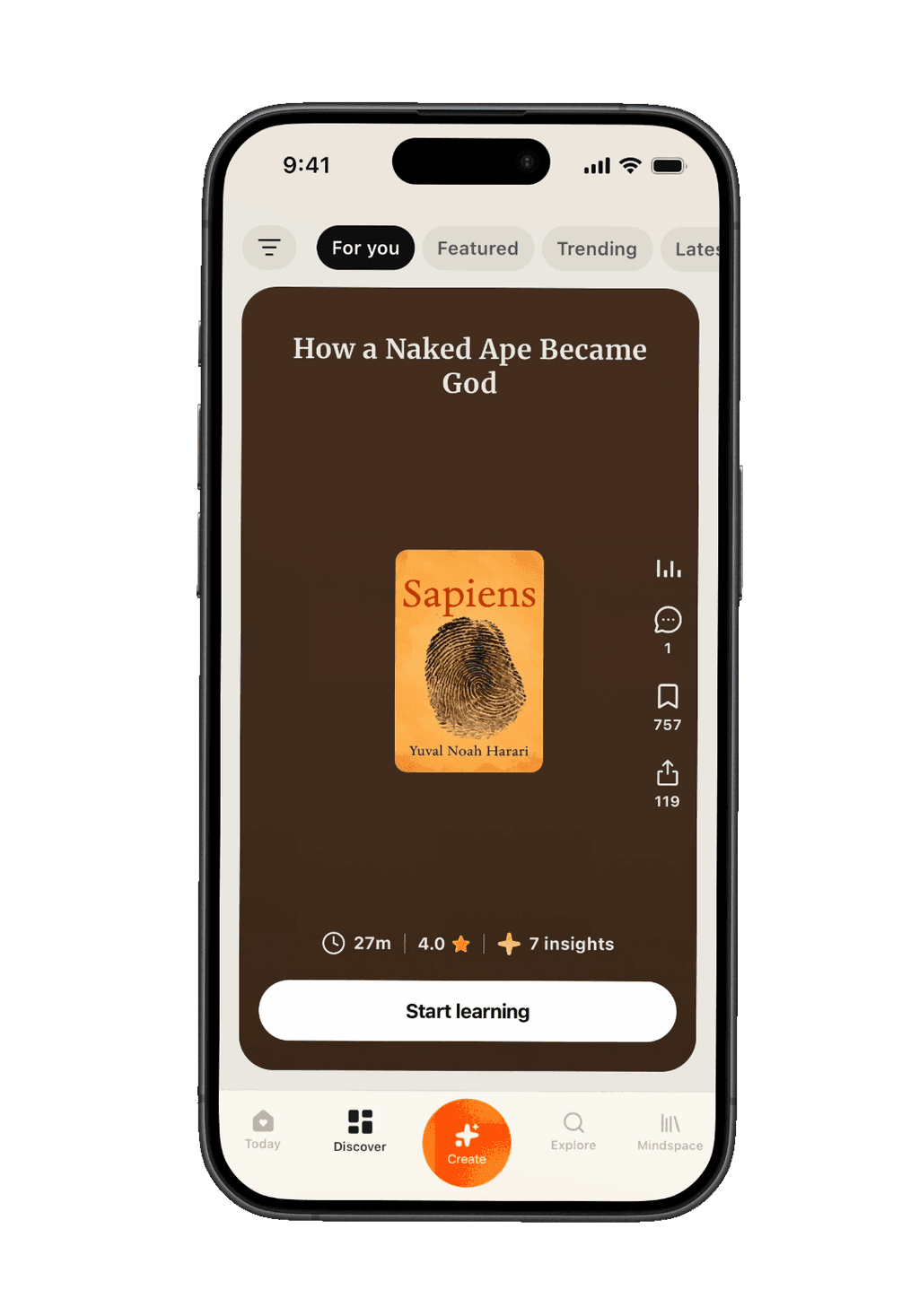
In "Top of Mind," marketing visionary John Hall reveals how staying relevant transforms business relationships. Forbes-endorsed as a "MUST-READ," this guide has revolutionized content marketing strategy. What's the one technique that made Hall's company rank #72 on Forbes' Most Promising Companies list?
John J. Hall is the acclaimed author of Top of Mind and a seasoned expert in business strategy and organizational leadership. A Certified Public Accountant with over 40 years of experience, Hall founded Hall Consulting, Inc., where he has delivered 3,000+ training sessions and advised Fortune 500 companies on operational excellence. His book merges practical insights from decades of consulting with proven methodologies for cultivating market leadership.
Hall’s expertise extends to his roles at international firms like O’Melveny & Myers and Southern California Edison, where he shaped corporate governance frameworks. A member of the National Speakers Association and the American Institute of CPAs, he frequently contributes to industry publications and conferences. His earlier work on risk assessment models has been adopted by leading business schools for executive education programs.
Top of Mind builds on Hall’s legacy of translating complex strategies into actionable systems. His proven frameworks are utilized by executives and organizations worldwide to drive measurable results.
Top of Mind by John Hall is a guide to building lasting professional and personal relationships through trust-driven content marketing. It outlines strategies for staying memorable to audiences by prioritizing helpfulness, transparency, and consistent value delivery. The book emphasizes leveraging content to humanize brands, nurture influencer partnerships, and drive organic opportunities.
Marketing leaders, sales executives, HR directors, and entrepreneurs aiming to strengthen brand influence will benefit most. It’s also relevant for professionals seeking to build thought leadership or improve client retention through authentic relationship-building.
Yes, particularly for those in customer-facing or branding roles. Hall’s actionable frameworks, like the IDEA method (Inform, Discuss, Empower, Act), provide clear steps for creating trust-based content. Critics praise its blend of practical advice and real-world examples, though some note its focus on B2B contexts.
The IDEA framework—Inform, Discuss, Empower, Act—guides readers in crafting content that educates audiences, sparks dialogue, empowers decision-making, and drives action. Hall argues this approach builds credibility while keeping brands central to customers’ needs.
By prioritizing audience needs over sales pitches. Hall advises creating educational blogs, whitepapers, and social media posts that solve problems without overt self-promotion. For example, a construction company might publish safety guides instead of service ads.
These emphasize aligning messaging with audience pain points rather than generic outreach.
It advocates for “human-first” storytelling in B2B contexts, such as sharing behind-the-scenes team profiles or client success narratives. Hall highlights Salesforce’s Trailhead platform as a model for mixing education with brand visibility.
Some reviewers note the strategies require significant time investment for content creation and relationship nurturing. Others suggest the book leans heavily on Hall’s own agency (Influence & Co.) as case studies, which may limit perspective.
Hall recommends professionals share expertise through LinkedIn articles, industry webinars, or mentorship content. A sales director might write about negotiation techniques, positioning themselves as a go-to resource for peers.
Both emphasize customer-centric content, but Top of Mind adds a stronger focus on long-term relationship-building through non-transactional interactions. Hall’s work also integrates personal branding strategies more deeply.
With AI-driven marketing on the rise, Hall’s emphasis on human connection and trust provides a counterbalance to automated outreach. The book’s principles align with growing consumer demand for authenticity in digital communications.
For deeper SEO tactics, pair with Everybody Writes by Ann Handley. For crisis-era trust-building, combine with Trust Me, I’m Lying by Ryan Holiday. Hall’s focus remains unique in merging content strategy with relational psychology.
Почувствуйте книгу через голос автора
Превратите знания в увлекательные, богатые примерами идеи
Захватите ключевые идеи мгновенно для быстрого обучения
Наслаждайтесь книгой в весёлой и увлекательной форме
Credibility is the new currency.
Trust plus consistency equals opportunity.
You cannot trust what doesn't feel real.
Education is the most important trust point because knowledge is power.
Разбейте ключевые идеи Top of Mind на понятные тезисы, чтобы понять, как инновационные команды создают, сотрудничают и растут.
Погрузитесь в Top of Mind через яркие истории, превращающие уроки инноваций в запоминающиеся и применимые моменты.
Задавайте любые вопросы, выбирайте свой стиль обучения и создавайте идеи, которые действительно вам подходят.

Создано выпускниками Колумбийского университета в Сан-Франциско
"Instead of endless scrolling, I just hit play on BeFreed. It saves me so much time."
"I never knew where to start with nonfiction—BeFreed’s book lists turned into podcasts gave me a clear path."
"Perfect balance between learning and entertainment. Finished ‘Thinking, Fast and Slow’ on my commute this week."
"Crazy how much I learned while walking the dog. BeFreed = small habits → big gains."
"Reading used to feel like a chore. Now it’s just part of my lifestyle."
"Feels effortless compared to reading. I’ve finished 6 books this month already."
"BeFreed turned my guilty doomscrolling into something that feels productive and inspiring."
"BeFreed turned my commute into learning time. 20-min podcasts are perfect for finishing books I never had time for."
"BeFreed replaced my podcast queue. Imagine Spotify for books — that’s it. 🙌"
"It is great for me to learn something from the book without reading it."
"The themed book list podcasts help me connect ideas across authors—like a guided audio journey."
"Makes me feel smarter every time before going to work"
Создано выпускниками Колумбийского университета в Сан-Франциско

Получите резюме книги «Top of Mind» в формате PDF или EPUB бесплатно. Распечатайте или читайте офлайн в любое время.
A CEO walks into a conference with business cards and a pitch, ready to network. Hours later, he leaves without a single meaningful connection. Everyone was polite, but no one remembered him. Meanwhile, across the room, someone else-less polished, less prepared-has three people asking for her advice and two invitations to coffee. What's the difference? It's not charisma or luck. It's something more fundamental: she's already top of mind, and he's invisible. In a world drowning in content, advertisements, and LinkedIn requests, being remembered isn't just an advantage-it's survival. The most successful people and brands don't chase opportunities; opportunities find them. They've cracked a code that has nothing to do with aggressive marketing and everything to do with authentic human connection. This isn't about manipulation or hacks. It's about understanding how trust forms, how memory works, and how to position yourself so that when someone needs what you offer, you're the first person they think of.
Remember 1990s salespeople with rehearsed scripts? The internet ended that. Today's consumers research products, read reviews, and decide before speaking to anyone. Two hundred million people now use ad blockers. Yet businesses keep shouting-just online now. Pop-up ads, autoplay videos, cold emails. Same "Me Marketing," different medium. What works is the opposite: shifting focus to your audience. Instead of "How do I sell this?" ask "How can I make your life better?" Google identified "micro-moments"-those tiny gaps when someone wonders something and reaches for their phone. Winning those moments means understanding what people need before they ask. Create content that educates, resources that solve problems, connections that feel human. Do this consistently, and something remarkable happens: people seek you out. They complete 70-90% of their research before contacting you, and by then, they already trust you.
Trust isn't a switch you flip-it's a campfire you build carefully over time with authenticity, helpfulness, and likability. Authenticity matters because people smell fake instantly. Social media has made privacy suspicious-we've grown wary of opaque leaders after scandals like Enron and Madoff. Pat Flynn of Smart Passive Income publishes monthly income statements and discusses personal challenges publicly. This radical transparency works: 83% of customers say honest practices determine trust. Personal branding isn't narcissism-it's survival, but only if it includes flaws. Likability matters more than we admit. You can't trust someone you don't like, regardless of competence. Likability buys forgiveness and keeps clients loyal despite cheaper options. Building it requires daily practice: spotlighting others, listening more than talking, putting devices away, giving without expecting return, admitting shortcomings. Familiarity seals the deal. Face-to-face conversations, genuine curiosity, meaningful questions-these transform you from outsider to insider. Layer in thought leadership, and you become indispensable.
Helpfulness doesn't require money or grand gestures. Most helpful actions take seconds: a quick email, a phone call, an introduction. End conversations with "How can I be helpful to you?" and mean it. The act itself-offering value without strings-creates bonds that endure. Share your knowledge generously. Whether industry insights, personal wisdom, or hard-won lessons, offering what you know enriches lives and saves time. Digital content makes this scalable-one article can create a "knowledge chain" that strengthens trust with every reader. Jeff Haden focuses on engaging his audience through honest, transparent sharing that presents you as a real person delivering tangible value. Connect people to what they value. Share idle resources-your developer for a weekend project, your office for an event, your season tickets. Make people aware of opportunities. A well-timed introduction can change someone's trajectory. Over 50% of people reciprocate within a year, but the real reward isn't transactional-it's the goodwill you generate. Offer transparent feedback, become a brand advocate for others, provide referrals actively, volunteer your time, recognize people publicly, give thoughtful gifts, and personalize every interaction so people feel seen as individuals, not leads. These aren't tactics-they're a way of being.
Consistency forms the foundation of thought leadership. Our brains hold about seven pieces of information for just 20 seconds. For information to stick, neurons must rearrange through consolidation-a process requiring time and repetition. Consistent exposure creates familiarity that makes you easier to recall. But consistency without quality backfires. The availability heuristic shows people form opinions based on easily recalled information, whether positive or negative. Regular engagement through speaking, communications, and content develops familiarity that breaks down trust barriers, enabling you to attract followers and become an authority-not as an end goal, but as a means to forge relationships. Rather than waiting for inspiration, establish creative rituals. Julia Cameron's "The Artist's Way" recommends morning pages-three pages of stream-of-consciousness writing daily-to nourish creativity and boost output. Regular writing makes the process progressively easier and more enjoyable. Consistency breeds consistency, but don't let routines become joyless. View thought leadership as a privilege to build compelling dialogue about your industry's most interesting aspects.
Content is the most scalable way to stay top of mind, broadcasting helpfulness and consistency at scale. While metrics matter, content's true purpose is building emotional connections that position you as a thought leader. Unlike advertising, content has an endless lifespan with compounding benefits. Creating consistent content alongside leadership responsibilities feels overwhelming, but it's achievable with the right strategy. Start with clear goals and a documented plan - without documentation, content initiatives get sidelined when challenges arise. Extract knowledge through "content triggers" - conversations that spark insights about your industry or clients' needs. Surround yourself with talented strategists, writers, and editors who translate your ideas into engaging content. Stop the excuses: "My industry is boring," "I'm a terrible writer," "I don't have time." The right creative process is whatever makes creation easy and fun. Exceptional content won't make you top of mind if no one reads it. Pitch to publications, follow guidelines, work through revisions. Once published, coordinate efforts across social media, PR, SEO, email, and your entire staff. Content must target each stage of the consumer journey. Early on, establish credibility through trusted third-party channels. During research, remain educational but slightly company-oriented. At decision-making, provide empirical evidence and comparison guides. The buyer's journey doesn't end after conversion. Content strengthens relationships with existing customers, boosting loyalty and engagement. Meaningful engagement matters more than surface metrics - measure completion rates, time spent, comments, shares, and citations.
Being top of mind isn't about clever tactics - it's about showing up consistently, adding value generously, and building trust authentically. It's shifting from "What can I get?" to "How can I help?" The CEO who couldn't connect at that conference learned to stop pitching and start listening. He created content that educated instead of promoted, building relationships instead of collecting contacts. Slowly, opportunities found him - not because he became louder, but because he became more human. The irony is beautiful: when you stop chasing networks and leads, when you focus on human connection instead, everything else falls into place. You become the person others think of first - not because you demanded attention, but because you earned trust. That's the real competitive advantage: being remembered not for what you sold, but for how you made people feel.