Глава 4
The Familiarity Effect: Why We Trust What We Know
Jackson: Here's another quirk: the more you see something, the more you like it-even if you're not aware of seeing it.
Nia: Like how songs "grow on you" after a few listens?
Jackson: Exactly! Robert Zajonc's research showed that mere exposure-even subliminal-boosts likability. It's why brands saturate you with logos and why that coworker you initially found annoying starts to feel trustworthy over time.
Nia: And I'm guessing marketers exploit this?
Jackson: Absolutely. Rory Sutherland, Vice-Chair of Ogilvy, calls this "psycho-logic"-incentives and signals that make emotional, if not rational, sense. On Modern Wisdom podcast, he explained how small "signaling tweaks" shift behavior far more than actual product features.
Nia: So if I'm trying to persuade someone, I should make my message familiar through consistent framing and repetition?
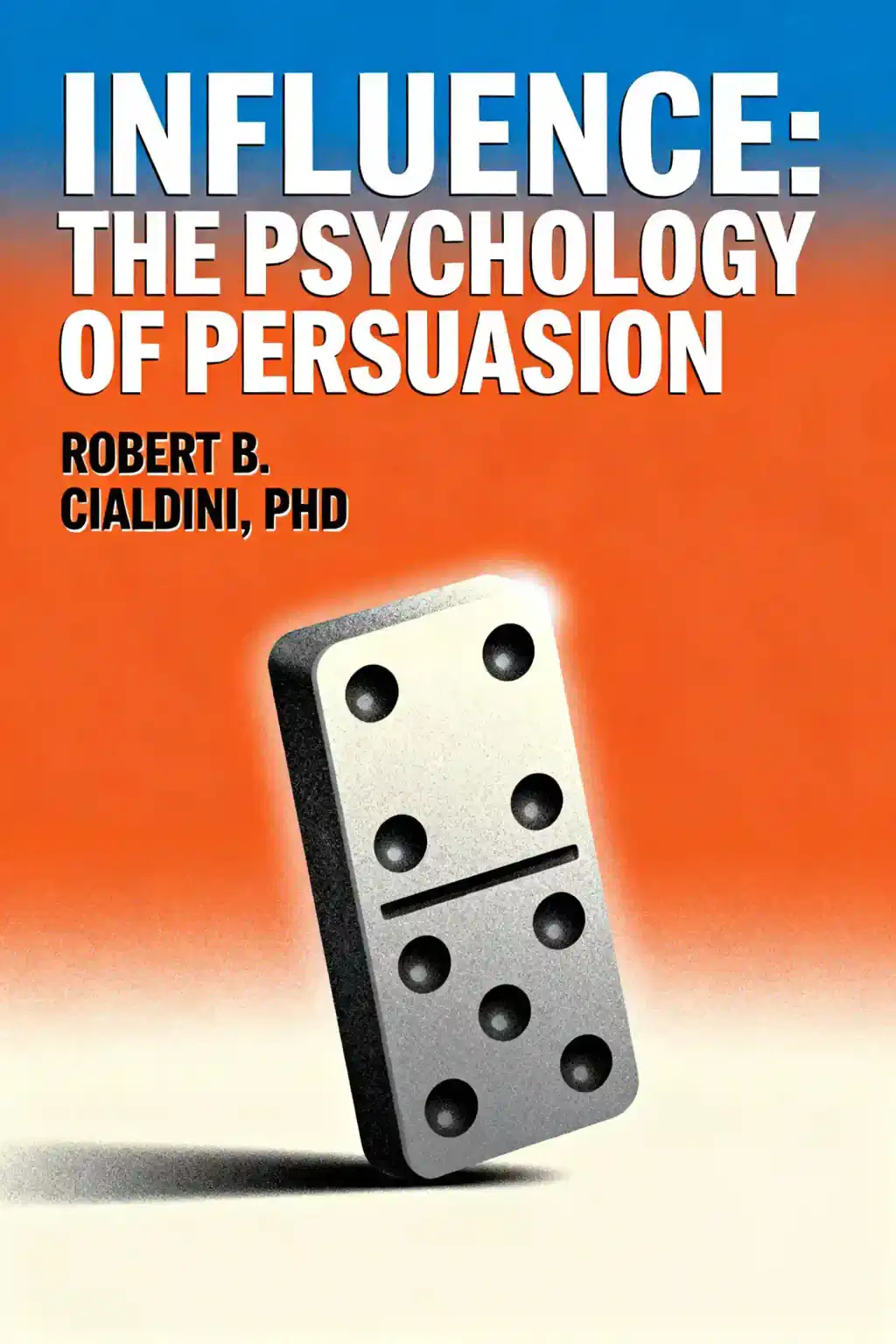
Jackson: Yes! And pay attention to who delivers the message-Cialdini's research shows that messengers with authority, likability, and social proof carry disproportionate weight.
Глава 5
The Spotlight Effect: No One's Watching You
Nia: Let's talk about something I think about constantly-how much people notice my mistakes. Last week I stumbled over my words in a presentation and was mortified for days.
Jackson: Classic spotlight effect! Researchers had students wear embarrassing T-shirts to class and then asked them to estimate how many people noticed. The students wildly overestimated-they were anchored on their own vivid experience and forgot that others were lost in their own heads.
Nia: That's actually comforting. So my presentation stumble probably wasn't the career-ending disaster I imagined?
Jackson: Most people probably forgot about it minutes later! This affects us in two ways: we post less or take fewer risks because we miscalculate the social cost, and we over-index on the few comments we do get, confusing a tiny "audience sample" for "what everyone thinks."
Nia: So the practical takeaway is to treat work more like a rehearsal than a high-stakes performance?
Jackson: Exactly! Share drafts, ask for feedback in small groups, and publish more often in smaller chunks. You'll discover people are both kinder and busier than your anxious brain assumes.
Глава 6
The Illusion of Depth: We Think We Know Until We Explain
Jackson: Here's a fun experiment-rate how well you understand how a zipper works, on a scale of 1-10.
Nia: Hmm, I'd say a 7 or 8? It's pretty simple.
Jackson: Now try to write out a detailed explanation of the mechanism.
Nia: Oh no... I suddenly realize I have no idea how the teeth interlock or disengage! Maybe I'm a 3?
Jackson: That's the "illusion of explanatory depth"! Rozenblit and Keil documented this across devices and phenomena. We think we understand things until we try to explain them, and then our confidence plummets.
Nia: This seems especially relevant today with complex issues like AI ethics or climate policy-people have strong opinions but often can't explain the underlying mechanisms.
Jackson: Exactly! The practical takeaway is simple but powerful: when a topic gets heated, ask yourself, "Could I explain the mechanism step-by-step?" If not, set a five-minute timer and try. It right-sizes your confidence and highlights where you need to learn more.
Глава 7
The Peak-End Rule: Why Endings Matter More Than Duration
Nia: Let's talk about memory. I've noticed that some experiences that were objectively long and difficult-like a challenging hike-I remember fondly, while shorter, easier experiences sometimes leave a bad taste.
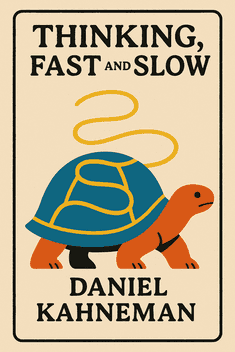
Jackson: That's the peak-end rule! Daniel Kahneman showed that our remembered experience is dominated by two moments: the peak (best or worst) and the end, with almost total "duration neglect."
Nia: So we don't accurately remember how long things took?
Jackson: Not at all! In one striking study, people preferred a longer painful medical procedure with a slightly less painful ending to a shorter, strictly less painful one. That's completely irrational-but consistent with how memory works.
Nia: How can we use this knowledge?
Jackson: For tough processes like performance reviews or medical tests, end gently and predictably. For experiences you want people to repeat-like workshops or meetings-craft a strong final five minutes with clear wins and explicit gratitude.
Глава 8
Time Is Not Money: Why We Procrastinate Despite Our Best Intentions
Jackson: Have you ever made a plan to start exercising "tomorrow" for weeks in a row?
Nia: *laughs* Are you spying on me? That's my specialty!
Jackson: That's present bias and hyperbolic discounting! Economist David Laibson showed why we happily commit our "future selves" but cave when the future becomes now. The math of hyperbolic discounting makes near-term temptations loom huge while sensible long-term plans collapse at the last minute.
Nia: And I'm guessing this gets worse when we're stressed or busy?
Jackson: Exactly! Sendhil Mullainathan and Eldar Shafir call this "scarcity tunneling"-when we're short on time, money, or bandwidth, we focus on the urgent at the expense of the important. Anyone who has doom-scrolled at midnight while "too busy to sleep" knows the feeling.
Nia: So what's the solution?
Jackson: Build "commitment devices" your emotional self can tolerate: auto-transfers into savings accounts that are hard to access, software that blocks distracting apps after a set time. And try "temptation bundling"-pair painful tasks with immediate rewards, like listening to your favorite podcast only when you're at the gym.
Глава 9
Designing Your Weird Brain for Success
Nia: We've covered so many fascinating quirks! What are the key takeaways for actually using this knowledge?
Jackson: I think there are three big patterns. First, structure matters-the choice architecture around you (defaults, progress bars, frictions) silently biases your actions. If you want better behavior, reshape your environment.
Nia: Second, we're storytelling machines-we prefer the familiar to the novel and the persuasive messenger to the perfect message. Being aware of this helps us make better decisions and be more ethical when persuading others.
Jackson: And third, our neurochemical state-especially dopamine-shapes what feels possible. If your baseline is depleted, work feels joyless; if you're in a scarcity tunnel, long-term thinking collapses.
Nia: So the big idea is that most "weirdness" is actually wisdom optimized for a messy world. Our job isn't to fight it with willpower; it's to design our lives so that our defaults, dopamine, and stories work for us, not against us.
Jackson: Exactly! And we can start with simple experiments: audit your defaults, unstack your dopamine hits, craft better endings, and check your explanatory depth before arguing online.
Nia: That's your daily dose of smarter from the BeFreed Podcast. I'm Nia-
Jackson: And I'm Jackson. If your brain liked this episode, come back tomorrow-we've got more where that came from!












![[PDF] Toward a Theory of Behavioral Operations - Harvard Business School](/_next/image?url=https%3A%2F%2Fd1y2du6z1jfm9e.cloudfront.net%2Fassets%2Fpodcast%2Fblue.png&w=1024&q=50)