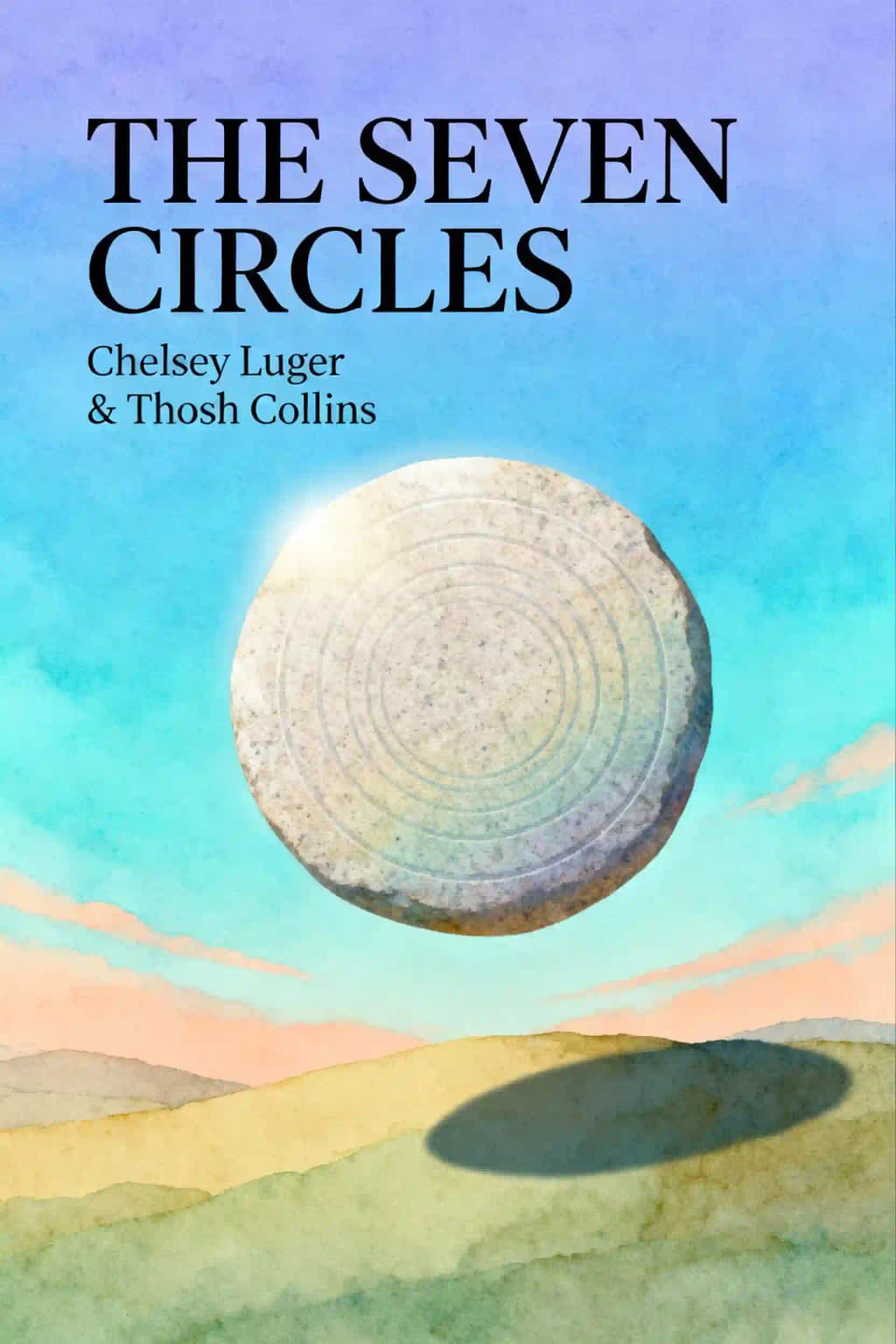
Seven Circles
Indigenous Teachings for Living Well
Обзор книги Seven Circles
Indigenous wisdom meets modern wellness in "The Seven Circles," revolutionizing health through ancestral teachings. Adopted by Nike, Google, and Ivy League universities, this groundbreaking framework challenges Western wellness culture while offering practical wisdom. What ancient Indigenous practice could transform your daily routine tomorrow?

Ключевые темы в Seven Circles
- indigenous wellness practices
- medicine wheel philosophy
- holistic health framework
- ancestral wisdom
- interconnected wellbeing
Цитаты из Seven Circles
We are all connected.
When she suffers, so do we.
"Mitakuye oyasin"-we are all related.
The only possession we have is our body.
Movement also serves as powerful medicine for learning and emotional regulation.
Персонажи в Seven Circles
- Chelsey LugerAuthor and Indigenous wellness advocate
- Thosh CollinsAuthor and Indigenous wellness advocate
- Albert White HatLakota knowledge keeper and teacher
Об авторе
Об авторе книги Seven Circles
Chelsey Luger and Thosh Collins, co-authors of The Seven Circles: Indigenous Teachings for Living Well, are renowned Indigenous wellness advocates and founders of the Well for Culture initiative.
Luger, an Anishinaabe and Lakota journalist and cultural consultant, and Collins, an Akimel O’odham, Seneca-Cayuga, and Osage photographer and land rights activist, blend ancestral knowledge with modern applications in their holistic wellness guide. The book distills seven interconnected pillars—food, movement, sleep, ceremony, sacred space, land, and community—into a framework taught at Ivy League institutions and corporations like Nike and Google.
Luger holds degrees from Dartmouth and Columbia, while Collins serves on the Salt River Pima-Maricopa Land Board and the Native Wellness Institute board. Their work has been featured in The Atlantic, Well+Good, and TEDx talks, and they’ve consulted for brands like REI and Athleta.
Their forthcoming book, Sacred Space: Transformative Wellbeing through Indigenous Home Teachings (Harper One, 2025), further explores decolonized living. The Seven Circles has been widely adopted in academic curricula and corporate wellness programs, solidifying their role as leading voices in Indigenous health revitalization.
Скачать резюме книги «Seven Circles»
Получите резюме книги «Seven Circles» в формате PDF или EPUB бесплатно. Распечатайте или читайте офлайн в любое время.
Часто задаваемые вопросы об этой книге
The Seven Circles offers a holistic wellness model rooted in Indigenous philosophies, focusing on seven interconnected pillars: food, movement, sleep, ceremony, sacred space, land, and community. Authors Chelsey Luger (Anishinaabe/Lakota) and Thosh Collins (Salt River Pima-Maricopa) blend ancestral wisdom with modern practices, sharing personal stories and 75+ photographs to guide readers toward balanced living. It emphasizes adapting teachings respectfully while honoring their Native origins.
This book is ideal for wellness seekers, Indigenous communities reconnecting with traditions, and anyone exploring holistic health frameworks. It’s particularly valuable for educators, corporate trainers, or individuals interested in decolonizing wellness practices. The authors’ inclusive approach makes it accessible to both Native and non-Native audiences.
Yes—it combines actionable advice with cultural depth, offering a unique alternative to mainstream wellness guides. Readers praise its practical frameworks (e.g., creating sacred spaces), historical context about colonialism’s health impacts, and emphasis on community-driven well-being. Over 75 atmospheric photos enhance its immersive quality.
The model’s seven interconnected pillars are:
- Food: Honoring Indigenous diets and mindful eating.
- Movement: Traditional practices like running and dance.
- Sleep: Aligning rest with natural rhythms.
- Ceremony: Spiritual rituals for grounding.
- Sacred Space: Minimalist, light-filled living environments.
- Land: Strengthening connection to nature.
- Community: Collective healing and accountability.
Luger and Collins explicitly guide readers to adapt teachings without erasing their Indigenous context. They discourage surface-level adoption of rituals (e.g., smudging) and instead advocate learning through authentic partnerships with Native communities.
Unlike individual-focused guides, this book frames wellness as a communal journey. It uniquely blends:
- Intergenerational wisdom: Protocols from multiple tribes.
- Modern applications: Corporate workshops for Nike, Google.
- Decolonized lens: Critiques of Eurocentric wellness trends.
Yes—the authors provide adaptation guidelines, such as researching local Indigenous histories instead of appropriating specific rituals. For example, non-Native readers might adopt land-connected practices like gardening or supporting environmental justice.
Spirituality is interwoven through ceremonial practices (prayer, meditation) and the concept of “hollow bone mentality”—a Lakota philosophy of becoming a channel for collective healing energy. The authors emphasize spirituality as actionable through daily habits, not dogma.
Luger (Dartmouth/Columbia-educated journalist) and Collins (photographer/activist) draw from their multigenerational trauma experiences and work with tribal nations. Their academic rigor and lived authenticity lend credibility to teachings tested in diverse settings, from Ivy League campuses to grassroots initiatives.
Each chapter ends with actionable steps, such as:
- Designing morning routines aligned with circadian rhythms.
- Organizing community food-sharing events.
- Creating home altars for reflection.
It reframes burnout as a disconnection from the seven circles. Solutions include land-based movement (e.g., trail running) and “sleep hygiene” practices rooted in lunar cycles rather than productivity culture.
Some reviewers note the framework requires significant lifestyle changes, which may overwhelm readers. Others desire more tribe-specific context, though the authors intentionally avoid homogenizing diverse Indigenous traditions.
While both center Indigenous wisdom, Braiding Sweetgrass focuses on ecological reciprocity, whereas The Seven Circles provides structured wellness protocols. They complement each other—one philosophical, the other practical.