Глава 1
The Cosmic Mirror: Unlocking Your Celestial Blueprint
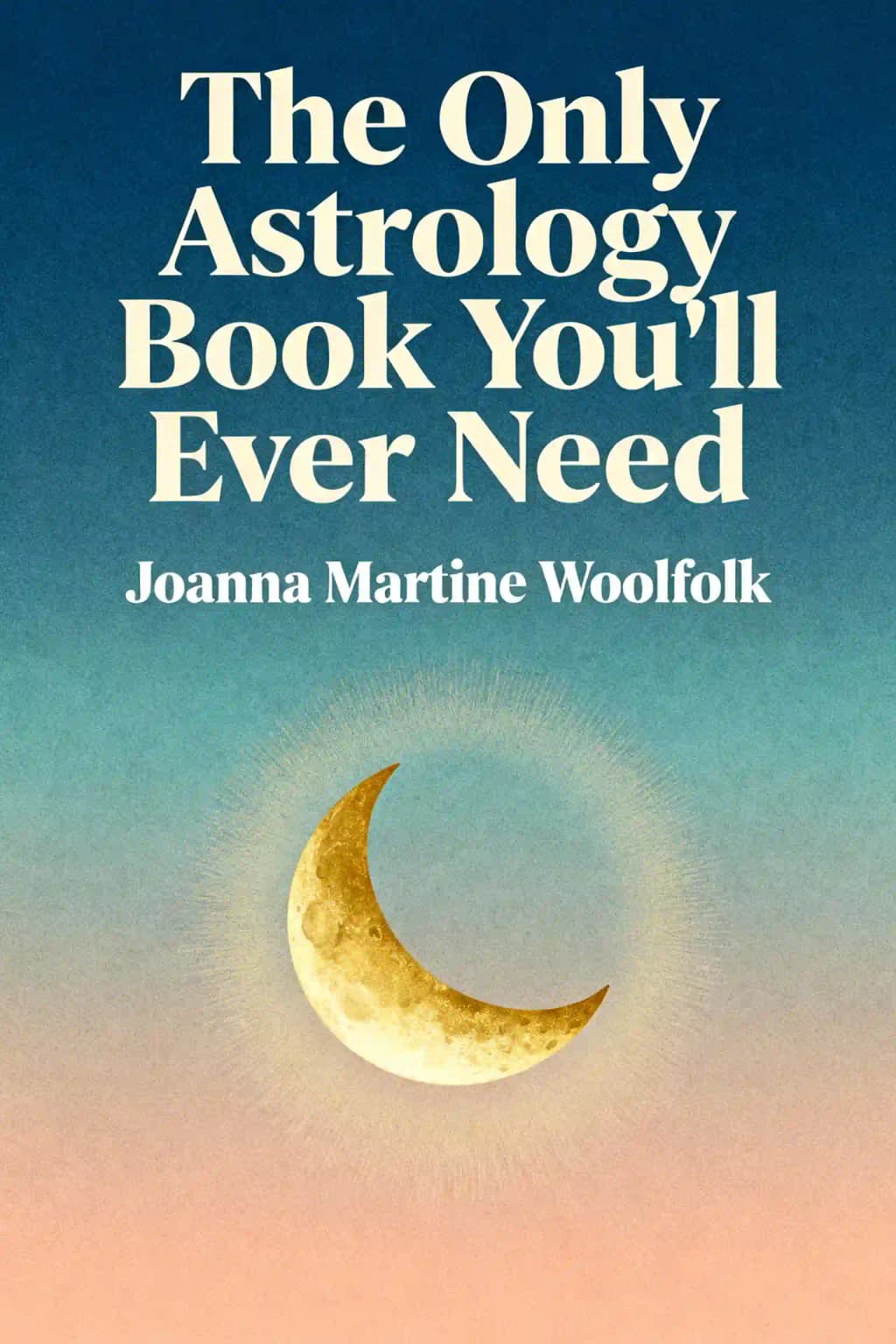
Imagine waking up tomorrow and discovering that the positions of celestial bodies at your birth have been quietly shaping your personality, relationships, and life path all along. This isn't just New Age fantasy-it's the premise behind Joanna Martine Woolfolk's "The Only Astrology Book You'll Ever Need," a comprehensive guide that has captivated millions since its publication. Even skeptics might be surprised to learn that this bestseller has been translated into over 20 languages and remains one of the most trusted astrological references decades after its release. From Hollywood celebrities like Jennifer Aniston (who reportedly keeps a copy on her nightstand) to corporate executives making business decisions, Woolfolk's practical approach to astrology has transformed this ancient practice from mystical curiosity into a practical self-awareness tool that resonates with modern sensibilities.
Глава 2
Astrology's Ancient Framework: Understanding the Zodiac's Structure
The zodiac system that shapes our horoscopes today represents over 5,000 years of human observation and interpretation. Far from random associations, these twelve signs form an intricate system of correspondences that connect human experience to cosmic patterns. The Hermetic Theory, dating back to Greek philosophers, established that humans are microcosms of the universe-everything in nature having a parallel within us.
This cosmic framework organizes the zodiac through several overlapping classifications. First are the dualities-six masculine signs (Aries, Gemini, Leo, Libra, Sagittarius, Aquarius) characterized by direct, energetic, outer-directed qualities, and six feminine signs (Taurus, Cancer, Virgo, Scorpio, Capricorn, Pisces) known for receptive, magnetic, self-contained strengths. Though modern astrologers try to avoid the sexism implicit in these traditional distinctions, they acknowledge the fundamental energy differences.
The triplicities organize signs by their elemental nature: Fire signs (Aries, Leo, Sagittarius) bring enthusiasm and action; Earth signs (Taurus, Virgo, Capricorn) offer practicality and stability; Air signs (Gemini, Libra, Aquarius) contribute intellectual curiosity and communication skills; while Water signs (Cancer, Scorpio, Pisces) provide emotional depth and intuition. These elemental groupings explain why certain signs naturally understand each other despite other differences.
The quadruplicities reveal how signs interact with the world: Cardinal signs (Aries, Cancer, Libra, Capricorn) initiate action and enterprise; Fixed signs (Taurus, Leo, Scorpio, Aquarius) perfect and maintain what's begun; and Mutable signs (Gemini, Virgo, Sagittarius, Pisces) adapt and transform circumstances. Finally, the polarities pair signs into six opposites that represent complementary life forces-like Aries (self) with Libra (partnership) or Leo (personal pleasure) with Aquarius (collective hopes).
What makes each sign unique is its specific combination of these qualities. Aries, for example, combines masculine energy with fire element and cardinal quality, creating a personality that's direct, enthusiastic, and initiating-quite different from Taurus, which combines feminine energy with earth element and fixed quality for a receptive, practical, and steadfast nature. Understanding these foundational patterns helps us recognize why certain signs exhibit consistent characteristics across different individuals.
Глава 3
Beyond Sun Signs: The Complete Astrological Picture
While most people only know their Sun sign (determined by the Sun's position at birth), Woolfolk reveals this as merely one piece of a complex astrological puzzle. Your complete birth chart includes several equally important components that together create your unique cosmic fingerprint.
Your Moon sign, representing your emotional nature and instinctive reactions, often explains why you don't fully identify with your Sun sign's description. For instance, someone with Sun in practical Capricorn but Moon in dreamy Pisces will experience an internal tug-of-war between ambition and imagination that pure Capricorn descriptions miss entirely. The Moon moves quickly through the zodiac, spending only 2-3 days in each sign, making it a more personalized influence than your Sun.
Your Ascendant or Rising sign-the zodiac sign that was rising on the eastern horizon at your birth moment-forms another crucial piece. This represents your outward personality, the "mask" you wear when meeting others, and often explains why people's first impressions of you differ from how you see yourself. If your Sun is in introspective Scorpio but your Ascendant is in sociable Gemini, you'll appear more talkative and approachable than the typical Scorpio description suggests.
The planets Mercury, Venus, and Mars add further dimensions to your personality. Mercury governs your communication style and thought processes; Venus reveals how you express affection and what you find beautiful; while Mars shows your energy, ambition, and sexual expression. When these planets appear in signs different from your Sun, they create nuanced personality traits that a single-sign approach could never capture.
The outer planets-Jupiter, Saturn, Uranus, Neptune, and Pluto-move more slowly and tend to influence entire generations similarly, but their house positions in your chart create individualized effects on specific life areas. Jupiter brings expansion and opportunity to whatever house it occupies, while Saturn brings challenges and lessons. Understanding these placements helps explain why certain life areas flow easily while others require more effort.
As Woolfolk emphasizes, "No one is just their Sun sign." The rich complexity of a complete birth chart explains why two people with the same Sun sign can be remarkably different-their other planetary positions create unique combinations that manifest in distinct personalities and life experiences.
Глава 4
The Body-Zodiac Connection: Your Astrological Health Profile
One of astrology's most fascinating applications is its connection to physical health and wellbeing. Each zodiac sign rules specific body parts, creating a head-to-toe correspondence that begins with Aries governing the head and concludes with Pisces ruling the feet. This ancient association reflects the Hermetic principle of "as above, so below"-the idea that cosmic patterns manifest in human physiology.
Aries natives, ruled by Mars and governing the head and face, often have distinctive facial bone structure and healthy hair, but tend toward headaches, migraines, and minor head injuries. Their adrenal glands (also Mars-ruled) explain their characteristic excitability and impetuosity. Taurus, ruling the throat and neck, blesses its natives with melodious voices but makes them susceptible to sore throats, laryngitis, and thyroid issues affecting weight regulation.
Gemini governs the shoulders, arms, hands, and lungs, giving natives dexterity and coordination but vulnerability to respiratory infections and nervous tension. Cancer rules the breasts and stomach, areas symbolizing nourishment, making Cancerians prone to digestive issues exacerbated by their emotional sensitivity. Leo's domain over the heart and spine reflects their courageous nature but can manifest as back problems or heart issues later in life.
Virgo's rulership of the nervous system and intestines mirrors how they assimilate knowledge for practical use, though their delicate nerves make them susceptible to stress-related ailments. Libra governs the kidneys and lower back, with natives typically having graceful spines but potential weakness in these areas. Scorpio rules the reproductive organs, reflecting their intense sexuality but creating vulnerability to urinary and genital issues.
Sagittarius controls the hips and thighs, areas of locomotion that reflect their love of freedom and movement. Capricorn governs bones, joints, and teeth, explaining their strong constitutions but susceptibility to arthritis and dental problems. Aquarius rules circulation and ankles, making natives prone to poor circulation and ankle injuries. Finally, Pisces governs the feet and lymphatic system, giving natives graceful feet but potential for foot troubles and fluid retention.
Beyond these physical correspondences, each sign has specific dietary needs based on its ruling mineral salt. Aries requires potassium phosphate found in tomatoes and walnuts; Taurus needs sodium sulphate from asparagus and spinach; Cancer benefits from calcium fluoride in egg yolks and yogurt. Following these astrologically aligned nutritional guidelines can address chronic health issues that conventional approaches might miss.
Perhaps most intriguingly, each sign has specific erogenous zones that respond intensely to touch. Aries is aroused by gentle scalp and face caresses; Taurus by neck and throat attention; Cancer by breast stimulation; Leo by back massages; Scorpio by genital focus; and Pisces by foot play. Understanding these zodiacal sensitivities can transform intimate relationships by revealing pathways to pleasure unique to each sign.
Глава 5
The Planets as Cosmic Forces: Personality Architects
While zodiac signs describe qualities and characteristics, the planets act as dynamic forces that express through these signs. Each planet governs specific aspects of personality and life experience, functioning like actors playing different roles depending on their zodiacal costume.
Mercury, the messenger planet, governs intelligence, communication, and perception. Its position reveals how you think and express yourself-Mercury in Gemini creates quick, versatile thinking, while Mercury in Taurus brings methodical, practical thought processes. Since Mercury never travels far from the Sun, it's always in either your Sun sign or an adjacent one, explaining why communication style often aligns closely with core personality.
Venus, goddess of love and beauty, governs affection, artistic appreciation, and what brings you pleasure. Venus in Aries creates impulsive, passionate love with little patience for games; Venus in Taurus brings sensual, steadfast affection with appreciation for physical comforts; while Venus in Gemini needs intellectual stimulation in relationships and grows restless with emotional intensity. Understanding your Venus sign explains your approach to love and what you find attractive in others.
Mars, the warrior planet, represents energy, ambition, and sexual expression. Mars in Leo creates dramatic, confident action with need for recognition; Mars in Virgo brings methodical, precise energy focused on improvement; while Mars in Scorpio generates intense determination and powerful sexuality. Your Mars sign reveals how you pursue goals and express desire-crucial information for both career and relationships.
The outer planets bring generational influences while affecting individuals through their house placements and aspects. Jupiter, the planet of expansion, brings opportunity and optimism to whatever area of life it touches. Saturn, the taskmaster, creates challenges that build character through discipline and perseverance. Uranus brings sudden change and innovation, Neptune adds imagination and spiritual connection, while Pluto transforms through powerful endings and beginnings.
These planetary energies interact with each other through aspects-geometric relationships that create harmony or tension. A Sun-Jupiter trine (120-degree angle) brings confidence and opportunity, while a Sun-Saturn square (90-degree angle) creates obstacles that build character through overcoming limitations. These aspects explain why some life areas flow easily while others require persistent effort.
As Woolfolk explains, understanding your planetary placements provides a roadmap to your strengths, challenges, and potential. Rather than deterministic prophecy, this knowledge offers insight into your natural tendencies and how to work with them constructively-whether that means channeling Mars energy into productive ambition rather than conflict, or using Neptune's imagination for creative expression rather than escapism.
Глава 6
Houses: Where Planets Play Their Roles
If planets represent what energies are at work and signs show how these energies express, the twelve houses of the horoscope reveal where these forces manifest in your life. This third dimension of astrological interpretation explains why two people with similar planetary placements might experience them in completely different life areas.
The First House governs self-expression, physical appearance, and how you project yourself to the world. Planets here strongly influence personality-Sun brings confidence and leadership, Venus creates charm and beauty, while Saturn might bring seriousness and caution in self-presentation.
The Second House rules possessions, values, and earning capacity. Jupiter here brings financial luck and expansion, while Mars creates competitive drive for acquisition but potential financial volatility. Understanding your Second House explains your relationship with money and material security.
The Third House governs communication, siblings, and short journeys. Mercury here enhances verbal abilities and intellectual curiosity, while Neptune might bring imaginative expression but potential confusion in communication. This house explains your learning style and how you connect with your immediate environment.
The Fourth House represents home, family, and emotional foundations. Moon placement here creates strong attachment to home and nurturing tendencies, while Uranus might bring unconventional living situations or sudden changes in residence. Your Fourth House reveals your relationship with family and what creates emotional security.
The Fifth House governs creativity, romance, and self-expression. Venus here brings artistic talent and romantic charm, while Saturn might create caution in creative pursuits and serious approach to love affairs. This house explains your creative style and approach to pleasure.
The Sixth House rules work environment, health, and daily routines. Mars here brings energetic work ethic but potential for stress-related health issues, while Jupiter expands job opportunities but might encourage overindulgence affecting health. Your Sixth House reveals how you handle day-to-day responsibilities and maintain wellbeing.
The Seventh House governs partnerships, both romantic and business. Venus here brings harmony and attraction in relationships, while Pluto might create intense, transformative partnerships with power struggles. This house explains your approach to one-on-one connections.
The Eighth House rules shared resources, sexuality, and transformation. Pluto here intensifies sexual expression and creates powerful regenerative abilities, while Saturn might bring caution with shared finances and sexual inhibition. Your Eighth House reveals how you handle intimacy and joint resources.
The Ninth House governs higher education, philosophy, and long-distance travel. Jupiter here expands intellectual horizons and brings opportunities abroad, while Mercury enhances communication about philosophical subjects. This house explains your relationship with belief systems and broader perspectives.
The Tenth House rules career, public reputation, and authority. Saturn here brings ambition and discipline in career but potential delays in recognition, while Sun creates natural leadership and visibility in profession. Your Tenth House reveals your approach to achievement and social standing.
The Eleventh House governs friendships, groups, and hopes for the future. Uranus here brings unusual friendships and sudden opportunities through connections, while Venus creates social popularity and artistic friends. This house explains your relationship with communities and collective endeavors.
The Twelfth House rules the unconscious, spirituality, and hidden matters. Neptune here enhances spiritual sensitivity and artistic imagination but potential for self-deception, while Mercury might bring psychological insight but tendency toward worry. Your Twelfth House reveals your relationship with the unseen and how you process the past.
Understanding your house placements completes the astrological picture by showing which life areas receive the most planetary energy. A concentration of planets in certain houses creates emphasis on those life areas, explaining why some people focus intensely on career while others prioritize relationships or creative expression.
Глава 7
Relationship Compatibility: The Astrology of Connection
Perhaps no astrological topic generates more interest than romantic compatibility. Woolfolk's approach goes far beyond simplistic Sun sign matching to reveal the complex dynamics that create attraction, harmony, and challenges between partners.
Synastry-the comparison of two birth charts-examines how planets in one person's chart interact with planets in another's. While popular culture focuses on Sun sign compatibility (like whether Aries and Libra make a good match), the most revealing connections often involve the Sun, Moon, Venus, Mars, and Ascendant across both charts.
The Sun-Moon relationship between partners creates particularly powerful bonds. When a man's Moon sign matches a woman's Sun sign, he instinctively understands her core nature, while she embodies qualities he emotionally needs. For example, a man with Moon in Leo naturally resonates with a Sun in Leo woman, finding her confidence and warmth emotionally fulfilling. Similarly, when one partner's Sun sign matches the other's Ascendant, they see each other clearly and naturally-the Sun person embodying qualities the Ascendant person projects to the world.
Venus and Mars connections between charts reveal sexual chemistry and romantic attraction. When your Venus connects with someone's Mars, physical attraction often follows naturally. Venus represents what you find beautiful and how you express affection, while Mars shows what arouses your desire and how you pursue it. Strong Venus-Mars aspects between charts often indicate relationships that begin with powerful physical attraction.
Beyond these personal planets, aspects between Jupiter, Saturn, Uranus, Neptune, and Pluto in two charts reveal the deeper purpose and challenges of the relationship. Jupiter connections bring growth and optimism, Saturn brings commitment but potential restriction, Uranus brings excitement but instability, Neptune creates romantic idealism but possible delusion, while Pluto brings transformation through power dynamics.
House overlays-where one person's planets fall in another's houses-reveal how partners affect different areas of each other's lives. Someone whose planets fall in your Seventh House naturally feels like partnership material, while planets in your Tenth House might support your career but create public scrutiny of the relationship.
Woolfolk emphasizes that challenging aspects between charts don't necessarily doom relationships-they often create the growth-producing tension that keeps connections dynamic. The most harmonious relationships typically combine enough similarity for understanding with enough difference to create interest. Perfect astrological compatibility might actually create stagnation, while some constructive tension generates the friction that polishes both partners.
Rather than using astrology to reject potential partners based on Sun sign alone, Woolfolk encourages examining the complete synastry picture to understand relationship dynamics and work constructively with both strengths and challenges. Even traditionally "incompatible" signs can create lasting relationships when other chart factors support connection and partners commit to understanding their different approaches to life.
Глава 8
Predictive Astrology: Navigating Life's Seasons
Beyond describing personality and relationships, astrology offers tools for understanding life's timing and cycles. Woolfolk explains several predictive techniques that help identify favorable periods for different activities and prepare for challenging transitions.
Transits-the movement of current planets in relation to your birth chart-create the most noticeable effects. When Jupiter transits your Second House, financial opportunities often appear; when Saturn crosses your Seventh House cusp, relationships require serious commitment or face dissolution. Understanding these planetary cycles helps you work with cosmic timing rather than against it.
The most significant transits involve Saturn, which completes a full zodiac cycle every 29 years, creating predictable life transitions around ages 29-30, 58-59, and 87-88-the famous "Saturn returns" that often coincide with major life restructuring. Similarly, Uranus creates sudden changes and awakenings every 21 years, while Neptune brings periods of inspiration or confusion every 14 years.
Solar returns-charts cast for the exact moment the Sun returns to its birth position each year-provide annual forecasts highlighting themes for your personal year. A solar return with many planets in the Tenth House suggests a career-focused year, while planets in the Fifth House indicate creative projects or romantic developments.
Progressions-a technique that advances the birth chart using the "day for a year" formula-reveal gradual developmental changes in personality and life focus. When your progressed Sun changes signs (typically every 30 years), your core expression evolves; when progressed Mercury changes direction, your communication style transforms.
Woolfolk emphasizes that predictive astrology isn't about fatalistic prophecy but understanding the quality of time and working constructively with planetary energies. Challenging transits like Saturn squares don't guarantee misfortune but indicate periods requiring discipline and realistic assessment. Similarly, favorable Jupiter aspects don't automatically bring rewards without effort but create openings for growth if you take initiative.
This approach to prediction empowers rather than disempowers, helping you recognize when to push forward and when to consolidate or reflect. By understanding life's natural seasons, you can plant during spring, nurture during summer, harvest during fall, and rest during winter-working with cosmic cycles rather than exhausting yourself fighting against them.
Глава 9
The Age of Aquarius: Astrology's Collective Forecast
Beyond individual horoscopes, astrology offers perspective on collective evolution through the concept of Astrological Ages-2,150-year periods when Earth's precession causes the vernal equinox to occur against different zodiacal backgrounds. We're currently transitioning from the Age of Pisces to the Age of Aquarius, a shift bringing profound changes to human consciousness and society.
The Piscean Age (approximately 1-2000 CE) emphasized faith, hierarchy, and emotional connection, manifesting through religious institutions, monarchies, and romantic idealism. The emerging Aquarian Age brings emphasis on humanitarian concerns, technological innovation, and collective consciousness-visible in globalization, digital connectivity, and growing interest in both scientific advancement and spiritual awakening beyond traditional religious structures.
This transition period creates tension as Piscean and Aquarian energies compete. Woolfolk notes that early Aquarian manifestations include both positive developments (international cooperation, technological breakthroughs, expanded human rights) and challenging ones (social fragmentation, cold intellectualism divorced from heart, extremist ideologies). As with personal transits, collective shifts bring both opportunities and challenges requiring conscious navigation.
The Aquarian Age ultimately promises a world united beyond national divisions, with technology serving human needs and individuals finding freedom within community structures. However, achieving this potential requires integrating Aquarius's humanitarian vision with Pisces's compassionate heart-creating systems that serve both collective progress and individual spiritual fulfillment.
This perspective on cultural evolution helps explain current social turbulence as birth pangs of a new era rather than signs of collapse. Understanding these larger cycles provides context for personal experience, connecting individual lives to humanity's collective journey through time.
Глава 10
Astrology as Self-Discovery: The Journey Inward
Perhaps astrology's greatest value lies not in prediction but self-understanding. Woolfolk presents astrology not as mystical fortune-telling but as a sophisticated psychological tool for recognizing patterns and potentials within yourself-a cosmic mirror reflecting your inner landscape.
A complete birth chart reveals not only strengths and challenges but the dynamic tension between different aspects of personality. The person with Sun in methodical Virgo but Moon in adventurous Sagittarius experiences an ongoing pull between precision and exploration; understanding this internal dialogue helps integrate these seemingly contradictory impulses into a cohesive whole.
Astrology also illuminates blind spots and growth areas. Someone with challenging Saturn aspects might struggle with authority and responsibility but develop remarkable discipline through facing these challenges. Recognizing these patterns helps transform unconscious reactions into conscious responses, turning potential limitations into strengths through awareness and intention.
Beyond personality insights, astrology connects individual experience to universal archetypes represented by planets and signs. Your Venus placement reveals not just personal love style but connection to the universal principle of harmony and beauty; your Mars shows not just individual ambition but participation in the cosmic energy of action and courage. This perspective places personal experience within a meaningful context, countering modern alienation with sense of connection to something larger.
Woolfolk emphasizes that astrology doesn't remove free will but clarifies the materials you're working with-like an architect who must consider the properties of stone, wood, and steel when designing a structure. Understanding your astrological blueprint doesn't limit choices but helps make more conscious ones aligned with your authentic nature.
The ultimate purpose of astrological self-knowledge isn't passive acceptance of cosmic destiny but active partnership with universal energies. By recognizing your natural tendencies and cycles, you can express strengths more fully, transform challenges more effectively, and align personal choices with cosmic timing-becoming not a puppet of fate but a conscious co-creator working with rather than against your celestial design.
Глава 11
The Cosmic Dance: Astrology's Enduring Relevance
Despite technological advances and scientific skepticism, astrology has not only survived but flourished in the modern era. Woolfolk attributes this endurance to astrology's unique capacity to address perennial human questions about meaning, purpose, and connection in an increasingly fragmented world.
Unlike purely materialistic worldviews that reduce human experience to biochemistry and random chance, astrology offers a perspective where individual lives participate in cosmic order and purpose. The birth chart represents not arbitrary planetary positions but a meaningful pattern uniquely suited to your soul's journey-a perspective that satisfies the human need for significance without requiring traditional religious frameworks.
Astrology also bridges objective and subjective knowledge in ways conventional science cannot. While maintaining systematic methodology based on mathematical planetary positions, it honors subjective experience and qualitative differences between moments in time. This integration of measurable facts with meaningful interpretation offers a middle path between rigid materialism and ungrounded spirituality.
Perhaps most importantly, astrology provides practical guidance for navigating life's complexity. Understanding your Mars placement helps channel energy constructively; recognizing a challenging Saturn transit helps prepare for necessary restructuring; identifying Venus-Jupiter aspects between charts helps appreciate relationship strengths. These insights translate cosmic patterns into practical wisdom for everyday decisions.
As we navigate the early Aquarian Age with its unprecedented changes and challenges, astrology offers both personal compass and collective map-helping individuals understand their unique contribution while placing personal experience within larger evolutionary context. Whether approached as literal cosmic influence, psychological symbolism, or spiritual metaphor, the zodiac continues providing meaningful patterns for human self-understanding.
Woolfolk's comprehensive yet accessible approach demonstrates why astrology remains relevant in the modern world-not as superstition but as sophisticated system for understanding human experience in all its dimensions: physical, emotional, mental, and spiritual. By integrating ancient wisdom with contemporary psychological understanding, "The Only Astrology Book You'll Ever Need" fulfills its ambitious title, offering readers a complete toolkit for cosmic self-discovery.