Глава 1
When Family Bonds Become Fatal Chains
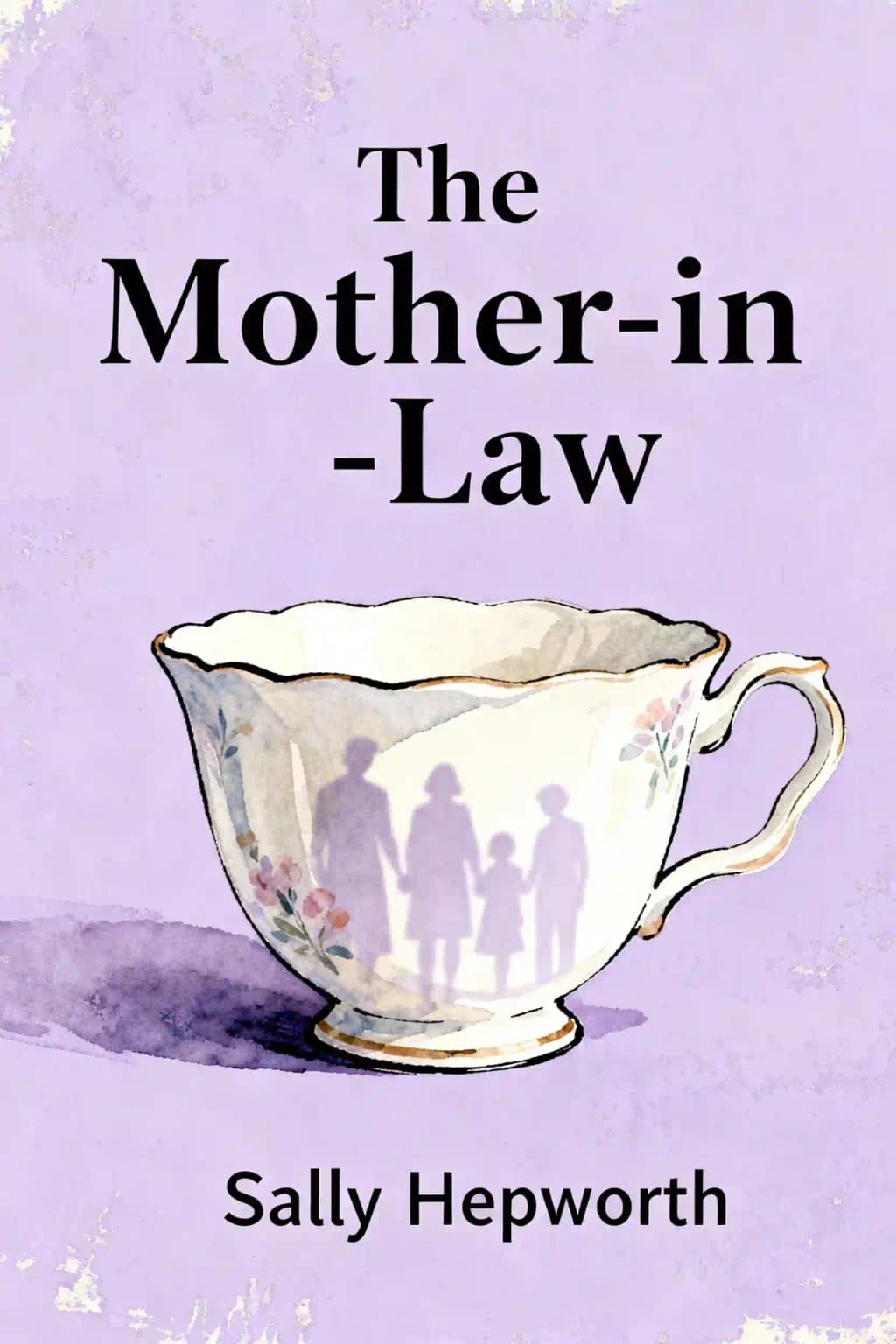
Sally Hepworth's "The Mother-in-Law" has captivated readers worldwide since its 2019 release, becoming a New York Times bestseller and a Reese Witherspoon Book Club pick. This psychological thriller delves into the complex dynamics between a woman and her mother-in-law, exploring how our perceptions of others can be dangerously flawed. The novel resonated deeply with readers for its honest portrayal of family tensions that many experience but few discuss openly. Beyond its commercial success, the book sparked important conversations about intergenerational relationships, wealth inheritance, and the unspoken expectations we place on family members. What makes this story particularly chilling is how it transforms the stereotypical difficult mother-in-law trope into something far more nuanced and morally ambiguous. As Witherspoon herself noted, "This novel had me on the edge of my seat... a masterful depiction of how the things we don't say can be far more powerful than those we do."
Глава 2
The Perfect Family's Perfect Crime
From the moment Lucy met Diana Goodwin, she knew they would never have the closeness she'd hoped for. Diana was exquisitely polite but emotionally distant-a stark contrast to Lucy's own warm, affectionate late mother, who had filled their modest home with laughter and spontaneous hugs. The novel opens with police arriving at Lucy and Ollie's home on a crisp autumn morning to deliver devastating news: Diana has been found dead in her study, with a meticulously typed suicide note placed on her mahogany desk. Yet the autopsy reveals telling evidence of suffocation - subtle bruising around the neck and microscopic fibers under her fingernails - turning what appeared to be a straightforward suicide into a suspected homicide.
The Goodwin family presents a picture of privilege and success that seems almost too perfect at first glance. Tom Goodwin, Diana's husband of thirty-five years, is warm and jovial, hosting elaborate garden parties where he charms guests with his wine knowledge and perfectly timed jokes. Diana herself is a pillar of the community who runs a highly regarded charity for pregnant refugees, though her colleagues whisper about her exacting standards and occasional cruel remarks. Their son Ollie, Lucy's husband, followed his father into corporate law, while their daughter Nettie pursued a career in gallery curation and married Patrick, a man whose towering physical presence matches his outsized personality and barely contained temper.
When Lucy first visits their mansion-like home in Boston's exclusive Beacon Hill neighborhood ten years before Diana's death, she's immediately intimidated by their wealth - the original Monet in the foyer, the staff quarters, the perfectly manicured gardens - and Diana's cool demeanor. The contrast between Lucy's middle-class upbringing in a small New Hampshire town and the Goodwins' old-money lifestyle couldn't be starker.
Throughout these early interactions, Diana maintains a formal distance that crushes Lucy's fantasies of a close mother-daughter bond with her husband's mother. Her interactions are limited to proper Sunday dinners and carefully orchestrated holiday gatherings where everything from the table settings to the conversation topics seems rehearsed. When Lucy overhears Diana describing her as merely "fine" after their first meeting at an elaborate engagement dinner, she's devastated. In Lucy's mind, "fine" is as good as dead-a lukewarm assessment that sets the tone for their relationship over the coming decade. This initial disappointment evolves into a complex web of resentment, misunderstanding, and ultimately, tragedy, as each family gathering becomes an exercise in maintaining appearances while concealing deeper tensions. The perfect facade of the Goodwin family begins to crack, revealing the darkness that lurks beneath their polished surface.
Глава 3
The Weight of Expectations
Lucy carries deep emotional wounds from losing her mother Joy at thirteen, a loss that created an aching void she's never fully healed from. This early trauma shaped her expectations of what a mother-in-law should be-someone who would step into that maternal role with warmth, shared family recipes, sage wisdom, and the kind of unconditional love she remembers from her mother. Instead, she gets Diana, whose approach to family is fundamentally different. Diana believes in maintaining clear boundaries and fostering independence, viewing excessive emotional dependence as potentially harmful. While Lucy craves the intimate mother-daughter bond she lost, Diana's professional experience as a social worker has taught her the importance of emotional self-sufficiency.
When Lucy gives birth to her first child, Archie, the clash between their expectations becomes painfully apparent. Diana arrives three hours late to the hospital, having been delayed helping a refugee client deliver her baby in difficult circumstances. To Lucy's profound dismay, Diana has given away the enormous teddy bear Tom purchased for their grandson to the refugee family instead. Though Tom immediately offers to buy another bear and Ollie reasonably suggests it was better used by the refugee family who had nothing, Lucy feels deeply betrayed. In her mind, this action symbolizes Diana choosing strangers over family, reinforcing her fears of being secondary in Diana's priorities.
Yet Diana's character contains multitudes, revealing itself in unexpected moments of grace. Two weeks after Archie's birth, she appears unannounced at Lucy's door, carrying a whole roasted chicken and practical supplies. Finding Lucy overwhelmed with a colicky baby and a house in disarray, Diana quietly and efficiently tackles the mess while Lucy nurses. When Archie continues his inconsolable crying, Diana demonstrates a specific burping technique she learned from years of working with new mothers, instantly soothing him. This moment illuminates Diana's practical approach to love-showing up without fanfare and offering tangible help rather than mere sympathetic words. However, she leaves without sharing the story behind the chicken gift, how someone had once brought her the same comfort food when Ollie was a colicky infant, missing a precious opportunity for the kind of emotional connection Lucy craves.
This pattern weaves through their entire relationship-Diana consistently offering practical assistance and support in her own way, while Lucy yearns for the emotional intimacy and maternal warmth she remembers from her childhood. Each woman interprets the other's actions through their own lens of what love and family should look like, creating constant misunderstandings. Diana's efficient problem-solving approach clashes with Lucy's need for emotional validation and connection. Their fundamental disconnect creates a tension that underlies every interaction, from family dinners to holiday celebrations, gradually building toward the novel's tragic conclusion. Neither woman fully recognizes how their own past experiences and trauma shape their expectations of this complex relationship.
Глава 4
Money Matters and Family Values
Diana's complex philosophy about money becomes a central point of conflict that reverberates through every corner of family life. When Lucy and Ollie approach their parents about help with a house deposit in London's increasingly unaffordable market, Diana's response is swift and uncompromising. She delivers what becomes a characteristic lecture about how every generation faces its own challenges, pointing to her own early struggles and suggesting they look in less desirable neighborhoods or consider a longer commute. Lucy later uncovers an unsettling pattern when she discovers Tom had already quietly written Ollie a substantial check, knowing full well Diana would refuse. This calculated manipulation, though well-intentioned, infuriates Lucy to her core, leading her to insist they return Tom's money and make a pact never to ask their parents for financial assistance again.
Diana's rigid stance on financial assistance is deeply rooted in her own haunting past. Pregnant and unmarried at twenty in an era far less forgiving than today's, she endured the shame of being sent away by her parents to a stark home for unwed mothers. The experience was dehumanizing, with strict matrons and daily reminders of her "fallen" status. After a daring escape, she found sanctuary with her father's cousin in a tiny flat in Manchester, where despite living in near-poverty, she discovered an inner strength she never knew she possessed. This transformative period convinced Diana that adversity is life's greatest teacher, fostering a belief that financial struggles build character and self-reliance-values she considers far more precious than any inheritance.
This unwavering philosophy casts a long shadow over her children's adult lives. When Nettie, devastated by multiple miscarriages, approaches her parents about helping fund expensive IVF treatments, Diana's refusal is particularly painful. Tom, continuing his pattern of secret financial support, provides the money behind Diana's back, creating another layer of family tension. The situation repeats itself when Ollie's partnership with his childhood friend Eamon in their marketing startup begins to crumble. Despite clear signs of impending business failure, Diana maintains her stance that her children must weather their own financial storms, even as Tom discretely offers business advice and financial support.
The simmering tensions around money and values finally boil over during what becomes an infamous Christmas dinner at Lucy and Ollie's home. What starts as a seemingly innocent discussion about career choices escalates when Diana sharply criticizes Lucy's decision to be a stay-at-home mother, suggesting she would be left destitute if anything happened to Ollie. This thoughtless comment proves to be the spark that ignites long-suppressed frustrations. Nettie, already emotional about her ongoing fertility struggles and the secret financial arrangements, launches into a blistering attack on her mother's hypocrisy in refusing to help with her IVF treatments while preaching about family values. The holiday celebration dissolves into tears and recriminations, leaving wounds that would take years to heal and fundamentally altering the dynamics of family gatherings for years to come.
Глава 5
Secrets Behind Closed Doors
As the investigation into Diana's death progresses, shocking secrets emerge layer by layer. Detectives meticulously reviewing her medical records reveal there's no evidence Diana ever had cancer - no diagnostic tests, no oncologist visits, no treatment records - despite the family's long-held belief she was battling the disease. This revelation raises disturbing questions about why Diana would fabricate such a serious condition. Her doctor confirms she was in perfect health, aside from minor age-related issues, suggesting her "illness" was an elaborate deception maintained for years.
The family is further devastated when Diana's lawyer, James Morton, reveals she secretly changed her will just three weeks before her death. The new document makes her charitable foundation the sole beneficiary of her substantial estate - including three properties in prime London locations, her collection of vintage cars, an extensive share portfolio valued at over 4 million, and liquid assets exceeding 2 million. Her children are left only personal items: family photos, jewelry, and childhood mementos. This news hits particularly hard as both children face serious financial challenges. Ollie's property development business is on the verge of bankruptcy, with creditors circling, while Nettie has already spent 50,000 on failed IVF attempts and desperately needs funds for surrogate pregnancy options in America.
The investigation uncovers deeper fractures in Nettie's marriage to Patrick. Diana had discovered Patrick's year-long affair with his junior colleague Sarah through private investigators she hired to protect her daughter's interests. Despite this knowledge, Diana chose silence, remembering how her own marriage had crumbled under similar circumstances. Patrick's true nature becomes apparent during a private meeting with Diana two months before her death, where he callously suggests she withhold funding for Nettie's fertility treatments. He reveals his calculated plan to let Nettie "age out" of eligibility for surrogacy programs, ensuring they can enjoy Diana's inheritance without the burden of children.
Lucy and Ollie's marriage shows equally concerning cracks. Ollie has concealed that his business partnership with Eamon has resulted in losses exceeding 800,000. When Eamon appears at their home following Diana's death demanding repayment, their confrontation turns violent, leaving Ollie with a broken nose and Lucy witnessing the full extent of their financial ruin. Bank statements reveal Eamon has been systematically siphoning money from their joint ventures, leaving them not only bereft of Diana's inheritance but facing potential bankruptcy proceedings.
These interwoven secrets create a complex web of motives and suspects in Diana's death. Each revelation adds new layers of suspicion, from financial desperation to personal betrayals, keeping readers guessing about who might have been driven to murder. The truth seems buried beneath years of carefully maintained lies and deceptions within this seemingly perfect family.
Глава 6
The Burden of Motherhood
Throughout the novel, motherhood is portrayed as both a blessing and a burden, with each character experiencing its complexities in distinct ways. Diana's approach to mothering-practical, distant, and focused on fostering independence-contrasts sharply with Lucy's more emotional, hands-on style. This fundamental difference in parenting philosophies creates ongoing tension between them, particularly evident in how they handle their children's struggles and achievements. Diana believes in letting children learn from their mistakes, while Lucy tends to intervene and protect, leading to frequent disagreements about the best way to support the younger generation.
For Nettie, the inability to become a mother becomes an all-consuming obsession that threatens to destroy her marriage and relationships with family members. After multiple miscarriages and failed fertility treatments, including three rounds of IVF that drain their savings, she becomes desperate enough to ask Lucy to be both an egg donor and surrogate for her and Patrick. The request comes during a family dinner, creating an uncomfortable scene that reverberates through subsequent family gatherings. When Lucy refuses, explaining she couldn't carry a child that was biologically hers only to give it away, Nettie reacts with undisguised hatred, marking a turning point in their once-close relationship.
Diana's own experience of motherhood was shaped by her difficult circumstances-young, unmarried, and abandoned by her conservative family at nineteen. She raised Ollie alone in a small flat above a shop, working two jobs until meeting Tom when Ollie was four. Tom became the father figure Ollie needed, teaching him to fish and helping with homework. The novel eventually reveals that Tom is not Ollie's biological father, though they kept this secret from him throughout his life, a decision that weighs heavily on Diana's conscience even years later.
In a poignant scene during a late-night conversation with Lucy, Diana reflects on the special bond between mothers and sons, finding it purer and simpler than mother-daughter relationships. She describes how sons tend to love more unconditionally, without the complicated expectations and comparisons that often characterize mother-daughter dynamics. This insight helps explain her easier relationship with Ollie compared to the more complicated dynamic with Nettie, whose needs and expectations Diana struggles to meet, particularly regarding emotional support and validation.
The novel also explores how motherhood can become a form of identity and purpose, sometimes to a dangerous degree. When Diana loses Tom to motor neuron disease after a three-year decline, she loses not only her husband but her role as his caretaker, which had given her days structure and meaning. This loss of purpose contributes to her deepening depression and eventual consideration of suicide, evidenced by her stockpiling of sleeping pills. Only through finding new meaning in helping her family, particularly with Nettie's ongoing fertility struggles, and continuing her charity work with local women's shelters does she begin to rebuild her sense of purpose and identity beyond motherhood and caregiving.
Глава 7
When Love Turns Deadly
As the investigation into Diana's death intensifies, suspicion falls heavily on various family members, creating a web of doubt and mistrust. A neighbor's testimony becomes crucial when they identify Ollie at Diana's property on the day of her death, noting specific details about his appearance - navy trousers and a blue-and-white checked shirt. This matches exactly what he was wearing when he returned home early from work that day, claiming illness. The timing and his documented financial troubles create a compelling circumstantial case against him.
The police investigation takes a dramatic turn when they begin questioning Lucy about Diana's connections to a voluntary euthanasia group called Peaceful Passage. They meticulously examine Lucy's IT expertise, particularly focusing on her professional background in cybersecurity. The investigators probe her knowledge of encryption protocols and cryptocurrency transactions, suggesting she might have helped Diana access illegal substances. When they inform her about the severe legal consequences - up to twenty-five years imprisonment in Australia for assisted suicide - Lucy's confident demeanor crumbles, revealing her deep involvement in Diana's end-of-life planning.
Through carefully crafted alternating perspectives, the truth unfolds layer by layer. Diana's initial plan for suicide following Tom's death is revealed through her private journals and emails. However, her growing friendship with Lucy brought unexpected hope and purpose to her life. Lucy had indeed helped Diana obtain euthanasia drugs through dark web connections, but their relationship evolved into something deeper. Lucy became Diana's confidante and eventually persuaded her to choose life, helping her see new possibilities for the future.
Diana's final months show her renewed engagement with life, particularly through her decision to secretly help Ollie's struggling business. She developed an innovative plan to create a recruitment agency specifically focused on skilled refugees, combining social purpose with profit potential. Her vision included bringing Lucy's technical expertise into this family venture, hoping to bridge the growing divisions within her family.
The devastating truth emerges in the investigation's final phase. Nettie, trapped in a desperate situation, had reached a breaking point. Her dreams of motherhood through surrogacy required substantial funds, and Diana's refusal to help triggered a violent confrontation. In a moment of uncontrolled rage, Nettie smothered her mother with a cushion, then methodically staged the scene to appear as a planned suicide, utilizing the euthanasia drugs Diana had previously acquired. The tragedy compounds when Nettie, consumed by guilt and facing imminent arrest, makes the fatal decision to take her own life using the remaining drugs. Her final note reveals her determination to protect Ollie from being wrongfully convicted, adding a final layer of sacrifice to this family tragedy.
Глава 8
The Legacy of Truth and Reconciliation
In the aftermath of these twin tragedies, the family must rebuild their lives without Diana and Nettie, their absence leaving a void that reshapes the entire family dynamic. Lucy and Ollie face immediate financial ruin as Ollie's business partnership with Eamon crumbles spectacularly after Eamon's conviction for elaborate financial fraud schemes that spanned decades. The revelation of Eamon's deceptions forces them to confront not just monetary loss, but their own blindness to warning signs they'd ignored. Patrick, displaying a resilience that borders on callousness, remarries within two years to a younger woman named Sarah, and soon welcomes twin sons, James and Michael, moving forward with a determination that leaves his older children struggling to understand his apparent ease in starting anew.
Ten years later, Lucy and Ollie have transformed their loss into purpose, running a highly successful refugee employment agency, "Diana's Bridge," funded through the substantial trust Diana had established for her charitable works. The organization specializes in matching skilled refugees with professional positions in Australia, focusing particularly on medical professionals and educators. Ghezala, the Afghan refugee whose baby Diana delivered in her final act of service, serves as their cultural liaison and program director. Under her guidance, the agency has placed hundreds of skilled refugees in meaningful employment, creating a living legacy that would have made Diana proud. Ollie, through managing the foundation's finances with the same practical wisdom his mother once employed, finally understands the deeper meaning behind her seemingly austere approach to money - that it's merely a tool for creating positive change.
Lucy keeps Diana's final letter prominently displayed in her office, its simple yet profound message framed in silver: "I worked hard for everything I ever cared about. And nothing I ever cared about cost a single cent." These words, written hours before Diana's death, have become the organization's unofficial motto, reflecting both Diana's practical wisdom and her hidden depths. The letter serves as a daily reminder that value lies not in monetary worth but in the effort invested in meaningful pursuits and human connections.
The novel's conclusion reveals the tragic irony of how fundamentally we can misread those closest to us. Lucy's early perception of Diana as emotionally distant and unloving missed the countless practical ways her mother-in-law demonstrated care - through financial planning, career guidance, and unwavering support in crisis. Similarly, Diana's misinterpretation of Lucy's need for emotional validation as weakness prevented her from expressing the deep affection she actually felt. These mutual misunderstandings, amplified by decades of unspoken family secrets and the corrosive pressure of financial obligations, created an environment where tragedy became almost inevitable. Their story serves as a powerful reminder of the importance of open communication and the danger of allowing assumptions to overshadow truth in family relationships.
Глава 9
Beyond Blood: Choosing Our Family Legacy
"The Mother-in-Law" explores how family relationships are shaped not just by blood but by choice-the choices we make about how to love, how to communicate, and how to resolve conflicts. Someone once told Lucy that we have two families in life: the one we're born into and the one we choose. But as she discovered, you don't choose your mother-in-law-that relationship is determined by fate and must be navigated with patience and understanding.
The novel's exploration of intergenerational differences resonates deeply with readers who have experienced similar tensions in their own families. Diana's generation valued independence and self-reliance, while Lucy's placed greater emphasis on emotional support and connection. Neither approach is inherently right or wrong, but the failure to bridge this gap led to tragic consequences.
In the end, Lucy and Ollie find a way to honor Diana's legacy while creating their own path forward. Their refugee employment agency embodies Diana's values of helping others help themselves, while their parenting style combines Diana's practical approach with Lucy's emotional warmth. They've learned that family bonds, while sometimes painful and complicated, can also be transformative and healing when approached with honesty and compassion.
Through this nuanced exploration of family dynamics, Hepworth reminds us that understanding others requires looking beyond our own expectations and assumptions. The greatest tragedy in this story isn't just the deaths of Diana and Nettie but the years of misunderstanding that preceded them-years when reconciliation was possible but never fully achieved. The novel serves as a powerful reminder to seek understanding before it's too late, to recognize that those we find most difficult to love may be the ones who need our compassion most.