Глава 1
The Menopause Awakening: From Hormonal Chaos to Vibrant Health
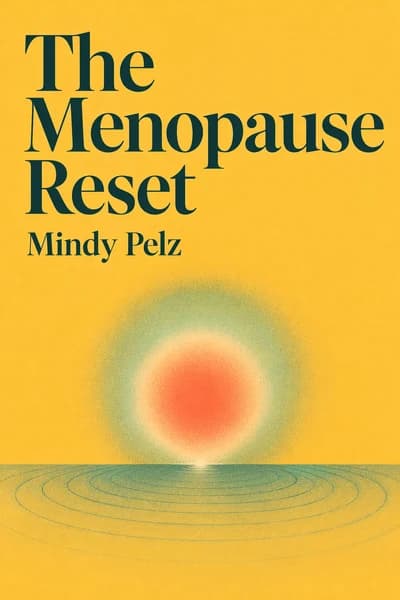
When Dr. Mindy Pelz found herself drenched in sweat at 3 AM, battling inexplicable anxiety and depression despite her seemingly perfect life, she made a promise to herself: there had to be a better way through menopause. This wasn't just another hormone book-it was the beginning of a revolution. Since its publication, The Menopause Reset has become a phenomenon, with celebrities like Halle Berry and Gwyneth Paltrow incorporating its principles into their wellness routines. What makes this approach so powerful? Unlike conventional medicine's "one pill for one symptom" approach, Dr. Pelz reveals that menopause isn't something to endure-it's an opportunity to transform your health by addressing the root causes of your symptoms through five key lifestyle shifts that work with your body's natural intelligence, not against it.
Глава 2
The Menopause Mystery: Decoding Your Body's New Language
Menopause isn't a simple on-off switch but potentially a decade-long journey where your ovaries gradually shut down and other organs must compensate for hormone production. Since puberty, women have experienced a symphony of hormones affecting mood, sleep, skin, hair, sex drive, and energy. The challenge is that these hormones don't decline in a consistent way-they go haywire, creating emotional roller coasters where you can have teenage-level hormones one day and none the next.
Your hormones aren't controlled by just one organ but by teams of organs working together, like the HPA axis (hypothalamus-pituitary-adrenal) and HPO axis (hypothalamus-pituitary-ovarian). When the HPO axis slows down in your 40s, the HPA axis must take over sex hormone production-but if it's already overworked from stress, this handoff creates menopausal chaos.
This transition reveals imbalances that need addressing, making menopause an opportunity to reset your health rather than just endure symptoms. Testing your hormones through methods like the DUTCH Complete test can provide life-saving information about hormone metabolites and detoxification capacity.
The menopause transition demands that you finally put yourself first. Declining hormones mean declining protection, making you more vulnerable to disease than ever before. If you've been living an overscheduled, stressful life, it will catch up with you now. For women like Debbie, who at 45 balanced a high-powered job with family care, hormone testing revealed depleted adrenals and crashed progesterone, testosterone, and DHEA levels. No diet or detox would help until she slowed down her schedule, learned to say no, and prioritized downtime. Making herself the priority was the first essential step to resetting her hormones and calming her symptoms.
Глава 3
The Hormone Hierarchy: Your Body's Chemical Orchestra
Before experiencing menopause, most women never appreciate how their hormones contribute to wellbeing until they disappear. When anxiety hits, you realize how much you've taken progesterone for granted-that glorious hormone that showed up monthly to calm you. Understanding which hormones affect which symptoms gives you back control during menopause.
Beyond the commonly known sex hormones (estrogen, progesterone, testosterone), three other hormones powerfully influence them. At the top of the hormonal hierarchy sits oxytocin-the love and bonding hormone that surges when holding your child, falling in love, or snuggling with pets. When oxytocin flows through you, it helps balance your sex hormones.
Next comes cortisol, the stress hormone that creates belly fat, spikes blood sugar, and wakes you at 2 AM. Cortisol appears whenever you're stressed or even overscheduled with fun activities-it's the hormone of the rushing woman.
Third is insulin, your weight-loss hormone, which when chronically elevated from high-sugar, high-carb diets, stores excess energy as fat. Insulin sits beneath cortisol in the hierarchy, releasing when you eat-especially sugary foods. If your body can't handle all the insulin you release, it stores it as fat that can remain for years until you force your body to access it.
At the bottom of the hierarchy are your sex hormones: estrogen, progesterone, and testosterone. Estrogen, despite its bad reputation, helps with reproduction, beautifies you with thicker hair and plump skin, and maintains vaginal lubrication. Progesterone, the unsung hero, calms you and keeps estrogen balanced. Testosterone drives your sex drive, motivation, and muscle building.
When stress increases, cortisol rises, raising blood sugar and insulin, which accelerates sex hormone decline-leading to classic menopausal symptoms. Like solving a puzzle, understanding how these hormones interact helps make menopause symptoms more manageable.
Глава 4
The Fasting Revolution: Timing Your Meals for Hormonal Harmony
Contrary to popular belief, breakfast isn't the most important meal of the day-that was just a Kellogg's advertising slogan from the 1970s. Similarly, eating frequent small meals doesn't speed up metabolism. The key to weight loss depends on one hormone: insulin, which you can control through when and what you eat.
Your body still functions like your primitive ancestors', designed for feast/famine cycling. Cavewomen didn't have constant food access and would often go days without eating. When blood sugar dropped, their bodies produced ketones-an alternative fuel that increased alertness, provided energy, and reduced inflammation. Modern constant eating causes insulin secretion all day, eventually leading to insulin resistance.
The first step to regulating insulin is changing how often you eat through intermittent fasting. Start by pushing breakfast back an hour, then two, gradually working up to comfortable 15-hour daily fasts. According to the New England Journal of Medicine, intermittent fasting slows aging, improves memory, reverses insulin resistance, aids weight loss, protects against neurodegenerative diseases, prevents cancer, reduces arthritis, reverses asthma, slows autoimmune conditions, and increases lifespan.
Intermittent fasting means adopting feast/famine cycling with 13-15 hours without food daily. Dr. Yoshinuri Ohsumi won the 2015 Nobel Prize for discovering autophagy-cellular regeneration that occurs during fasting as blood sugar drops. Think of autophagy as your cells self-detoxing and repairing dysfunctional components. Fasting also triggers growth hormone production, which normally stops around age 30. Research shows intermittent fasting can increase growth hormone by up to 1,300 percent, slowing aging and burning fat-a godsend for menopausal women that improves weight loss, energy, and mental clarity.
Once comfortable with intermittent fasting, progress to 24-hour fasting (often called OMAD-one meal a day). The remarkable benefit is gut repair-MIT research proved that 24 hours without food triggers intestinal stem cells that repair damage to your gut's mucosal lining. This is crucial for anyone with gut conditions and helps nurture the bacteria that break down estrogen.
For those struggling with persistent weight gain, 36-hour fasts can break through insulin resistance. The longer you go without food, the more your body must access stored fat. For severely weight-loss resistant patients, this fast once weekly until weight begins dropping often creates breakthroughs where nothing else has worked.
Remember that if you're still menstruating, avoid longer fasts (24+ hours) the week before your cycle when your body needs to produce progesterone. Intermittent fasting remains safe during this time. For irregular cycles, track your periods with apps like Clue and avoid extended fasting after day 21 of your cycle. Once you've gone a full year without a period, you can fast anytime.
Глава 5
The Ketobiotic Solution: Eating to Reset Your Hormones
Shifting from when to eat to what to eat, we need to abandon calorie-counting in favor of focusing on macronutrients. The traditional "calorie-in, calorie-out" approach to weight loss has failed us, as evidenced by our obesity epidemic. Women starving themselves with chemical-laden, low-fat foods while spending hours at the gym are sabotaging their metabolism.
Instead of counting calories, concentrate on balancing the three macros-carbohydrates, protein, and fat-each serving different purposes in menopause. Remember the hormone hierarchy: insulin influences sex hormones, so controlling food choices that spike insulin is the first step toward balancing estrogen, progesterone, and testosterone.
Of all macronutrients, carbs raise blood sugar and insulin most dramatically, with refined carbs having the strongest impact. The first step is eliminating refined carbohydrates while tracking your intake with an app like Carb Manager. Keep net carbs (total carbs minus fiber) under 50 grams daily to maintain healthy blood sugar levels of 70-90 mg/dl. This signals your body to produce ketones, indicating your liver has switched from burning carbs to burning fat for energy.
While it might be tempting to keep reducing carbs, don't sacrifice vegetables-menopausal women need them to break down estrogen. A "ketobiotic" approach with about 50 grams of net carbs allows for plenty of greens and probiotic-rich foods.
When considering protein, focus on both quality and quantity. Choose clean proteins-grass-fed, organic meats without antibiotics or hormones-as conventional meat can introduce chemicals that disrupt your hormones. Whatever goes into the animal goes into you. While many people increase protein when reducing carbs, this isn't ideal since protein also raises insulin. Keep your daily protein intake under 50 grams for optimal hormone balance.
Fat quality is crucial during menopause because your hormone receptor sites can be blocked by toxins and bad fats. With fewer hormones being produced, you can't afford blocked receptors. Good fats include olive oil, avocado oil, coconut oil, grass-fed butter, raw nuts, and ghee. Avoid canola oil, vegetable oil, partially hydrogenated oils, soybean oil, margarine, corn oil, safflower oil, and sunflower oil. Choose organic fats to avoid pesticides and replace oils frequently to prevent rancidity. Aim for over 60% of your daily calories from healthy fats, which nourish cells, heal your brain, control hunger, and provide consistent energy.
Women have different nutritional needs throughout their menstrual cycle, with hormone surges occurring around days 12-14 (estrogen) and days 21-28 (progesterone). As these hormones decline during menopause, you can support their production through specific foods. Estrogen-building foods include flax seeds, sesame seeds, soybeans, garlic, dried fruits, peaches, berries, and cruciferous vegetables. Progesterone-building foods include beans, potatoes, squashes, quinoa, tropical fruits, and citrus.
This leads to the 28-Day Hormone Reset, which balances the benefits of ketosis with hormone production, preventing the anxiety, irregular bleeding, and mood swings that can come from excessive fasting and carb restriction. The cycle includes:
• Days 1-11: Ketobiotic diet with your choice of fast
• Days 12-14: Estrogen-building foods with intermittent fasting
• Days 15-21: Ketobiotic diet with your choice of fast
• Days 21-28: Progesterone-building foods with intermittent fasting
Глава 6
The Mighty Microbiome: Your Internal Hormone Factory
While everything about eating, fasting, and hormones applies to human cells, these make up only about 50% of who you are-the rest being bacteria, fungi, parasites, and viruses. These microbes, collectively called the microbiome, perform miraculous functions when properly nourished. They produce serotonin for happiness, GABA for calming the brain, regulate immune function, control blood sugar, boost metabolism, and help remove harmful estrogens. Despite their benefits, our antibacterial-obsessed world has taught us only to kill bacteria, not nurture them.
Our antibiotic-rich world kills both harmful and beneficial bacteria. Daily antibacterial exposure comes from soaps, toothpastes, mouthwashes, antibiotic-treated meats, and prescribed antibiotics-just one round of which can eliminate up to 90% of good bacteria. This bacterial devastation contributes to depression, anxiety, insomnia, and autoimmune conditions. The first step to resetting your microbiome is stopping this antibiotic influx.
After stopping the destruction of good bacteria, focus on feeding them with three food categories: polyphenols (cloves, olives, dark chocolate, berries, raw nuts, red wine), prebiotics (chia seeds, hemp seeds, flax seeds), and probiotics (sauerkraut, kimchi, probiotic-rich yogurts, kombucha, kefir). While specific daily quantities aren't established by research, diversity is key-Dr. Terry Wahls, who reversed her multiple sclerosis symptoms through diet, recommends consuming over 200 different plants yearly.
The estrobolome-a group of over 60 bacteria-specifically helps menopausal women by breaking down toxic estrogens and activating beneficial estrogen. These bacteria produce beta-glucuronidase, a crucial enzyme that ensures the limited estrogen produced during menopause gets activated in cells rather than excreted. When gut microbes are imbalanced, beta-glucuronidase activity becomes altered, potentially causing excess estrogen that leads to various health issues.
Signs of estrobolome imbalance include digestive problems, acne, low libido, irregular periods, breast tenderness, headaches, weight gain, hot flashes, mood swings, PCOS, and increased cancer risk. Testing your estrobolome with an at-home stool test like Gut Zoomer can identify pathogens and bacterial imbalances affecting hormones, weight, pain, and mood.
The liver works with the gut to break down estrogen, so even with a healthy microbiome, liver stress can cause hormonal imbalances. For optimal liver function: minimize stressors like alcohol, medications, fried foods, and sugary desserts; increase cruciferous vegetables; use castor oil packs three times weekly; try weekly coffee enemas; and supplement with nutrients that support struggling livers.
Beyond lacking good bacteria, your gut may harbor pathogens-the bullies that hijack your microbiome and make it difficult for beneficial bacteria to thrive. These pathogens control cravings and create unpleasant symptoms. Candida albicans particularly disrupts hormonal balance by triggering sugar cravings, causing brain fog, weight retention, and vaginal infections.
Глава 7
The Toxic Truth: Detoxing for Hormonal Freedom
We live in the most toxic period in human history, with over 87,000 new chemicals introduced in the past 60 years contaminating our food, water, furniture, beauty products, and clothing. Menopausal women suffer particularly from this toxic burden, as hormonal shifts stimulate tissue to release stored toxins. Lead, for instance, releases from bones during menopause and often migrates to nervous tissue and fat-including the brain.
While the blood-brain barrier protects most brain areas, the hypothalamus, pituitary, and pineal gland remain vulnerable-precisely the areas controlling hormonal production. Even with the cleanest lifestyle, detoxing becomes essential for restoring hormonal balance.
PFAs (per- and polyfluoroalkyl substances) comprise over 5,000 chemicals that persist in our environment and accumulate in our bodies. Linked to lowered immunity, thyroid conditions, kidney disease, elevated cholesterol, and reproductive problems, these possible carcinogens have a half-life of 92 years in the environment and 8 years in the human body.
They particularly suppress immune function, reduce vaccine effectiveness, and increase autoimmune disease risk-especially significant since women experience 85% of multiple autoimmune conditions, often during menopausal transitions. To reduce exposure, replace Teflon pans with cast iron, avoid prepackaged foods, choose organic furniture materials, and invest in reverse-osmosis water filtration.
Endocrine disrupting chemicals (EDCs) like BPA plastics, PCBs, DDT, dioxins, pesticides, parabens, phthalates, and heavy metals disrupt hormonal balance by blocking receptor sites-the cellular gateways that allow hormones to trigger specific actions. This explains why many women experience thyroid symptoms despite "normal" blood work or continue feeling terrible despite medication. Their thyroid problems stem not from gland issues but from blocked receptor sites.
To minimize EDC exposure, scan beauty products using the Think Dirty app (aim for scores of three or less) and eat organic foods to avoid pesticides that particularly damage thyroid function. BPA plastics destroy hormones by blocking receptor sites and settling into brain tissue. These chemicals leach into food and contribute directly to menopause symptoms. Replace plastic food storage with glass containers and switch to glass water bottles-a simple one-day kitchen purge that will reduce night sweats and hot flashes.
Heavy metals are particularly problematic during menopause, as they're stored in tissues and released during hormonal transitions like puberty, pregnancy, and menopause. Once in the bloodstream, they often migrate to the brain, disrupting hormone regulation and causing memory loss, depression, irritability, and sleep disturbances.
Removing toxins requires more than fasting, autophagy stimulation, juice cleanses, or colon cleanses. Effective detoxification follows four specific steps: knowing your toxic load through provoked heavy metal testing, opening detox pathways, removing toxins from your body first, and finally detoxing your brain.
Since toxins hide in stored tissues, standard blood and hair tests only reveal what's currently circulating. A provoked heavy metal test using agents like DMSA pulls metals from tissues into urine for accurate measurement, helping create an effective detox plan.
Глава 8
Slowing Down to Speed Up: The Rushing Woman's Recovery
After implementing fasting, cycle-based eating, detoxing, and microbiome support, many women still experience insomnia, irritability, and occasional hot flashes. This is where the final piece of the puzzle comes in: addressing the "Rushing Woman's Syndrome."
When you live an overscheduled life, your brain stays in fight-or-flight mode, shutting down sex hormone production-a disaster during menopause. The hormone hierarchy is real, and without addressing cortisol production, you can't stabilize your other hormones.
The first step in retiring the rushing woman is carving out sacred downtime in your packed schedule. Identify specific times as non-negotiable "me time" where nothing will be scheduled. During these periods, give yourself permission to do whatever you want-whether binge-watching Netflix or hiking with your husband-without guilt or prioritizing others' needs.
Next, identify activities you love that make you feel better but often get pushed aside-like massages and facials. Stop making excuses and immediately schedule these appointments, treating them as the most important appointments of your month. Promise yourself you won't cancel them for anything.
For those with athletic backgrounds, it's important to tune into your body more and listen to what kind of movement it needs each day. Some days call for a long run, others just a walk in the sun. Do fewer push-through workouts and nurture yourself more with yoga and Pilates.
Understanding that oxytocin influences cortisol, research activities to increase oxytocin secretion. Favorites include hugs, laughter, spending time with friends, petting animals, random acts of kindness, giving gifts, yoga, meditation, deep breathing, massage, chiropractic adjustments, music, sex, and social media connection. Though these activities might seem simple, prioritizing oxytocin dramatically improves how you feel.
The final piece of the hormone puzzle involves supporting your adrenal glands. When ovaries shut down during menopause, they transfer sex hormone production to the adrenal glands. If these glands are depleted from a rushing lifestyle, they can't produce adequate progesterone and testosterone, leaving women tired, anxious, without libido, and unmotivated to exercise. Since DHEA is the precursor to cortisol, progesterone, and testosterone, replenishing DHEA stores can help.
Глава 9
Biohacking Menopause: Cutting-Edge Tools for Timeless Vitality
Biohacking represents the next frontier for menopausal women seeking to thrive and slow down aging. These natural shortcuts work with your body's intelligence to achieve desired results. While these tools can dramatically improve health, they're not replacements for proper lifestyle habits-they work best in synergy with the hormonal hierarchy principles already established.
Red light therapy counteracts the damaging effects of blue light exposure by invigorating cells and helping them live longer. Just 10 minutes daily can boost collagen production, lower joint inflammation, and support the hormonal system. Research shows red light therapy effectively smooths wrinkles, enhances skin tone, and can even improve thyroid function, with studies demonstrating reduced medication needs and decreased thyroid antibodies.
Infrared saunas heat cells from the inside out, encouraging detoxification, weight loss, and skin rejuvenation. They help unblock hormone receptor sites by releasing stored toxins. Studies show significant improvements in skin appearance after just 12 weeks, including reduced wrinkles and improved elasticity. They're particularly effective for heavy metal detox, as the sweat produced contains not just water but also fat-soluble toxins, heavy metals, and other waste products.
Hyperbaric oxygen chambers deliver compressed oxygen that can penetrate aging cells, supporting mitochondrial function and energy production. Particularly beneficial for brain health, HBOT stimulates angiogenesis (new blood vessel growth), triggers stem cell release from bone marrow, and suppresses inflammation. For menopausal women experiencing memory issues, this "Benjamin Button machine" can provide remarkable healing effects by delivering much-needed oxygen to the brain.
Pulsed electromagnetic frequency therapy recharges cellular energy, similar to how we recharge our phones. Our cells naturally receive electromagnetic energy from the earth but are depleted by toxins, poor nutrition, and electromagnetic pollution. PEMF therapy provides the missing energy cells need to regenerate, helping with chronic pain, fatigue, and depression.
For menopausal women stuck in fight-or-flight mode, brain training offers relief. Two effective approaches include chiropractic adjustments, which research shows can increase blood flow to the prefrontal cortex by 30%, shifting the brain from the fear-based amygdala to the solution-oriented prefrontal cortex. BrainTap technology, using binaural beats, guided visualization, holographic music, and isochronic tones, acts as "forced meditation," helping retrain the brain to handle stress more effectively.
Глава 10
The Effortless Sleep Solution: Reclaiming Your Restful Nights
Sleep, once effortless in youth, becomes a significant challenge during menopause. Five key hormones impact sleep during this transition: cortisol, melatonin, insulin, estrogen, and progesterone. As progesterone declines, GABA receptor activation decreases, leaving women feeling wired despite being tired. Estrogen fluctuations cause night sweats and hot flashes.
Resetting the circadian rhythm becomes crucial during menopause as the body must rely on alternative neurochemicals when sex hormones decline. The circadian rhythm-physical, mental, and behavioral changes responding to the 24-hour cycle-is primarily influenced by light exposure and affects hormone release throughout the day.
To balance cortisol, rise with the sunrise and establish a morning meditation practice before caffeine, which allows access to theta brain waves-the state between deep sleep and active consciousness. Moving workouts to two hours after waking harnesses cortisol's natural peak. For afternoon cortisol spikes from stress, walking helps process the hormone and signals your brain to exit fight-or-flight mode.
Midday sunlight exposure calibrates your circadian timer and activates serotonin receptors in your eyes, improving mood. A quick 20-minute midday walk provides full-spectrum light that both regulates your circadian rhythm and lifts your spirits.
Align your activities with your body's natural neurochemical rhythm by tackling demanding tasks in the morning when energizing chemicals are abundant. After 4 PM, transition to enjoyable, low-stress activities like cooking or reading. Even if your schedule isn't flexible, prioritizing high-intensity activities earlier helps balance neurochemicals and prepares your body for evening rest.
For optimal sleep, melatonin should be high and insulin low at bedtime. Take evening walks at sunset to catch red light that signals melatonin production. After sunset, minimize blue light exposure from LED lights, phones, computers and TVs, which suppresses melatonin. Use blue light filters on devices or wear blue-blocker glasses in the evening.
Timing your dinner is crucial for sleep quality because insulin and melatonin work inversely-when melatonin rises, insulin sensitivity decreases. Eating too close to bedtime can suppress melatonin production. Circadian experts recommend consuming most food during daylight hours to maintain insulin sensitivity, balance glucose response, and preserve melatonin's natural rhythm.
Modern life creates an evolutionary mismatch with our primal design-constant food access, blue light exposure, fast-paced living, and toxic overload particularly harm menopausal women who are already losing hormones. Our ancestors slept on cold ground with heavy coverings, which aligns with how our bodies are designed to sleep. Core temperature naturally drops five degrees before sleep, so cooling your bedroom through air conditioning, open windows, or cooling mattresses can dramatically improve sleep quality, especially for women experiencing hot flashes. Similarly, weighted blankets mimic the primal comfort of animal hides, activating the nervous system's relaxation response.
Глава 11
From Surviving to Thriving: Your Personalized Menopause Reset
Whether you're overwhelmed or already implementing many of these practices, approach your health like a puzzle-start with the border pieces and work inward. Begin with the chapter that addresses your most pressing needs, follow the steps in order, then move to another chapter.
The five-step Menopause Reset process shifts you from building disease to building health:
1. Change when you eat through intermittent fasting
2. Address what you eat with the ketobiotic approach
3. Repair your microbiome with targeted foods and supplements
4. Detox yourself and your environment
5. Stop the rushing and prioritize downtime
Each step builds upon the previous one, creating a comprehensive approach to managing menopause symptoms naturally. The body comes pre-programmed to heal, and menopause symptoms are actually gifts-signals asking to be addressed. As hormones decline in postmenopause, women become vulnerable to conditions like osteoporosis, hormonal cancers, and dementia, but implementing these lifestyle changes can change that trajectory and prevent disease development.
The author encourages women to honor their menopausal journey rather than viewing symptoms as inconveniences. By combining gratitude and love with lifestyle changes that work with rather than against the body, women can truly thrive through menopause and beyond. Remember, you have more power than you've been taught, and with the right lifestyle tools, you can transform what was once considered a decade of suffering into a period of profound healing and renewal.