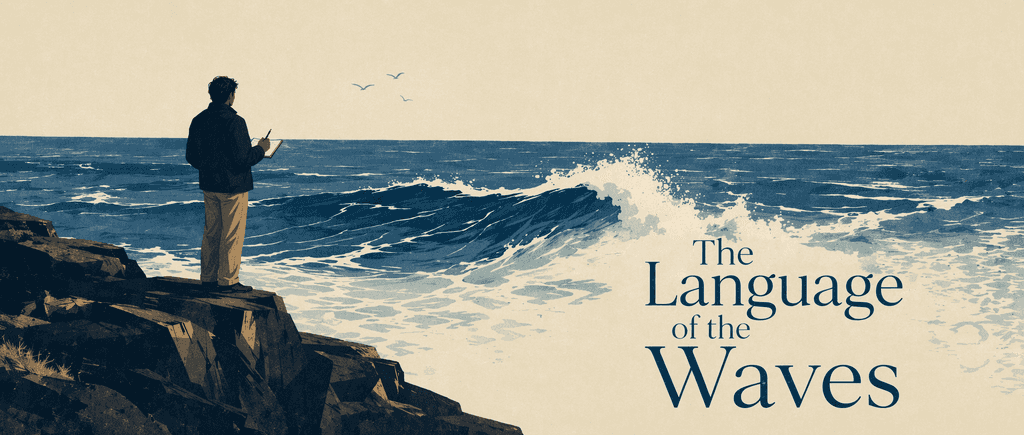
Обзор книги The light between oceans
A lighthouse keeper and his wife find a baby washed ashore - a moral dilemma that captivated millions. This National Bestseller turned Hollywood film explores impossible choices with haunting beauty, earning the Goodreads Choice Award for its soul-crushing emotional journey.
- Moral paralysis emerges when love clashes with duty as Tom wrestles wartime trauma and Isabel’s desperation.
- Isolation magnifies ethical compromises, with Janus Rock becoming a metaphor for moral isolation.
- Grief’s manipulation of logic drives impulsive decisions, exemplified by Isabel’s claim over Lucy.
- The lighthouse symbolizes fractured guidance—Tom’s rigidity versus Isabel’s emotional recklessness.
- Redemption requires confronting collateral damage, seen in Hannah’s forgiveness versus Tom’s imprisonment.
- Parental love’s possessiveness versus biological claims fuels the central custody conflict.
- Guilt’s duality traps Tom in wartime survivor shame and Lucy’s stolen identity.
- Silent complicity’s erosion of trust destroys marriages faster than open conflict.
- Nature’s indifference to human morality echoes through storms, stillbirths, and the sea’s role.
- Rural 1920s Australia’s social rigidity intensifies the consequences of Tom and Isabel’s choice.
- Ethical absolutism falters in parenthood’s gray zones, questioning "right" versus "necessary."
- Loss rewires moral calculus, exposing how trauma distorts risk assessment over time.
Об авторе книги The light between oceans
M.L. (Margot) Stedman, the Australian-born bestselling author of The Light Between Oceans, merges historical authenticity with profound moral complexity in her acclaimed debut.
A former lawyer raised in Western Australia, Stedman drew on archival research and visits to remote lighthouses to craft this post-WWI tale of a lighthouse keeper’s fateful decision to raise a foundling child. Her background in law sharpens the novel’s exploration of guilt, justice, and the ripple effects of impossible choices.
Though primarily known for this singular work, Stedman’s short stories have appeared in anthologies, showcasing her knack for emotionally charged narratives.
The Light Between Oceans became a global phenomenon, spending over a year on the New York Times bestseller list, winning multiple Australian Book Industry Awards, and being translated into nearly 40 languages. Its 2016 DreamWorks film adaptation starring Alicia Vikander and Michael Fassbender cemented the story’s enduring cultural impact.
Часто задаваемые вопросы о The light between oceans
What is The Light Between Oceans about?
The Light Between Oceans follows Tom Sherbourne, a WWII veteran turned lighthouse keeper, and his wife Isabel, who live in isolation off Australia’s coast. After discovering a dead man and infant in a boat, they raise the child as their own, sparking a moral crisis when the baby’s biological mother is revealed. The novel explores love, guilt, and redemption through devastating choices and their consequences.
Who should read The Light Between Oceans?
Fans of emotionally charged historical fiction and moral dilemmas will resonate with this book. Ideal for readers who appreciate lyrical prose, complex characters, and themes like grief, forgiveness, and isolation. Those drawn to works such as The Kite Runner or All the Light We Cannot See will find similar depth here.
Is The Light Between Oceans worth reading?
Yes, for its haunting exploration of ethical boundaries and human resilience. Critics praise its evocative coastal setting, heart-wrenching decisions, and layered symbolism (e.g., the lighthouse as a metaphor for moral guidance). While some note a slower pace, the novel’s emotional payoff and thought-provoking ending make it memorable.
What are the main themes in The Light Between Oceans?
Key themes include moral ambiguity (weighing personal desire against societal duty), redemption (Tom’s guilt over wartime survival), and love’s sacrifices (Isabel’s maternal longing). The sea symbolizes life’s unpredictability, while the lighthouse reflects isolation and ethical responsibility.
How does the lighthouse symbolize moral conflict?
The Janus Rock lighthouse represents both protection and isolation. Its beacon guides ships but traps Tom and Isabel in secrecy after they keep the baby. The structure mirrors their struggle to navigate right and wrong, blending literal and metaphorical “light” in ethical decision-making.
What is the significance of the ending?
The ambiguous conclusion sees Tom confessing to spare Isabel legal consequences, while Hannah (the biological mother) allows their adopted daughter, Lucy, to reunite with Isabel. This highlights forgiveness’s transformative power but leaves unresolved questions about justice and healing.
How does faith influence the characters’ choices?
Tom and Isabel grapple with divine forgiveness, marked by crosses for lost pregnancies and Lucy’s baptism. Tom’s prayer for mercy after hiding the truth underscores his moral conflict, while Isabel’s belief that the baby is “God’s answer” rationalizes their deceit.
What critiques exist about the book’s pacing?
Some readers find the first half slow, as Stedman meticulously establishes the couple’s isolation and emotional turmoil. However, this buildup intensifies the ethical stakes, making the latter half’s dramatic revelations more impactful.
How does The Light Between Oceans compare to All the Light We Cannot See?
Both use WWII-era settings and lyrical prose to explore loss and morality. However, Stedman’s focus is narrower—a single ethical dilemma—while Doerr interweaves multiple perspectives. Fans of intimate, relationship-driven dramas may prefer The Light Between Oceans.
What quotes capture the novel’s essence?
- “You only have to forgive once. To resent, you have to do it all day, every day.” Highlights the exhausting toll of holding grudges versus liberation through forgiveness.
- “The rules are all right for most of the time, but they don’t work for all the time.” Reflects the novel’s challenge to rigid morality.
How does the setting enhance the story?
The remote Australian coast (1920s) amplifies the couple’s isolation, forcing introspection. Stormy seas and jagged cliffs mirror their turbulent emotions, while the lighthouse’s cyclic routines underscore their entrapment in lies.
What criticisms address the novel’s emotional tone?
Some reviewers find the tragedy excessive, bordering on melodrama. However, others argue the unflinching portrayal of grief and guilt underscores the realism of flawed, human decisions.
Почувствуйте книгу через голос автора
Превратите знания в увлекательные, богатые примерами идеи
Захватите ключевые идеи мгновенно для быстрого обучения
Наслаждайтесь книгой в весёлой и увлекательной форме
Персонажи в The light between oceans
- Tom SherbourneA war-damaged lighthouse keeper on Janus Rock
- Isabel SherbourneTom's wife who struggles with grief and loss
- Frank RoennfeldtA German man chased into the sea by the town
Ключевые темы в The light between oceans
- moral ambiguity
- grief and miscarriage
- wartime trauma recovery
- isolation and secrecy
- stolen identity
Цитаты из The light between oceans
You only have to forgive once. To resent, you have to do it all day, every day. You have to keep remembering all the things that offended you.
Sometimes the smallest things take up the most room in your heart.
Right and wrong can be like bloody snakes.
He just has to keep the light burning. Nothing more.
It's not black and white; it's gray.
Исследуйте Свой Способ Обучения
 Режим Краткое резюме
Прочитайте или прослушайте краткое содержание The light between oceans за 8 минут
Разбейте ключевые идеи The light between oceans на понятные тезисы, чтобы понять, как инновационные команды создают, сотрудничают и растут.

 Режим Развлекательно
Уроки из The light between oceans в 23-минутных историях
Погрузитесь в The light between oceans через яркие истории, превращающие уроки инноваций в запоминающиеся и применимые моменты.
 Режим Персонализация
Изучайте The light between oceans в своем собственном стиле обучения
Задавайте любые вопросы, выбирайте свой стиль обучения и создавайте идеи, которые действительно вам подходят.
Создано выпускниками Колумбийского университета в Сан-Франциско
"Instead of endless scrolling, I just hit play on BeFreed. It saves me so much time."


"I never knew where to start with nonfiction—BeFreed’s book lists turned into podcasts gave me a clear path."


"Perfect balance between learning and entertainment. Finished ‘Thinking, Fast and Slow’ on my commute this week."
"Crazy how much I learned while walking the dog. BeFreed = small habits → big gains."
"Reading used to feel like a chore. Now it’s just part of my lifestyle."

"Feels effortless compared to reading. I’ve finished 6 books this month already."
"BeFreed turned my guilty doomscrolling into something that feels productive and inspiring."

"BeFreed turned my commute into learning time. 20-min podcasts are perfect for finishing books I never had time for."
"BeFreed replaced my podcast queue. Imagine Spotify for books — that’s it. 🙌"

"It is great for me to learn something from the book without reading it."
"The themed book list podcasts help me connect ideas across authors—like a guided audio journey."
"Makes me feel smarter every time before going to work"
Создано выпускниками Колумбийского университета в Сан-Франциско
"Instead of endless scrolling, I just hit play on BeFreed. It saves me so much time."
"I never knew where to start with nonfiction—BeFreed’s book lists turned into podcasts gave me a clear path."
"Perfect balance between learning and entertainment. Finished ‘Thinking, Fast and Slow’ on my commute this week."
"Crazy how much I learned while walking the dog. BeFreed = small habits → big gains."
"Reading used to feel like a chore. Now it’s just part of my lifestyle."
"Feels effortless compared to reading. I’ve finished 6 books this month already."
"BeFreed turned my guilty doomscrolling into something that feels productive and inspiring."
"BeFreed turned my commute into learning time. 20-min podcasts are perfect for finishing books I never had time for."
"BeFreed replaced my podcast queue. Imagine Spotify for books — that’s it. 🙌"
"It is great for me to learn something from the book without reading it."
"The themed book list podcasts help me connect ideas across authors—like a guided audio journey."
"Makes me feel smarter every time before going to work"
"Instead of endless scrolling, I just hit play on BeFreed. It saves me so much time."
"I never knew where to start with nonfiction—BeFreed’s book lists turned into podcasts gave me a clear path."
"Perfect balance between learning and entertainment. Finished ‘Thinking, Fast and Slow’ on my commute this week."
"Crazy how much I learned while walking the dog. BeFreed = small habits → big gains."
"Reading used to feel like a chore. Now it’s just part of my lifestyle."
"Feels effortless compared to reading. I’ve finished 6 books this month already."
"BeFreed turned my guilty doomscrolling into something that feels productive and inspiring."
"BeFreed turned my commute into learning time. 20-min podcasts are perfect for finishing books I never had time for."
"BeFreed replaced my podcast queue. Imagine Spotify for books — that’s it. 🙌"
"It is great for me to learn something from the book without reading it."
"The themed book list podcasts help me connect ideas across authors—like a guided audio journey."
"Makes me feel smarter every time before going to work"
"Instead of endless scrolling, I just hit play on BeFreed. It saves me so much time."
"I never knew where to start with nonfiction—BeFreed’s book lists turned into podcasts gave me a clear path."
"Perfect balance between learning and entertainment. Finished ‘Thinking, Fast and Slow’ on my commute this week."
"Crazy how much I learned while walking the dog. BeFreed = small habits → big gains."
"Reading used to feel like a chore. Now it’s just part of my lifestyle."
"Feels effortless compared to reading. I’ve finished 6 books this month already."
"BeFreed turned my guilty doomscrolling into something that feels productive and inspiring."
"BeFreed turned my commute into learning time. 20-min podcasts are perfect for finishing books I never had time for."
"BeFreed replaced my podcast queue. Imagine Spotify for books — that’s it. 🙌"
"It is great for me to learn something from the book without reading it."
"The themed book list podcasts help me connect ideas across authors—like a guided audio journey."
"Makes me feel smarter every time before going to work"

Скачать резюме книги «The light between oceans»
Получите резюме книги «The light between oceans» в формате PDF или EPUB бесплатно. Распечатайте или читайте офлайн в любое время.