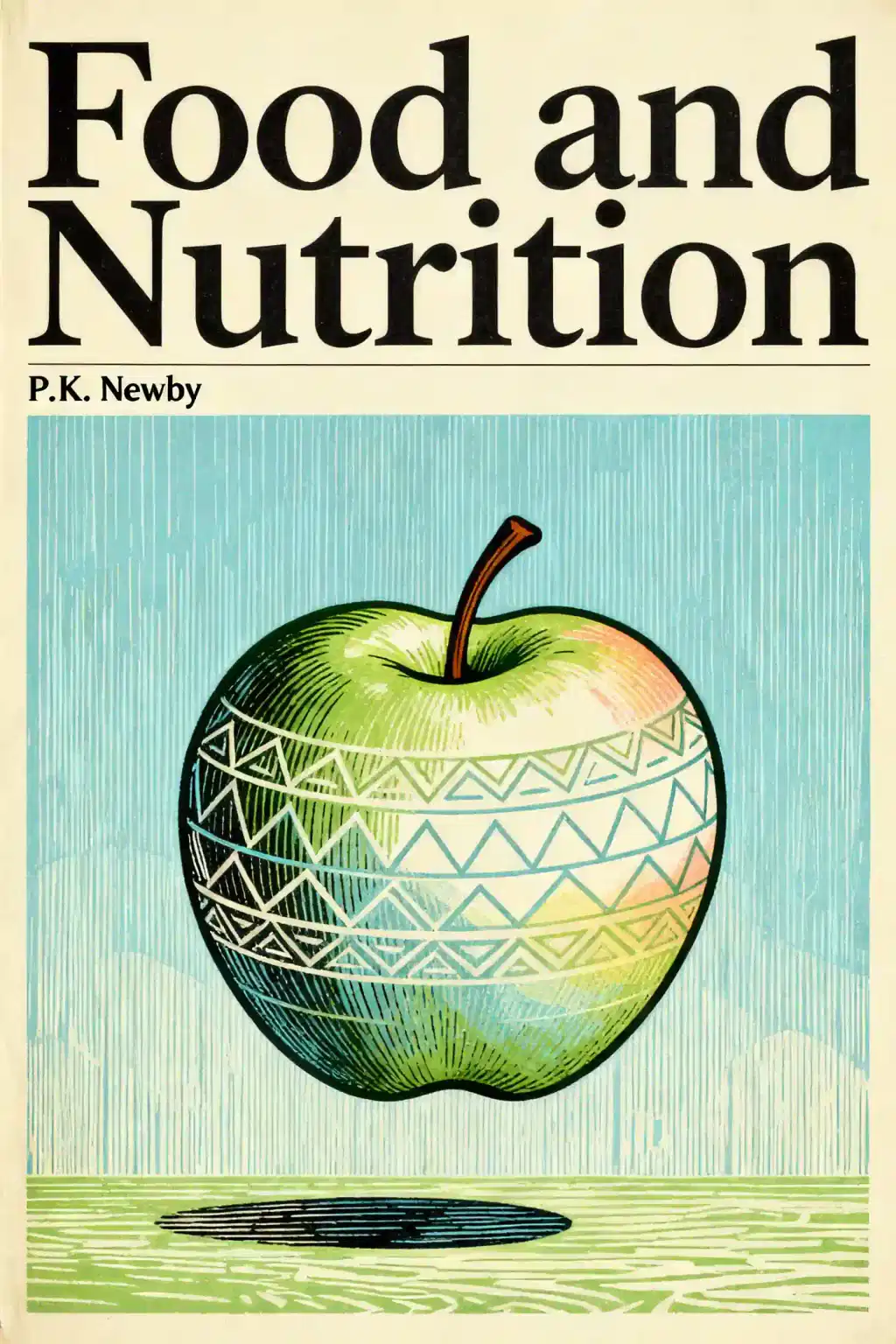
Michael Pollan's "The Botany of Desire" reveals how four plants - apples, tulips, cannabis, and potatoes - manipulate human desires. PBS adapted this mind-bending perspective into a documentary that challenges our view of agriculture and shows how plants have quietly engineered our evolution.
Почувствуйте книгу через голос автора
Превратите знания в увлекательные, богатые примерами идеи
Захватите ключевые идеи мгновенно для быстрого обучения
Наслаждайтесь книгой в весёлой и увлекательной форме
Imagine looking at your garden and suddenly realizing you're being manipulated by plants. This perspective flip is the revolutionary heart of The Botany of Desire. What if plants have been using us as much as we've been using them? For millennia, plants have evolved as nature's master chemists, developing over 100,000 compounds that nourish, heal, intoxicate, and delight us. While we evolved consciousness and bipedalism, they perfected photosynthesis and chemistry. Their greatest limitation-immobility-became their greatest strength as they developed ingenious strategies to enlist animals as transportation agents. About 10,000 years ago, plants refined their strategy to exploit one particular animal capable of both free movement and complex thought-humans. This relationship has been spectacularly successful for both parties. Edible grasses convinced humans to clear forests and create vast agricultural landscapes. Flowers transfixed entire cultures, inspiring global trade networks. Our conventional thinking divides the world into active subjects (humans) and passive objects (plants), but in coevolutionary relationships, every subject is also an object. Agriculture could just as easily be seen as something grasses did to people to conquer forests. After ten thousand years of coevolution, plants' genes contain detailed instructions on human desires and cultural values-a botanical archive of our species' hopes and needs. We've remade these species through artificial selection, but these plants have simultaneously been remaking us, shaping our agriculture, economics, aesthetics, and consciousness.
Разбейте ключевые идеи The Botany of Desire на понятные тезисы, чтобы понять, как инновационные команды создают, сотрудничают и растут.
Выделите из The Botany of Desire быстрые подсказки для запоминания, подчёркивающие ключевые принципы открытости, командной работы и творческой устойчивости.

Погрузитесь в The Botany of Desire через яркие истории, превращающие уроки инноваций в запоминающиеся и применимые моменты.
Задавайте любые вопросы, выбирайте голос и совместно создавайте идеи, которые действительно находят у вас отклик.

Создано выпускниками Колумбийского университета в Сан-Франциско
"Instead of endless scrolling, I just hit play on BeFreed. It saves me so much time."
"I never knew where to start with nonfiction—BeFreed’s book lists turned into podcasts gave me a clear path."
"Perfect balance between learning and entertainment. Finished ‘Thinking, Fast and Slow’ on my commute this week."
"Crazy how much I learned while walking the dog. BeFreed = small habits → big gains."
"Reading used to feel like a chore. Now it’s just part of my lifestyle."
"Feels effortless compared to reading. I’ve finished 6 books this month already."
"BeFreed turned my guilty doomscrolling into something that feels productive and inspiring."
"BeFreed turned my commute into learning time. 20-min podcasts are perfect for finishing books I never had time for."
"BeFreed replaced my podcast queue. Imagine Spotify for books — that’s it. 🙌"
"It is great for me to learn something from the book without reading it."
"The themed book list podcasts help me connect ideas across authors—like a guided audio journey."
"Makes me feel smarter every time before going to work"
Создано выпускниками Колумбийского университета в Сан-Франциско

Получите резюме книги «The Botany of Desire» в формате PDF или EPUB бесплатно. Распечатайте или читайте офлайн в любое время.